Spending an entire day visiting multiple museums can be an exhilarating and enriching experience, but it can also quickly become overwhelming and exhausting if not approached thoughtfully. Museums are often sprawling spaces filled with a vast array of exhibits, intricate artwork, historical artifacts, and immersive installations that demand both mental and physical energy. Without careful planning, those extended hours can lead to fatigue, making it difficult to appreciate the depths of the collections and the stories they tell. However, with strategic preparation and mindful pacing, it’s possible to enjoy a museum-heavy day without sacrificing comfort or engagement.
The first step in planning such a day is to prioritize which museums to visit. Many cities offer a dense cluster of cultural institutions, each with its own distinct personality and collection focus. Selecting venues based on personal interest, exhibit schedules, and proximity to one another can dramatically enhance the experience. Rather than attempting to visit every museum in a region, narrowing down the options ensures ample time for exploration and reflection without rushing. Researching featured exhibits in advance allows visitors to focus on highlights that resonate most, weaving a narrative through their visits that maintains enthusiasm and attention.
Timing is crucial when mapping out a museum-filled itinerary. Starting early in the day helps to beat the crowds and avoid the fatigue that accumulates as hours pass. Many museums open mid-morning, which gives an opportunity to grab a refreshing breakfast and arrive full of energy. It is equally important to factor in natural breaks for rest, snacks, or even outdoor walks between visits. Museums typically have designated rest areas, cafes, or gardens—utilizing these spaces can recharge both body and mind. Scheduling a leisurely lunch rather than grabbing food on the go prevents the buildup of stress and provides a pause to digest not only food but also the cultural insights gathered so far.
Physical comfort plays a surprisingly large role in reducing museum fatigue. Wearing supportive shoes, dressing in breathable and layered clothing, and carrying a lightweight backpack with water and essential items can make a substantial difference in endurance and mood. Many museums involve substantial walking, standing, and sometimes navigating stairs, so being prepared for the physical demands can turn a potentially tiring day into an enjoyable journey. Additionally, adjusting expectations to accommodate movement, such as choosing to sit and observe a particular exhibit more deeply rather than rushing to see every piece, fosters a more relaxed pace conducive to longer visits.
Engagement strategies also help maintain interest without causing mental exhaustion. Museums can be overwhelming not only physically but cognitively, with information overload from placards, audio guides, and interactive displays. Selecting a specific theme or subject to focus on—for example, Impressionist painters, modern sculpture, or ancient civilizations—can create a framework that makes absorbing information more manageable and meaningful. Using museum apps or audio guides selectively, rather than continuously, allows for periodic mental rest and prevents sensory burnout. It’s often helpful to alternate between intense focus on detailed works and more casual navigation through larger installations or open spaces.
Hydration and nutrition cannot be overlooked during museum-heavy days. Dehydration or hunger can lead quickly to fatigue and irritability, dampening the whole experience. Carrying a reusable water bottle and taking advantage of water fountains or café offerings promotes sustained energy levels. Choosing nutritious snacks like nuts, fruit, or protein bars helps maintain blood sugar and prevents the afternoon slump. Avoiding excessive caffeine or sugary treats is recommended because, while they may offer a short boost, they often lead to a crash later. Being mindful of nutritional intake supports both physical stamina and cognitive function, essential for days filled with learning and exploration.
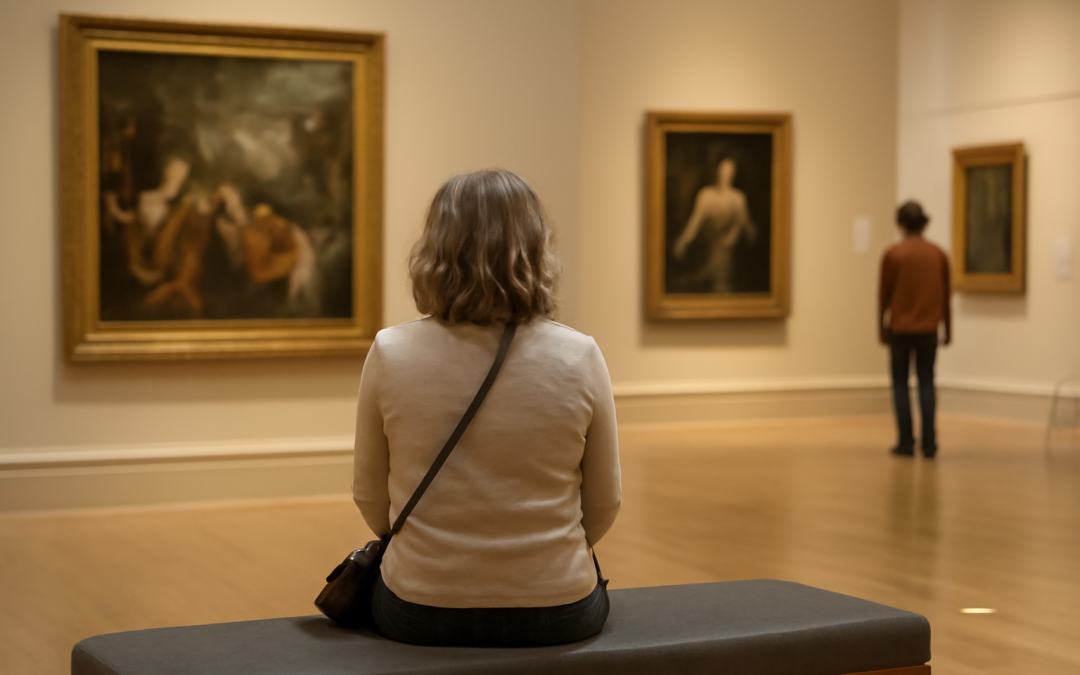
Incorporating moments of mindfulness and relaxation into the day enhances both well-being and appreciation of the art. Taking a few minutes to sit quietly in a serene gallery, focusing on a single painting or sculpture, can provide a refreshing mental reset. Deep breathing exercises or brief meditative pauses can counter the overstimulation common in busy museum environments, allowing visitors to reconnect with their enthusiasm and curiosity. Museums frequently offer quiet rooms or less frequented galleries perfect for such moments. This approach not only combats fatigue but also deepens the visitor’s connection to the works observed.
Planning transportation logistics thoughtfully is another vital component for a successful museum day. Choosing accommodations within walking distance or short transit rides to museum complexes saves energy otherwise spent on longer commutes. Where public transportation is involved, understanding schedules prevents the added stress of waiting or rushing, which can wear down stamina. For those using ride-sharing or taxis, it’s wise to pre-book returns or have flexible options planned to avoid tense moments at the end of a long day. The less time and energy spent on transit hassles, the more enjoyable the museum experience will be.
Social dynamics impact how much energy is available throughout the day. Visiting museums with friends, family, or a knowledgeable guide can provide motivation and shared excitement, making the experience feel less arduous. On the other hand, for some, solitary visits allow for a more personalized pace and the freedom to pause or move on from exhibits as desired without negotiation. Recognizing personal preferences regarding company helps optimize energy levels and enjoyment. Engaging in discussions about exhibits can invigorate interest, stimulate different perspectives, and add layers of meaning to the visit, making the day feel less like a checklist and more like a conversation.
Technology, when used wisely, can be a valuable ally in managing museum visits. Many museums offer pre-purchased timed tickets to avoid long waits, which preserves energy and reduces uncertainty. Interactive maps and apps help visitors navigate large spaces efficiently, highlighting amenities such as restrooms, cafés, and exit points. These tools also facilitate planning snack breaks and avoiding overly crowded sections at peak hours. Combining technological assistance with a flexible, intuitive approach empowers visitors to adapt as the day unfolds, choosing rest or exploration based on current energy levels.
Despite careful preparation, some fatigue is natural after a day immersed in museums. Recognizing signs early, such as difficulty concentrating, irritability, or physical discomfort, allows for timely adjustments. A short nap or rest period—if feasible—can restore alertness for an evening event or further exploration. If not, ending the day with a quiet activity like a casual walk in a nearby park or a comfortable dinner venue helps gently transition from an intense cultural immersion to relaxation. Being attuned to one’s body and mental state ensures that the overall experience remains positive and memorable, rather than burdened by exhaustion.
Reflection plays a key role in maximizing the benefits of a museum-heavy day. Setting aside time either during or after visits to jot down thoughts, impressions, or favorite pieces can extend engagement beyond the physical space. This practice deepens understanding and allows visitors to process the information at their own pace. Whether through a journal, a digital note app, or simply mental recap, reflection mitigates the feeling of being overwhelmed and enhances retention. This thoughtful approach transforms a tiring day of walking and looking into an inspiring journey of learning and personal growth.
It’s worth considering how pacing affects not only fatigue but also the emotional response to museum visits. Rushing through galleries can generate stress and a sense of obligation rather than enjoyment. Conversely, a deliberately paced day supports emotional connections with artworks and historical artifacts, fostering empathy, wonder, and intellectual curiosity. Creative engagement, like sketching a favorite object or photographing architectural details, encourages active participation rather than passive observation. These creative outlets serve as breaks from continuous passive absorption, reducing fatigue while enriching the experience.
In planning a museum-heavy day, factoring in the season and weather can also make a significant difference. During cooler months, visiting indoor museums provides a warm and inviting escape, but lengthy walks between venues may be brisk and tiring if unprepared. Layering clothing and planning indoor wait times prevent chill and discomfort. Conversely, in warmer seasons, heat can amplify physical strain, so selecting museums with shaded pathways or air-conditioned spaces and scheduling outdoor transitions during cooler parts of the day helps maintain comfort. Weather contingencies, such as backup indoor locations or flexible time allowances, prevent frustration and promote relaxation throughout the visit.
The variety and diversity of museums visited influence fatigue levels as well. Mixing types of museums—such as alternating between art, science, or history—can engage different areas of the brain and stave off mental weariness. Interactive, hands-on exhibits in science centers or children’s museums offer dynamic breaks from traditional gallery experiences, reinvigorating attention and curiosity. Conversely, too many similar museums in sequence might lead to sensory overload or boredom. A thoughtfully curated mix appeals to different interests and faculties, keeping the day stimulating and balanced.
Lastly, regular physical conditioning and health play foundational roles in determining how much energy can be sustained during intense cultural outings. Those accustomed to walking, standing, and social engagement will naturally fare better in museum marathons. Preparing the body through moderate exercise, stretching, and proper sleep before the planned day contributes to increased endurance. Post-visit self-care routines, including gentle stretching and hydration, aid in recovery and reduce lingering fatigue. Recognizing the relationship between physical health and cultural stamina encourages proactive readiness for museum-heavy adventures.
Strategic planning transforms what might initially appear as an exhausting endeavor into one of profound fulfillment. Balancing enthusiasm with pragmatism, prioritizing interests while respecting physical limits, and maintaining mindfulness throughout the day ensures that museums remain sources of inspiration rather than sources of fatigue. By integrating comfort, variety, pacing, and intentional breaks, visitors can unlock the richest experiences these cultural institutions have to offer. The joy of learning, discovery, and wonder should never be diminished by weariness, and with thoughtful preparation, it never will be.