Collecting rainwater in barrels is an eco-friendly and cost-effective way to conserve water, reduce runoff, and nurture gardens. However, without proper upkeep, rain barrels can become clogged or contaminated, leading to unpleasant odors, reduced water quality, or even damage to the barrel itself. Regular cleaning and care ensure that the collected water remains clean, the barrel functions efficiently, and the system lasts for years. Understanding the best practices for maintaining a rain barrel will help you get the most out of your rainwater harvesting system while promoting healthier outdoor spaces.
The importance of regular maintenance for a rain barrel cannot be overstated. Leaves, dirt, algae, and other debris naturally accumulate in the container, especially during heavy rainfall or when positioned near trees and plants. These materials not only block the inlet and outlet screens but also create an environment conducive to mosquito breeding. Stagnant water inside unclean barrels attracts mosquitoes, which can pose serious health risks. Frequent inspection and cleaning prevent these problems by keeping the water fresh and the barrel operational.
Start the maintenance process by examining the entire rain barrel system, including the gutters and downspouts feeding it. Clogged gutters can introduce excessive debris and dirt into the barrel, accelerating blockages. Before cleaning the barrel itself, clear away accumulated leaves, twigs, and other matter from your gutters and the screen or filter at the top of the barrel. This minor preventative measure significantly extends the intervals between full cleanings.
Once the input flow is clear, the next step is to drain the barrel completely. Many rain barrels come with a spigot or drain valve at the bottom—open this to empty all the water. If your barrel lacks a drainage feature, simply tip it on its side carefully to pour out the water. After draining, gently rinse the inside with a garden hose to remove loose particles and sediment.
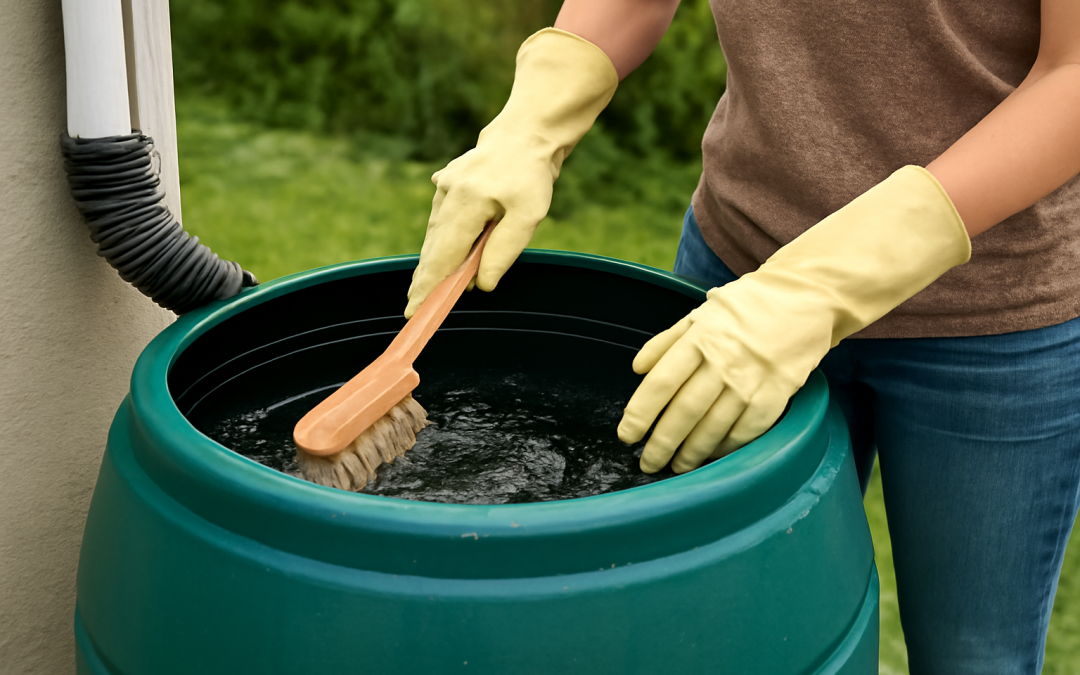
For more thorough cleaning, a mild detergent or white vinegar solution can be used inside the barrel. To make a cleaning solution, mix water with about one cup of white vinegar per gallon or a few drops of an environmentally friendly dish soap. Avoid harsh chemical cleaners, as they can leave residues that contaminate the collected water or damage the barrel’s material. Use a long-handled brush or a soft scrubber to reach all sides inside the barrel, gently scrubbing away dirt, algae, and mold.
Once scrubbed, rinse the barrel several times with clean water to ensure no cleaning agents remain. These agents can interfere with the quality of the rainwater if left behind. Let the barrel dry completely in the sun before refilling it to prevent the growth of algae and bacteria. Sunlight serves as a natural disinfectant, helping inhibit microbial growth that might affect water quality.
Annual deep cleaning is advisable even if regular maintenance is performed. Toward the end of the rainy season or early in the dry season, empty the barrel and clean it thoroughly. Inspect for any wear, cracks, or damage to screens, spigots, and the barrel’s body. Replace or repair faulty components to maintain the system’s integrity. During this deep cleaning, also check for rust if the barrel is made of metal and address it promptly.
Proper winter care is essential in colder climates where water left inside the barrel can freeze, causing expansion and potential damage. Before temperatures drop, the barrel should be emptied and disconnected from the rainwater collection system. Store it in a sheltered area or upside down outdoors to allow rain to wash off dirt and minimize mold growth. Cleaning the barrel before storing ensures it’s ready for use when the rainy season returns.
Preventive care extends beyond cleaning. Installing fine mesh screens on the barrel’s inlet and outlet helps keep debris and insects out. Consistently clearing the roof and gutters feeding your rain barrel system is crucial to minimize the load of contaminants entering the barrel. Using covers helps prevent mosquitoes from entering, further enhancing water quality and reducing health risks.
One common problem faced by many rain barrel owners is algae growth. Because rain barrels are often placed in the sun, algae thrive in nutrient-rich water contained in translucent or semi-transparent barrels. To limit algae growth, consider using a barrel made of dark-colored plastic that blocks sunlight. Positioning the barrel in shaded areas or using barrel lids and covers also reduce sunlight exposure. Cleaning also plays a critical role in controlling algae; regular scrubbing removes it before it has a chance to spread extensively.
Monitoring water quality is an important part of rain barrel care. If you notice unusual cloudiness, foul odors, or the presence of pests like mosquito larvae, it’s time for cleaning. Although water collected from rainwater harvesting systems is usually not potable without treatment, maintaining good water quality extends usability for garden irrigation, car washing, and other non-drinking purposes.
Storage solutions and barrel placement influence cleaning frequency and care requirements. Barrels placed under large, leafy trees tend to get dirtier and require more attention than those receiving water only from clean gutters and roofs with minimal surrounding foliage. Choosing an ideal location can reduce maintenance efforts significantly. Elevating the barrel on a stand allows for easier access to spigots and cleaning, and prevents ground-level contamination.
Besides physical cleaning and care, addressing the entire rainwater system holistically improves longevity and performance. This includes inspecting gutters, downspouts, and first-flush diverters if installed. First-flush diverters divert initial runoff carrying the most contaminating debris away from the barrel. Keeping these components clean and functional ensures that only cleaner water enters the barrel, reducing clogging and contamination risks.
The material of the rain barrel affects how cleaning and care should be conducted. Plastic barrels are lighter and easier to clean than metal barrels but may degrade over time due to ultraviolet exposure. Metal barrels may require rust prevention treatments and more careful handling during cleaning to avoid scratching or denting. Familiarize yourself with the manufacturer’s guidelines to maximize the life of your specific rain barrel type.
In addition to regular cleaning, periodic sanitizing may be recommended in certain situations, especially if the water is used for delicate plants or if bacterial contamination is suspected. Proper sanitizing agents, such as a dilute bleach solution, can disinfect the barrel effectively but must be thoroughly rinsed afterward to prevent residual harm. Using sanitizers sparingly and only when necessary helps maintain a balance of beneficial microbes while preventing harmful organisms from multiplying.
Maintenance routines that become habits encourage consistent care and better outcomes. Setting a schedule for rain barrel cleaning—monthly during high rainfall seasons and quarterly in drier months—ensures that barrels remain functional and water quality stays high. Keeping a maintenance log or reminder can simplify this process and prevent neglect.
Educating all household members involved in gardening or water collection about rain barrel care promotes shared responsibility. Understanding why the barrels must be cleaned regularly and what consequences neglect can cause motivates everyone to contribute. Sharing tips on how to check for issues and perform simple cleaning tasks increases the system’s overall efficiency.
Beyond the technical and practical aspects, proper care also preserves the environmental benefits gained from rainwater harvesting. Clean rain barrels reduce water wastage, minimize soil erosion caused by runoff, and create healthier landscapes. They support sustainable gardening practices and lessen dependence on municipal water supplies, yielding cost savings and ecological gains.
In some regions, municipalities or environmental organizations offer guidance or assistance with rain barrel maintenance, including workshops or free cleaning products. Taking advantage of these resources can improve your care routine and connect you with a community of like-minded conservationists. Additionally, staying updated on best practices through reliable sources helps adapt to changing environmental conditions.
Optimizing filtration is another dimension of care that enhances rain barrel usability. Installing pre-filters or leaf guards reduces the debris entering the barrel, which lessens cleaning frequency and minimizes sludge buildup. Clean water allows you to use rain barrel water for a wider variety of purposes without additional treatment.
As rain barrel care involves physical labor and time, investing in durable tools and accessories, such as brushes, hoses with adjustable nozzles, and replacement screens, facilitates effective cleaning. Keeping these tools clean and stored properly also extends their usefulness.
Finally, recognizing when a rain barrel has reached the end of its service life is part of responsible care. Signs such as extensive cracks, persistent odors despite cleaning, or leaking may mean replacement is necessary. Recycling or properly disposing of damaged barrels aligns with the environmental ethos of rainwater harvesting.
With commitment and consistent effort, rain barrel cleaning and care transform what could be a simple container into a sustainable water resource that benefits gardens, homeowners, and the planet alike. Maintaining clean, functional rain barrels maximizes their potential and ensures the beauty and productivity of green spaces flourish season after season.