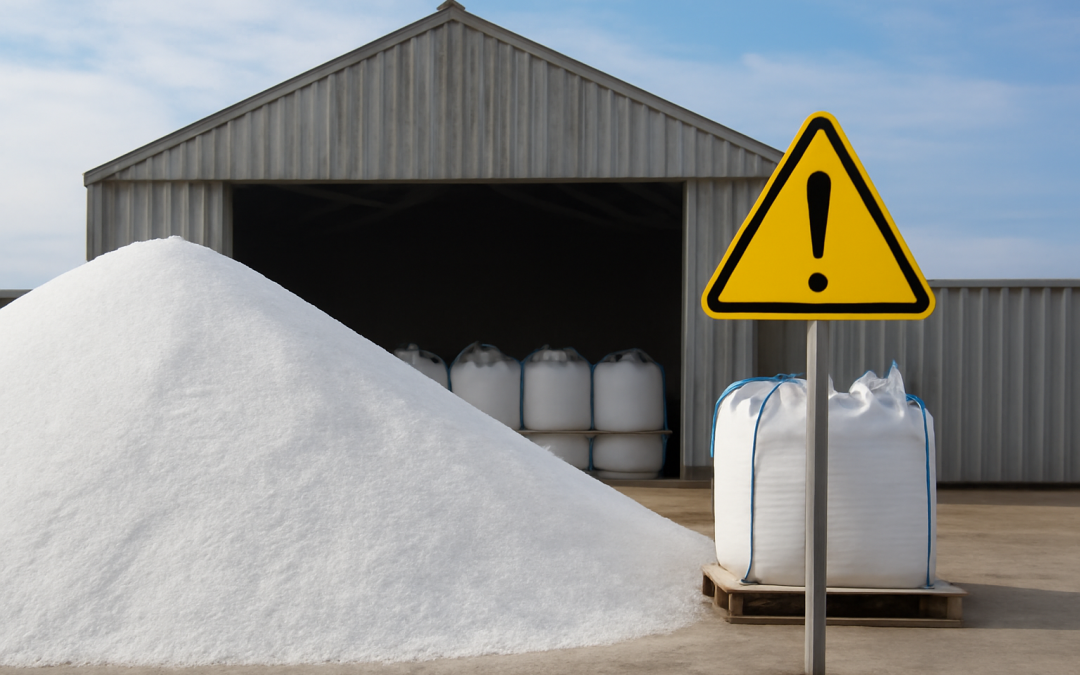
Proper storage of fertilizers is a critical component in maintaining agricultural productivity and ensuring environmental and personal safety. Fertilizers, both chemical and organic, are essential for enhancing soil fertility and crop yields. However, they can pose significant risks if not handled and stored correctly. From contamination and degradation of the product to potential hazards such as fires, explosions, and environmental damage, the consequences of improper fertilizer storage can be severe. It is therefore essential to implement effective storage practices and safety measures to protect human health, property, and the environment.
Fertilizers come in many forms, including solid granules, powders, liquids, and gases, each with unique storage requirements. For instance, nitrogen-based fertilizers such as ammonium nitrate and urea require special attention because of their potential to release harmful gases or react explosively under certain conditions. Organic fertilizers such as manure and composted materials have different concerns, often involving odor control, moisture management, and microbial activity. Regardless of the type, controlling exposure to moisture, temperature fluctuations, and contamination is a universal necessity to preserve their efficacy and safety.
One of the core principles in fertilizer storage is protecting the materials from moisture. Most solid fertilizers are hygroscopic and tend to absorb atmospheric moisture, which can lead to caking, reducing their flowability and making application difficult. Wet fertilizers also lose their nutrient quality over time due to chemical reactions and microbial growth. Moreover, moisture can facilitate the formation of dust that may pose respiratory hazards and increase the risk of fires. Therefore, storage facilities should be designed to minimize humidity, incorporating weatherproof roofs and sealed walls to keep fertilizers dry.
Temperature control plays an equally crucial role in fertilizer preservation and safety. Extremes of heat can cause volatile components within certain fertilizers to decompose, generating toxic gases or creating ignition risks. For example, ammonium nitrate can degrade at elevated temperatures, leading to a dangerous situation including fire or explosion. Cooling solutions, proper ventilation, and spatial planning to avoid heat sources are necessary to maintain a stable environment suitable for fertilizer storage. Temperature insulation can also prevent condensation, which indirectly limits moisture-related problems.
Separation and segregation of different types of fertilizers are vital to avoid dangerous chemical interactions. Mixing incompatible materials such as ammonium nitrate with fuels, organic matter, or chloride salts can trigger combustion or generate toxic fumes. Facilities should clearly label storage areas and maintain physical distance between incompatible substances to prevent accidental contamination or chemical reactions. This segregation not only reduces risks but also facilitates inventory management and product rotation, ensuring older stock is used before new deliveries.
Safety protocols extend beyond the chemical properties of fertilizers to include considerations regarding the storage facility and its proximity to other structures and communities. Fertilizers, especially those based on nitrogen and phosphorus compounds, are highly reactive under certain conditions. Storage warehouses should be constructed using non-combustible materials and equipped with fire suppression systems adapted to the specific risks posed by the fertilizers stored. Additionally, the facility’s location should be chosen to minimize potential impact in case of accidents, with sufficient distance from residential areas, water bodies, and fuel storage to prevent secondary hazards.
Personnel training is a cornerstone of fertilizer storage safety. Workers involved in handling and managing fertilizers must be knowledgeable about the physical and chemical characteristics of the products, the risks involved, and the appropriate emergency procedures. Proper use of personal protective equipment (PPE), correct handling techniques to prevent spills and dust generation, and systematic cleaning routines can significantly reduce health and safety risks. Regular drills and updates on safety standards help maintain a culture of vigilance and preparedness.
Environmental protection is another important consideration in fertilizer storage. Leaking or spilled fertilizers can cause soil and water contamination, affecting ecosystems and human health. Nutrient runoff from storage sites can lead to eutrophication of nearby water bodies, promoting algal blooms and reducing aquatic biodiversity. Therefore, storage locations should incorporate containment systems such as sealed floors, drainage controls, and spill containment barriers to prevent environmental release. Proper waste management, including disposal of damaged or expired fertilizers, is essential to mitigate ecological risks.
Inventory management is integral to maintaining fertilizer quality and safety. First-in, first-out (FIFO) systems should be used to ensure older stock does not degrade beyond usability. Regular inspections for signs of deterioration such as caking, discoloration, unusual odors, or moisture accumulation help in identifying compromised products early. Advanced inventory tracking technology can assist in monitoring storage conditions, alerting to critical temperature or humidity levels, and preventing overstocking, which increases the likelihood of spoilage and hazards.
Combustible dust is an often-overlooked hazard related to fertilizer storage, particularly for dry, powdered formulations. Dust clouds, when suspended in air at certain concentrations, can ignite explosively if exposed to sparks or flames. Therefore, dust control measures such as adequate ventilation, dust extraction systems, and routine cleanup are necessary. Electrical fittings in storage areas should be explosion-proof to prevent ignition from electrical arcs. Minimizing dust generation during handling and transfer through automated and enclosed systems also reduces the likelihood of dust explosions and respiratory exposures.
In terms of emergency preparedness, storage sites must have clear and accessible action plans for fires, chemical spills, and accidental releases. Fire extinguishers suitable for chemical fires, spill containment kits, and emergency showers should be readily available. Communication protocols should be established to alert emergency services and coordinate evacuation if necessary. Drills aimed at familiarizing personnel with emergency responses ensure a swift and effective reaction in critical situations.
Specific regulatory requirements often govern fertilizer storage practices to ensure a standard level of safety and environmental protection. Compliance with local and international standards, such as those set by occupational safety agencies and environmental protection bodies, is essential. These regulations may stipulate storage facility design, permissible quantities, labeling, signage, transportation conditions, and reporting protocols. Staying informed about evolving regulations and participating in industry safety programs enhances operational compliance and reputation.
Technological innovations are increasingly incorporating sensors and automated monitoring systems in fertilizer storage management. These tools provide real-time data on temperature, humidity, and gas levels, enabling early detection of conditions that could compromise safety or product integrity. Integration with alarm systems and automated ventilation controls further improves risk mitigation. Data analytics can guide predictive maintenance and inventory planning, optimizing storage efficiency and reducing waste.
Considering sustainability, some modern fertilizer storage approaches emphasize minimizing environmental impact and energy consumption. Methods include using recycled building materials for storage facilities, implementing rainwater drainage systems that prevent contamination, and utilizing renewable energy for climate control. Encouraging the storage of slow-release and stabilized fertilizers that reduce application rates can also contribute to more sustainable agricultural practices while maintaining safety standards.
Community awareness and engagement are additional elements that support safe fertilizer storage, especially in rural areas where storage facilities might be near population centers. Informing the public about the nature of fertilizers, potential risks, and precautionary measures builds trust and reduces misinformation. Collaborating with local authorities to develop emergency response plans and sharing safety training resources can help communities respond effectively to any incidents, minimizing damage and panic.
In conclusion, fertilizer storage requires a comprehensive approach that balances product preservation, human health, and environmental safety. By carefully controlling moisture and temperature, segregating incompatible substances, implementing robust safety protocols, and adhering to regulatory frameworks, risks can be mitigated effectively. Investment in training, technology, and community collaboration further fortifies these efforts. With proper storage and safety practices, fertilizers can continue to support agricultural productivity without compromising safety and sustainability.