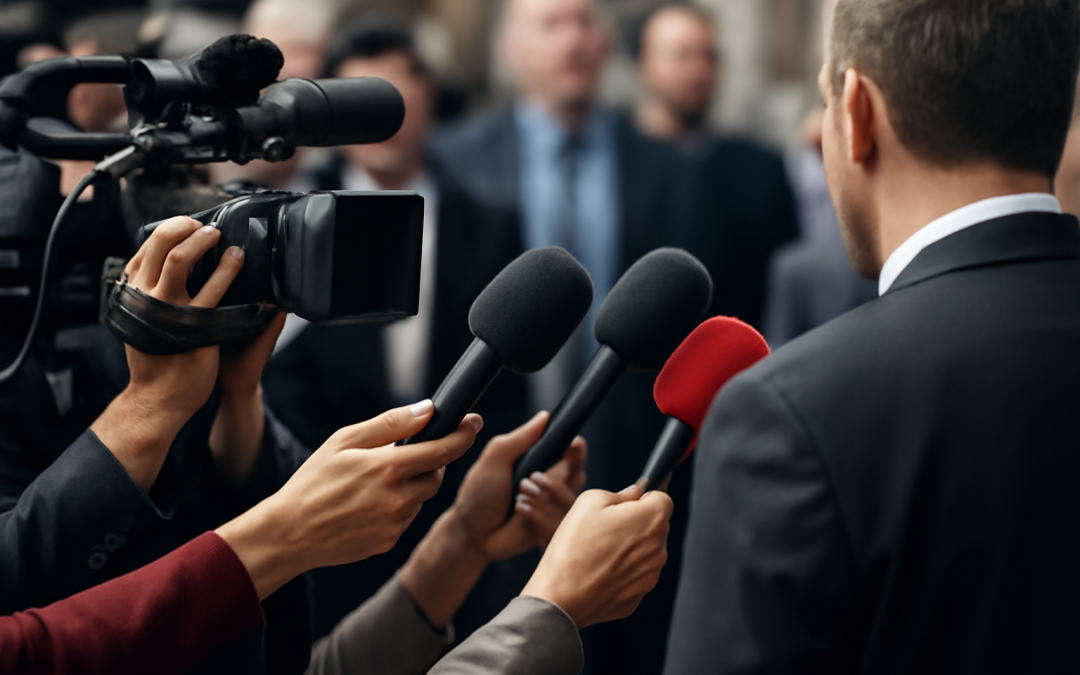
In contemporary political coverage, a certain style of reporting has come to dominate the media landscape—one that focuses more on the performance of candidates in polls, fundraising tallies, and campaign strategies than on the substance of their policies, backgrounds, or qualifications. This style, often referred to as horse race journalism, reduces elections to a competitive spectacle, prioritizing the “who’s winning” aspect over meaningful discussion. While this approach may captivate audiences by evoking the drama and suspense of a race, it carries significant drawbacks that undermine the quality and integrity of political reporting.
At its core, horse race journalism treats elections as sporting events rather than democratic processes. Journalists and media outlets emphasize who is ahead, who is gaining ground, and which candidate is delivering strong messaging, while largely neglecting why voters should care about certain issues or what the candidates actually stand for. As a result, voters receive a distorted view of elections, centered more on personalities and momentum than on policies and governance. This approach creates an environment where electoral contests are framed in terms of strategy and competition, rather than the substantive debates necessary for a healthy democracy.
One of the most persistent issues with horse race journalism is its tendency to oversimplify complex political realities. Instead of exploring detailed policy proposals, analyses of past records, or considerations of leadership qualities, reporters often reduce campaigns to easily digestible narratives focused on poll numbers and the horse race dynamic. Complex social, economic, and international issues become background noise, while polling data and campaign gaffes dominate headlines. This oversimplification does not merely do a disservice to voters but also fosters a shallow political discourse that neglects the depth required to address multifaceted challenges.
Moreover, horse race journalism can inadvertently encourage a form of cynicism and disengagement among the electorate. When political coverage centers on the strategic calculus of campaigns and the fierce jockeying among front-runners and underdogs, it risks painting politics as a game of manipulation rather than a process rooted in ideals and democratic participation. Voters may grow disillusioned or apathetic because they sense that their concerns are overshadowed by sensationalized narratives about momentum shifts or candidate rivalries. Rather than being informed citizens empowered to make thoughtful choices, they become passive spectators, consumed by the drama rather than engaged in the substantive issues.
The impact of this kind of journalism extends beyond voter attitudes to influence the behavior of the candidates themselves. When media coverage emphasizes winning at all costs, candidates often tailor their campaigns to meet those expectations. They may prioritize sound bites, photo opportunities, or tactics that generate favorable poll numbers over substantive discussions about policies. This can result in political messaging that is vague, calculated, or misleading—designed more to capture media attention than to honestly communicate a candidate’s vision. In many cases, issues that are crucial to governance but unpopular or difficult to convey get sidelined in favor of campaign strategies engineered to boost electoral standings.
Additionally, horse race journalism tends to marginalize lesser-known candidates and alternative voices. The press gravitates toward frontrunners or those who show rapid gains in popularity, overlooking smaller campaigns that might offer fresh ideas or address neglected concerns. This media bias not only narrows the public discourse but also perpetuates an echo chamber where only a few dominant narratives receive airtime. This limits the diversity of thought accessible to the electorate and diminishes the democratic ideal of a robust and pluralistic political debate.
The reliance on polling data is another problematic aspect embedded within horse race journalism. Polls are often treated as definitive measures of a candidate’s viability and public support, yet they come with limitations and risks. Polling methodologies vary widely, and results can be skewed by factors such as sampling errors, question wording, nonresponse bias, and the timing of data collection. Relying heavily on these imperfect indicators can mislead both the public and journalists. In some cases, the focus on who is ahead in the polls can influence voter behavior as well, leading to so-called bandwagon or underdog effects that distort the natural course of elections.
Furthermore, the intense focus on competition and drama can contribute to an unhealthy media environment where the pursuit of clicks, ratings, and sensational headlines takes precedence over journalistic responsibility. Horse race coverage tends to favor stories that escalate conflict or highlight surprising reversals, which means that steady, substantive reporting that explains context or holds candidates accountable is often overshadowed. This creates a cycle where media outlets prioritize content that fuels excitement and polarization, rather than fostering informed, nuanced discussions that add value to the democratic process.
Interestingly, this style of journalism may also contribute to widening political polarization. By framing elections in terms of winners and losers and continuously emphasizing conflict between candidates and parties, horse race coverage can reinforce divisive narratives. Instead of highlighting areas of consensus or complex policy tradeoffs, this coverage escalates adversarial postures and deepens partisan divides. Voters become more focused on defeating the opposition than on understanding and addressing shared challenges, weakening prospects for post-election cooperation and governance.
The pervasive presence of horse race journalism complicates efforts to cultivate a well-informed electorate. Democracy relies heavily on citizens making choices based on comprehensive and accurate information about candidates’ positions and values. However, when the bulk of political news reduces elections to strategic battles, voters often miss opportunities to engage critically with essential issues ranging from economic policy to social justice reforms to foreign affairs. This undermines democratic accountability by limiting the public’s ability to hold elected officials responsible for their promises and actions beyond the election cycle.
Efforts to counteract the negative effects of horse race journalism require a conscious shift in both media practices and public consumption habits. Journalists must prioritize in-depth reporting that contextualizes electoral contests and sheds light on policy implications. This involves providing thorough fact-checking, exploring candidates’ histories, and highlighting the consequences of policy proposals rather than merely who has gained or lost ground in polls. Importantly, coverage should also include lesser-known candidates and perspectives to expand the range of ideas presented to the public.
From a consumer standpoint, readers and viewers need to cultivate media literacy skills that enable them to recognize the limitations of horse race coverage and seek out more comprehensive news sources. This means valuing news that explores issues in depth over sensational headlines or quick snapshots of polling data. Education systems and public institutions can aid this process by promoting critical thinking and responsible news consumption, helping citizens discern between entertainment and information in political reporting.
Technological advancements and the growth of social media platforms have also altered the dynamics of political journalism, sometimes amplifying horse race tendencies while creating opportunities for improvement. On the one hand, the constant pressure of the 24-hour news cycle and the virality of short, dramatic content incentivize superficial reporting. On the other hand, digital platforms allow for direct candidate communication, access to raw campaign material, and alternative media sources that can offer richer insights. Harnessing these opportunities requires a commitment from both media professionals and audiences to prioritize depth and accountability.
It is important to recognize that some degree of race-like coverage is inevitable, given that elections do involve competition and strategy. However, the problem arises when this aspect dominates coverage to the exclusion of vital policy discussions and civic engagement. Striking a balance between covering the dynamic nature of campaigns and providing meaningful analysis about governance and societal impact is essential. When journalists succeed in this balance, the public benefits from a more rounded understanding of politics, empowering voters to make informed decisions beyond the spectacle of the race.
In conclusion, the prevalence of horse race journalism presents significant challenges for democratic discourse. By placing disproportionate emphasis on competition, strategy, and polling, this style of reporting diminishes the depth, context, and substance necessary for informed electoral decisions. It fosters superficial public engagement, shapes candidate behavior toward style over substance, marginalizes alternative voices, and risks increasing political polarization. Addressing these issues requires a concerted effort from media producers and consumers alike to reorient political coverage toward comprehensive, nuanced, and informative reporting that serves democratic ideals and strengthens the political process. Only then can the true purpose of political journalism—to inform, educate, and empower—be fulfilled in a meaningful way.