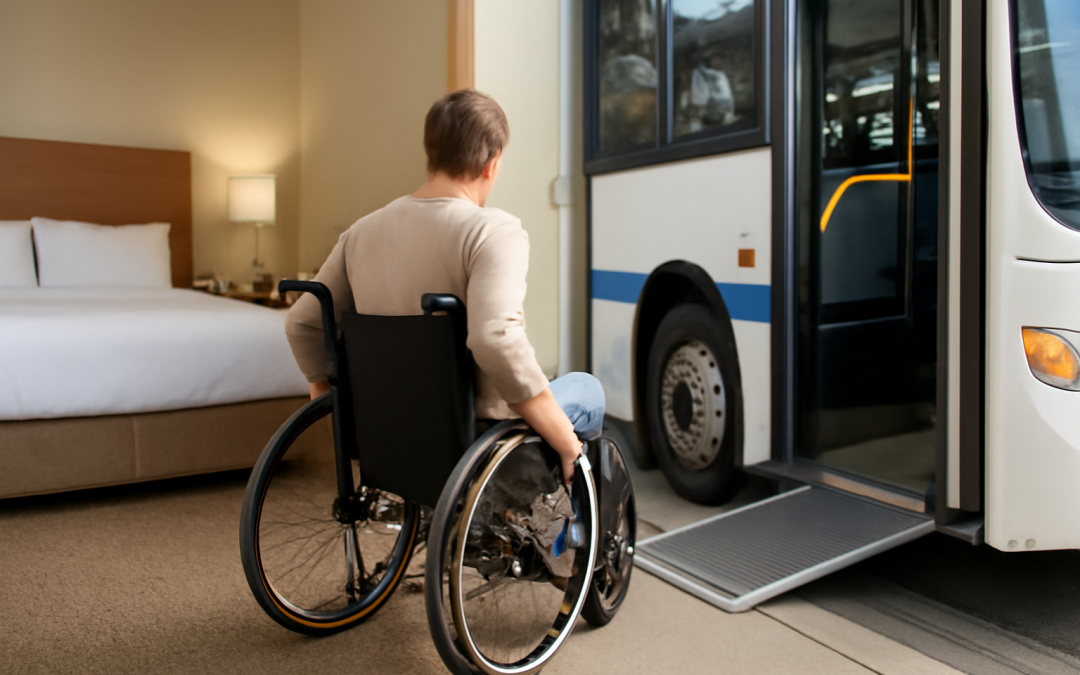
Traveling should be an enriching and enjoyable experience for everyone, regardless of physical ability. However, navigating the world can present unique challenges for individuals with disabilities or mobility concerns. Selecting accommodations and transportation that cater to diverse accessibility needs is essential in ensuring a comfortable and stress-free journey. While the hospitality and transit industries have made strides toward inclusivity, it remains crucial for travelers to be well-informed about how to identify and choose accessible options. Understanding the key factors to look for and asking the right questions before booking can make the difference between a rewarding trip and one filled with unnecessary obstacles.
One of the first steps in choosing accessible hotels and transit involves familiarizing oneself with the type of accessibility requirements that matter most to the individual traveler. Mobility impairments may necessitate features such as wheelchair ramps, elevators, and wider doorways, while visual or hearing impairments might require other accommodations like tactile signage, audio announcements, or visual alerts. Knowing these specific needs helps focus the search on hotels and transportation providers equipped to support them. It’s also helpful to consider the nature of the trip—whether it is leisurely, business-oriented, or involving extended stays—because this influences the kinds of amenities needed in both lodging and transit.
When it comes to accommodations, location plays a pivotal role. A hotel’s proximity to essential services, attractions, and transit hubs can greatly enhance the convenience and independence of travelers with accessibility needs. For example, a hotel situated close to public transportation with accessible features may reduce dependency on costly or less reliable alternatives. Additionally, the surrounding area should offer an accessible infrastructure, including sidewalks, curb cuts, and accessible public spaces. Travelers should research whether these amenities exist and meet their standards, not only inside the hotel but throughout its locale.
Hotel accessibility features vary widely, so it is important to investigate the specific offerings of each property. Many hotels now promote their commitment to accessibility on their websites, providing details about room layouts, bathroom facilities, and in-hotel services designed to aid guests with disabilities. Key aspects include roll-in showers, grab bars, lowered closet rods, and accessible light switches. Confirming the availability of these features through direct communication with hotel staff often yields the most accurate and up-to-date information. Guests should also inquire about the number and location of accessible rooms to understand potential limitations, especially during peak travel periods.
Dining within and around the hotel is another consideration. Accessible restaurants and dining areas with wheelchair-friendly seating, menus in braille or large print, and staff trained in assisting guests with disabilities contribute to a more seamless experience. It is important to assess if room service is available, as this may be a viable option for some travelers. Additionally, the layout of common areas such as the lobby, pools, fitness centers, and lounges should accommodate mobility aids smoothly to prevent exclusion from the hotel’s amenities.
The process of booking an accessible room can sometimes present challenges due to inconsistent standards or limited availability. Making reservations well in advance is advisable, along with clearly communicating any specific needs during the booking process. Documenting requests in writing can serve as a helpful record to refer back to if misunderstandings arise upon arrival. Utilizing websites and services that specialize in accessible travel can also provide a layer of assurance and simplify the search. Reviews and testimonials from other travelers with disabilities offer valuable insights into the real-world functionality of a hotel’s accessibility features.
Selecting the right transit option complements the accessibility offered by hotels. Whether traveling within a city or between destinations, accessible transit ensures that the journey itself is manageable and dignified. Public transportation systems vary greatly in their accommodation of disabilities. Some cities boast fully accessible buses, trains, and taxis equipped with ramps, lifts, and priority seating, while others may be in the early stages of implementing these changes. Researching transit authorities’ accessibility policies in advance allows travelers to choose routes and times that coincide with the availability of accessible vehicles.
For trips requiring air travel, airlines must comply with regulations that guarantee the rights of passengers with disabilities. However, the quality of service and specific accommodations, such as assistance with boarding, wheelchairs, or service animals, can differ. Reviewing airline policies carefully and providing detailed information about mobility devices or medical needs well before departure can prevent complications. Additionally, consulting with customer service representatives about seating arrangements and assistance services can ease the travel process extensively.
Ground transportation other than public transit, such as taxis, rideshares, or car rentals, demands attention to accessibility as well. Many taxi companies and rideshare platforms now offer vehicles fitted with ramps or lifts, but availability is often limited. Confirming this service ahead of time and understanding the procedure to request an accessible vehicle helps avoid last-minute stress. In contrast, renting a vehicle equipped with hand controls or other adaptations can provide independence for travelers comfortable driving themselves. However, additional planning is necessary to ensure the vehicle suits the traveler’s needs and that the rental agency is responsive to any special requirements.
Understanding legal rights and protections plays a crucial role in advocating for accessible accommodations and transit. Many countries have specific legislation—such as the Americans with Disabilities Act in the United States—that mandates equal access and reasonable accommodations. Familiarity with these laws helps travelers recognize when their rights may be violated and provides a framework for addressing concerns effectively. In some cases, lodging establishments or transit providers might not be fully compliant, making it essential for travelers to know how to escalate issues while still focusing on enjoying their journey.
Technology has increasingly empowered travelers with disabilities to make informed decisions regarding their travel arrangements. Numerous apps and online platforms provide comprehensive accessibility ratings, detailed descriptions, and even virtual tours of hotels and transportation services. These resources allow prospective guests to visualize spaces and assess compatibility before committing to reservations. Furthermore, forums and social media groups dedicated to accessible travel foster community connections and shared experiences, offering practical advice and support.
Beyond physical accessibility, the attitude and training of staff at hotels and transportation services substantially impact the experience of travelers with disabilities. Friendly, knowledgeable personnel can provide vital assistance, such as guiding guests, managing mobility devices, or ensuring that specific requests are fulfilled promptly. When researching accommodations and transit options, it is worthwhile to gauge the level of customer service sensitivity toward accessibility. Some establishments invest in specialized training programs for their employees, demonstrating a sincere commitment to inclusivity that goes beyond minimum legal requirements.
Financial considerations also influence the selection of accessible hotels and transit. Although features that support accessibility may sometimes come at a premium, affordable and welcoming options exist in many regions. Travelers should balance cost with the quality of accommodations and transit services, prioritizing safety and comfort. Additionally, certain grants, discounts, or assistance programs might be available through governmental or nonprofit organizations to offset travel expenses related to accessibility needs. Investigating these opportunities before booking can make travel more feasible and enjoyable.
Travel planning for individuals who require accessible hotels and transit involves thoughtful preparation and proactive communication. Starting the process with ample time allows for thorough research and the ability to address any unforeseen obstacles. Creating a checklist tailored to the traveler’s unique requirements helps maintain focus on the most relevant factors throughout the decision-making stages. It also enables comparing options objectively, ensuring that compromises do not adversely affect critical aspects of the trip.
In some cases, partnering with travel agencies that specialize in accessible tourism can streamline the arrangement of accommodations and transportation. These agencies possess an in-depth understanding of accessibility standards and maintain relationships with vetted vendors. Their expertise can facilitate customized itineraries that align with the traveler’s preferences, reduce administrative burdens, and increase confidence throughout the journey. While not necessary for every trip, utilizing such services can greatly enhance travel experiences for those seeking additional support.
Adapting to unexpected situations during travel is another facet of accessible trip planning. Having contingency plans in place, such as alternative lodging or transit options, contributes to resilience if original arrangements fall short. Carrying documentation that outlines one’s disability and specific accommodation needs may expedite assistance from service providers encountered along the way. Moreover, maintaining open lines of communication with hotels and transit authorities helps manage challenges promptly, often resulting in satisfactory resolutions.
Inclusivity in travel benefits not just those with disabilities but the broader community by fostering empathy, understanding, and greater diversity in social experiences. Advocating for and choosing accessible hotels and transit contributes to a growing market demand, encouraging the industry to continue improving infrastructure and services. As awareness increases, travelers with varying abilities can look forward to more opportunities to explore the world with dignity and independence.
Ultimately, making informed choices about hotels and transit requires careful consideration of accessibility from multiple angles—physical, logistical, legal, and experiential. Prioritizing features that directly affect comfort and safety paves the way for memorable and fulfilling travel. By taking the time to research, communicate clearly, and leverage available resources, travelers with accessibility needs can confidently embark on journeys that respect their independence and enhance their enjoyment. The effort invested in this preparation lays a foundation for a more inclusive travel environment, benefiting individuals as well as the hospitality and transportation sectors alike.