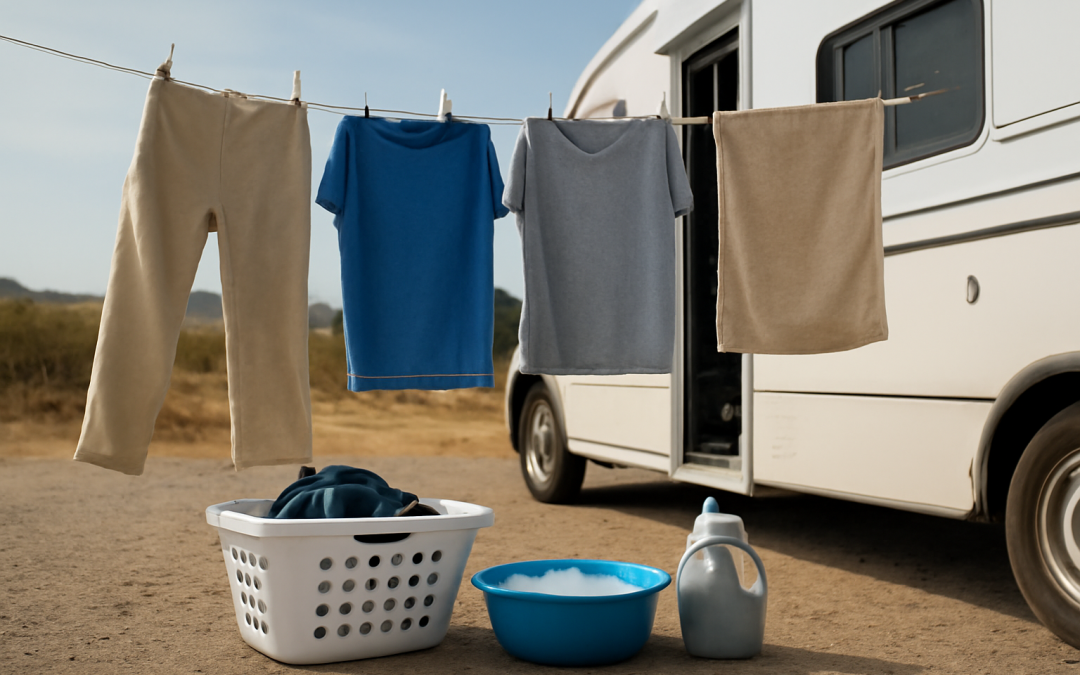
When you’re traveling, whether for a weekend getaway or an extended road trip, managing clean clothes can quickly become a challenge. Staying fresh and comfortable relies heavily on having a reliable way to do laundry on the road. Unlike the comforts of home, the absence of a washing machine or the convenience of a laundry room means you need to adapt your methods and thought process. Fortunately, there are a variety of practical strategies and tips that make it easy to keep your wardrobe clean while away from home, ensuring your journey remains enjoyable and hassle-free.
One of the biggest concerns when traveling is space, and laundry can seem like an added burden. Carrying more clothes than necessary is impractical, but so is traveling light and wearing the same outfits repeatedly. The key is finding a balance through effective laundry routines that fit your travel style. Many travelers avoid packing heavy or bulky items by planning periodic laundry stops. Some rely on laundromats or hotel laundry services, while others become more self-sufficient with portable solutions. Identifying where and how often you’ll clean your clothes before setting out helps streamline packing and keeps your luggage manageable.
When accessible, laundromats offer one of the simplest options for washing clothes. They are widespread in most cities and towns, featuring coin-operated machines that handle large loads quickly and efficiently. Learning how to find laundromats in unfamiliar locations is crucial—apps like Google Maps or specialized laundry finder apps can be valuable tools in this regard. While laundromats are the most familiar choice, there are additional considerations, such as costs, security, and time. Setting aside time in your itinerary to complete laundry tasks prevents last-minute stress and ensures you always have clean clothing on hand.
For those who prefer the convenience of laundry services offered by hotels or hostels, it helps to understand the cost and turnaround time. Some accommodations have in-house laundry options, often priced per item, which can add up quickly but save time. Alternatively, many lodging options partner with local laundry services, offering pickup and delivery options that can be especially handy in urban areas. This service is more expensive than DIY washing but ideal for travelers without access to self-service laundromats or those seeking to save time on the road.
If visiting laundromats or using hotel services isn’t feasible, becoming adept at washing clothes yourself is a valuable skill. Washing clothes by hand can be surprisingly effective, especially for small items or delicate fabrics. Carrying a small supply of detergent, sink stopper, and a travel clothesline can make a huge difference. Even minimal setups enable you to wash essentials overnight or during breaks in your travels. For light wash cycles, simply soak clothes thoroughly, gently rub away dirt, and rinse with clean water. Knowing how to hand wash can cut down on the number of clothes you need to pack and keep you feeling clean and comfortable.
Traveling in a camper, RV, or with motorhomes introduces the opportunity to install portable washing machines. Compact, lightweight, and specifically designed for travel, these appliances use less water and power than traditional machines. While these devices do require some initial investment and space, they provide the greatest independence by allowing frequent, in-route laundry. Many models run on 12V power sources, making them compatible with vehicles. Using a portable washing machine cuts dependence on external facilities and gives travelers flexibility to adjust laundry routines without modifying travel plans.
Drying clothes is often an overlooked aspect of laundry on the road. While washing is crucial, clothes that don’t dry properly can develop odors or mildew. When you don’t have a reliable dryer, planning alternate drying methods becomes essential. Portable clotheslines and retractable drying racks work well for those who camp or lodge with limited laundry facilities. Hanging clothes in direct sunlight, ideally outdoors or near a window, is an effective natural dryer. In environments where humidity or rain poses problems, drying inside with a small battery-powered fan can help. For those traveling by car or RV, creating dry air circulation within the vehicle can accelerate drying times.
Selecting the right clothing significantly impacts how manageable laundry is during travel. Packing lightweight, quick-drying fabrics allows easy washing and faster drying times. Synthetic fibers like nylon or polyester blends are popular choices as they resist stains and dry quickly. Merino wool is another excellent option—it naturally resists odors, regulates temperature, and can be worn multiple times between washings. Choosing clothing that doesn’t wrinkle easily also saves time and effort in maintaining neatness. Focusing on versatile, multi-functional garments reduces the quantity of clothing needed and lessens laundry frequency.
In addition to washing and drying, storing dirty laundry properly prevents odors and contamination in your luggage. Using separate compartments, zippered bags, or waterproof sacks for soiled clothing keeps them isolated from clean items. Antibacterial laundry bags or odor-controlling sachets add another layer of protection when freshening up clothes isn’t immediately possible. Organizing laundry storage helps keep your belongings tidy and fresh, making it easier to find items and suitcase management throughout your travels.
Laundry supplies tailored for travel differ from regular household detergents. Concentrated travel detergents or soap sheets are lightweight and easy to carry, eliminating the bulk of liquids or powders. These products are formulated to be skin-friendly and effective in cold water, which is often all that’s available. Some travelers prefer multi-purpose detergent sheets that can also double as hand soap, conserving space and weight. Including a small scrub brush or a portable laundry bar soap can assist in treating stains on the spot. Compact and efficient laundry supplies ensure preparedness for any laundry situation during the journey.
When adventure calls for remote or off-grid locations without access to laundry machines, innovative solutions such as gear specifically designed for travel laundering come into play. Scrubba bags, for instance, are portable washing bags with internal ridges that mimic a washing machine’s agitation. All you need is water, detergent, and some manual effort to wash clothes effectively in a matter of minutes. These devices are lightweight and collapsible, making them ideal for hikers, backpackers, and anyone far from conventional amenities. Their efficiency means you can maintain hygiene standards without disrupting your travel itinerary.
Time management around laundry tasks is often overlooked, but integrating laundry days into your trip planning can mitigate worry and frustration. Allocating half a day or full day for washing, drying, and folding clothes keeps the process from interfering with sightseeing or relaxation. Consider combining laundry days with rest stops or less active days to maximize efficiency. Preparing an annual or biweekly laundry routine depending on the length of travel helps ensure you never run out of clean essentials. Structuring laundry as part of your trip plan alleviates stress and promotes a balanced travel experience.
In scenarios where laundry options are extremely limited, minimizing laundry needs altogether becomes important through strategies such as wearing base layers multiple times or utilizing odor-neutralizing sprays between washes. This approach prolongs the freshness of clothing without sacrificing cleanliness. Some travelers choose quick-change options, such as packing additional undergarments while washing outer layers less frequently. Others adopt a capsule wardrobe philosophy, emphasizing quality over quantity with versatile and easily washable items. Mindful clothing choices combined with effective cleaning methods make traveling lighter and more sustainable.
Taking precautions with delicate fabrics and specialty items is crucial on the road. Certain clothing requires gentle handling or specific detergents and temperatures. Reading garment care labels before starting any washing process protects against damage or shrinkage. When in doubt, washing by hand in cold water is generally safer than machine washing for fragile items. Storing these clothes separately and avoiding harsh detergents preserves their condition. Planning around these special care needs prevents disappointment and extends the usability of your travel wardrobe.
Proper hygiene extends beyond clean clothes to include dealing with dirty laundry responsibly. Disposing of dirty water used for washing in an environmentally friendly manner is essential, especially in natural or protected areas. Avoid dumping water containing detergents near water bodies or plants. Instead, use designated waste areas or disperse water on non-sensitive grounds. Many detergent manufacturers offer biodegradable and eco-friendly options, which help minimize environmental impact. Being conscientious about laundry waste reflects respect for the places you visit and supports sustainable travel practices.
Ultimately, mastering laundry on the road contributes to a more comfortable, stress-free travel experience. By combining planning, the right tools, and adaptable strategies, travelers can maintain cleanliness without interrupting their adventures. Whether it’s relying on local laundromats, using portable washers, or washing by hand, understanding the options and best practices ensures your wardrobe stays fresh no matter where you roam. Confidence in managing laundry needs enhances your freedom to explore and enjoy every moment of your journey. Clean clothes make for happy travelers, and with thoughtful preparation, keeping them can be as simple as packing your sense of adventure.