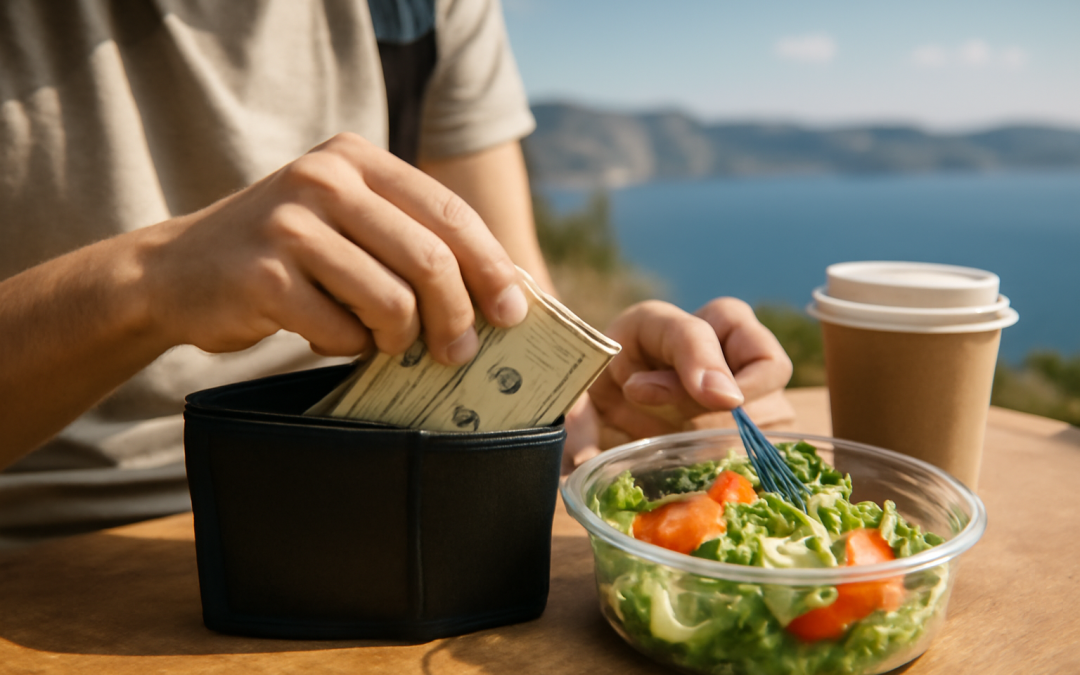
Eating well while traveling can be a delightful experience, but it often comes with a hefty price tag that can strain even the most careful budgets. Many travelers find themselves splurging on meals that quickly add up, taking away from other memorable opportunities during their trip. Fortunately, there are practical and effective ways to save money on food while exploring new destinations without compromising taste or nutrition. By adopting a few smart habits and strategies, it is possible to enjoy satisfying meals and immerse oneself in local cuisine without overspending.
One of the most straightforward methods to cut food costs is to plan ahead. When travelers take the time to research grocery stores, markets, and affordable eateries before arriving at a destination, they gain a clearer sense of where to find value. Many cities and towns boast vibrant local markets where fresh produce, baked goods, and ready-to-eat items are sold at prices far lower than those found in tourist-heavy restaurants or convenience stores. Packing a small cooler or investing in a portable food container can also extend the life of perishable purchases, making it easier to prepare meals on the go.
Cooking for oneself, especially when accommodation options include kitchen facilities, is an excellent strategy for saving money on food. Staying in hostels, guesthouses, or vacation rentals with a kitchen allows travelers to buy ingredients and prepare homemade meals rather than relying on dining out multiple times a day. Simple recipes using local ingredients not only reduce expenses but also create a more authentic experience of the region’s flavors. Even preparing lightweight meals like sandwiches, salads, or pasta at a minimal cost can drastically decrease daily food expenditures.
Another valuable tip is to avoid eating in areas heavily frequented by tourists. Restaurants located near major attractions or in city centers often charge a premium for the convenience of their location. Instead, venturing a few blocks away or into neighborhood districts leads to discovering eateries that cater mainly to locals, where prices are more reasonable and portions generous. These hidden gems frequently offer traditional dishes that provide a genuine taste of the local culture rather than generic, tourist-focused menus.
Taking advantage of street food and food stalls is a wonderful way to sample local cuisine without breaking the bank. Street vendors often serve delicious, freshly prepared meals at a fraction of the price of sit-down restaurants. In many countries, street food forms an essential part of the food culture and represents an affordable way to eat a wide variety of dishes. When choosing street food, it’s important to observe hygiene practices and seek out vendors with high turnover to ensure freshness and safety.
Timing meals strategically can also help reduce costs. Many restaurants offer lunch specials or set menus that include several courses at a discounted rate compared to their dinner offerings. Eating the main meal during lunchtime, rather than dinner, can be a smart way to enjoy higher-quality food at a lower cost. Additionally, scheduling snack breaks before or after a smaller meal can prevent overbuying or overeating, further limiting unnecessary food expenses.
Carrying snacks while exploring or touring is a small yet effective money-saving tactic. Purchasing small items like nuts, dried fruit, or granola bars from supermarkets before heading out can help avoid the need to buy more expensive snacks from convenience stores or tourist shops. This approach not only saves money but also ensures that energy levels remain stable throughout the day, making it easier to enjoy activities without hunger interruptions.
Leveraging loyalty programs, discounts, and coupons is another avenue worth exploring. Some grocery chains and restaurant groups offer loyalty cards or discount programs that provide savings on food purchases. Travelers can use apps or websites dedicated to deals and coupons to find promotions in their destination city. Signing up for local newsletters or following eateries on social media might also grant access to exclusive offers not available to casual passersby.
When dining out, consider sharing portions or ordering tapas-style dishes, particularly in places where meals tend to be large and shareable. This method effectively reduces individual expenses while allowing the chance to taste a broader variety of dishes. Many cultures encourage communal eating, and taking advantage of this tradition can make meals more affordable and sociable. Splitting costs between travel companions can result in substantial savings over a multi-day trip.
Another overlooked strategy is to drink water instead of ordering beverages such as soda, juice, or alcoholic drinks that tend to increase the total bill significantly. Carrying a refillable water bottle and filling it at public fountains or safe tap water sources can reduce spending while keeping hydration priorities intact. Avoiding costly drinks not only lowers the overall food budget but also supports a healthier diet during travel.
Farmers’ markets are a treasure trove for fresh, local produce at reasonable prices. Buying directly from growers often results in better prices than supermarket chains, and the produce is typically fresher and more flavorful. Markets also provide an opportunity to learn about seasonal specialties and try exotic fruits or vegetables not commonly found elsewhere. Packing a few simple cooking staples alongside the fresh ingredients can maximize enjoyment and reduce reliance on eating out.
Street fairs and food festivals, when available, offer opportunities to taste a wide array of foods in one place at moderate prices. Attending such events is a fun and culturally rich way to experience the local gastronomy, sometimes featuring deals and portions scaled for sampling rather than full meals. Planning travel schedules around these events can be an enjoyable and budget-friendly way to savor the best tastes of a region.
Understanding portion sizes and avoiding over-ordering can prevent waste and unnecessary expenditures. Restaurant portions abroad can be surprisingly large, especially in certain countries. Being mindful of appetite and ordering quantities that satisfy without excess contributes to a more economical meal. Learning to request “half portions” or “to-go” services can also help manage meal sizes and extend the enjoyment of food without forcing immediate overeating.
Exploring ethnic grocery stores and international markets in larger cities opens the door to affordable and diverse food options. Such shops often carry items imported from various parts of the world at competitive prices compared to specialty stores. Preparing meals with ingredients from these stores can bring variety to travel menus while maintaining a low budget. It also offers the chance to experiment with new flavors and cooking techniques.
Travelers should also pay attention to the local beverage culture. In some countries, tea or coffee is widely available and inexpensive, serving as an affordable alternative to heavier meals or snacks. Taking advantage of street-side cafes or small neighborhood coffee shops rather than upscale tourist cafés can greatly reduce daily spending on drinks. Opting for local specialties that are inexpensive and readily accessible enhances the cultural experience and wallet alike.
When exploring more remote or rural destinations, it can be helpful to stock up on essentials in nearby towns with supermarkets before heading into less developed areas where food prices are often inflated due to transport costs. Having a well-prepared food supply reduces the need to eat at overpriced establishments or buy expensive packaged foods. This preparation empowers travelers to eat healthily and economically even in less accessible locations.
Finally, embracing a mindset that prioritizes the experience of dining over lavish spending can transform how food is approached while traveling. Being open to trying less expensive, unconventional meals, engaging with locals over shared meals, or purchasing street snacks can provide authentic and memorable experiences. Balancing the desire for culinary adventure with budget realities ensures that money saved on food can be directed toward other aspects of the trip, creating a richer overall experience.
In conclusion, saving money on food during travel requires thoughtful planning, awareness of local eating habits, and a willingness to adapt to new ways of dining. By cooking some meals independently, seeking out markets and street food, timing purchases judiciously, and making mindful choices about where and what to eat, travelers can stretch their budgets significantly. Not only does this approach conserve financial resources, but it also deepens one’s connection to the destination by encouraging immersion in authentic culinary customs. Ultimately, smart food spending frees up funds and energy for more meaningful exploration and enjoyment throughout the journey.