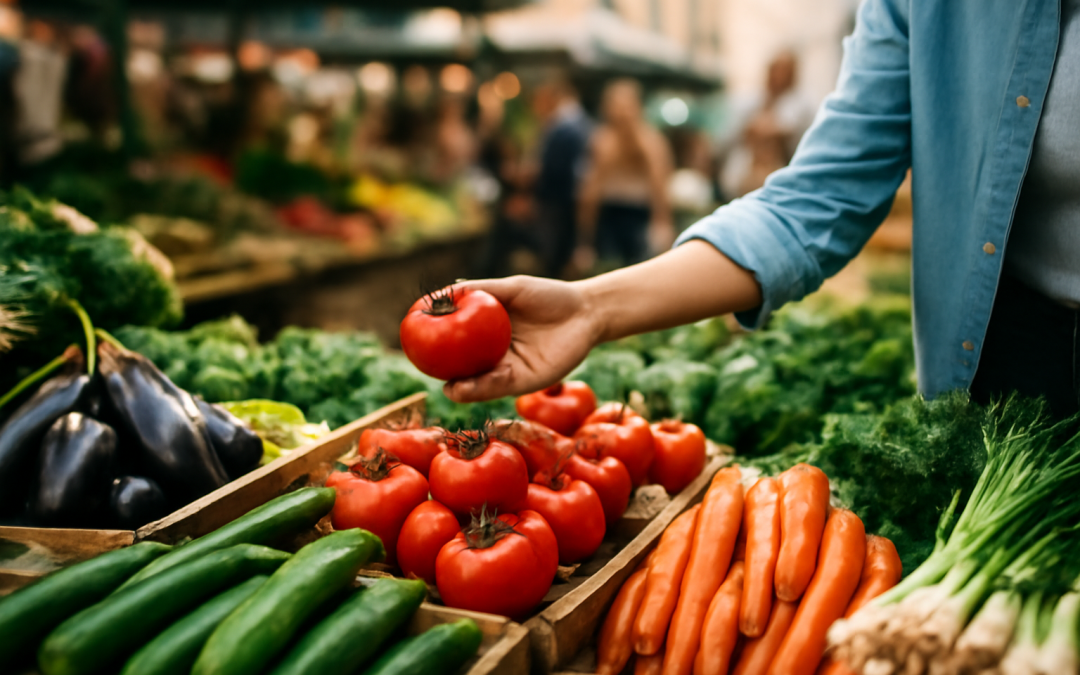
Finding affordable and nutritious meals can sometimes feel like a daunting task, especially when grocery prices steadily rise and dining out becomes expensive. However, one effective and enjoyable way to stretch your food budget is by exploring local markets. These bustling hubs are treasure troves of fresh produce, unique ingredients, and often, deeply discounted items. By learning how to navigate and utilize local markets effectively, it is possible to create delicious meals that won’t break the bank while also enjoying the freshness and diversity that these markets offer.
Local markets typically feature a wide variety of fresh fruits and vegetables, often sourced directly from nearby farms. This proximity to the source not only guarantees freshness but can also result in lower prices compared to supermarket chains. Farmers and vendors are eager to sell their products and may even offer discounts toward the end of the day to avoid wastage. When you shop early in the morning, you have the first pick of the best produce. If you go later in the afternoon or evening, you might find bargains as sellers look to clear out stock before closing. Being flexible with your shopping times and open to seasonal produce can significantly reduce your grocery spending.
One of the main advantages of buying from local markets is access to a variety of seasonal ingredients. Seasons dictate what’s abundant, and when you plan your meals around what’s readily available, you not only enjoy peak flavor but also benefit from the lower prices that come with high supply. For example, buying tomatoes during summer when they are in full harvest is far cheaper than purchasing them out of season at a supermarket. Adapting to what’s in-season encourages creativity in the kitchen and helps you avoid costly imported items that supermarkets tend to stock year-round.
Apart from fresh produce, local markets often offer unique ingredients that can add flair and nutrition to your meals without an extravagant price tag. Specialty spices, locally made cheeses, baked goods, legumes, and even fresh herbs are frequently available, allowing you to diversify your culinary repertoire. Small vendors often sell in smaller quantities, which means you can buy exactly what you need without overbuying and risking waste. This kind of shopping behavior not only saves money but also minimizes food waste, an added environmental benefit.
Additionally, local markets frequently have stalls selling ready-to-eat or prepared foods at reasonable prices. These options can be excellent for busy days or when you want to sample something new without committing to a full cooking session. Street food or market snacks often reflect regional tastes and traditions, offering a rich gastronomic experience. While these items are usually inexpensive, it’s worth asking vendors about ingredients and freshness to ensure you get the best value for money and a nourishing meal.
Building relationships with the market vendors can further enhance your ability to get cheap meals from local markets. Sellers often appreciate repeat customers and may offer special deals or reserve goods for those who return regularly. Establishing a rapport also allows you to ask for advice on how to prepare unfamiliar ingredients or get suggestions for bargain items. Over time, these connections can make your shopping experience more enjoyable and economical, as vendors sometimes provide discounts off the record or alert you to upcoming sales.
When shopping at local markets, it’s important to come prepared. Bringing reusable bags is not just environmentally sound but practical, as you’ll likely purchase fresh produce and other loose items. Carrying cash is also advisable, as many vendors might not accept cards, and having the exact change can speed up transactions. Making a shopping list based on your planned meals for the week helps avoid impulse purchases and ensures you only buy what you need. This method is crucial for maximizing savings and preventing waste, as local markets can be tempting with their vibrant displays and variety.
Cooking techniques can complement local market shopping to maximize meal affordability. Utilizing batch cooking and meal prepping with fresh market ingredients can save time and money. For instance, large quantities of seasonal vegetables can be roasted or stewed and portioned into meals throughout the week, stretching expensive ingredients further. Incorporating grains, legumes, and pulses minimizes the need for costly proteins while keeping meals filling and nutritious. Many market finds, like root vegetables or hearty greens, work well in slow-cooked dishes that develop rich flavors and offer satisfying meals on a budget.
Another aspect to consider is the cultural richness embedded in local markets. These venues often showcase ingredients and recipes influenced by the heritage of their communities. Exploring these flavors allows you to experiment with inexpensive recipes that are both tasty and novel. For example, in many markets, you can find affordable beans, spices, and fresh greens that form the basis of traditional stews and soups. Engaging with this culinary diversity not only saves money but broadens your palate and makes cooking an adventurous pursuit rather than a chore.
Local markets can be a great place to source meat and seafood as well, often at prices below those found in supermarkets. Many vendors offer fresh catches or cuts that are trimmed and sold at competitive rates. Shopping for these items at market stalls can also give you more control over the quality and quantity you purchase. Some markets have designated days or times when these products are offered at a discount, especially if the vendor needs to move inventory quickly. Taking advantage of these opportunities requires attentiveness but can lead to substantial savings on protein, a significant component of many meals.
Moreover, local markets encourage sustainability and community support, aligning with the values of conscious consumers aiming to reduce their carbon footprint and help local economies. When you purchase directly from local producers, you cut down on the transportation and packaging costs that usually translate into higher retail prices. Supporting these vendors contributes to the preservation of small-scale farming and artisanal food production, which is vital for maintaining diverse food systems. Embracing this sustainable approach further validates your investment in local markets, knowing it promotes both your wallet’s health and the planet’s well-being.
Saving money on meals by using local markets involves a mindset shift toward embracing freshness, seasonality, and community connection. While supermarkets cater to convenience and uniformity, local markets offer unique opportunities to buy nutritiously dense foods at lower prices, proving that cheap meals can be enjoyable and rewarding. With patience to explore, a willingness to learn from vendors, and a strategic approach to meal planning, anyone can harness the benefits local markets provide. The rich sensory experience of these vibrant markets adds an intangible value to your cooking and eating habits, enhancing your overall enjoyment of food.
In summary, harnessing the potential of local markets for inexpensive meals is an effective way to combat rising food costs while enriching your diet. Shopping smart by choosing seasonal produce, building vendor relationships, and preparing versatile meals from fresh ingredients creates a sustainable cycle of affordability and quality. It may require adapting your eating habits to what is locally and seasonally available, but this adaptation promises a healthier, more varied diet at a fraction of the cost. The joy of wandering through stalls filled with colorful produce, the satisfaction of crafting meals from fresh ingredients, and the cultural connections formed at these markets are gifts beyond simple savings. These experiences not only nourish the body but also cultivate a deeper appreciation for food and community, making this approach to dining undeniably worthwhile.