The power of visual art often lies in its ability to transcend the boundaries of its medium, inviting viewers to experience motion, emotion, and depth within a single static image. Among the most fascinating techniques artists employ is the creation of implied motion in still art—a method that breathes life and dynamism into compositions without any actual movement. This skillful suggestion of motion engages the viewer’s imagination, making pictures feel alive and vibrant even though they remain physically still. Understanding how implied motion works in still art reveals not only artistic ingenuity but also offers deeper insight into visual storytelling and human perception.
At its core, implied motion refers to the deliberate use of compositional elements to create the illusion or suggestion that movement is occurring. While the artwork itself does not move, lines, shapes, poses, and contrast become cues that activate the viewer’s mind to perceive motion. This technique can evoke energy, tension, or tranquility depending on how it is employed, enhancing the emotional and narrative impact of the piece. From Renaissance paintings capturing a fleeting moment in mythological stories to modern photography frozen at the height of a race, artists have mastered implied motion to transform stillness into a vibrant experience.
One of the fundamental ways implied motion is established is through gesture. The human eye instinctively follows lines and forms that suggest direction and flow. In figure drawing or portraiture, the pose of a subject can communicate whether they are leaping, running, or about to burst into action. For instance, the positioning of limbs at sharp angles or the arching of the body often indicates an imminent or ongoing movement. The tension or relaxation in muscles, the tilt of the head, and the gaze direction further reinforce this sense of motion. Artists meticulously craft these gestures to imply that time is passing beyond the frozen moment, capturing the narrative of motion in a single frame.
Another essential tool is the use of directional lines and shapes within the composition. Diagonal lines, in particular, are highly effective in alluding to motion since they naturally guide the viewer’s eye across the artwork in a dynamic way. When diagonals appear as brushstrokes, architectural elements, or natural forms like waves or windswept trees, they create a powerful sense of movement pushing through or across the scene. Curved lines can suggest fluidity and grace, often used to imply the swirling of fabric, wind, or water. The careful orchestration of these lines creates a visual rhythm that mimics the ebb and flow of real motion, turning a two-dimensional surface into a story of movement.
Color and contrast play significant roles in enhancing the effect of implied motion. Artists can manipulate color gradients, light, and shadow to create a sense of depth and direction. For example, brighter hues in one part of a composition paired with fading tones towards another can simulate the blur of speed or the focal point of an action. Chiaroscuro, the contrast of light and dark, can highlight movement by illuminating a figure in mid-stride or casting dramatic shadows that suggest activity beyond the immediate scene. Additionally, contrasting textures may imply the varying speeds or intensity of motion—soft, flowing textures might embody slow, elegant movement, while jagged, sharp edges could indicate sudden or violent action.
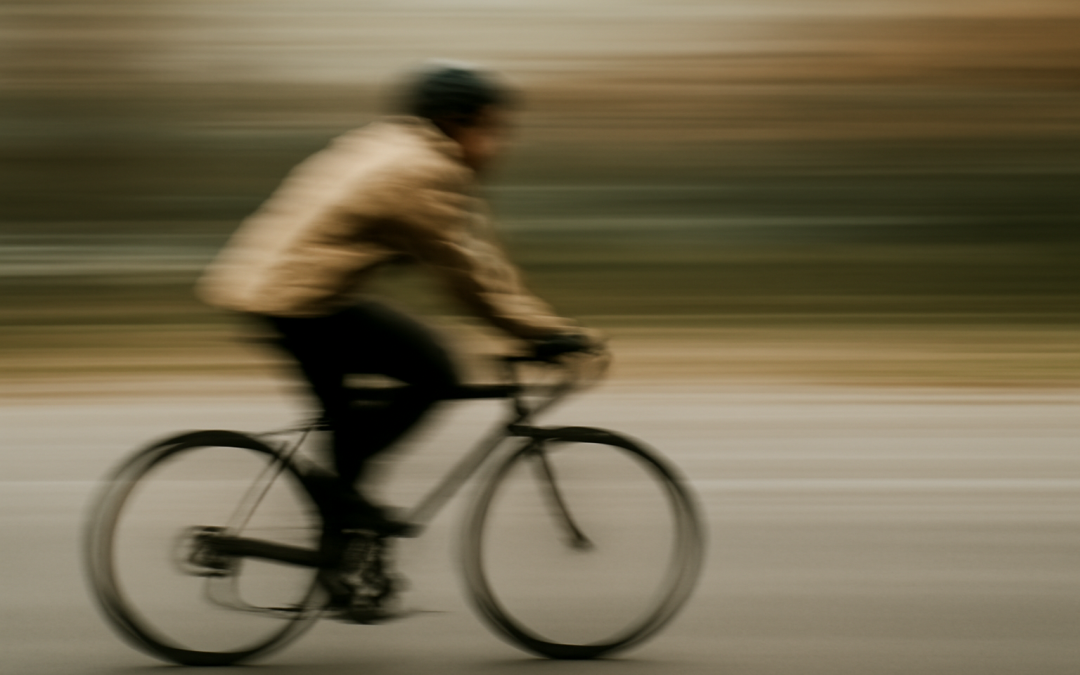
Blur effects and repeated shapes within a single image can also convey the passing of time and the illusion of movement. Some artists employ blurred contours or overlapping figures to simulate how the human eye perceives rapidly moving subjects. This technique draws upon the phenomenon of motion blur in photography but adapted in painting or drawing to suggest a sequence of action. Futurist painters of the early 20th century, for example, famously used repeated angles and forms to visualize the speed and energy of industrial-age progress and motion. By illustrating multiple positions of a figure or object in one frame, they created a visual narrative that defies the limitations of stillness and embodies the passage of time.
The spatial arrangement of elements within a composition is often key to fostering implied motion. Overlapping, skewed perspectives, and varying scales between objects can provide cues that some parts of the image are moving toward or away from the viewer. Foreground elements seeming to encroach upon the viewer’s space while background forms recede can enhance the sensation of movement through depth. This plays on the psychology of how humans interpret spatial relationships and movement in three dimensions. When artists skillfully manipulate perspective, they invite the audience into an environment where motion seems palpable, even as the scene itself remains immobile.
One of the most compelling demonstrations of implied motion in still art involves scenes of natural forces. Depictions of wind rushing through trees, water cascading over rocks, or clouds hurrying across the sky all rely on visual cues to suggest invisible energy in action. In these compositions, the interplay of line, texture, and color illustrates motion that cannot be captured in a single instant but is instead conveyed through the artist’s understanding of nature’s rhythms. Techniques like streaked brushwork, sweeping curves, and repetitive patterns work in harmony to evoke the dynamic qualities of these forces, making viewers feel the rush, turbulence, or serenity of natural motion.
Motion in art is not solely relegated to action or kinetic energy; it can also convey emotional momentum. The sense of a moment unfolding in time, filled with tension or anticipation, creates a psychological impression of motion. Portraits where a subject’s gaze or subtle bodily shifts suggest a narrative about to evolve can be profoundly compelling. Artists use implied motion here to evoke curiosity or empathy, guiding the viewer through the inner life of characters without any literal movement. The energy contained within the stillness provokes a deeper engagement, as viewers mentally complete the narrative or imagine what happens next.
Historical context reveals how implied motion has evolved and been interpreted across different art movements. In classical art, capturing a heroic or divine moment often meant illustrating mythological figures in mid-action poses. Michelangelo’s David, for example, embodies the tension before combat, muscles coiled and eyes focused, creating a powerful sense of imminent movement. The Baroque period, with its emphasis on dramatic effects and emotional intensity, employed sweeping gestures, swirling drapery, and energetic compositions to intensify the illusion of motion. Later, Impressionists experimented with light and brush strokes to capture fleeting moments of daily life, where implied motion emerged from the composition’s vibrancy and transient quality.
With the rise of photography, the understanding and representation of motion in still imagery took on new dimensions. Early long-exposure photographs captured the blur of movement, emphasizing the fleetingness of time similar to some painting techniques. Artists later incorporated these photographic insights into their work, reflecting motion not just as a static suggestion but as an integrated visual experience marking temporal change. Motion studies by pioneers like Eadweard Muybridge and Étienne-Jules Marey documented movement in sequences that greatly influenced how artists conceptualized and rendered motion, enriching artistic vocabulary for implied motion.
In contemporary art, implied motion continues to evolve, blending traditional techniques with new media and conceptual approaches. Digital art, for example, can exaggerate or simulate motion effects that blur the boundaries between still images and animation. Contemporary painters and illustrators further explore abstract forms and fragmented compositions to evoke kinetic energy and shifting perspectives. Despite the technological advancements, the fundamental principles remain consistent—line, form, color, and composition continue to be the core drivers that lead viewers to perceive movement where there is none.
Understanding the psychology behind implied motion helps explain its enduring appeal. Human perception is wired to interpret certain visual cues as indicators of movement, likely an evolutionary adaptation important to survival. When motion is suggested in art, the brain fills in the gaps, predicting the continuation of movement and creating a compelling illusion. This interaction between artwork and viewer turns viewing into an active experience rather than passive observation. It stimulates curiosity, imagination, and emotional response, making still images dynamically engaging.
Artists also leverage the contrast between stillness and implied motion to heighten emotional impact or narrative tension. The juxtaposition creates a moment of suspended time—a powerful pause that feels charged with potential energy. This momentary suspension can heighten drama, provoke reflection, or emphasize the beauty of a fleeting gesture. The balance between suggesting too much and too little motion makes this a delicate art; when done skillfully, it invites endless contemplation and interpretation.
One cannot ignore the cultural and symbolic meanings tied to motion in art. Implied motion often represents themes of change, transformation, or progress, reflecting life’s inherent flux. The suggestion of motion may symbolize the passage of time, human struggle, aspiration, or spiritual transcendence. Depending on the context, it can denote chaos or harmony, freedom or constraint. Thus, it carries meanings beyond visual technique alone, connecting deeply with human experience, philosophy, and storytelling.
Educational practices in art frequently emphasize mastering implied motion to develop a richer visual language. Students learn how to analyze the effects of line, shape, and gesture on perceived movement within compositions. Understanding how different cultures and historical periods treated the concept of motion also broadens appreciation and creativity. Ultimately, learning the principles of implied motion opens pathways to expressing complex narratives and emotions through images, enriching both the creator’s and viewer’s relationship with art.
In conclusion, the artful creation of implied motion infuses static images with vitality and depth, transforming everyday perceptions into profound visual experiences. It is a testament to the artist’s ability to manipulate form, color, and composition in harmony with human psychology to evoke movement where none exists physically. Through gestures, lines, contrasts, and spatial cues, implied motion invites viewers to engage with images on multiple levels, turning stillness into an active dialogue between artwork and observer. This phenomenon reveals not only the technical mastery behind artistic creation but also the timeless human desire to capture and express the essence of change and dynamism in an ever-moving world.