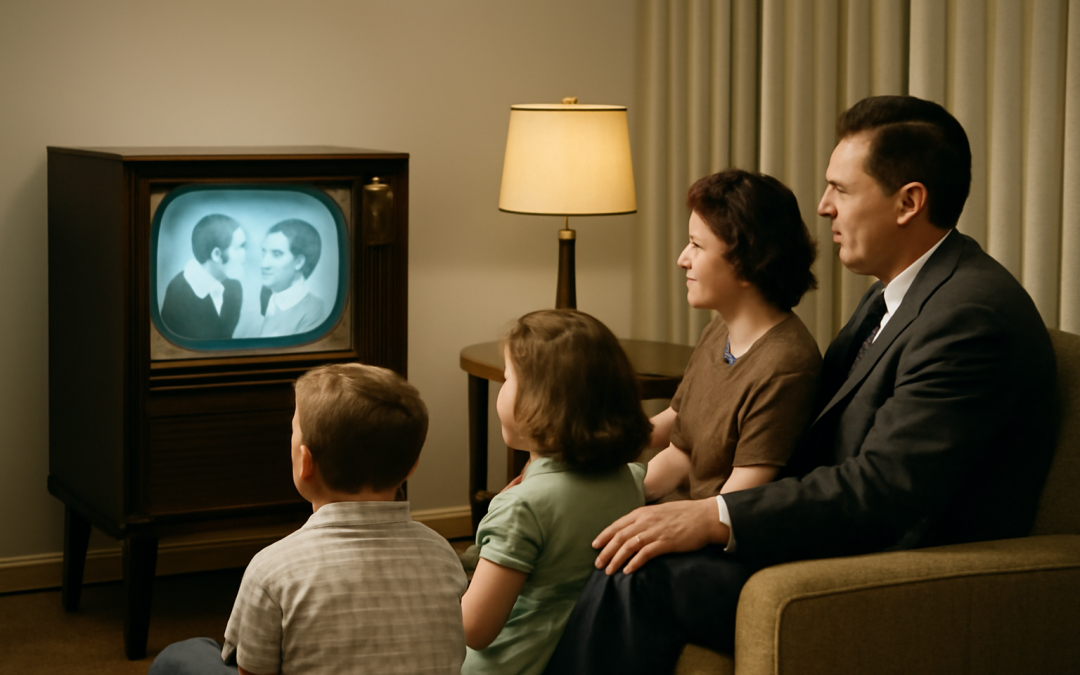
The advent of television revolutionized the way families interact, communicate, and spend their leisure time, embedding itself deeply into the fabric of everyday life. Beyond merely providing entertainment, television reshaped social dynamics within the household, influenced cultural norms, and introduced new patterns of behavior that continue to resonate even decades after its widespread adoption. As families gathered around the flickering screen, the shared experience of viewing programs together became a central pillar of domestic life, forever altering relationships and routines.
Before television, families often relied on oral storytelling, radio broadcasts, and print media for entertainment and information. These activities typically encouraged active participation, dialogue, and collective engagement. However, television transformed media consumption into a primarily visual and passive experience that commanded attention through compelling imagery and narrative. The living room television set became a focal point around which family members congregated, providing a common interest that bridged generational gaps and fostered shared moments, despite diverse preferences and personalities.
Television’s impact on family life was multifaceted. On one hand, it provided an unprecedented means of bonding and cultural transmission. Viewing popular sitcoms, dramas, and news together created opportunities for discussion, laughter, and mutual understanding. Shows often reflected societal values and dilemmas, sparking conversations that helped shape family perspectives and ethics. On the other hand, the medium presented challenges, including the potential for decreased face-to-face interaction and the risk of passive consumption supplanting more active family engagements.
The content and nature of programming also had significant effects on family routines. Prior to television, entertainment was often planned around social outings, board games, or communal reading. But with the introduction of regularly scheduled shows, families began to organize their days around broadcast times. Dinner, chores, and other activities were sometimes rearranged so everyone could be home for favorite programs. This scheduling dynamic instilled an early sense of media-driven time management that persists in modern culture, influencing habits related to meal times, bedtime, and social interactions.
Another profound influence of television was on children and their relationship with family authority. Shows targeted at younger audiences not only entertained but also introduced new ideas, language, and values that occasionally conflicted with those taught by parents or schools. While television could reinforce positive traits such as kindness and curiosity through educational programming, it also exposed children to social issues, consumerism, and behaviors they had not previously encountered. This sometimes created tension or required families to negotiate boundaries and discuss media content critically, injecting new layers into parent-child communication.
As television sets became more affordable and ubiquitous, they began to alter physical spaces within the home. The living room was redesigned to accommodate the television, often at the expense of traditional communal spaces like parlors or reading nooks. Furniture was positioned to face the screen rather than each other, subtly shifting family interaction from reciprocal dialogue to a more unidirectional experience centered on viewing. This spatial reorganization contributed to changes in social rituals and the ways in which family members physically gathered and connected.
The medium’s ability to project national and global events into the home also changed how families perceived the wider world. Through news broadcasts, documentaries, and live events, television provided a window to distant places and cultures, fostering awareness and sometimes empathy. Families could witness history in real time, from moon landings to political upheavals, while discussing their implications together. This shared consumption of current affairs helped cultivate informed family conversations and sometimes motivated collective social or political engagement.
While television brought many benefits, it also generated controversy regarding its influence on family values and dynamics. Concerns arose around exposure to violent content, stereotypes, and unrealistic portrayals of life and relationships, which some feared might erode traditional morals or create unrealistic expectations among viewers. Debates about censorship, programming standards, and parental controls became commonplace as families sought to balance the entertainment value of television with protecting children and preserving family cohesion.
Despite these concerns, television became a powerful tool for cultural continuity and change. Classic family sitcoms depicted idealized versions of family life that, while sometimes simplified, offered models for behavior and aspirations. Over time, programming evolved to represent diverse family structures, roles, and challenges, reflecting and shaping the evolving definition of family itself. This reciprocal relationship underscored television’s role not just as a mirror of society, but as an active participant in shaping family ideologies and experiences.
Technological advancements further intensified television’s integration into family life. The introduction of color broadcasting, remote controls, and eventually cable and satellite channels expanded viewing options, catering to a wide spectrum of tastes and interests. These developments allowed individual family members to tailor their viewing choices, sometimes fragmenting the communal experience that characterized early television. The rise of recorded content and later digital streaming introduced on-demand viewing, challenging traditional notions of shared viewing times and collective family rituals.
However, even with such diversification, television remained a central element in many homes, serving multiple roles simultaneously: as an entertainer, educator, and social catalyst. Families often used television as a backdrop for relaxation after a long day, a tool for learning about the world, or as a means to spark dialogue on contentious or topical issues. In this way, television functioned not merely as a passive medium but as an integral part of family life, intertwining with daily habits, social values, and interpersonal relationships.
The influence of television on family life extends well beyond simple viewing habits. It has shaped consumer behavior through advertisements aimed at families and children, influencing purchasing decisions and lifestyle choices. The medium’s portrayal of gender roles, parenting styles, and social expectations has informed and sometimes challenged family norms. By exposing audiences to a broad spectrum of cultural narratives, television facilitated greater openness to diversity and encouraged shifts towards more inclusive and dynamic family models.
Moreover, television has contributed to the creation of shared generational memories. Long after specific programs have ended, families recall watching certain shows together, reliving moments of joy, suspense, or emotional resonance. These memories help strengthen familial bonds, serving as points of connection across time and space. As technology evolves and new forms of media emerge, the significance of television as a shared family experience remains etched in collective consciousness.
In many ways, television has acted as a catalyst for redefining the boundaries of family spaces and interactions. It has encouraged families to engage in collective experiences that might not have occurred otherwise, even as it introduced new complexities and challenges. Its role as both a unifying agent and a source of individualization within the family highlights its nuanced and lasting impact on domestic life.
As society continues to embrace new technologies and shifts in media consumption, the lessons learned from television’s role within the family remain relevant. Understanding how this medium transformed family communication, socialization, and cultural engagement provides valuable insights into managing contemporary media influences and fostering healthy family dynamics amid increasing digital complexity.
Ultimately, the introduction of television was a transformative event that reshaped family life in profound and enduring ways. It redefined entertainment, altered daily routines, influenced social interactions, and became a powerful agent of cultural change within the domestic sphere. Its legacy persists, serving as a testament to the power of media in shaping human relationships and the very concept of family itself.