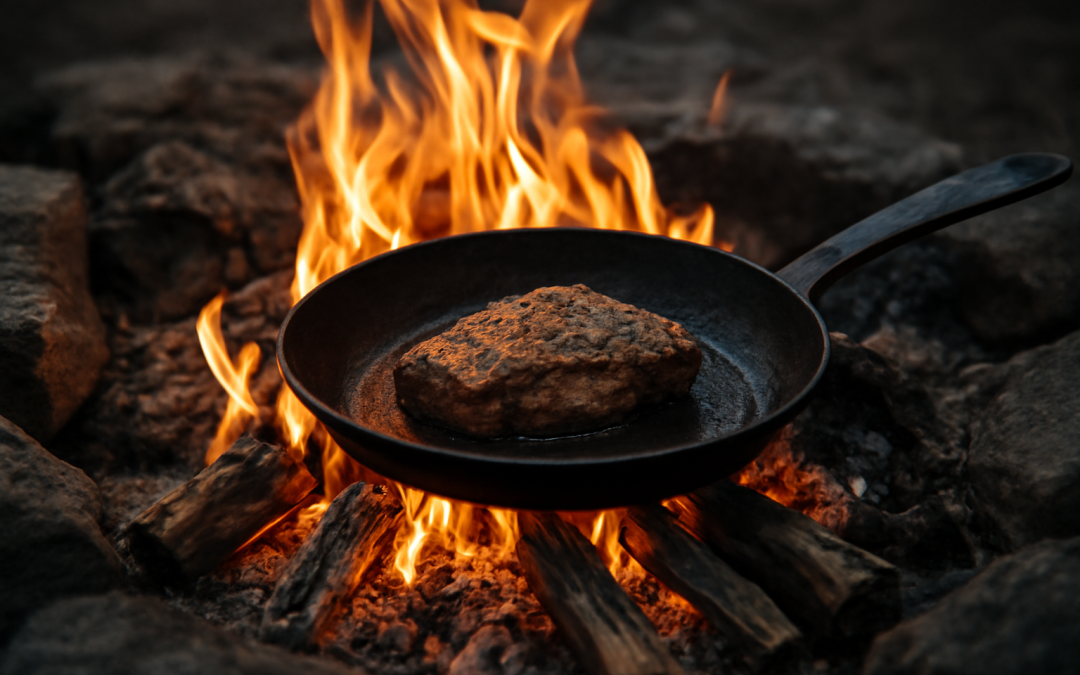
The discovery and mastery of fire stands as one of humanity’s most transformative achievements, reshaping not only survival but the very nature of how food is prepared and enjoyed. Long before the advent of modern technology, early humans learned to harness the power of flames, ushering in profound changes that would redefine their diets, social structures, and health. The ability to control fire sparked an evolutionary leap by enabling the cooking of food, which unlocked new flavors, improved nutrition, and made previously inedible items digestible. This shift was not simply a matter of convenience; it marked the beginning of a culinary evolution that endures to this day.
At its core, the use of fire in cooking created a profound biological and cultural impact. Raw foods typically require more effort to consume and digest, and certain nutrients are more bioavailable after cooking. The heat from fire breaks down tough fibers and proteins, making meals easier to chew and digest, which in turn supports brain development and overall health. Moreover, cooking reduces the presence of pathogens and toxins, allowing early humans to safely eat a wider variety of foods. This newfound safety and nutritional efficiency helped support larger populations and more complex communities.
Fire also fundamentally altered the texture and taste of food, leading to the emergence of cooking as an art form and an essential social activity. The simple act of roasting meat over an open flame brought out aromas and flavors that were impossible to achieve with raw food alone, compelling early peoples to gather around the hearth to share meals. This communal aspect fostered social bonds and cultural traditions centered on the preparation and consumption of cooked food. Around fires, stories were told, alliances cemented, and knowledge transmitted, solidifying food’s role as a connector within society.
Technically, the mastery of fire required innovation and adaptability. Early humans learned to generate and maintain fire, control heat intensity, and develop techniques such as roasting, boiling, and baking. The creation of pottery and other heat-resistant containers expanded possibilities further, allowing for stews and soups that combined ingredients in nutrient-rich ways. These advancements in cooking technology not only diversified diets but also allowed for the preservation and storage of food, reducing waste and improving food security.
The shift from raw to cooked food had evolutionary consequences as well. Anthropologists suggest that cooking allowed hominins to obtain more calories from their food, supporting the growth of the brain and enabling the development of more sophisticated tools and social behaviors. The reduction in the time and energy spent chewing raw foods may have freed up resources for other survival activities. This efficiency gain is believed to be one of the pivotal factors that distinguished modern humans from other primates and hominin species.
Beyond biology, the cultural and symbolic implications of fire-based cooking cannot be overstated. Flames became sacred symbols in many early societies, central to rituals and spiritual beliefs. Fire was often seen as a divine gift, a source of life and transformation. The act of cooking solidified the role of certain individuals or groups as providers and caretakers, which impacted social hierarchies and gender roles. The gathering around the fire created spaces of safety and intimacy, fostering the development of language, art, and shared customs.
In historical terms, the evolution of cooking over fire laid the foundation for culinary traditions that continue across the globe. From simple open-fire roasting to complex barbecue methods, from the use of clay ovens to the creation of elaborate sauces and spices, the mastery of fire inspired innovation and cultural exchange. Each society developed unique relationships with fire and food, influenced by climate, available resources, and social needs. Fire-based cooking became a flexible technology adaptable to diverse environments, allowing humans to thrive in varied ecological niches.
With the passage of time, the refinement of fire cooking methods paralleled the broader technological progress of civilizations. The invention of fireplaces and chimneys enhanced indoor cooking, while methods such as smoking, drying, and fermenting evolved alongside fire to further extend the shelf life of foods. These practices supported the growth of agriculture and settled communities, where food abundance could be planned and stored. The control of fire in cooking also had implications for trade and economy, as different cooking techniques and ingredients became markers of status and cultural identity.
In modern contexts, despite the proliferation of electric and gas stoves, the basic principle of cooking with fire remains integral in many culinary traditions and continues to influence contemporary gastronomy. Grilling, roasting, and smoking foods over live flames are valued for their distinctive flavors and textures, linking the present with ancestral practices. Chefs worldwide celebrate the primal connection of fire and food, recognizing its ability to imbue dishes with complexity and character that mechanical heat sources often cannot replicate.
The environmental dimension of fire use in cooking is also worthy of consideration. Historically, reliance on wood and charcoal for fire contributed to deforestation and shaped land management approaches. Today, the search for sustainable fuels and eco-friendly cooking methods echoes ancient challenges around resource use. Balancing the cultural and sensory importance of fire-cooked food with ecological responsibility is an ongoing endeavor, reflecting the deep ties between humans, fire, and the natural world.
Ultimately, the mastery of fire in cooking represents a cornerstone of human progress, bearing influence far beyond mere nourishment. It catalyzed physiological advancements, fostered social cohesion, and inspired cultural creativity, marking a decisive break from the animal kingdom’s foraging practices. As food preparation around fire became central to human life, it paved the way for culinary diversity, technological innovation, and shared cultural heritage. This legacy continues to shape how societies approach food, hospitality, and even identity in profound and enduring ways.
Understanding the transformative power of fire in cooking offers insight into how fundamental technologies redefine life’s possibilities. It reminds us that the simple act of warming food not only alters its chemical makeup but also reshapes relationships, communities, and futures. Cooking with fire remains a timeless reminder of human ingenuity and our enduring quest to harness nature’s forces for nourishment, comfort, and connection.