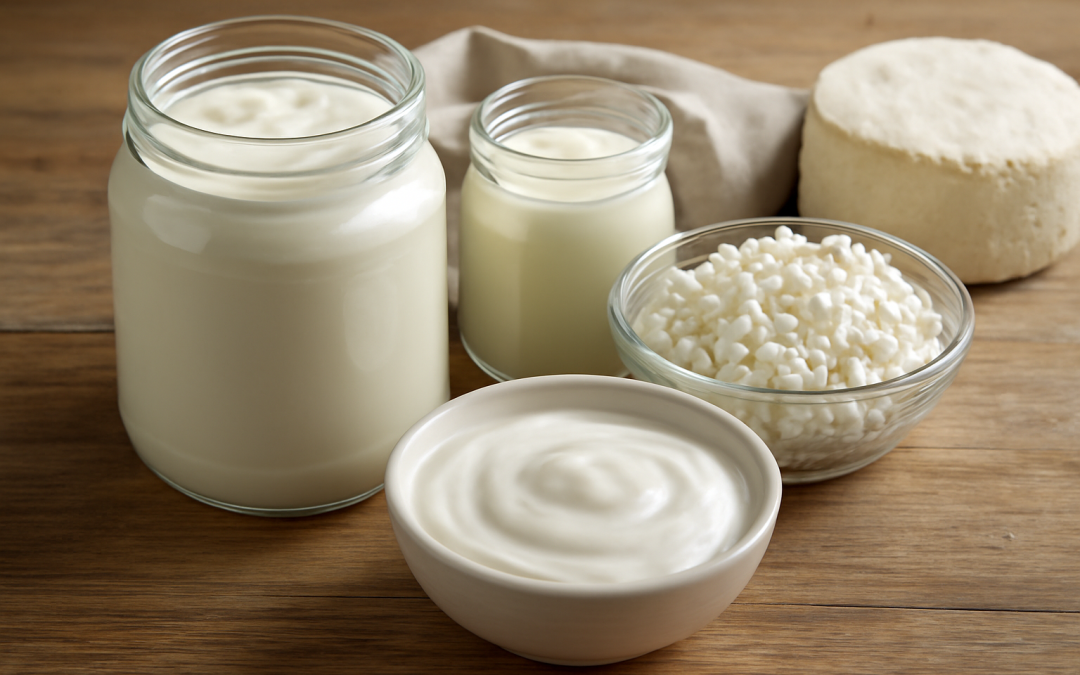
The process of fermenting dairy products has been a cornerstone of human culinary tradition for thousands of years, offering not only a method to preserve milk but also a way to enhance its nutritional profile and develop complex flavors. At its core, this ancient technique involves the action of beneficial microorganisms, primarily bacteria and sometimes yeasts, that transform the sugars present in milk into acids, gases, or alcohols. This biochemical transformation not only extends the milk’s shelf life but also introduces unique textures and tastes that have become integral to numerous cuisines around the world.
Fermentation begins with selecting the right kind of milk, commonly derived from cows, goats, or sheep, each imparting distinct characteristics to the final product. The process typically starts with pasteurization to eliminate harmful pathogens, followed by the inoculation of specific strains of microbes, often lactic acid bacteria such as Lactobacillus or Streptococcus species. These bacteria metabolize lactose, the natural sugar in milk, into lactic acid, which lowers the pH and causes the milk proteins, mainly casein, to coagulate. This coagulation results in the thickening of the milk, producing a creamy and tangy end product.
One of the most widespread fermented dairy products is yogurt, a staple in many diets globally. Yogurt is created by fermenting milk with a culture of Lactobacillus bulgaricus and Streptococcus thermophilus. The symbiotic relationship between these two bacteria facilitates efficient fermentation, yielding a smooth texture and a mild tartness. Yogurt is prized not just for its flavor but also for its probiotic benefits, meaning it contains live microorganisms that can provide health advantages when consumed in adequate amounts. These probiotics can improve gut health by restoring and maintaining the balance of beneficial bacteria within the digestive system.
Another prominent fermented dairy item is kefir, a beverage with origins in the Caucasus region. Unlike yogurt, kefir involves a diverse consortium of bacteria and yeasts contained within kefir grains. This complex microbial population ferments the milk faster and produces carbon dioxide and small amounts of alcohol, giving kefir a distinctive effervescence and a slightly tangy flavor that distinguishes it from other fermented dairy products. The symbiotic mixture of organisms in kefir not only imparts unique sensory qualities but also enhances its probiotic content, which has been linked to a range of health benefits including improved digestion, immune support, and potential antimicrobial effects.
Cheese production is a more intricate form of dairy fermentation that encompasses a variety of methods, cultures, and aging techniques. At the foundational level, cheese making involves coagulating milk proteins through fermentation, often with the addition of rennet—an enzyme that accelerates coagulation—and starter cultures specific to the type of cheese being produced. The lactic acid bacteria metabolize lactose into lactic acid, which both lowers the pH and enhances the firmness of the curd. Depending on the particular strain of bacteria used and the conditions under which fermentation occurs, cheese can develop a broad spectrum of textures and flavors, from soft and mild varieties like Brie to hard and sharp types such as aged Cheddar or Parmesan.
The aging process, or affinage, plays a critical role in shaping the final attributes of cheese. During this phase, enzymes produced by both microbes and the milk itself break down proteins and fats, releasing aromatic compounds and altering the texture. Some cheeses utilize molds during fermentation to develop characteristic rinds and complex flavor profiles—blue cheeses, for example, incorporate Penicillium species to introduce veins of flavorful mold throughout the product. This controlled fermentation and ripening process can take weeks to years, allowing the microorganisms to mature and transform the cheese into a culinary delicacy.
In regions where refrigeration was historically unavailable or unreliable, fermenting dairy products not only provided a means to preserve milk but also served as a form of nutrition that could be stored for extended periods. By lowering the pH and often producing antimicrobial substances, the microorganisms involved in fermentation inhibit the growth of spoilage and pathogenic bacteria. This natural preservation method allowed communities to survive harsh winters and periods of scarcity. Moreover, the enhanced digestibility of fermented dairy products made them more suitable for people with lactose intolerance, as the fermentation process reduces the lactose content by converting it into more easily absorbed compounds.
The nutritional profile of fermented dairy products reflects the metabolic activities of fermenting microbes. They often contain increased levels of B vitamins, including folate and riboflavin, generated during microbial growth, as well as bioactive peptides released from milk proteins. These peptides may exhibit antihypertensive, antioxidant, or antimicrobial properties, contributing to the overall health benefits associated with fermented dairy consumption. Additionally, fermentation can improve the bioavailability of minerals such as calcium and magnesium, making these nutrients more accessible to the body.
Modern advancements in microbiology and dairy technology have led to more controlled and standardized fermentation processes, optimizing both safety and product consistency. The isolation and use of specific microbial strains allow producers to tailor flavor profiles and textures according to consumer preferences and regional traditions. Furthermore, the development of probiotic-enriched fermented dairy products has expanded their role beyond sustenance toward functional foods aimed at supporting health and wellness. Scientific research continues to explore the gut microbiome’s interaction with these probiotics, revealing promising impacts on immunity, mental health, and metabolic regulation.
Despite the rise of plant-based milk alternatives, the tradition of fermenting dairy products remains deeply rooted in many cultures. It exemplifies how fermentation can transform a perishable raw ingredient into a diverse range of foods that nourish, delight, and heal. From the simple tartness of yogurt to the complex, aged flavors of artisanal cheeses, fermenting dairy products encompasses more than preservation—it is a celebration of microbial artistry and human ingenuity.
In today’s global food landscape, incorporating fermented dairy products into diets aligns with growing consumer interest in natural, minimally processed foods with potential health benefits. The sensory qualities of these foods—creamy textures, tangy notes, and umami flavors—also play a significant role in culinary experiences. Whether consumed fresh or aged, plain or flavored, fermented dairy products continue to hold a unique place in both everyday nutrition and gastronomic tradition.
Looking ahead, research into microbial strains and fermentation techniques promises to expand the diversity of dairy products available to consumers. Innovations in sustainable dairy farming and production methods also contribute to making fermented dairy products more environmentally friendly. By balancing time-honored practices with cutting-edge science, the future of fermented dairy products remains vibrant, marrying tradition with innovation.
Ultimately, the process of fermenting dairy products is a testament to the power of microorganisms to enhance food in multifaceted ways. It offers health benefits, sensory enjoyment, nutritional enhancement, and preservation, all in one package. Embracing and understanding this ancient art enriches our appreciation of everyday foods and highlights the intricate biological symphony that nourishes and connects us through generations.