
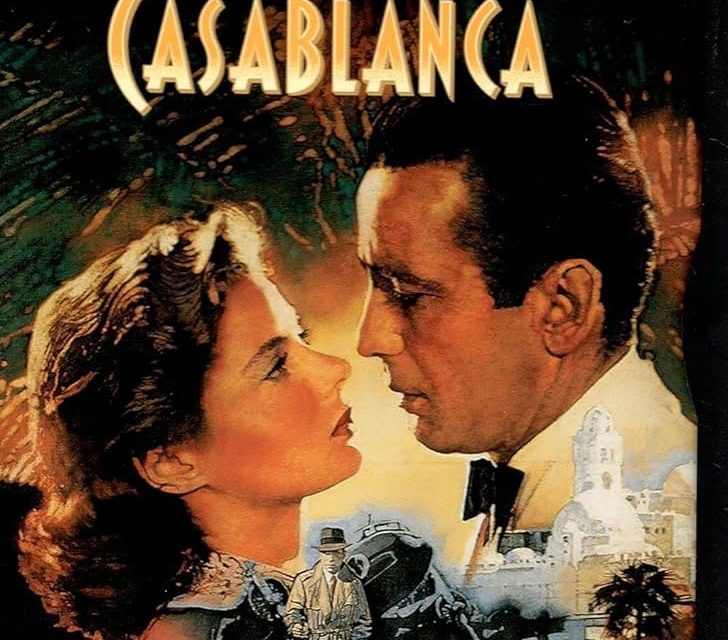
 Few films have managed to capture the enduring complexities of love, sacrifice, and political tension as poignantly as *Casablanca*. From its debut in the early 1940s, this cinematic masterpiece has transcended generations, establishing itself as an iconic symbol of a world on the brink of upheaval. The stirring romance at its core is inseparable from the backdrop of wartime resistance, creating a narrative rich with emotional and historical resonance. Revisiting this classic through a contemporary lens reveals why its themes remain relevant and its storytelling timeless.
Set against the politically charged environment of World War II, the film unfolds in the Moroccan city of Casablanca, a hub for refugees fleeing Nazi-controlled Europe. It is in this liminal space that personal desires and larger ideological battles intersect. The protagonist, Rick Blaine, operates a nightclub that serves as a crossroads for diverse characters—exiles, resistance fighters, opportunists, and those simply trying to survive. This melting pot of personalities and motives imbues the setting with tension and complexity, reflecting the uncertain times.
At the heart of the film lies the consummate love triangle involving Rick, Ilsa Lund, and Victor Laszlo. Their past relationship, marked by passion and pain, converges with the urgent mission to aid resistance efforts against the Nazis. Unlike a simple romantic drama, their story embodies the conflict between personal happiness and moral duty. Rick’s journey from disillusioned cynic to selfless hero exemplifies this transformation, while Ilsa and Victor’s unwavering commitment to cause juxtaposes hope against despair.
The screenplay, celebrated for its sharp wit and memorable dialogue, is instrumental in shaping the film’s enduring appeal. Lines like “Here’s looking at you, kid” and “We’ll always have Paris” have seeped into popular culture, yet their significance lies beyond mere cleverness. These expressions convey depth of emotion and layers of shared history that define the characters’ interactions. The script masterfully balances levity and gravity, enhancing the emotional stakes without sacrificing narrative pacing.
From a cinematic perspective, the film’s direction and cinematography contribute significantly to its atmosphere. The use of shadows, tight framing, and contrasting light and darkness visually mirrors the moral ambiguity faced by the characters. This noir-inspired aesthetic gives the movie a timeless appeal, reinforcing themes of secrecy, desperation, and hidden motives. The evocative black-and-white imagery also accentuates the film’s historical positioning, offering a glimpse into a world fraught with both peril and possibility.
The performances delivered by the cast bring the story’s emotional core to vivid life. Humphrey Bogart’s portrayal of Rick Blaine is a masterclass in subtlety and charisma, capturing the nuances of a man wrestling with internal conflict. Ingrid Bergman’s Ilsa is a blend of vulnerability and resolve, her presence as captivating as it is conflicted. Paul Henreid as Victor Laszlo embodies quiet determination, lending weight to the film’s political undertones. The chemistry among the leads is palpable, enhancing the believability of their intertwined fates.
What elevates the film beyond being just a period piece is its intricate portrayal of resistance—both personal and political. Victor Laszlo represents the spirit of defiance against oppressive regimes, highlighting the courage required to stand against tyranny. Meanwhile, Rick’s gradual involvement reflects a broader narrative of awakening and engagement. Their divergent approaches to resistance illustrate the multifaceted nature of struggle during wartime, revealing how individuals navigate moral complexities in the face of overwhelming danger.
The film’s exploration of sacrifice is similarly profound. The choices characters make are seldom easy and often involve relinquishing deeply held desires for a cause greater than themselves. Rick’s final decision to allow Ilsa to leave with Victor is emblematic of this theme, demonstrating the painful intersection between love and duty. This emotional sacrifice resonates beyond the specific historical context and speaks to universal questions about priorities and principles.
Moreover, the setting itself serves as a metaphor for transition and uncertainty. Casablanca represents a transient space where futures are suspended, and allegiances are tested. Passports and exit visas confer the possibility of freedom, yet they also underscore the barriers faced by refugees and resistance fighters. This liminality creates a sense of urgency that permeates the narrative, reminding viewers of the precariousness of safety during tumultuous times.
In the broader context of cinema history, the film’s impact is undeniable. It stands as a quintessential example of Hollywood’s Golden Age, blending romance, drama, and political commentary with exceptional craftsmanship. Its success at the Academy Awards and enduring popularity among audiences highlight how it manages to balance entertainment with deeper thematic concerns. This equilibrium sets it apart as a work that is both enjoyable and intellectually stimulating.
Revisiting the film today, viewers may find new layers of interpretation emerging, especially in light of contemporary global conflicts and humanitarian crises. The themes of displacement and resistance remain painfully relevant, reminding us of the ongoing struggles faced by millions around the world. Additionally, the film’s emphasis on moral courage serves as a call to action, encouraging reflection on how individual choices contribute to collective efforts against injustice.
The emotional complexity woven throughout the narrative also invites a modern reassessment of gender dynamics and representation. Ilsa’s character, while iconic, exists largely in relationship to the male protagonists. Examining her role today opens discussions about the portrayal of women in classic cinema and how those portrayals have evolved. Despite this, her portrayal as a figure torn between love and principle remains compelling, emphasizing the human cost of war and resistance.
Musically, the score and use of song play an essential role in enhancing the film’s mood and memorability. The inclusion of the song “As Time Goes By” transcends its simple melody, becoming a leitmotif for nostalgia, lost love, and enduring bonds. This musical motif reinforces the emotional landscape of the characters, grounding the film’s romantic elements in a shared cultural touchstone that persists over decades.
The film’s narrative structure, which interlaces past memories with present tensions, enriches the storytelling by providing context and emotional depth. Flashbacks to earlier moments between Rick and Ilsa allow the audience to understand the stakes of their reunion and the reasons behind their current estrangement. This technique effectively adds layers to their relationship and heightens the emotional impact of their eventual decisions.
Beyond its artistic merits, the film also serves as a historical artifact, offering insight into the cultural and political climate of the early 1940s. Created during a time when the world was engulfed in conflict, its message of hope and resistance reflects the prevailing sentiments of the era. The diplomacy and alliances depicted resonate with wartime propaganda, yet the characters’ human struggles prevent the narrative from feeling didactic or simplistic.
*Casablanca* exemplifies how cinema can transcend its medium to become a touchstone for memory and identity. Its influence extends far beyond its initial release, inspiring countless works and remaining a frequent reference point in popular culture. The film’s ability to evoke strong emotional responses and provoke thought about difficult ethical questions speaks to its enduring power as a work of art.
In essence, this film operates on multiple levels: as a romance, a political thriller, and a meditation on sacrifice and courage. Its rich characterizations, memorable dialogue, and evocative setting combine to create a narrative that continues to captivate contemporary audiences. The intertwining of personal and political resistance within the story invites viewers to consider the ways in which individual actions can influence broader historical movements.
Ultimately, the lasting appeal of the film lies in its honest portrayal of flawed yet noble characters confronted with impossible choices. It honors the complexity of human emotions and the moral challenges posed by war and oppression. This timeless quality ensures that new generations will continue to discover and appreciate its nuanced exploration of romance and resistance.
Reexamining this cinematic classic today affirms its status as not merely a product of its time but as a universal story that resonates across decades. The themes it engages with—love tempered by sacrifice, the struggle for freedom, and the resilience of the human spirit—remain as urgent now as they were upon the film’s release. Its legacy invites ongoing reflection on the nature of courage, commitment, and the difficult paths forged in the name of higher ideals.
Related Posts


