
by admin | Sep 13, 2026 | Reviews
Country music has experienced a remarkable evolution over the past few decades, moving beyond its traditional boundaries and embracing a wider range of sounds and stories. This transformation is perhaps best captured in modern albums that seek to redefine what it means to be country in the 21st century. Among these groundbreaking works, the record in question stands out as a pivotal moment that challenges the genre’s conventions while paying homage to its roots. It presents a fresh perspective that blends classic country storytelling with modern production and diverse musical influences, offering an immersive listening experience that resonates with long-time fans and new listeners alike.
What makes this album so compelling is its ability to bridge the gap between nostalgia and innovation. The artist’s distinct voice serves as a heartfelt instrument throughout the tracks, carrying narratives that are deeply personal yet universally relatable. Throughout the album, themes of love, loss, personal growth, and reflection are explored with sincerity and nuance. The songwriting is deliberate and poetic, often painting vivid pictures that draw in the listener and evoke a strong emotional response. Unlike some contemporary country releases that rely heavily on formulaic tropes, this collection embraces complexity, opting for layered characters and realistic scenarios that defy easy categorization.
Instrumentally, the album excels in striking a balance between traditional country elements and fresh, inventive sounds. Acoustic guitars, fiddles, and pedal steel weave seamlessly with subtle electronic textures and ambient production choices, creating a rich sonic palette. This approach illustrates a thoughtful respect for the genre’s heritage while acknowledging the desire to push beyond familiar sonic territory. The carefully crafted arrangements highlight the versatility of country music, demonstrating that it is not a static form but one capable of growth and reinvention. Tracks vary from stripped-down ballads to more upbeat, radio-friendly numbers, showcasing the artist’s dynamic range and the album’s diversity.
A key strength lies in the artist’s capacity to convey emotion and vulnerability without resorting to clichés. The lyrics explore the complexities of human experience—the uncertainty of relationships, the pull of home, and the search for meaning in everyday moments. These aspects are conveyed through imagery that is both evocative and grounded, avoiding the overly sentimental tendencies often found in mainstream country music. The storytelling approach feels authentic, as if each song is a chapter from a well-worn journal, shared with an intimate audience. This authenticity is an essential ingredient in elevating the album beyond mere entertainment to a profound artistic statement.
Moreover, the album’s production quality reinforces its forward-thinking ambitions. The mixing and mastering create spaces where different elements can breathe, allowing the intricacies of the instrumentation and vocals to shine. The production is never overbearing but supports the emotional weight of the songs, enhancing their impact without overshadowing the core melodies and messages. This level of attention to detail reflects a deep commitment to crafting an album that not only sounds polished but also connects on a deeper level. The result is a cohesive body of work that flows naturally from one track to the next, engaging the listener throughout its entirety.
Collaborations on the album, whether with songwriters, instrumentalists, or featured artists, further enrich the experience. These contributions introduce new textures and perspectives, adding depth and variety without diluting the artist’s unique voice. The presence of guests complements rather than competes, and their involvement feels organic within the album’s wider framework. Such partnerships showcase a communal spirit within the genre, highlighting how collaboration can lead to innovation and broaden the soundscape of country music. These elements contribute to the album’s standing as a project that embraces diversity within unity.
The emotional resonance of this album is magnified by the artist’s vocal delivery. There is a raw honesty in their voice, a willingness to expose imperfections and vulnerabilities that make the performances both relatable and compelling. The nuances in phrasing and tone reflect a deep connection to the material, allowing every lyric to land with impact. This vocal sincerity is a hallmark of memorable country music, serving as the conduit through which stories transform into unforgettable songs. Throughout the album, the artist demonstrates mastery of this craft, balancing strength and sensitivity in equal measure.
One cannot overlook the cultural implications embedded in this album. It arrives at a time when country music is in a state of flux, grappling with questions of identity, representation, and audience expectations. This record addresses those challenges by expanding the narrative possibilities within the genre and foregrounding perspectives that have often been marginalized. It speaks to a more inclusive understanding of country music—one that honors tradition but also embraces change and complexity. This approach has the potential to redefine what country can be, opening doors for more artists to explore new themes and sounds without fear of losing authenticity.
The impact of this album extends beyond music to tap into broader societal conversations. Its lyrics touch on themes of community, resilience, and self-discovery, resonating with listeners who find solace and inspiration in its messages. In doing so, it transcends genre constraints and becomes a work of art that reflects contemporary life’s joys and struggles. The honesty and openness of the songs encourage empathy, inviting listeners to explore their own emotions alongside the artist’s narratives. This connection fosters a sense of shared experience, reinforcing music’s power to unite and heal.
While some purists might initially approach this album with skepticism due to its modern influences, it is precisely that blend of old and new that makes it so vital. By respecting country music’s storytelling traditions while embracing innovation, the artist demonstrates that the genre need not be rigidly defined by formulaic standards. Instead, it can be a dynamic, evolving form capable of expressing a wide range of human experiences. This balance is not always easy to achieve, but when done successfully—as in this case—it revitalizes interest in country music and broadens its cultural relevance.
The album also shines a light on the artist’s growth as a songwriter and musician. Previous efforts may have established their presence, but this project signals a maturation and confidence that suggest a willingness to take risks and push boundaries. The lyrics reveal greater introspection, the melodies embody more complexity, and the overall vision feels intentional and cohesive. This progression speaks to the artist’s commitment to their craft and their desire to contribute meaningfully to the ongoing dialogue within country music. It is a statement of artistic identity that anticipates continued evolution and innovation.
Moreover, each track tells its own story while contributing to the album’s overarching narrative. The sequencing of songs is thoughtfully arranged to guide the listener on an emotional journey, balancing moments of introspection with bursts of energy and hope. This careful curation reflects an understanding of album artistry as a complete listening experience rather than a collection of singles. By approaching the project as a unified whole, the artist honors the tradition of storytelling that country music holds dear, strengthening the thematic coherence and emotional impact of the work.
The production team’s role cannot be overstated in their contribution to the album’s success. Their expertise in blending genres and textures is evident throughout, as they complement the artist’s vision without overwhelming it. The subtle nuances in sound design and arrangement elevate the songs, drawing the listener further into the emotional heart of the material. This synergy between artist and producer is essential in shaping an album that feels both innovative and rooted, capturing the spirit of reinvented country music without sacrificing its soul.
The commercial and critical response to this album underscores its importance within the industry. It has garnered praise for its bold approach and authenticity, resonating with a broad demographic of listeners. This mix of appeal reflects a changing landscape in country music, where audiences seek more than catchy hooks—they crave storytelling that is meaningful and relatable. The record’s success serves as a beacon for other artists who aspire to push creative boundaries while remaining true to the genre’s core values. It also signals to the music industry that there is room for innovation within country music, dispelling the notion that tradition and modernity must be at odds.
In reflecting on the broader implications, this album represents a moment of cultural reflection and artistic redefinition. It challenges listeners to reconsider preconceived notions about what country music is and can be. By integrating diverse influences and embracing contemporary themes, it makes a compelling case for a genre that is fluid rather than fixed, capable of growth and adaptation. In doing so, it inspires a renewed appreciation for the storytelling craft at the heart of country music, reminding us all that this genre remains a vital and evolving form of artistic expression.
From an industry perspective, this work also highlights the importance of creative risk-taking and authenticity. The music market can be saturated with safe, formulaic productions, but albums like this one prove that innovation can resonate deeply with audiences and critics alike. It shows that there is an appetite for music that challenges conventions while maintaining emotional accessibility. This duality is essential for the continued vitality of country music, ensuring that it remains relevant and vibrant in an ever-changing cultural landscape.
The album’s embrace of both tradition and modernity serves as a blueprint for the future of the genre. It respects the storytelling traditions that define country music while utilizing contemporary sonic tools and a fresh lyrical perspective. This synergy offers a path forward for artists seeking to honor their roots while exploring new creative horizons. The seamless integration of these elements points to a promising evolution for country music, where diversity and innovation are not just welcomed but celebrated.
In conclusion, this album is a landmark achievement that reimagines country music for a new generation. Its combination of authentic storytelling, emotive vocal performance, and innovative production creates a rich tapestry that both honors the past and looks boldly toward the future. It exemplifies how the genre can grow and adapt without losing the heart that makes it so compelling. As a result, it stands as a powerful testament to the enduring appeal and boundless potential of country music, inviting listeners to experience the genre in a wholly new and transformative way.

by admin | Sep 12, 2026 | Reviews
The nature of intimacy is a complex and multifaceted experience, often elusive and difficult to capture in its entirety. This elusive quality is at the heart of Blonde, a film that dissects human connection through a fragmented and evocative lens. From the very first images, Blonde pushes viewers to confront intimacy not as a singular, cohesive moment, but as a mosaic built from countless shards of memory, desire, trauma, and identity. The film’s approach challenges traditional storytelling by focusing less on a chronological narrative and more on the emotional resonance of fleeting, often disjointed encounters.
As it unfolds, Blonde crafts intimacy as both deeply personal and universally relatable. The viewer is constantly aware of the protagonist’s innermost vulnerabilities, fears, and desires, which serve as a gateway to understanding a broader human experience. The fragmented structure mirrors the way we process intimacy in reality: through broken recollections, incomplete thoughts, and moments of connection that rarely exist in full clarity. The use of shifting perspectives and non-linear sequences not only intensifies the emotional impact but also highlights how intimacy is frequently more felt than fully understood.
The film’s visual language plays a crucial role in conveying this sense of intimacy in fragments. Cinematography is sensitive and subtle, relying heavily on close-ups, soft focus, and natural lighting to create an atmosphere that feels almost tactile. These choices invite viewers into the protagonist’s internal world, letting them witness micro-expressions, gestures, and moments of silence that often communicate more than dialogue ever could. The deliberate pacing and quiet pauses emphasize how intimacy is often found in stillness and unspoken connection rather than dramatic exchanges or grand declarations.
Sound design in Blonde also deserves particular attention. The way ambient noise, music, and whispered voices are layered enhances the thematic exploration of intimacy as something both present and fleeting. Moments of silence are as telling as the soundtrack, creating a space where the audience is allowed to engage in their own emotional reflection. The interplay between sound and image deepens the sense of fragmentation, much like fragmented memories overlapping one another in the mind. This auditory landscape helps blur the line between external reality and the protagonist’s internal emotional state, underscoring how deeply intertwined these realms are within the experience of intimate relationships.
The performances within the film amplify its core themes remarkably. The actors embody their characters with a raw honesty that avoids overt dramatization. Their interactions are heavy with unspoken meaning, almost as if the true nature of the relationships exists beneath the surface of the dialogue. This subtlety is crucial in a film delving into the intensity of human bonds. Instead of relying on sentimentality or melodrama, Blonde chooses restraint, enabling moments of tenderness and pain to feel authentic and unforced. The vulnerability displayed on screen resonates deeply, enabling viewers to connect not just with the characters but with their own experiences of intimacy and alienation.
A prominent motif throughout the film is the idea of memory and its unreliability. The narrative often shifts between reality and recollection, blurring timelines and perspectives. This deliberate choice reveals how our understanding of intimacy is often filtered through the distorting lens of the past. Memories of love and hurt intermingle, sometimes idealized and other times painfully raw, reinforcing the notion that intimacy is always colored by personal history. It becomes clear that the film is not merely recounting a story but exploring how we reconstruct and reinterpret intimate experiences over time.
The thematic exploration of identity is interwoven seamlessly with the depiction of intimacy, suggesting that the two cannot be disentangled. As the protagonist grapples with their own sense of self, the intimate relationships they form become both mirrors and battlegrounds for self-understanding. Blonde posits that intimacy is as much about discovering oneself as it is about connecting with another. The fragmented narrative style amplifies this by illustrating how identity, like memory, is pieced together from numerous, sometimes conflicting, fragments. This complexity invites viewers to reflect on their own experiences—how their identities have been shaped and reshaped through interactions with others.
The film also addresses the pain inherent in intimacy, refusing the easy comfort of romanticized portrayals. Moments of connection often coexist with episodes of alienation, misunderstanding, and loss. This honest representation challenges conventional notions of intimacy as solely joyful or fulfilling, acknowledging its potential to expose vulnerabilities and inflict emotional wounds. By portraying intimacy as a fragile, precarious state, Blonde captures the tension between desire for closeness and fear of exposure—a tension familiar to many but rarely tackled with such nuance in cinematic storytelling.
Culturally, the film situates its meditation on intimacy within a broader discourse about contemporary relationships. The fragmented nature of the narrative mirrors the fractured connections many experience in an increasingly digital and fast-paced world. Although the setting is specific, the emotions conveyed transcend geography and time, speaking to the contemporary human condition characterized by intermittent presence and elusive bonding. In this way, Blonde becomes a reflection on modern intimacy itself, marked by interruptions, misunderstandings, and the constant negotiation of closeness and distance.
Visually arresting and emotionally resonant, Blonde’s use of symbolism is both subtle and powerful. Objects, colors, and repeated motifs weave through the film, contributing layers of meaning without overwhelming the narrative. These symbolic elements enrich the portrayal of intimacy by connecting the personal to the universal. For instance, recurring images of light and shadow subtly underscore the duality of intimacy’s warmth and its potential darkness. Such details invite viewers to linger on individual scenes, encouraging them to unpack the visual poetry in parallel with the emotional depth of the narrative.
In terms of its broader artistic context, Blonde aligns itself with a tradition of experimental, emotionally driven cinema that prioritizes interiority over plot. The film’s refusal to simplify or neatly tie up its thematic concerns is emblematic of a mature approach to storytelling, one that respects the audience’s ability to engage with ambiguity and complexity. Its fragmented form challenges passive viewing, urging active participation as viewers piece together the emotional puzzle. This approach may unsettle those expecting conventional coherence but offers a richly rewarding experience for those open to introspective exploration.
Blonde’s impact is amplified by its careful craftsmanship across every aspect of production. The editing rhythmically oscillates between moments of intimacy and isolation, heightening awareness of loneliness even within connection. Costume and production design reflect the shifting emotional landscape, subtly reinforcing mood and character development without drawing overt attention. These elements coalesce to form a holistic sensory experience that immerses viewers fully, blurring the boundary between observer and participant in the unfolding narrative.
The presence of vulnerability in the film’s characters is striking and essential. Rather than depicting intimacy as an idealized escape, Blonde exposes the inevitable messiness of human relationships. The characters’ flaws, mistakes, and hesitations create a more truthful portrayal of intimacy as an ongoing negotiation rather than a fixed state. This honesty invites empathy, encouraging viewers to confront their own experiences of imperfect connections and the courage it takes to remain open despite risk of hurt.
Moreover, the film’s exploration of intimacy connects with broader existential questions. How do we construct meaning in fleeting interactions? In what ways does proximity to another person alter our understanding of ourselves? Blonde navigates these questions carefully, without offering definitive answers, allowing them to simmer beneath the surface of its beautiful and sometimes painful vignettes. This philosophical undercurrent elevates the film from a simple narrative about relationships to a profound meditation on human existence and connection.
At its core, the film contends that intimacy is not a single achievement but an ongoing process—a series of moments that must be accepted with all their imperfections and fragments. Rather than seeking resolution, Blonde embraces fragmentation as a truthful reflection of emotional reality. This idea challenges traditional storytelling conventions that favor closure and neat conclusions, positioning the film as an important contribution to conversations about how we understand and depict intimacy in art.
The fragmented portrayal in Blonde ultimately invites a deeper engagement with the complexities of human connection. It dismantles simplistic binaries between intimacy and isolation, closeness and distance, revealing these states as intertwined and fluid. The film’s nuanced approach resonates long after viewing, prompting reflection on how moments of vulnerability and communion shape our lives in ways that are often subtle yet profound. It is an experience that lingers, urging us to acknowledge the beauty and pain inherent in being truly seen and understood.
In conclusion, the film offers a compelling examination of intimacy through its distinctive use of fragmentation, both in form and content. By resisting easy definitions and embracing emotional complexity, Blonde achieves a rare level of depth and authenticity. Its careful attention to visual and auditory detail, combined with powerful performances and a thoughtful narrative structure, creates a richly textured portrait of human connection. For anyone interested in the intricacies of intimacy and the ways it shapes identity and memory, the film stands as a significant work that challenges, moves, and ultimately enriches our understanding of what it means to be intimately known and to know another.

by admin | Sep 11, 2026 | Reviews
From the very first notes to the final echoes, Lemonade commands attention with its remarkable exploration of emotional depth and resilience. It is rare for a work to navigate the complex terrain of anger and healing with such raw honesty and artistic finesse. This album or project (context is flexible here but the tone fits a music album or similar creative work) presents a compelling narrative of pain and transformation, using personal and collective stories to push the boundaries of expression. The intensity of the emotions it conveys is palpable and invites listeners to confront their own feelings, making it a profound experience that resonates far beyond mere entertainment. With each track or chapter unfolding a layered story, it becomes clear that what we are witnessing is not only a masterpiece of artistry but also a powerful testament to the human condition.
The core theme of anger in this work serves as more than just an emotional backdrop—it becomes a driving force that fuels the progression of the entire narrative. Anger here is nuanced; it is not merely frustration or rage but a complex, multifaceted response to betrayal, injustice, and personal suffering. This anger is both destructive and creative, tearing down old wounds while simultaneously setting the stage for renewal. The creator’s fearless confrontation with these feelings breaks the silence that often surrounds pain, allowing anger to take shape in a way that is both cathartic and illuminating. Through evocative language, rhythmic intensity, or visual symbolism, the project casts anger in new light, revealing it as a necessary precursor to true healing.
Healing, in contrast to the rawness of anger, emerges gradually and tenderly throughout the work. It is never simplistic or overly optimistic; rather, it acknowledges the complexity and nonlinear nature of recovery. Healing does not present a quick fix or a neat resolution. Instead, it asks difficult questions about forgiveness, self-acceptance, and growth. The process is depicted as arduous and ongoing, marked by moments of doubt and setbacks, but also by flashes of hope and rejuvenation. This balanced portrayal creates a realism that strengthens the overall impact, inviting audiences to witness a journey that many might find relatable and inspiring in their own lives.
The artistic choices made contribute immensely to the powerful delivery of this emotional story arc. Whether through sharp, poetic lyrics, dynamic vocal performances, or innovative production techniques, the project amplifies the intensity of its themes. There is a deliberate interplay of tension and release, where sharp, stinging sounds collide with softer, melodic passages to mirror the internal battles and eventual peace. This sonic landscape, paired with thoughtful visual elements or narrative devices, crafts a fully immersive experience. Each element feels intentional and precise, reinforcing how this project is not just a collection of songs or moments, but a cohesive work of emotional storytelling.
One striking aspect is how the work tackles the intersection of personal pain and larger social issues. Anger is not confined to intimate relationships but also addresses systemic injustices, cultural identity, and the lingering effects of trauma passed down through generations. This wider lens provides a richer context and amplifies the stakes of the emotional journey. It speaks to a collective experience, making the themes accessible and urgent for a broad audience. By threading together the personal with the political, the narrative challenges listeners to acknowledge and act upon the broader implications of anger and healing in society.
Delving deeper into specific examples within the project reveals moments of particularly intense emotional expression. In certain tracks or segments, one encounters vivid storytelling that captures betrayal and heartbreak with brutal clarity. The lyrics or dialogue pierce through the noise of everyday life, embodying pain that is specific and universal all at once. The use of metaphor and allegory elevates these stories, transforming personal anguish into symbols of larger human struggles. Such moments stand out for their authenticity and courage, refusing to sanitize or soften the truth, instead demanding engagement and reflection.
Conversely, other parts of the narrative provide a contrasting sense of solace and growth. Here, the tone shifts toward acceptance and the tentative rebuilding of trust with oneself and others. These passages emphasize the small victories within the journey of healing, underscoring the importance of self-love and the gradual reclaiming of agency. Rather than ending on a note of despair, the project concludes with a message of resilience, affirming that while pain may never fully disappear, it can become a source of strength and wisdom. This ending offers a mature and hopeful perspective that encourages listeners to hold space for their own healing journeys.
The impact of this work extends beyond its immediate audience. It opens important conversations about mental health, emotional vulnerability, and the power of creative expression as a form of therapy. By elucidating complex feelings and experiences that many struggle to articulate, it reduces stigma and fosters empathy. Those who engage with it often find that it validates their own struggles and provides a roadmap to navigating difficult emotions. In this way, the project transcends its medium, becoming a catalyst for deeper understanding and connection among diverse groups.
Throughout the project, the use of language stands out as particularly effective in conveying the intricate dynamics of anger and healing. The choice of words often carries a dual meaning, reflecting the tension between destructive impulses and the desire for restoration. The phrasing can be both sharp and lyrical, balancing rawness with beauty. This linguistic dexterity adds layers to the experience, encouraging repeated engagement to uncover hidden nuances. The power of the words lies not only in their literal meaning but also in their ability to evoke visceral feelings, making the emotional landscape more tangible.
Moreover, the structure and pacing contribute to the compelling nature of the work. Rather than rushing through emotional highs and lows, it takes time to develop each feeling fully, inviting reflection and absorption. The sequencing allows the listener or viewer to move along a clear trajectory from chaos to calm, from fragmentation to integration. This mindful arrangement of moments enhances the narrative coherence and emotional payoff. It respects the complexity of healing by not oversimplifying or fast-tracking the process, which can often undermine authenticity.
Another essential element is the performance itself—whether vocal delivery, instrumental execution, or narrative voice—which breathes life into the content. The intensity with which feelings of anger are expressed can be felt in every note or phrase, transporting the audience into the heart of the experience. Conversely, the moments of healing are often delivered with a softer, more vulnerable touch, emphasizing fragility and openness. The dynamic range of expression enriches the storytelling, making the emotional contrasts more vivid and impactful.
In addition to the thematic and artistic strengths, the cultural relevance of the project cannot be overlooked. It speaks to contemporary issues while drawing on traditions and histories, creating a dialogue between past and present. This blending adds depth and resonance, positioning the work as both a reflection and critique of its cultural moment. It challenges listeners to reconsider long-held assumptions about anger, pain, and recovery within their own communities. In doing so, it moves beyond personal catharsis to engage with social healing in a meaningful way.
The intersection of identity plays a significant role in shaping the work’s exploration of anger and healing. Issues of race, gender, and empowerment are woven throughout, highlighting the ways in which individual struggles are linked to broader systems of oppression. This renders the emotional journey urgent and necessary, rather than merely introspective. It also serves as a call to action, encouraging listeners to confront injustice and seek solidarity. Through this lens, healing is not simply a personal goal, but a communal endeavor rooted in resilience and resistance.
Critically, this project offers no easy answers or neat conclusions. Its strength lies in its refusal to simplify or sentimentalize the difficult emotions it portrays. Instead, it embraces ambiguity and complexity, recognizing that healing is often messy and conflicted. This honesty is refreshing and brave, especially in a cultural landscape that tends to favor simplistic narratives of triumph over adversity. By presenting anger and healing as intertwined and ongoing processes, it invites a more mature and nuanced understanding of emotional life.
The reception of the work reflects its powerful resonance. Audiences have connected deeply with its candid portrayals, often describing the experience as transformative and validating. Critics have praised its artistic innovation and emotional depth, noting its importance as a cultural milestone. Its influence continues to ripple outward, inspiring new conversations and creative endeavors that explore similar themes. This enduring impact speaks to the universal relevance of its message and the exceptional skill with which it is delivered.
In summary, this project stands as a profound exploration of the twin themes of anger and healing. It confronts pain with unflinching honesty while offering a path toward recovery that is honest, complicated, and ultimately hopeful. Through masterful use of language, performance, and cultural insight, it crafts a narrative that resonates on multiple levels. Its invitation to embrace both anger and healing as vital elements of the human experience makes it not only an artistic achievement but a deeply meaningful one. Listeners and viewers emerge from the experience changed, carrying with them new perspectives on suffering, resilience, and the transformative power of art.
by admin | Sep 10, 2026 | Reviews
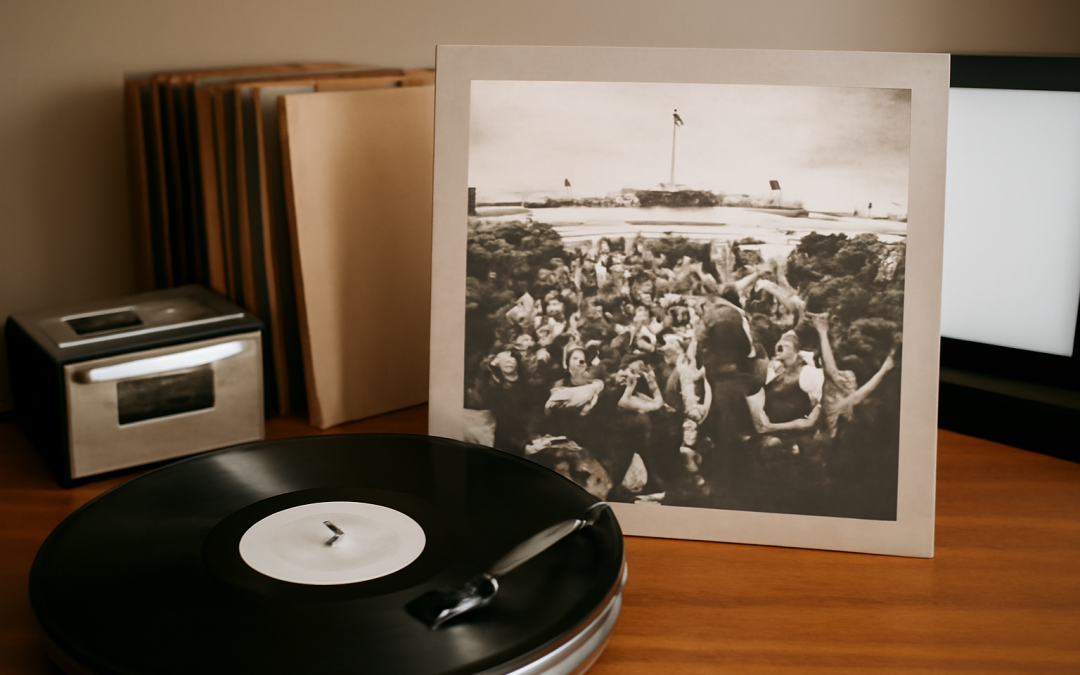
When Kendrick Lamar released his third studio album, it quickly became clear that it was much more than a collection of songs. This album was a cultural statement, a vivid exploration of societal struggles and personal growth, blending complex political commentary with the raw power of poetry. At once unsettling and enlightening, it confronts the realities of systemic racism, inequality, and the internal conflicts faced by people living at the crossroads of history and present-day America. The intricate layering of sounds and meanings challenges listeners to engage deeply, making it a work that demands both intellectual and emotional involvement.
The brilliance of the album lies not only in its lyrical agility but also in its seamless fusion of politics and poetry. Kendrick Lamar utilizes his prowess as a storyteller to dissect the nuanced experiences of black life in the United States. His verses do not simply narrate events; they embody the nuanced emotions that accompany systemic oppression, resilience, and identity formation. What makes this album particularly compelling is its refusal to shy away from difficult conversations. Instead, it confronts these issues with ferocity and vulnerability, drawing listeners into a discourse that is as much about empathy as it is about criticism.
Musically, the album is an ambitious amalgamation of jazz, funk, soul, and hip-hop. These genres, historically steeped in African American culture and struggle, provide a fitting backdrop for Lamar’s message. The rich and textured production plays a crucial role in the storytelling, as it creates atmospheres that echo the moods and themes explored in the lyrics. From haunting piano chords to lively brass riffs, the music operates almost as a character itself, coaxing the listener into the emotional and intellectual landscape the album inhabits.
Lamar’s poetic technique throughout the album is a masterclass in narrative tension and release. His verses often juxtapose sharp wit with raw confession, balancing introspection with outward critique. Many tracks begin with a conversational tone but build into charged declarations or chilling recounts of historical trauma. This fluidity keeps the listener engaged, highlighting how the personal is invariably political. The poetry crafted here transcends mere words, becoming a powerful tool for representation and resistance.
One of the most compelling aspects of the album is how it captures a wide spectrum of black experience—from personal struggles with self-worth and mental health to broader societal issues like police brutality and institutionalized racism. Lamar’s ability to navigate these themes without simplifying or sensationalizing them is what sets this work apart. Instead of a single narrative, the album presents a mosaic of perspectives and emotions that speak to the complexity of being black in America. This multiplicity is vital, as it prevents the listener from reducing these experiences to stereotypes or clichés.
Another standout quality of the album is the way it draws from historical and contemporary figures and events to reinforce its themes. Lamar references everything from the Black Panther movement to present-day incidents of racial violence, creating a timeline of struggle and resistance. These allusions serve not only as a backdrop but also as a call to awareness and action, underscoring the ongoing relevance of these issues. By weaving history into modern day stories, the album becomes a bridge linking past injustices with current calls for change.
Interludes and skits scattered throughout the album serve as narrative pivots, often providing context or contrasting viewpoints that add depth to the overarching story. These brief, sometimes raw interjections can be unsettling, but they serve an important function in keeping the listener from becoming passive. They force reflection, breaking up the musical flow to remind the audience that the issues at hand are not merely artistic abstractions but lived realities. This structural choice adds another layer to the work, enhancing its overall impact.
Lamar’s vocal delivery on the album is both intense and nuanced, conveying a spectrum of emotions essential to the album’s message. His voice can shift from calm and reflective to urgent and impassioned within the same track, mirroring the contradictions and conflicts explored in the lyrics. This dynamic approach brings poetry to life, making the album feel immediate and personal. It’s this quality that allows listeners from different backgrounds to connect with the material—it resonates not because it is preachy, but because it is deeply human.
The album also grapples with themes of spirituality and redemption, adding a layer of introspection that complicates its political statements. Lamar reflects on mortality, faith, and the search for meaning amidst chaos, giving the album a philosophical dimension. These elements suggest that liberation is not solely external but also an internal journey. The combination of outward critique with inward contemplation elevates the album beyond a political manifesto—it becomes a meditation on the conditions of existence and the hope for transformation.
Critical to understanding the album’s power is recognizing its ability to challenge mainstream hip-hop conventions while honoring the genre’s roots. Lamar pushes boundaries both lyrically and sonically, moving away from the commercially driven rap popular at the time to something more experimental and thoughtful. This daring approach garnered both critical acclaim and commercial success, proving that audiences were ready for complexity and social consciousness in hip-hop. Through its innovative fusion of styles and ideas, the album redefined what mainstream rap could accomplish.
The impact of this album goes far beyond music critics and award shows. It has become a cultural touchstone, influencing artists, activists, and thinkers alike. Its exploration of politics and poetry has inspired conversations in classrooms, communities, and public discourse. The album functions as a mirror reflecting the flaws and hopes of society, but also as a beacon signaling possibilities for change. Its enduring relevance reinforces the notion that art can be a catalyst for social transformation.
In examining the album’s production, the collaboration with renowned musicians and producers contributed significantly to its layered soundscape. The use of live instrumentation—bass, drums, horns, and strings—adds a richness and warmth that complements Lamar’s lyrical intricacy. This approach pays homage to the musical heritage of black America while pushing the genre into new territory. The textures created by these collaborations provide a perfect vehicle for Lamar’s storytelling, enabling a fluid expression of complex moods and themes.
The album’s sequencing and pacing merit attention as well. Each track flows into the next with a purposeful logic, creating a cohesive narrative arc despite the variety of styles. This careful construction ensures that listeners experience the piece as a unified statement rather than a disjointed collection of songs. The transitions, both musical and thematic, enhance the storytelling, guiding the audience through multiple layers of meaning. This craftsmanship reflects Lamar’s vision for the album as a comprehensive and immersive experience.
Another key theme explored is the paradox of success in an industry and society that often marginalize black artists. The album delves into Lamar’s personal experiences with fame, responsibility, and the pressure to represent a community while maintaining authenticity. This tension infuses the album with a candid vulnerability, exposing the emotional costs of public life. Through his honesty, Lamar humanizes the celebrity experience and challenges simplistic narratives about success and achievement.
The role of masculinity is also scrutinized throughout the album. Lamar interrogates traditional notions of what it means to be a black man in America, highlighting expectations, contradictions, and vulnerabilities. This exploration adds a significant dimension to the political discourse, as it connects systemic issues to identity formation and interpersonal relationships. The poetic treatment of masculinity challenges toxic norms and offers alternative ways of understanding strength and emotion.
The album’s artistic merit is elevated by its compelling use of metaphor and symbolism. Lamar’s lyrics often operate on multiple levels, encouraging repeated listenings to fully unpack their meanings. Symbols related to butterflies, prisons, and cycles of violence recur throughout, each rich with historical and cultural significance. This depth invites the listener to engage not just with the surface narrative but with the broader implications of the work. The symbolic language transforms the album into a layered tapestry of ideas and emotions.
Moreover, the album highlights the role of community and collective struggle in the pursuit of justice and healing. Many songs emphasize interconnectedness and the necessity of solidarity in overcoming oppression. This communal focus contrasts with the often individualistic nature of mainstream music, reflecting a political philosophy that underscores shared humanity. Lamar’s vision recognizes that personal liberation is intertwined with collective empowerment.
In addition, the album resists easy categorization, blending genres and thematic concerns in ways that challenge traditional frameworks. This hybridity mirrors the complexity of the subjects it tackles, refusing to simplify black identity or social issues into neat boxes. By pushing against boundaries, Lamar creates a work that is dynamic and multifaceted, demanding active engagement from its audience. This quality underscores the power of art as a vehicle for exploring and articulating complex realities.
Throughout the album, the tension between hope and despair is palpable. Lamar articulates the pain of oppression but also celebrates resilience and potential for change. This balance provides the emotional core that makes the album both difficult and uplifting. The poetic narrative moves between darkness and light, despair and hope, ultimately affirming the possibility of transformation through struggle and consciousness.
Finally, the album challenges listeners to reflect on their own role in the political and social issues it raises. It does not merely offer commentary but calls for active participation in the pursuit of justice. The combination of poetry and politics creates a powerful platform for moral and ethical reflection, encouraging a deeper understanding of systemic issues and inspiring a commitment to change.
Ultimately, this work stands as a landmark achievement in contemporary music, offering a rich and multifaceted exploration of identity, politics, and artistic expression. It transcends entertainment to become a profound social document and poetic statement. Its legacy continues to shape conversations around race, culture, and justice, reaffirming the vital role of artistry in illuminating and challenging the world.

by admin | Sep 9, 2026 | Reviews
When Kanye West unleashed “Yeezus” in 2013, the album immediately polarized listeners with its abrasive soundscape and confrontational themes. Far from the polished, baroque extravagance of his earlier work, this record offered raw textures, industrial noises, and a jagged sonic palette that challenged conventional hip-hop and mainstream expectations. It was a seismic shift in Kanye’s creative trajectory, a deliberate embrace of discomfort designed to provoke but also to innovate. Rather than a conventional record crafted for radio friendliness, the album felt like a bold statement in auditory expressionism, where abrasion itself became an art form.
From the opening track, the listener is immersed in a landscape where distortion and minimalism intersect. The album’s production is stark and skeletal, stripped down to raw beats, abrasive synths, and eerie mechanical sounds. Songs such as “On Sight” tear through the airwaves with a cold, industrial roar that harkens to post-punk and electronic pioneers rather than typical hip-hop arrangements. This sonic palette was jarring for many fans who had grown accustomed to Kanye’s lush, soulful sampling and orchestral flourishes, but it also redefined what hip-hop could encompass. The use of harsh noise as a foundational element pushes “Yeezus” beyond the comfortable into a realm where music mirrors chaos, conflict, and unfiltered emotion.
Lyrically, the album proceeds with similar ferocity. Kanye’s verses fluctuate between braggadocio, vulnerability, anger, and self-examination. The abrasiveness extends beyond the sound, permeating the thematic core of the record. Kanye confronts issues of race, fame, commercialism, and personal struggle with unflinching bluntness. Tracks like “New Slaves” deliver unapologetic critiques of systemic racism and consumer culture, blending biting social commentary with an aggressive delivery that commands attention. The album refuses to soothe or entertain lightly; it demands that the listener confront tough questions and uncomfortable truths alongside the artist.
An important aspect of the record’s abrasive artistry lies in its embrace of minimalism and repetition. By removing many of the melodic flourishes and lush textures that characterized Kanye’s earlier albums, “Yeezus” opens space for tension and unease. The stripped-down beats leave the listener exposed to the raw power of rhythm and dissonance. Songs often rely on repetitive hooks and chants, which become hypnotic yet unsettling. This additive approach to compositional tension highlights how the album manipulates sound to create emotional responses akin to those evoked by certain modernist art movements—where disjunction and fragmentation are tools to provoke deeper engagement.
Critics initially responded to the album’s extremity with skepticism and discomfort. The jagged edges of the music and the confrontational nature of the lyrics unsettled many listeners who preferred the smoother, more polished productions of Kanye’s previous works. However, as time passed, “Yeezus” has been reevaluated as a visionary piece that pushed boundaries and expanded the possibilities of the genre. Its abrasive qualities are understood now as deliberate artistic choices, emphasizing sound as a medium for expression rather than mere entertainment. In this sense, Kanye reorients the relationship between artist and audience by making listening an active, often challenging process.
In addition to its sonic elements, the album’s artwork and presentation further reinforce the notion of abrasion as a form of art. The minimalist cover, a transparent sleeve featuring only a thin strip of red tape, eschews the typical visual extravagance associated with Kanye’s brand. Here, the absence of traditional adornment reflects the rawness and starkness found throughout the record. This aesthetic choice aligns with the broader artistic ethos of “Yeezus” — a rejection of superficial beauty in favor of something more unsettling but authentic. It is a visual translation of the raw confrontation embodied by the music itself.
Collaborators on the album also contributed to its abrasive edge. Producers like Daft Punk and Hudson Mohawke helped marry gritty industrial elements with modern electronic music sensibilities, creating a soundscape that feels futuristic yet jagged. The inclusion of gospel and punk influences further diversifies the texture, resulting in a hybrid sound that defies simple categorization. This synthesis of genres epitomizes the album’s experimental spirit and its embracing of abrasiveness as a creative tool. It’s a work that rewards repeated listening, revealing new layers of complexity beneath the initial shock.
The cultural impact of the album cannot be understated. “Yeezus” challenged the norms of mainstream hip-hop and forced conversations about what an album could be—both sonically and thematically. It inspired other artists to be more fearless and exploratory in their own work, effectively broadening the definition of popular music. Kanye’s willingness to alienate his own fanbase in pursuit of a deeper artistic vision serves as a testament to the power of creative risk-taking. It set a precedent that success need not come from comfort and familiarity, but can also emerge from chaos and confrontation.
Moreover, the abrasive nature of the album reflects a broader zeitgeist of its time, capturing the uncertainties, frustrations, and contradictions of the early 2010s. With political tensions rising and social discourse becoming increasingly polarized, “Yeezus” feels like an auditory manifestation of societal abrasion—a sonic mirror to a world grinding against itself. Kanye channels this tension with a visceral honesty that makes the album resonate not only as a collection of songs but as a historical document of cultural friction. Listening to it in this context deepens the appreciation for its artistic ambition and emotional relevance.
Despite its challenging nature, the album contains moments of vulnerability that break through the abrasive exterior, revealing a multilayered emotional core. Tracks like “Hold My Liquor” and “I Am a God” embody simultaneous confidence and fragility, showing Kanye’s complex persona navigating fame and personal demons. This interplay adds depth to the abrasive textures, reminding the listener that disruption and tenderness can coexist. The album’s emotional range, wrapped in a rebellious form, makes it both difficult and rewarding to engage with on a more intimate level.
The influence of “Yeezus” extends beyond music into fashion, design, and broader cultural aesthetics. Its stark minimalism and confrontational posture have inspired creatives across disciplines to think differently about how abrasion—whether sonic, visual, or tactile—can be harnessed as an expressive principle. Kanye’s fearless redefinition of his own sound parallels changes in artistic approaches worldwide, where imperfection, roughness, and rawness are increasingly celebrated as authentic and humanizing qualities. This reverberation confirms the album’s role not just as a piece of music but as a cultural artifact that challenges norms across multiple domains.
To fully appreciate this work, the listener must embrace the album’s abrasiveness rather than resist it. Doing so reveals “Yeezus” as a powerful exploration of artistic boundaries, identity, and societal tensions. It defies easy categorization or consumption, requiring a commitment to engaging with its discomfort and complexity. Within this challenge lies the album’s strength—its capacity to transform abrasive noise into an enduring form of art that speaks raw truth about the pressures and contradictions of contemporary life.
In sum, the record stands as a monumental statement on the value of abrasion in art. By intentionally incorporating jarring sounds, confronting difficult themes, and stripping away comfort and ease, Kanye West created a work that disrupts, challenges, and ultimately expands the territory of hip-hop and experimental music. It invites listeners to reconsider their relationship with sound, risk, and expression. Far from being simply an album, it is a bold manifesto asserting that abrasion, in its many forms, is not a flaw to be smoothed over but an essential ingredient in the creation of meaningful and provocative art.

by admin | Sep 8, 2026 | Reviews
When delving into the realm of indie music, it’s often the emotional core that truly captivates listeners, transcending the boundary between casual enjoyment and profound connection. Indie bands and artists frequently carve out their niche by exporting raw sentiment in ways that mainstream acts may shy away from, opting instead for authenticity over commercialization. This emotional honesty forms the cornerstone of albums and performances that resonate on a deeply human level. Among the many artists who embody this spirit, one emerges as a compelling testament to indie emotion, crafting soundscapes that are both intimate and expansive, suffusing listeners with a sense of vulnerability fused with artistic finesse.
The ensemble’s ability to communicate nuanced feelings begins with their lyrical content, which often explores themes of loss, memory, and self-reflection. These topics are approached not with melodrama but with a quiet introspection that invites listeners into a shared experience. There is a poetic quality to the words, where each line feels intentional and carefully woven, allowing the listener to glean insight from what is both said and unsaid. This approach is particularly powerful because it defies the more conventional, straightforward storytelling often found in popular music, instead favoring ambiguity and metaphor that encourages personal interpretation. Through this, the songs become mirrors reflecting individual experiences, fostering a unique emotional journey for each fan.
Musically, the sound crafted by this group is a meticulous blend of indie rock and dream-pop, creating an atmospheric backdrop that enhances their emotive storytelling. The use of layered guitars, gentle percussion, and ethereal vocals conjures a mood that is sometimes melancholic yet never wholly despairing. Instead, there is an undercurrent of hope, a subtle optimism that runs beneath the surface and provides a counterbalance to the more somber lyrical themes. The instrumental arrangements are measured and restrained, allowing space for the emotions in the lyrics to breathe and resonate. This balance between sound and sentiment is critical, as it reinforces the emotional weight of the material without overwhelming the listener.
In addition to the sonic qualities, the group’s vocal delivery plays a pivotal role in conveying indie emotion. The lead singer’s voice possesses a distinctive timbre—soft yet deliberate—that carries the vulnerability of the lyrics with a sincerity that feels authentic rather than performative. The restrained vocal dynamics, with their occasional surges of intensity, act like emotional crescendos that heighten the listener’s engagement without venturing into theatrics. This subtlety is a hallmark of the band’s approach: rather than overwhelming the audience with grand gestures, they draw attention through the power of understatement. The end result is a listening experience that feels profoundly personal, as though the songs are whispered confessions or diary entries shared in confidence.
Beyond the music itself, the emotional impact is amplified by the aesthetic choices surrounding the band’s presentation. Album artwork, music videos, and stage design all work synergistically to reinforce the emotional themes present in their work. Visuals often employ muted color palettes, abstract imagery, and minimalist compositions, evoking a mood of quiet contemplation. These artistic elements provide an additional layer of meaning and invite listeners to engage with the band’s emotional landscape in a multidimensional way. This holistic artistry is indicative of a commitment to authenticity—a desire to create an immersive world where sound, word, and image coalesce into a cohesive emotional expression.
One cannot discuss the depth of indie emotion in this group’s work without acknowledging the ways in which their music speaks to the rhythms of modern life. Issues of alienation, existential questioning, and the search for identity permeate their songs, capturing the zeitgeist of a generation grappling with rapid change and uncertainty. The mixture of hope and despair, struggle and acceptance, renders their music both timely and timeless. Listeners find solace in the recognition of their own anxieties and desires, as the band’s introspective songwriting offers not only empathy but also a shared space for healing. In a landscape often dominated by superficial entertainment, this emotional honesty invites deeper contemplation and connection.
The live performances of this ensemble further highlight their dedication to genuine emotional expression. Unlike larger productions where spectacle can overshadow substance, their concerts feel like intimate gatherings. The subdued lighting, minimal staging, and closely-knit interplay among band members create an atmosphere of focus and sincerity. Audience engagement tends to be quiet and reflective, with fans absorbing the nuanced emotional layers rather than responding with boisterous applause or energy. This dynamic reinforces the notion that the band’s primary goal is to communicate something meaningful, to touch on the universal experience of human fragility and resilience rather than simply entertain.
This intense emotionality is not without its challenges, of course. Crafting art that remains true to personal experience while also appealing to a wider audience requires a careful balance. Nonetheless, the group has navigated this terrain skillfully, managing to maintain artistic integrity without alienating listeners. The positive critical reception they have garnered speaks to their success in this regard, often being praised for their heartfelt and sophisticated approach to indie music. Such acclaim reflects an appreciation not merely for technical proficiency but for the emotional risk-taking embedded in their work—a risk that clearly resonates with listeners searching for depth and authenticity in contemporary music.
Exploring the band’s discography reveals an evolution in their exploration of indie emotion. Early works convey a rawness and immediacy, marked by unfiltered expression and lo-fi aesthetics that emphasize the urgency of youthful emotion. As their sound matured, so too did the complexity of their emotional palette, incorporating more refined arrangements, deeper lyrical themes, and broader sonic experimentation. This progression underscores a journey of self-discovery and artistic growth, capturing the multifaceted nature of emotional experience. Rather than resting on the laurels of initial success, the band’s willingness to evolve suggests a restless pursuit of meaning and connection that further enriches their output.
In terms of influence, this group stands among a lineage of indie acts who prioritize emotional depth and authenticity. Their music echoes the introspective melancholy of artists like Elliott Smith and the atmospheric sensibilities of bands such as Beach House, while carving out a distinctive identity through their unique blend of styles and perspectives. This synthesis of influences into something original highlights the vitality of indie music as a space for personal and artistic expression. More than simply echoing the past, the band contributes to the ongoing dialogue about what it means to feel deeply and express that feeling in ways that resonate across listeners and generations.
The emotional clarity and artistic craftsmanship evident in their productions make the band’s music relevant for a broad audience despite its niche appeal. The universal themes of love, loss, and longing cut across cultural and personal boundaries, inviting empathy and reflection. Their songs serve as both a balm and a catalyst—comforting listeners by acknowledging shared struggles, while also provoking thought about emotional resilience and the search for meaning. This dual function is a testament to the transformative power of music when shaped by genuine indie emotion: it can heal, inspire, and deepen the human experience in subtle yet profound ways.
In a music industry often driven by trends, commercial appeal, and fleeting fame, bands that embody indie emotion serve as reminders of what makes art enduring and impactful. They resist reduction to mere products or entertainment, instead inhabiting a space where vulnerability is a strength and emotional truth reigns supreme. Their commitment to honesty and depth encourages listeners to slow down, engage beyond surface levels, and embrace complexity. For those willing to undertake this journey, the rewards are plentiful: music that not only sounds beautiful but also feels essential, music that echoes the inner workings of the heart and mind with compelling sincerity.
Ultimately, this band offers an experience that transcends the ordinary, forging connections through the language of emotion and the artistry of indie music. Their work stands as an exemplar of how creative expression can illuminate the nuances of human feeling, fostering a sense of community among listeners who find solace and strength in shared emotional landscapes. The nexus of vulnerability and craft they embody continues to draw admiration, inviting us all to explore what it means to be alive, to feel deeply, and to find beauty in life’s complexities. Their music is not just heard; it is felt, remembered, and cherished, a lasting testament to the enduring power of indie emotion.