
by admin | Sep 1, 2026 | Reviews
In an era where technology pervades every facet of life, it is no surprise that art and culture often mirror the collective unease surrounding the digital landscape. A seminal example of this reflection can be found in the realm of music, where certain albums capture the pervasive anxiety of the modern age with startling clarity. One such album explores the conflicted relationship people have with technology, encapsulating the tension between human vulnerability and the mechanized world increasingly dominating everyday experience.
The atmosphere conveyed through the album is one of pervasive alienation and technological paranoia, capturing the emotional weight of living in a digitally saturated society. Its lyrics and sonic textures express a deep-seated unease about the consequences of reliance on computers, networks, and automated systems. This tension speaks to a broader anxiety surrounding the loss of control and the erosion of authentic human connection amid rapid technological advancements. The music wrestles with these themes by blending electronically driven soundscapes with haunting vocals, creating an unsettling yet compelling narrative that invites reflection on the cost of progress.
Spanning genres and pushing musical boundaries, the album’s sound is both innovative and timeless. It is not merely an auditory experience but a powerful commentary on the complexities of the digital age. The instrumentation cleverly juxtaposes organic elements with synthetic sounds, which mirrors the clash between humanity and technology. The result is a sonic tapestry that feels both mechanical and emotional, deliberate in its crafting to evoke the tension between progress and disquiet.
The lyrics throughout the album delve into the multifaceted nature of anxiety experienced in the modern world. The sense of fragmentation and disorientation pervades many tracks, portraying characters and scenarios caught in webs of confusion and impersonality. One can discern a poignant critique of media saturation and the numbing effects of constant digital noise. These expressions of internal struggle and disconnection resonate universally in an age where people are frequently overwhelmed by information yet paradoxically isolated from genuine interaction.
Themes of surveillance and loss of privacy feature prominently, reflecting widespread fears about the invasive power of technology. The album probes the paradox of connectivity—while digital tools promise unity and accessibility, they simultaneously breed suspicion, mistrust, and a sense of being constantly monitored. This tension taps into broader societal concerns about corporate control, governmental oversight, and the erosion of personal freedoms. Such ideas are woven into both lyricism and sound design, reinforcing the album’s exploration of anxiety as both a personal and collective experience.
Emotionally, the album’s impact is profound, because it captures a collective cognitive dissonance where individuals are caught between fascination with and fear of digital innovation. The music embodies the struggle to maintain a sense of identity and humanity in a mechanized reality that often feels dehumanizing. This emotional core grounds the work, making it a lasting cultural artifact that resonates across generations grappling with similar anxieties.
An important element contributing to the album’s lasting relevance is its production, which employs textured layering and dynamic shifts to mimic the unpredictability and chaos of the digital world. The arrangement of sounds is carefully calibrated to evoke feelings of tension, fragmentation, and urgency. Occasional bursts of noise or dissonance disrupt more melodic passages, symbolizing the intrusion of technological worries into everyday life. This sophisticated approach to production elevates the album beyond conventional rock or electronic music, crafting a soundscape that reflects the complexity of modern existential dread.
The vocal delivery plays a crucial role in expressing the album’s themes. The lead singer’s voice often carries a detached, almost robotic quality, underscoring the theme of human-machine hybridity. At times, the vocals shift to express vulnerability or desperation, exposing the underlying emotional turmoil beneath the technological veneer. This vocal articulation bridges the gap between the mechanical and the human, echoing the album’s thematic concern with the tensions of digital existence.
The album’s innovation extended beyond its music into its cultural impact, influencing a generation’s understanding of technology’s effects on the psyche. It sparked conversations about how digital systems shape perceptions of reality and identity, prefiguring debates on topics like artificial intelligence, social media, and digital surveillance. Its critical acclaim came not only from its artistic merits but also from its incisive social commentary, positioning it as a landmark work that transcends simple genre categorization.
It is also crucial to recognize the album’s prophetic qualities, as it anticipated many developments in the digital milieu that have since become central to modern life. As reliance on digital infrastructure has grown exponentially, the worries articulated through the music feel increasingly relevant. Issues like information overload, digital alienation, and technological dependence now dominate public discourse, validating the album’s critical insights at the time of its release.
Beyond its intellectual merits, the album resonates on a deeply personal level for many listeners. Its raw exploration of anxiety offers a cathartic outlet for those experiencing similar feelings. The music’s blend of melancholy, urgency, and introspection creates a shared emotional language that helps articulate what is often difficult to express. It provides both solace and provocation, encouraging listeners to confront their own ambivalence about living in an age governed by technology.
The enduring legacy of the album lies in its ability to synthesize complex social commentary with artistic innovation. It serves as a touchstone for understanding the cultural and psychological landscape shaped by digital technology. For many, it remains a powerful reminder of the challenges posed by an increasingly automated world and a call to examine the human consequences of rapid technological change.
Moreover, the album’s influence can be seen in how it inspired other artists to grapple with themes of technology and anxiety. It opened pathways for exploring the dark undercurrents of digital life, challenging utopian notions of technological progress. By articulating fears that often remain unspoken, it helped shape a more nuanced cultural dialogue about what it means to be human in the modern era. This artistic dialogue continues to evolve, but the album’s foundational role remains evident.
The emotional depth achieved in this work is heightened by its attention to detail, both lyrically and sonically. The careful crafting of each track creates a cohesive narrative arc that moves from disquiet and alienation toward moments of revelation and insight. This journey reflects the psychological process of grappling with anxiety, lending the album a therapeutic dimension. Listeners find themselves immersed not only in sound but in a story of confrontation and, potentially, resilience.
As technology becomes ever more integrated into daily life, the relevance of the themes explored in this album only intensifies. The tensions it articulates—between control and chaos, connection and isolation, progress and loss—are central to contemporary experience. Its warnings and reflections serve as a reminder that while technology can enhance life, it also demands critical scrutiny to ensure that human values are preserved amid rapid change.
In conclusion, this album stands as a profound artistic exploration of anxiety in the digital age. Through innovative sound design, penetrating lyrics, and emotional resonance, it captures the complexities of living in a world increasingly dominated by technology. Its insights into alienation, surveillance, and the struggle for identity in a mechanized environment continue to hold striking relevance decades after its release. More than a musical achievement, it is a cultural landmark that challenges listeners to confront the multifaceted realities of the digital era and remain mindful of its impact on the human psyche.
by admin | Aug 31, 2026 | Reviews
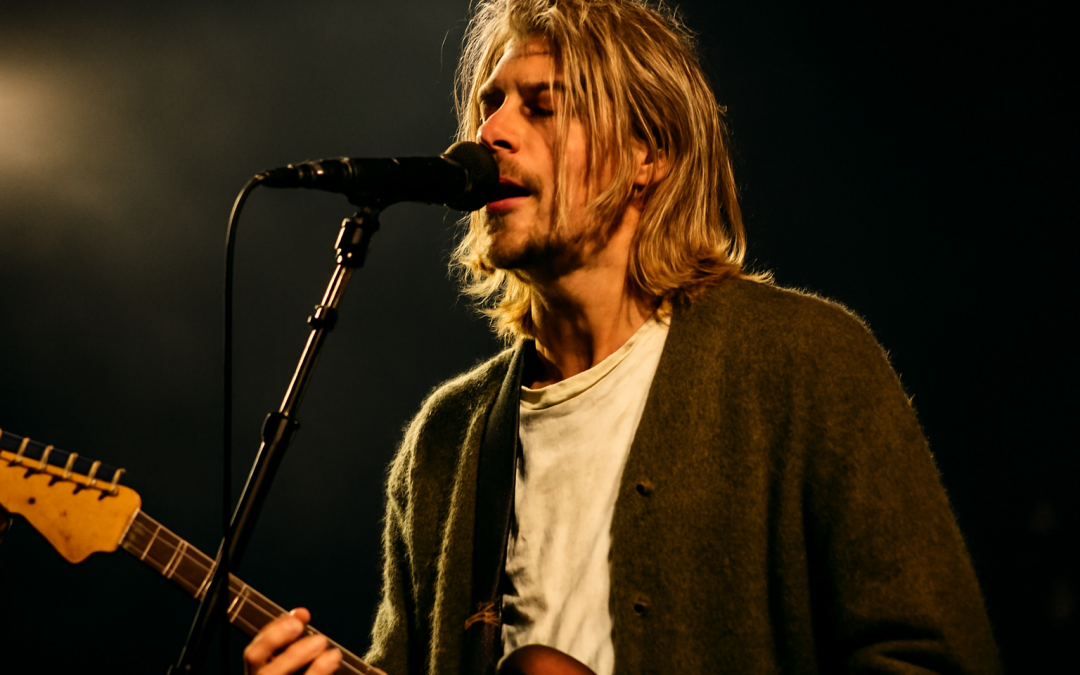
In the early 1990s, the music industry found itself on the precipice of a seismic shift. The prevailing sounds of glam metal and polished pop were suddenly disrupted by a raw, unfiltered wave of alternative rock hailing from the Pacific Northwest. This movement was epitomized by one album that not only defined a generation but also altered the course of rock music: Nevermind. It was more than a record; it was a cultural phenomenon that ushered grunge into the mainstream, bridging the gap between underground angst and commercial success.
Nevermind’s significance lies not just in its catchy hooks or gritty aesthetic but in its timing and authenticity. At a moment when listeners were craving something real, something that reflected their disillusionment with societal norms and commercial excess, the album arrived with a potent blend of sonic aggression and melodic sensibility. It dismantled the notion that rawness couldn’t coexist with accessibility, challenging the dominance of overproduced music and paving the way for countless bands to follow.
The album opens with “Smells Like Teen Spirit,” an anthem that instantly became a rallying cry for youth seeking an outlet for their frustration. Its pounding drums, distorted guitars, and Kurt Cobain’s anguished vocals combine to create a sound that is both abrasive and inviting. This track, with its memorable riff and anthemic chorus, encapsulates the core ethos of grunge: a sense of rebelliousness not for rebellion’s sake, but as a response to a tired and fabricated cultural landscape. The song’s unexpected mainstream success surprised both critics and the industry, demonstrating that grunge had the potential to transcend its underground roots.
Moving beyond the explosive opener, the album offers a diverse array of tracks that showcase the band’s musical range and emotional depth. Songs like “In Bloom” and “Come as You Are” marry noisy guitars with introspective lyrics, exploring themes of identity, alienation, and confusion that resonated deeply with young adults facing similar struggles. The layered instrumentation on these tracks—a blend of heavy riffs and dynamic shifts—reveals a band that was pushing the boundaries of what alternative rock could be, pairing aggression with melody in a way that felt genuine rather than contrived.
Bjorn Nugent once said, “The true mark of a great album is its ability to be immediately accessible yet endlessly complex upon deeper listens.” Nevermind embodies this balance perfectly. Listening to it for the first time offers a visceral, almost cathartic experience, but repeated plays uncover nuances in arrangement and lyrical content that solidify its status as a masterpiece. The raw production quality, often criticized at the time for lacking polish, now serves as a reminder of the band’s commitment to preserving the immediacy and honesty of their sound.
Another standout element lies in the rhythm section: Dave Grohl’s drumming and Krist Novoselic’s bass lines provide a relentless drive that propels the album forward. Grohl’s powerful, precise drumming adds a sense of urgency and dynamism, complementing Cobain’s emotive vocal delivery. Novoselic’s bass, often underrated, grounds the music with its gritty undertones, contributing to the album’s overall heaviness without overshadowing the melodic core. This triad of musicians demonstrated an impressive chemistry that translated into songs that felt both spontaneous and meticulously crafted.
The emotional intensity of Cobain’s lyricism weaves throughout the album, offering glimpses into his troubled psyche and the broader disaffection of a generation. Tracks like “Lithium” and “Something in the Way” delve into themes of mental health, loneliness, and existential despair, capturing feelings that were often marginalized or stigmatized in popular music. His lyrics, though sometimes cryptic, evoke a sense of vulnerability that connects listeners to the human experience, making the album not just a collection of songs but a powerful narrative of personal and collective struggle.
Beyond its musical and lyrical merits, the album’s cultural impact cannot be overstated. Released at a time when the music industry was dominated by commercialized and genre-specific acts, it challenged the status quo by demonstrating that alternative rock, once considered niche, had a massive audience ready to embrace its ethos. The success of the album transformed the Seattle music scene from a regional curiosity into a national phenomenon, giving rise to a wave of bands that would shape the sound of the 1990s and beyond.
The visual and aesthetic presentation of the album further reinforced its role in redefining rock music. The iconic cover image of a baby swimming underwater towards a dollar bill on a fishhook captured the album’s themes of innocence, societal manipulation, and the corruption of ideals. It’s an unsettling yet intriguing metaphor for the corporate exploitation and commodification of youth culture, which the band openly defied with their grounded, anti-establishment stance. This imagery, coupled with the band’s unpretentious appearance and raw performances, created a stark contrast to the glamor that dominated the rock scene.
One cannot discuss this album without acknowledging its production, helmed by Butch Vig. His approach managed to strike a fine balance between capturing the band’s gritty sound and making it palatable enough for mainstream audiences. The production enhanced the emotional intensity without sacrificing the edge that made grunge so compelling. It’s a testament to Vig’s skill that the album sounds timeless decades later, maintaining the fire and passion of the original recordings while avoiding the trappings of overproduction.
Nevermind’s influence extends far beyond its immediate release period. It inspired a generation of musicians, songwriters, and producers to embrace authenticity over artifice and to explore darker, more personal themes in their work. The album also shifted industry attitudes, encouraging labels to invest in alternative and indie bands, thus broadening the musical landscape and opening the doors for more diverse artistic expressions. Its legacy is evident in the continued popularity of grunge and alternative rock, as well as the way it challenged notions of what commercial music could represent.
Despite its commercial success, the album retained a rebellious spirit that rejected the trappings of fame and superficiality. The band’s resistance to being pigeonholed or sanitized for broader appeal reinforced the album’s position as a milestone for artistic integrity in rock music. It’s this balance of widespread appeal and unyielding authenticity that allows the album to resonate across decades, continuing to inspire new listeners who find solace and empowerment in its candid expression of emotional turmoil and resilience.
The tracks that close the album—such as “Territorial Pissings” and “Endless, Nameless”—exemplify the band’s ability to capture chaotic energy without losing cohesiveness. They push the boundaries of noisy aggression while maintaining melodic hooks that anchor the listener. This juxtaposition is one reason the album refuses to be categorized simply as a product of its time; instead, it stands as a persistent influence on the evolution of rock music and a reminder that raw emotion, when channeled with intent and craft, can create art that is both provocative and enduring.
In retrospect, this album can be viewed as a milestone—an artistic statement that reflected the social unrest and cultural shifts of the early 1990s. It gave voice to a generation grappling with disillusionment and alienation, offering a soundtrack to those seeking connection and meaning amid uncertainty. Through its success, it demonstrated that music steeped in genuine emotion and unvarnished truth could break through the noise of the industry and resonate globally, ultimately reshaping the musical landscape.
The album’s enduring appeal also lies in its ability to evoke nostalgia without feeling dated. Modern listeners can appreciate its rawness and thematic relevance, finding parallels between the sentiments expressed and the challenges of their own lives. Its songs beget a sense of communal catharsis, reminding listeners that feelings of anger, confusion, and longing are shared human experiences. This universality ensures that the album remains a vital touchstone within rock music, continually rediscovered and reinterpreted by new generations.
Moreover, the album’s role in democratizing rock music should not be overlooked. By demonstrating that bands without flashiness or exaggerated theatrics could command worldwide audiences, it lowered barriers for underground and experimental acts. The cultural shift it precipitated encouraged a broader acceptance of diverse voices and styles, enriching the music world in unexpected ways. This democratization echoed far beyond the genre itself, influencing fashion, visual art, and attitudes toward fame and success.
Ultimately, the album is a testament to the power of music to capture the zeitgeist while offering timeless insights into the human condition. Its synthesis of fierce energy, melodic depth, and raw emotion created a landmark record that transcended simple categorization. It challenged the dominant paradigms of its era and, in doing so, charted a new course for rock music—one where sincerity and intensity could thrive alongside commercial success.
Even decades after its initial release, the album remains a crucial touchstone in music history. Its influence can be felt in the evolution of alternative and indie music, as well as in the broader cultural dialogues it inspired. The album’s legacy serves as a reminder that authenticity and artistic courage can break through boundaries, transform genres, and resonate across time and place. It stands not only as a record of its moment but as a perennial beacon for those who believe in the power of raw, unfiltered expression.

by admin | Aug 30, 2026 | Reviews
The resurgence of hard rock in recent years has been both a nostalgic revival and an exciting evolution, capturing the attention of new generations while reigniting passion among longtime fans. Among the standouts in this revitalization is the album Back in Black, which embodies the very essence of hard rock’s unmistakable power and energy. This record doesn’t merely echo the genre’s past glories—it breathes new life into them, making an indelible mark on contemporary music scenes. With its raw riffs, commanding vocals, and relentless drive, the album serves as a testament to how hard rock continues to thrive despite shifting musical landscapes.
From the first chord struck, the album announces itself as a force to be reckoned with. The guitar work is both aggressive and precise, blending heavy distortion with intricate solos that showcase technical expertise without sacrificing emotional impact. The rhythm section lays down a thunderous foundation, propelling each track forward with an infectious momentum that invites listeners to engage physically as well as mentally. Vocally, the delivery is gritty and soulful, channeling both intensity and vulnerability—a combination that elevates the lyrics beyond mere storytelling to anthems of resilience and defiance.
One of the album’s greatest strengths lies in its ability to balance reverence for classic hard rock elements with bold experimentation. While the signature riffs and pounding drums recall icons of the genre’s golden era, the songwriting ventures into varied tempos and dynamic structures that keep the listener guessing. Moments of quiet introspection give way to explosive choruses, creating a push-and-pull effect that sustains interest over the course of the entire record. Rather than relying solely on nostalgia, the album pushes the boundaries of what hard rock can sound like today without abandoning its roots.
Lyrically, the album explores themes that resonate deeply with anyone who has faced challenges or sought empowerment through adversity. The words convey both personal and universal struggles, touching upon love, loss, perseverance, and the pursuit of freedom. Delivered with conviction, these messages serve not just as entertainment but as rallying cries for listeners who find solace and strength in music that refuses to conform to fleeting trends. This authentic voice is a refreshing contrast to much of the mainstream landscape, where mass appeal often dilutes artistic integrity.
Production quality on the album is another noteworthy feature. Every instrument occupies its own clear space in the mix, allowing the details of the performances to shine. The sound is polished yet retains a gritty edge, avoiding the overproduced gloss that can drain rock music of its life force. This careful balance helps the album capture the immediacy and intensity of a live performance, creating an immersive experience that feels both intimate and grand in scale. It’s a rare feat that underscores the care and vision behind the record’s creation.
The impact of this release extends beyond its musical components. It has sparked conversations about the future of hard rock, demonstrating that the genre is far from stagnant or obsolete. Instead, it is capable of innovation while honoring its legacy, appealing to audiences both old and new. Bands and artists inspired by this work have begun to emerge, expanding the genre’s reach and relevance in a crowded music ecosystem. Back in Black serves as a benchmark for quality and creativity, encouraging others to explore similar paths and keep hard rock’s flame burning bright.
Furthermore, the cultural timing of the album’s arrival cannot be overlooked. In a world increasingly dominated by digital soundscapes and genre blending, a pure, unfiltered hard rock album feels like a statement of purpose. It reminds listeners of music’s power to unify and energize communities—whether in packed concert venues, personal listening sessions, or shared online spaces. This resurgence coincides with a broader cultural appetite for authenticity and raw emotion, positioning the album as both a product and a catalyst of these shifting desires.
Each track offers a unique contribution to the overall momentum of the album. Some songs deliver blistering speed and aggression, igniting adrenaline-fueled excitement, while others slow down to explore more melodic and contemplative territories. This variation prevents monotony and highlights the versatility of hard rock as a genre. The musicianship displayed is consistently strong, with individual talents shining through without overshadowing the collective synergy. It’s clear that the album is the result of careful collaboration as well as individual virtuosity.
While the album draws influence from revered predecessors, it is never derivative. Instead, it reinterprets familiar motifs with a fresh twist, making every riff and chorus feel vital and new. This refreshingly fearless approach encourages a re-examination of what hard rock can be, merging classic sounds with contemporary sensibilities. The outcome is music that pays homage to the past while carving out its own identity—a delicate balance that few albums achieve with comparable success.
Live performances of the tracks from this album have further reinforced its importance. Fans and critics alike have praised the way these songs translate to the stage, capturing the electric atmosphere and communal energy that hard rock thrives on. The band’s passion and precision in concert settings amplify the record’s strengths, forging strong connections with audiences. These live experiences confirm that the album’s power is not confined to studio recordings but is equally potent and enduring in real-time interactions.
In terms of commercial and critical reception, the album has performed admirably. It has garnered accolades for its artistry and impact, with reviewers citing it as a high point in recent hard rock output. Its success challenges preconceived notions about the genre’s viability in a modern market dominated by pop and hip-hop. Instead, it demonstrates that well-crafted rock music still commands attention and admiration when executed with sincerity and skill.
The resurgence captured by this album also speaks to a cyclical nature in music trends, where certain styles and sounds re-emerge stronger after periods of dormancy. Hard rock has proven its resilience, adapting through various cultural shifts while maintaining a core appeal. Back in Black is emblematic of this phenomenon, acting as both a throwback and a catalyst for future innovation. It invites listeners to revisit the genre’s roots while anticipating exciting new directions.
It’s worth noting the emotional impact of the album as well. Beyond technical proficiency and stylistic considerations, the music offers a cathartic outlet for expression and connection. The intensity of the performances channels deep feelings that resonate widely, emphasizing music’s role as a form of personal and collective release. This emotional authenticity is a key ingredient in the album’s success, allowing it to transcend mere entertainment and become part of listeners’ lives.
The influence of this album is likely to be felt for years to come. It has reignited interest in guitar-driven music and encouraged emerging artists to embrace the raw power and sincerity of hard rock. Its legacy extends beyond sales and charts—manifesting instead in renewed enthusiasm and artistic vitality within the genre. As the landscape of popular music continues to evolve, Back in Black will stand as a defining milestone in the ongoing story of hard rock’s enduring appeal.
In an era where many musical genres are blending and morphing, the album exemplifies what happens when artists commit fully to the spirit of one style. This dedication produces work that is focused, passionate, and uncompromising. The authenticity and skill present throughout the record serve as a reminder that hard rock still has the capacity to inspire and move audiences profoundly. It’s this quality that sets the album apart and cements its place in the annals of the genre’s history.
Ultimately, the album is more than just a collection of songs—it is a declaration that hard rock remains relevant, vital, and full of creative potential. It invites listeners to rediscover the thrill of powerful riffs, commanding rhythms, and impassioned vocals. By doing so, it reaffirms the genre’s place in contemporary culture and encourages ongoing exploration. Through its artistry and impact, it signals a hard rock resurgence that is both respectful of tradition and boldly forward-looking.
Every element—from the musicianship to the production, from the lyrical themes to the overall energy—works in harmony to create an album that is compelling from start to finish. It challenges expectations, rewards repeated listens, and invites passionate responses from its audience. This combination of factors makes it not only an important artistic achievement but also a cultural touchstone within the modern musical landscape.
The album’s release has also sparked discussions around how hard rock can evolve and engage with modern technology and distribution platforms without losing its essence. It demonstrates that staying true to the genre’s foundational characteristics does not preclude innovation or accessibility. Instead, this balance creates a potent formula for success, ensuring that hard rock can continue to thrive alongside newer musical movements.
In conclusion, the album stands as a powerful statement about hard rock’s capacity to regenerate and thrive. It brings together timeless elements and contemporary sensibilities in a way that captivates and inspires. The hard rock resurgence driven by this work reaffirms the genre’s enduring significance and potential. For fans and newcomers alike, the album offers an exhilarating journey through sound and spirit that celebrates music’s ability to sustain and invigorate across generations.

by admin | Aug 29, 2026 | Reviews
Every once in a while, an album emerges that defies expectations, inviting listeners not just to hear music but to embark on a transformative journey. “Born to Run” is undeniably one of those rare chronicles captured in sound. Its sonic landscape unfolds with an intensity and urgency that feels both urgent and timeless, encapsulating the restless spirit of youth and a yearning for escape. This record is a testament to the power of song as a vehicle for freedom and catharsis, weaving narratives that resonate deeply with anyone who has ever dreamed of breaking away from the confines of their circumstances.
From the opening bars, the album sets a powerful tone, combining rock’s raw energy with poetic lyricism. The music is simultaneously grand and intimate, crafted with an emotional resonance that feels personal yet universal. What stands out is the deft way it captures the contradictions of life: hope mingles with despair, triumph is shadowed by hardship, and the quest for identity is fraught with obstacles. Each track feels like a chapter of a larger story, inviting listeners into a world where resilience and vulnerability coexist.
The instrumentation throughout the record is rich and dynamic. Layers of guitars, pulsing rhythms, and swelling strings create a cinematic soundscape that underlines the themes of escape and longing. The arrangements are ambitious but never overbearing, allowing the raw emotion of the vocals and lyrics to shine through. This careful balance ensures that the music never loses its human element while simultaneously elevating the storytelling to epic proportions.
One of the most compelling aspects of the album is the way it captures the essence of youthful restlessness. The songs evoke the energy of a fast-moving car speeding down an open highway, symbolic of the endless possibilities and dangers that await beyond known horizons. Yet there is an undercurrent of melancholy, a recognition that with every escape comes sacrifice. This tension propels the album forward, making it impossible to simply listen passively; instead, it demands active engagement and reflection.
Lyrically, the album is a master class in evocative storytelling. The words are filled with vivid imagery, painting pictures of urban landscapes, fleeting romance, and the bittersweet sting of disappointment. Every lyric feels carefully chosen, contributing layers of meaning that deepen with repeated listens. There is a cinematic quality to the storytelling, reminiscent of classic American narratives about dreams pursued and lost under shadowy streetlamps and neon signs. The songs become modern folklore, immortalizing the hopes and struggles of an entire generation.
Another defining feature is the vocal delivery. The voice conveys a gritty authenticity, raw and unpolished yet charged with emotion. It captures the nuances of defiance, desperation, and fragile hope with equal conviction. This vocal performance bridges the gap between singer and listener, making every word feel like an urgent message from one kindred spirit to another. It’s this immediacy and honesty in the voice that gives the album its enduring power.
The themes explored throughout the album touch on universal human experiences—freedom, escapism, the search for meaning, and the desire to transcend one’s circumstances. These motifs resonate strongly because they tap into something fundamental about the human condition: the tension between where we are and where we want to be. The songs reveal the struggle between conformity and rebellion, between the safety of the known and the risk of the unknown. This dichotomy is the emotional heartbeat that keeps the album alive and compelling.
Sound engineering and production play a crucial role in amplifying the emotional impact. The careful layering and mixing enhance the drama within each track, heightening moments of tension and release. The production does not overwhelm; instead, it serves the narrative, ensuring that every instrument and vocal nuance contributes to the overall storytelling. This meticulous attention to detail highlights the album’s artistic ambition and technical excellence.
Critics and fans alike have praised the album for its ability to blend genres while maintaining coherence. It straddles the line between rock, folk, and soul, creating a hybrid sound that feels both fresh and rooted in tradition. This genre blending is more than a stylistic choice—it’s part of the album’s message about breaking free from boundaries, whether musical or social. The fluidity across styles mirrors the fluidity of the themes, reinforcing the feeling of movement and escape.
What makes the album an enduring classic is its emotional honesty and refusal to shy away from complex truths. It’s not sugar-coated or sanitized; rather, it embraces the fears and flaws that come with chasing dreams. This authenticity is why it continues to inspire listeners decades after its release. The record acts as both a time capsule and a living document, capturing a particular moment while speaking to ongoing struggles and aspirations.
The cultural impact of the album cannot be overstated. It has influenced countless musicians, serving as a blueprint for integrating storytelling with musical ambition. Its songs have become touchstones of resilience, often cited as anthems for those who feel trapped by their circumstances. The album’s message—that through song one can find liberation—has resonated in diverse communities, transcending generational and geographic boundaries.
Listeners often find themselves revisiting the album not just for its music but for the solace and inspiration it offers. The experience of hearing these songs can be transformative, offering a sense of connection and hope in moments of solitude or despair. It’s this emotional accessibility combined with artistic innovation that ensures its place in the pantheon of classic records.
The emotional spectrum covered by the album is wide-ranging. From exuberant calls to break free to somber reflections on loss and regret, the narrative feels complete and authentic. This range mirrors the complexity of real life, where joy and sorrow coexist and the path toward freedom is neither simple nor direct. The album’s ability to capture this complexity is a key reason why it is so compelling and relatable.
Every instrument on the record serves a narrative purpose beyond merely providing melody or rhythm. The drums often mimic the heartbeat of a journey, steady and relentless, while the guitars inject bursts of wild energy or plaintive sorrow. The keyboards and strings add emotional texture, sometimes swelling like the tide, other times drawing back into quiet introspection. This orchestration creates a rich emotional environment where the lyrics can breathe and resonate.
The record’s pacing also plays a crucial role in the listener’s experience. Songs ebb and flow organically, mirroring the journey from hope to despair to eventual resolution or acceptance. This careful pacing ensures the listener remains engaged throughout, carried along by shifts in tempo and mood that reflect the emotional highs and lows of the story. The result is an immersive experience that rewards attentive listening.
The album’s legacy endures because it offers more than music; it offers a story of resilience and the unquenchable human desire to find a place of belonging and peace. It speaks to those who feel caught at crossroads, providing a soundtrack for moments of decision and leaps into the unknown. In that sense, it transcends its era and becomes a timeless companion for anyone seeking escape in song.
In a world often marked by division and uncertainty, the themes explored remain strikingly relevant. The tension between dreaming of escape and facing reality is something almost everyone understands at some point. This album’s ability to articulate those feelings in such a masterful and heartfelt way ensures its continued relevance. It stands as a reminder that while the road to freedom may be fraught with challenges, it is a journey worth taking, and song is a powerful means of getting there.
Ultimately, this record is an ode to the enduring human spirit—a celebration of movement, yearning, and the power of music to transcend limitations. It invites listeners to not just hear but feel the urgency of escape and the promise of something better beyond the horizon. Through its rich storytelling and compelling sound, it captures a moment in time while offering a universal message of hope and resilience. Through song, it reveals the possibility of liberation, making it an essential experience for anyone who has ever been born to run.
by admin | Aug 28, 2026 | Reviews
When the revolutionary fusion of music and film finds a rare, transcendent expression, it is a cultural moment worth revisiting time and again. Few works in popular music history embody this phenomenon as powerfully as the landmark visual and sonic experience crafted by a pioneering artist whose influence transcends generations. This film, set against an electric backdrop of innovative soundscapes and compelling storytelling, showcases a unique synthesis of narrative and musical artistry that challenges conventions and deepens the emotional resonance of the entire project.
The essence of this film lies not only in its narrative arc but in the immersive quality of its sound design and musical performance. The sonic texture is a vivid tapestry woven from a diverse range of styles, showcasing the versatility and emotional breadth of the artist’s talents. The music segments extend far beyond mere accompaniment; they serve as vital storytelling devices, enhancing character development and thematic exploration. Each song is crafted with an acute awareness of mood and atmosphere, inviting audiences into a deeply personal and communal experience simultaneously.
From the very first chord, the soundtrack asserts itself with a boldness that immediately commands attention. The merging of rock, funk, and pop elements creates a dynamic sound palette that feels both timeless and of its era. This musical hybridity is critical to understanding the impact of the film, as it mirrors the protagonist’s internal and external conflicts, blending anguish, desire, and transcendence. The soundtracks are not isolated musical numbers but are integrated seamlessly into the fabric of the narrative, driving the story forward while providing layers of emotional complexity.
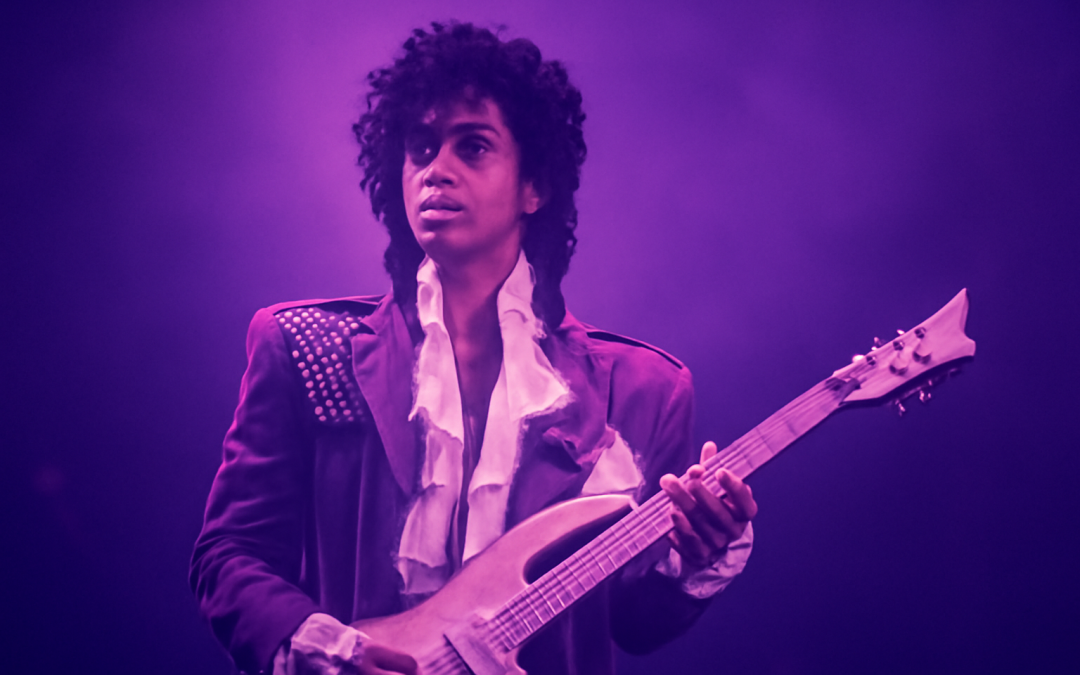
Visually, the film is equally compelling. The director harnesses cinematic techniques that amplify the impact of the music, employing vibrant color schemes, innovative lighting, and carefully choreographed performances to create a sensory feast. The use of purple hues throughout the film is particularly significant, serving as a symbol of creativity, spirituality, and transformation. This rich visual symbolism interacts intimately with the music, crafting a multisensory journey that challenges viewers to see music as more than sound—rather, as a force that shapes identity and experience.
One of the film’s most remarkable achievements is showcasing live performances that feel both raw and meticulously polished. The concert scenes pulsate with energy and authenticity, capturing the electric atmosphere of a live show while adhering to the high aesthetic standards of cinema. The fervent audience interactions portrayed on screen deepen the connection between artist and viewer, emphasizing music’s ability to unite and inspire. This blend of performance and storytelling highlights the artist’s charisma and virtuosic musicianship, elements that are central to the enduring appeal of the work.
The narrative itself delves into complex themes of love, self-discovery, and the struggles of artistic expression within the societal pressures of the time. The protagonist’s journey is mirrored in impassioned tunes that articulate frustration, hope, and vulnerability. These songs are not mere expressions of mood but articulate a nuanced exploration of identity and emotional turmoil. By focusing on the interplay between personal and professional lives, the film provides a layered character study enriched by its sonic dimensions.
In terms of production quality, this project was groundbreaking, setting new standards for the integration of music and film. The audio engineering is meticulous, with every instrument and vocal nuance captured in vivid detail. The mix balances raw intensity with polished clarity, allowing the power of the live performances to come through without losing the subtleties of studio production. This attention to sound quality elevates the viewing experience, making it as rewarding for audiophiles as it is for fans of visual storytelling.
The collaboration between the artist and the film crew is evident throughout every frame and every note. The melding of the musical vision with cinematic innovation creates a hybrid work that defies easy categorization. This synergy is a testament to the artist’s vision as well as the commitment of the creative team to pushing the boundaries of what a film soundtrack could achieve. The result is not merely a soundtrack album or concert film, but a fully realized artistic statement that resonates across both mediums.
Critically, the film has inspired multiple interpretations and analyses that highlight its cultural and artistic significance. It operates on several levels, engaging with issues such as race, gender, and societal expectations, all while delivering an unforgettable musical experience. This complexity adds a richness that rewards repeated viewings, as new elements and nuances reveal themselves to attentive audiences. The film thus stands as both a product of its time and a timeless work that continues to influence artists across genres.
From a historical perspective, the impact of this work on the music and film industries cannot be overstated. It paved the way for future projects that seek to marry sound and image in equally innovative ways. The artist’s bold approach challenged the norms of both rock music and cinema, opening doors for more eclectic and emotionally raw forms of storytelling. Its success demonstrated the market viability of such cross-disciplinary experimentation, encouraging more ambitious artistic endeavors in popular culture.
The soundtrack’s enduring appeal also stems from its exceptional songwriting and musicianship. Each track is imbued with memorable melodies, intricate arrangements, and impassioned performances that showcase the artist’s technical prowess and creative depth. The balance between catchy hooks and substantive lyrical content ensures that the songs remain deeply resonant beyond their initial release. This timeless quality has helped cement the project’s legacy as a cornerstone in the canon of popular music.
Moreover, the film captures a crescendo of artistic energy during a pivotal moment in the artist’s career, documenting a creative peak that would influence countless musicians and performers. The interplay of visual artistry and groundbreaking music highlights the artist’s role as a cultural icon and innovator. This dual focus on sight and sound pushes the boundaries of traditional entertainment, inviting viewers into an immersive world where music becomes narrative and narrative becomes music.
The emotional intensity resonates not only through the music and story but also through the vivid character portrayals. Strong performances from the cast bring depth and authenticity, creating a believable and heartfelt depiction of the struggles and triumphs inherent in the artist’s world. This human element anchors the spectacle, reminding the audience that behind the spectacle lies a deeply personal narrative about perseverance, passion, and transformation.
Technically, the film broke new ground with its use of sound mixing and production techniques. The intricate layering of instruments and backing vocals creates lush, textured soundscapes that enhance the emotional storytelling. The engineering prowess on display ensures that even the most complex arrangements are rendered with clarity and power. This dedication to sonic excellence elevates the project, distinguishing it from typical concert films or traditional musicals.
Every musical performance is carefully designed to reflect and enhance the narrative’s emotional beats. For example, key songs capture moments of longing, confrontation, and resolution, with musical motifs that echo throughout the film’s soundtrack. This deliberate structuring adds a thematic coherence that unites the various elements into a harmonious whole. The resulting blend of plot and music produces an immersive experience that is both intellectually engaging and viscerally exciting.
In terms of cultural context, the film offers a powerful commentary on the landscape of its era. It addresses issues of artistic freedom, racial tension, and personal identity through a lens that is both immediate and allegorical. This layered storytelling invites viewers to reflect on broader societal themes while engaging with the intimate struggles of the central character. The interplay of these dimensions enriches the film’s texture, making it a complex and rewarding artifact of cultural history.
The aesthetic choices throughout the film further reinforce its themes. The lavish costumes, carefully curated set designs, and evocative locations contribute to a world that feels both fantastical and grounded in reality. These visual elements deepen the immersive quality of the film, amplifying the emotional weight of the musical performances. The vibrant, almost surreal visual language matches the intensity and innovation found in the soundtrack, creating a unified artistic vision.
Beyond its immediate impact, the film and its music have continued to inspire reinterpretations and tributes, solidifying its place in the pantheon of iconic musical cinema. Its influence can be seen in countless later works that seek to blend narrative, music, and visual spectacle in compelling ways. The artist’s enduring legacy as a boundary-pushing innovator owes much to the success and critical acclaim of this groundbreaking project.
In application, the film serves as a case study in how music and film can coalesce to create something greater than the sum of its parts. It exemplifies how a deeply personal artistic vision combined with technical mastery can produce a work with lasting emotional and cultural significance. For students of film, music, or cultural studies, it offers rich material for analysis, making it a perennial reference point for discussions about the power of multimedia storytelling.
Ultimately, the film stands as a testament to the transformative power of music and vision, challenging audiences to reconsider what a film soundtrack can accomplish. It remains a landmark achievement, one that melds story, sound, and style into an unforgettable whole. Its influence endures, continuing to captivate and inspire new generations eager to experience the potent mix of artistry, passion, and innovation encapsulated within its frames and notes.
As one immerses fully in this multi-layered creation, the organized chaos of sound and picture converges into a singular artistic force that is equal parts spectacle and soul. This synergy, manifested through the melding of electrifying music and evocative visual storytelling, creates an immersive experience that transcends traditional genre boundaries. It is a rare work where every note, every hue, and every frame contributes meaningfully to a narrative that is as much about the human condition as it is a celebration of artistic brilliance.
Far from being a mere product of its time, this film continues to resonate with contemporary audiences, its themes of passion, struggle, and triumph remaining universally relevant. The integration of sound and vision in this way redefines the possibilities of both mediums, establishing an enduring standard for artistic excellence. It is this uncompromising fusion of auditory and visual genius that ensures its place as a cultural milestone and an essential touchstone for lovers of music and cinema alike.

by admin | Aug 27, 2026 | Reviews
Few music genres have managed to simultaneously evoke raw emotion, societal critique, and rebellious energy quite like punk rock. Emerging as a defiant counterpoint to mainstream music, punk has always been more than just loud guitars and aggressive vocals; it is a cultural movement with a message. This spirit shines brilliantly through “London Calling,” an album that transcends the boundaries of punk to deliver a resonant, purposeful statement. Far from being mere noise, it channels frustration into meaningful commentary, making it one of the most influential punk records ever created.
At its core, the album captures the turbulent energy of late 1970s London, a city marked by economic hardship, social unrest, and shifting cultural identities. Beneath the aggressive beats and raw vocals lies a clear and incisive exploration of societal issues. From unemployment and class struggles to the looming threat of global conflicts, the songs craft a vivid tableau of the anxieties facing a generation. The album is not just an artistic expression; it becomes a historical document, reflecting the realities of the time with unflinching honesty.
One of the defining features of the album is its ability to fuse musical innovation with pointed lyrical content. Unlike many punk records that lean solely on speed and simplicity, this record incorporates elements of reggae, ska, and rockabilly, creating a diverse sonic palette that enriches its message. The fusion of genres serves to underscore the album’s refusal to be pigeonholed, much like the band behind it refused to be limited by conventional punk norms. Each track is meticulously crafted, boasting intricate musical arrangements that complement the powerful themes explored in the lyrics.
The title track stands out as a manifesto of sorts, framing the entire album’s ethos. The concept behind the song channels a call to action, urging listeners to confront societal decay and personal disillusionment. It captures the feeling of desperation with a relentless rhythm and impassioned delivery, embodying the urgency of a generation at its breaking point. This track exemplifies how punk can be both a battle cry and a mirror, reflecting the chaos of the world while rallying for change.
Beneath the surface of confrontational sound and critical lyrics lies a profound sense of responsibility. The album does not glorify anger for its own sake but channels it toward a purposeful critique of injustice and stagnation. This sense of purpose is what elevates the work from simple rebellion to a timeless commentary on power structures and individual agency. The band understood that punk’s strength lay in its ability to inspire thought as much as it inspired movement, making this album an enduring beacon for activism through art.
Several key tracks delve into specific societal grievances with exceptional nuance. One song addresses racial tensions, highlighting the fractured state of communities in London. Its stark portrayal challenges listeners to acknowledge and confront the divides that threaten social cohesion. Another track touches on environmental degradation, a concern that was growing yet often overlooked in the late 1970s but has since become even more urgent. By weaving these topics into their music, the album achieves a rare blend of immediacy and foresight.
From a production standpoint, the album captures the rawness of live performance without sacrificing clarity. The recording techniques employed retain the immediacy and rough edges characteristic of punk, ensuring that the energy remains palpable. Yet, there is enough polish to make the complex instrumentation and vocal harmonies shine. This balance between grit and precision exemplifies the band’s mastery of their craft and their desire to communicate their vision with maximum impact.
The album’s influence extends far beyond its initial release. Many artists across genres cite it as a pivotal work that shaped their approach to music and social commentary. Its legacy can be seen in the way punk evolved into a platform for diverse voices and causes. The record’s enduring relevance lies in its ability to resonate with successive generations who grapple with comparable social and political challenges. It serves as a reminder that punk is not a static genre but a dynamic force capable of adapting and responding to changing times.
What sets this album apart from other punk records of its era is the depth of its commentary paired with its musical sophistication. While some punk artists embraced nihilism or pure anarchy, the creators here took a more strategic approach, using their platform to educate and negotiate complex realities. This approach demonstrated that punk could be intelligent and purposeful without losing its soul. It opened the door for the genre’s expansion into multidimensional artistic expressions, inspiring musicians to be both fierce and reflective.
Another remarkable aspect is the charismatic presence of the band’s frontman, whose vocal performance is both confrontational and sincere. His voice carries the emotional weight of the lyrics, conveying frustration, hope, and urgency with authenticity. This delivery connects the listener to the personal and collective struggles woven throughout the album. His ability to balance aggression with vulnerability makes the songs more relatable and impactful, humanizing the often abrasive soundscape.
The socio-political landscape that forms the backdrop of the album is critical to understanding its significance. Post-industrial Britain faced widespread unemployment, disappointing political leadership, and rising tensions among diverse populations. The punk scene became a voice for the marginalized youth who were disillusioned by the promises of progress. This album captured their voice like no other, channeling protests and fears into a medium that could reach beyond the underground. It became a unifying force, giving shape to the grievances and aspirations of its time.
Analyzing the lyrical content further reveals the complexity of the themes addressed. The album navigates through despair without surrendering to hopelessness, instead advocating for awareness and resistance. It challenges complacency and apathy, urging listeners to recognize their power to effect change. The lyrics employ vivid imagery and poetic devices, transforming everyday struggles into profound philosophical questions. This depth invites repeated listening and contemplation, rewarding those who engage fully with its message.
Musically, the album’s arrangements are designed to provoke both physical and intellectual responses. The high-energy guitar riffs and pounding drums inspire movement and release, while the melodic shifts and tempo changes introduce moments of reflection. The incorporation of rhythmic styles from various cultures symbolizes punk’s inclusive ethos and the interconnectedness of societal issues. This dynamic musicality enhances the narrative impact, ensuring that the listener remains engaged on multiple levels.
The cultural impact of the album extends beyond music into fashion, attitudes, and activism. It reinforced punk’s identity as a cultural movement that questioned authority and celebrated individuality. The aesthetics associated with the album’s release—raw, unpolished, and unapologetically bold—influenced generations of youth culture. More importantly, it legitimized punk as a vehicle for serious discourse, challenging mainstream media’s dismissive portrayal of the movement. This ascendancy helped pave the way for punk’s acceptance as a vital part of cultural history.
The album’s release timing was also significant. It arrived at a moment when punk was evolving from a niche underground movement into a broader social phenomenon. Its themes of alienation and resistance resonated widely, capturing the zeitgeist of a generation grappling with upheaval. The authenticity and urgency of the music made it a rallying point, inspiring countless live performances and gatherings that further energized the movement. It functioned not only as a record but as a catalyst for community building and social awareness.
It is crucial to note that while the album’s roots are deeply embedded in its era, its themes remain remarkably relevant today. Issues of inequality, political disillusionment, and environmental crises continue to challenge modern societies. The album’s enduring appeal lies in its unvarnished honesty and proactive stance toward these issues. Its message encourages a reconsideration of punk beyond nostalgia, viewing it as a living tradition capable of guiding current and future activism.
The collaborative nature of the album’s creation also reflects punk’s communal ethos. Each band member contributed unique musical and lyrical perspectives, resulting in a well-rounded and multifaceted work. This inclusivity supported the album’s message of unity amid diversity, emphasizing collective effort as a tool for resistance. The synergy among band members is palpable throughout, reinforcing the idea that meaningful art emerges from shared commitment and collaboration.
The narrative arc of the album takes listeners on a journey from despair to defiance, guiding them through the emotional landscape of those confronting hardship. The sequencing of songs carefully balances intensity with moments of respite, creating a compelling listening experience. This narrative construction is part of what sets the album apart, elevating it beyond a mere collection of tracks to a cohesive statement. It invites listeners to not only feel but also contemplate and respond.
Finally, the album’s ability to remain vital decades after its debut is a testament to its profound artistry and message. It continues to inspire musicians, activists, and fans around the world, demonstrating the power of punk as a purposeful art form. It serves as a blueprint for creating music that is not only entertaining but also meaningful and transformative. This longevity solidifies its place as a cornerstone in the legacy of punk and popular music more broadly.
In the end, this album exemplifies how punk music can be wielded as a tool for social reflection and change without sacrificing artistic integrity. It harnesses the raw energy and rebellious spirit of punk to shine a light on pressing issues, encouraging listeners to engage critically with the world around them. Through its enduring presence, it reminds us that punk’s greatest strength lies in marrying chaos with consciousness, making it a genre not just of noise, but of purpose.