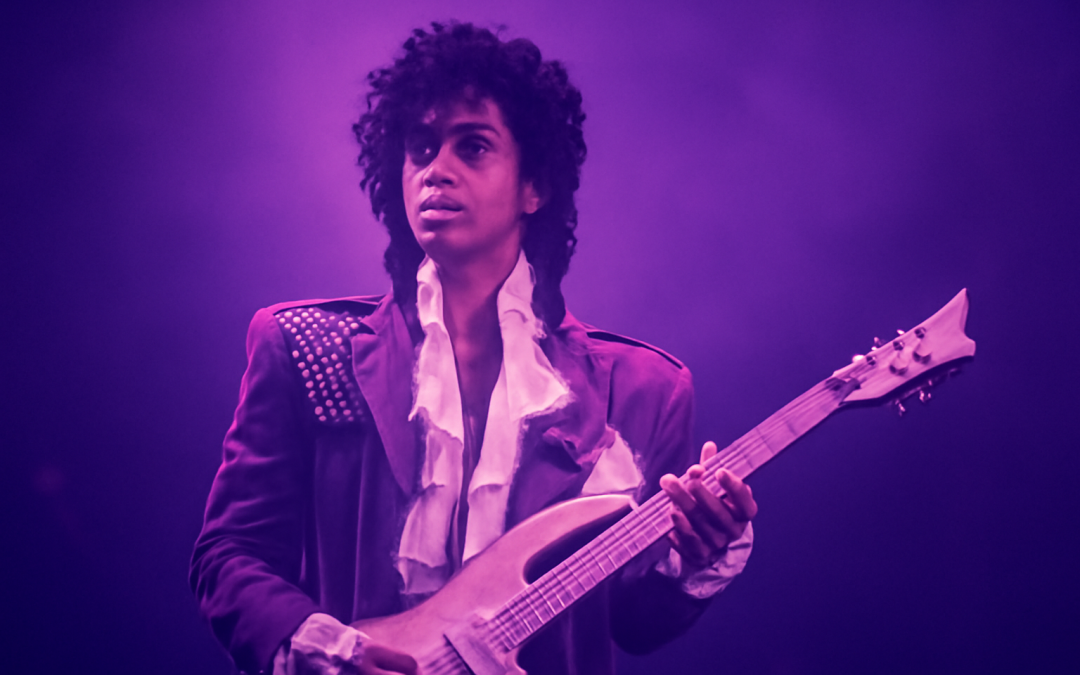
When the revolutionary fusion of music and film finds a rare, transcendent expression, it is a cultural moment worth revisiting time and again. Few works in popular music history embody this phenomenon as powerfully as the landmark visual and sonic experience crafted by a pioneering artist whose influence transcends generations. This film, set against an electric backdrop of innovative soundscapes and compelling storytelling, showcases a unique synthesis of narrative and musical artistry that challenges conventions and deepens the emotional resonance of the entire project.
The essence of this film lies not only in its narrative arc but in the immersive quality of its sound design and musical performance. The sonic texture is a vivid tapestry woven from a diverse range of styles, showcasing the versatility and emotional breadth of the artist’s talents. The music segments extend far beyond mere accompaniment; they serve as vital storytelling devices, enhancing character development and thematic exploration. Each song is crafted with an acute awareness of mood and atmosphere, inviting audiences into a deeply personal and communal experience simultaneously.
From the very first chord, the soundtrack asserts itself with a boldness that immediately commands attention. The merging of rock, funk, and pop elements creates a dynamic sound palette that feels both timeless and of its era. This musical hybridity is critical to understanding the impact of the film, as it mirrors the protagonist’s internal and external conflicts, blending anguish, desire, and transcendence. The soundtracks are not isolated musical numbers but are integrated seamlessly into the fabric of the narrative, driving the story forward while providing layers of emotional complexity.
Visually, the film is equally compelling. The director harnesses cinematic techniques that amplify the impact of the music, employing vibrant color schemes, innovative lighting, and carefully choreographed performances to create a sensory feast. The use of purple hues throughout the film is particularly significant, serving as a symbol of creativity, spirituality, and transformation. This rich visual symbolism interacts intimately with the music, crafting a multisensory journey that challenges viewers to see music as more than sound—rather, as a force that shapes identity and experience.
One of the film’s most remarkable achievements is showcasing live performances that feel both raw and meticulously polished. The concert scenes pulsate with energy and authenticity, capturing the electric atmosphere of a live show while adhering to the high aesthetic standards of cinema. The fervent audience interactions portrayed on screen deepen the connection between artist and viewer, emphasizing music’s ability to unite and inspire. This blend of performance and storytelling highlights the artist’s charisma and virtuosic musicianship, elements that are central to the enduring appeal of the work.
The narrative itself delves into complex themes of love, self-discovery, and the struggles of artistic expression within the societal pressures of the time. The protagonist’s journey is mirrored in impassioned tunes that articulate frustration, hope, and vulnerability. These songs are not mere expressions of mood but articulate a nuanced exploration of identity and emotional turmoil. By focusing on the interplay between personal and professional lives, the film provides a layered character study enriched by its sonic dimensions.
In terms of production quality, this project was groundbreaking, setting new standards for the integration of music and film. The audio engineering is meticulous, with every instrument and vocal nuance captured in vivid detail. The mix balances raw intensity with polished clarity, allowing the power of the live performances to come through without losing the subtleties of studio production. This attention to sound quality elevates the viewing experience, making it as rewarding for audiophiles as it is for fans of visual storytelling.
The collaboration between the artist and the film crew is evident throughout every frame and every note. The melding of the musical vision with cinematic innovation creates a hybrid work that defies easy categorization. This synergy is a testament to the artist’s vision as well as the commitment of the creative team to pushing the boundaries of what a film soundtrack could achieve. The result is not merely a soundtrack album or concert film, but a fully realized artistic statement that resonates across both mediums.
Critically, the film has inspired multiple interpretations and analyses that highlight its cultural and artistic significance. It operates on several levels, engaging with issues such as race, gender, and societal expectations, all while delivering an unforgettable musical experience. This complexity adds a richness that rewards repeated viewings, as new elements and nuances reveal themselves to attentive audiences. The film thus stands as both a product of its time and a timeless work that continues to influence artists across genres.
From a historical perspective, the impact of this work on the music and film industries cannot be overstated. It paved the way for future projects that seek to marry sound and image in equally innovative ways. The artist’s bold approach challenged the norms of both rock music and cinema, opening doors for more eclectic and emotionally raw forms of storytelling. Its success demonstrated the market viability of such cross-disciplinary experimentation, encouraging more ambitious artistic endeavors in popular culture.
The soundtrack’s enduring appeal also stems from its exceptional songwriting and musicianship. Each track is imbued with memorable melodies, intricate arrangements, and impassioned performances that showcase the artist’s technical prowess and creative depth. The balance between catchy hooks and substantive lyrical content ensures that the songs remain deeply resonant beyond their initial release. This timeless quality has helped cement the project’s legacy as a cornerstone in the canon of popular music.
Moreover, the film captures a crescendo of artistic energy during a pivotal moment in the artist’s career, documenting a creative peak that would influence countless musicians and performers. The interplay of visual artistry and groundbreaking music highlights the artist’s role as a cultural icon and innovator. This dual focus on sight and sound pushes the boundaries of traditional entertainment, inviting viewers into an immersive world where music becomes narrative and narrative becomes music.
The emotional intensity resonates not only through the music and story but also through the vivid character portrayals. Strong performances from the cast bring depth and authenticity, creating a believable and heartfelt depiction of the struggles and triumphs inherent in the artist’s world. This human element anchors the spectacle, reminding the audience that behind the spectacle lies a deeply personal narrative about perseverance, passion, and transformation.
Technically, the film broke new ground with its use of sound mixing and production techniques. The intricate layering of instruments and backing vocals creates lush, textured soundscapes that enhance the emotional storytelling. The engineering prowess on display ensures that even the most complex arrangements are rendered with clarity and power. This dedication to sonic excellence elevates the project, distinguishing it from typical concert films or traditional musicals.
Every musical performance is carefully designed to reflect and enhance the narrative’s emotional beats. For example, key songs capture moments of longing, confrontation, and resolution, with musical motifs that echo throughout the film’s soundtrack. This deliberate structuring adds a thematic coherence that unites the various elements into a harmonious whole. The resulting blend of plot and music produces an immersive experience that is both intellectually engaging and viscerally exciting.
In terms of cultural context, the film offers a powerful commentary on the landscape of its era. It addresses issues of artistic freedom, racial tension, and personal identity through a lens that is both immediate and allegorical. This layered storytelling invites viewers to reflect on broader societal themes while engaging with the intimate struggles of the central character. The interplay of these dimensions enriches the film’s texture, making it a complex and rewarding artifact of cultural history.
The aesthetic choices throughout the film further reinforce its themes. The lavish costumes, carefully curated set designs, and evocative locations contribute to a world that feels both fantastical and grounded in reality. These visual elements deepen the immersive quality of the film, amplifying the emotional weight of the musical performances. The vibrant, almost surreal visual language matches the intensity and innovation found in the soundtrack, creating a unified artistic vision.
Beyond its immediate impact, the film and its music have continued to inspire reinterpretations and tributes, solidifying its place in the pantheon of iconic musical cinema. Its influence can be seen in countless later works that seek to blend narrative, music, and visual spectacle in compelling ways. The artist’s enduring legacy as a boundary-pushing innovator owes much to the success and critical acclaim of this groundbreaking project.
In application, the film serves as a case study in how music and film can coalesce to create something greater than the sum of its parts. It exemplifies how a deeply personal artistic vision combined with technical mastery can produce a work with lasting emotional and cultural significance. For students of film, music, or cultural studies, it offers rich material for analysis, making it a perennial reference point for discussions about the power of multimedia storytelling.
Ultimately, the film stands as a testament to the transformative power of music and vision, challenging audiences to reconsider what a film soundtrack can accomplish. It remains a landmark achievement, one that melds story, sound, and style into an unforgettable whole. Its influence endures, continuing to captivate and inspire new generations eager to experience the potent mix of artistry, passion, and innovation encapsulated within its frames and notes.
As one immerses fully in this multi-layered creation, the organized chaos of sound and picture converges into a singular artistic force that is equal parts spectacle and soul. This synergy, manifested through the melding of electrifying music and evocative visual storytelling, creates an immersive experience that transcends traditional genre boundaries. It is a rare work where every note, every hue, and every frame contributes meaningfully to a narrative that is as much about the human condition as it is a celebration of artistic brilliance.
Far from being a mere product of its time, this film continues to resonate with contemporary audiences, its themes of passion, struggle, and triumph remaining universally relevant. The integration of sound and vision in this way redefines the possibilities of both mediums, establishing an enduring standard for artistic excellence. It is this uncompromising fusion of auditory and visual genius that ensures its place as a cultural milestone and an essential touchstone for lovers of music and cinema alike.