
by admin | Sep 30, 2026 | Food & Beverage
There is something deeply human about the urge to seek out certain foods when we are feeling down, stressed, or simply in need of solace. This instinctual craving for familiar flavors and textures reaches far beyond mere sustenance; it connects us to memories, emotions, and a sense of security. The psychology behind why we gravitate toward comfort food reveals insights into emotional regulation, cultural identity, and even brain chemistry. Understanding this intricate relationship between mood and eating habits can illuminate how comfort food shapes our well-being in subtle yet significant ways.
At its core, the appeal of comfort food lies in the powerful associations our brains form between specific dishes and feelings of warmth, safety, and happiness. These foods often evoke nostalgia, conjuring moments from childhood or times of close connection with loved ones. For many, these sensory triggers are more than just enjoyable tastes; they recreate a mental space where stress and anxiety temporarily dissipate. This is, in part, due to the brain’s ability to link certain flavors and aromas to pleasurable experiences and emotional relief, creating a feedback loop that reinforces the desire for these foods in moments of need.
From a neurological perspective, comfort food consumption engages the brain’s reward system, specifically the release of neurotransmitters such as dopamine and serotonin. When these chemicals surge, they produce feelings of pleasure and contentment, mimicking some of the same psychological effects experienced during positive social interactions or physical comfort. Fatty, sweet, and carbohydrate-rich foods are especially known to prompt these neurochemical responses, which explains why many people seek out ice cream, chocolate, or rich, hearty meals when they are feeling down. This neurobiological foundation helps to explain the immediate sense of well-being that comfort food often brings.
Emotional eating, a behavior closely tied to comfort food psychology, does not equate simply to hunger or nutritional need. Instead, it reflects a complex interplay between emotions and eating habits where food becomes a coping mechanism. When faced with negative emotions such as sadness, loneliness, or stress, some individuals turn to comfort food as a way to soothe their emotional turmoil. This can provide temporary relief, but it also carries the potential for long-term patterns that may contribute to unhealthy relationships with food or weight management challenges. Differentiating hunger driven by physical need from hunger driven by emotional states is a key insight in this behavioral dynamic.
Culture and upbringing play pivotal roles in shaping what we consider to be comfort food. What comforts one person may not provide the same effect for another, as comfort foods are often tied to cultural identity and familial traditions. For example, a bowl of chicken soup may be the ultimate comfort for one individual, rooted in memories of care and recovery, whereas another person’s comfort might come from a spicy curry or a simple grilled cheese sandwich. These dishes are entwined with personal histories and social rituals, making them vessels of emotional nourishment that span generations and communities.
The social aspect of comfort food cannot be overstated. Sharing these meals with friends or family often reinforces feelings of belonging and support. Meals eaten in the company of loved ones can enhance the psychological benefits of comfort food, amplifying feelings of connection and reducing feelings of isolation. This social bonding through food is a critical element in its comfort-giving power, underscoring that the emotional satisfaction derived from these dishes is as much about human interaction as it is about the food itself.
While comfort food provides important emotional benefits, it is also crucial to consider the potential health consequences of regular reliance on such foods. Many comfort foods are high in calories, sugar, and fats, which, when consumed excessively, can lead to health issues such as obesity, diabetes, and cardiovascular diseases. This introduces a paradox where the foods that offer the most immediate emotional relief may, over time, contribute to physical and psychological challenges, including decreased self-esteem or increased stress from health concerns. Awareness of this paradox has spurred interest in developing healthier comfort food alternatives that can satisfy both emotional and physical needs.
Mindful eating practices can help navigate the relationship with comfort food more effectively. By cultivating awareness of the emotional triggers behind eating habits, individuals can learn to enjoy comfort foods without guilt or overindulgence. This approach encourages paying attention to the sensory experience of eating—the taste, texture, and aroma—while concurrently reflecting on feelings of fullness and emotional states. Mindful eating enhances the ability to recognize whether food is being used for pleasure, emotional escape, or physical hunger, often leading to more balanced food choices and a healthier mindset.
The role of comfort food in stress management is also well-documented. Acute stress can increase cravings for the kind of indulgent or nostalgic dishes that food psychologists categorize as comfort foods. This response may have evolutionary roots, where energy-dense foods provided quick caloric resources during times of threat or uncertainty. In today’s world, where emotional stress often comes from non-life-threatening circumstances, this instinctual reaction still persists, leading individuals to turn to comfort food as a form of self-soothing. Recognizing this pattern can be the first step toward finding alternative stress-relief mechanisms that do not compromise physical health.
Children’s experiences with comfort food can shape lifelong eating habits and emotional associations. When parents or caregivers use food to calm distress or reward behavior, children may learn to link emotional coping with eating from an early age. This can influence their food preferences and emotional responses well into adulthood, sometimes fostering an overreliance on certain foods in challenging psychological moments. Conversely, teaching children to express emotions in varied ways and encouraging a diverse and balanced diet can help build healthier relationships with food over time.
Another factor influencing comfort food psychology is individual differences in personality and temperament. Some research suggests that people with higher levels of emotional sensitivity or neuroticism may be more likely to use food as an emotional regulator. Similarly, those who struggle with impulse control might find it harder to resist high-calorie comfort foods during emotional episodes. Understanding these personal factors is valuable for developing tailored interventions that can support healthier eating patterns and emotional resilience.
Technology and media also play roles in shaping our comfort food choices. Advertisements, cooking shows, and social media platforms often romanticize and celebrate particular comfort foods, reinforcing their emotional appeal. This constant exposure not only boosts cravings but also creates a shared cultural narrative around certain dishes as symbols of love, care, and happiness. While this can enrich the communal aspect of comfort food, it may also perpetuate unrealistic expectations and exacerbate cycles of emotional eating.
In therapeutic settings, exploring an individual’s relationship with comfort food can provide useful insights into their emotional life and coping mechanisms. Nutritionists, psychologists, and counselors often work together to develop strategies that address both the emotional and nutritional components of eating behaviors. These interventions might range from cognitive-behavioral techniques to build awareness and self-control, to mindfulness-based practices that promote a healthier balance between emotional needs and food intake.
Research in comfort food psychology is continually evolving, highlighting the complexity and multidimensional nature of this phenomenon. Scientists now consider factors such as genetics, hormonal influences, and environmental stressors that interact to shape food preferences and emotional eating patterns. Understanding the nuances behind why comfort food holds such power can open pathways to improved mental health, healthier eating habits, and more compassionate self-care strategies.
The intricate bond between emotions and eating behaviors reveals how food extends beyond nutrition into the realms of identity, culture, and emotional well-being. Comfort food serves as both a mirror and a balm, reflecting our personal histories while offering temporary refuge from life’s challenges. By appreciating the psychological dynamics at play, individuals can develop a more mindful and balanced approach to comfort food—one that honors the emotional nourishment it provides while supporting long-term health and happiness.
In the end, food has the extraordinary ability to comfort, connect, and heal, weaving itself into the very fabric of our lives. Recognizing the psychological underpinnings of our craving for comfort food empowers us to make choices that sustain both mind and body, paving the way for vibrant well-being and resilience in the face of emotional adversity.
by admin | Sep 29, 2026 | Food & Beverage
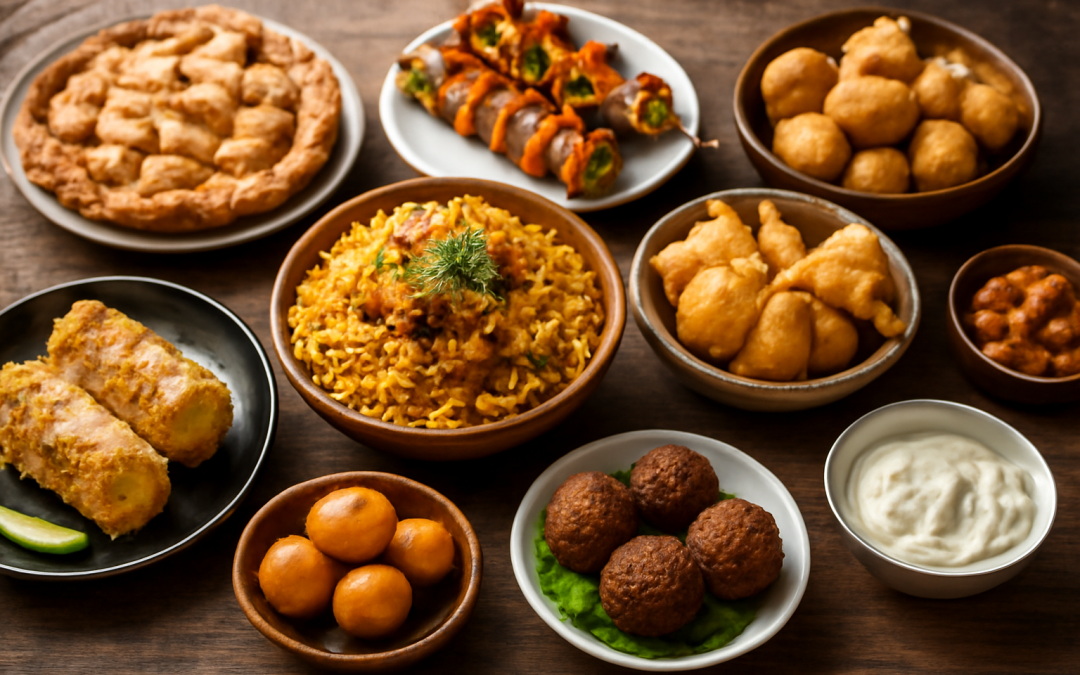
Festivals are a vital part of cultural expression worldwide, and one of the most captivating ways to experience them is through the unique foods they bring to the table. Culinary traditions that arise from these celebrations carry history, symbolism, and a deep sense of community. The variety of festival foods around the world illustrates not only the diversity of taste but also the richness of cultural heritage. Each region’s offerings highlight local ingredients, cooking techniques, and the stories behind these beloved dishes.
In Asia, festival foods often intertwine with centuries-old customs and seasonal observances. For example, in China, the Mid-Autumn Festival is synonymous with mooncakes—delicate pastries filled with sweet bean paste, salted egg yolks, or mixed nuts. These treats symbolize reunion and harmony, given their round shape reminiscent of the full moon. Similarly, during the Lunar New Year celebrations, dumplings take center stage. Made with various fillings and shaped like ancient gold or silver ingots, they represent prosperity. Fermented rice cakes and sticky rice balls are also common, each carrying its own cultural significance tied to family unity and good fortune. These foods are more than just sustenance; they embody wishes for happiness and abundance.
Moving to the Indian subcontinent, festivals lead to an array of vibrant and flavorful dishes bursting with color and aroma. Diwali, the festival of lights, is celebrated with a variety of sweets known as mithai. These confections, made from milk, crystallized sugar, nuts, and spices, are shared as part of the joyful atmosphere. Another example is the Gugga Naumi festival, where dishes like bhang pakoras—fried snacks made with cannabis-infused batter—play a pivotal role, reflecting ancient traditions. Holi, the festival of colors, is not only visually spectacular but also gastronomically rich. Gujiya, deep-fried dumplings with sweet fillings, and thandai, a spiced milk beverage often infused with nuts and hemp seeds, contribute to a festive indulgence. The food associated with Indian festivals resonates with the themes of renewal, celebration, and togetherness.
In Europe, festive foods often have roots in religious observances and seasonal cycles. During Christmas time in many Western European countries, special pastries and cakes reflect the festive spirit. Germany, for instance, is known for Stollen—fruit bread covered with powdered sugar, symbolizing the baby Jesus wrapped in swaddling clothes. The UK celebrates Hogmanay in Scotland with black bun, a rich fruit cake wrapped in pastry. Similarly, in Italy, the Christmas feast includes Panettone, a sweet bread with candied fruits and raisins, enjoyed across generations. Easter brings its own culinary traditions, like the Greek tsoureki, a braided sweet bread flavored with aromatic spices and decorated with red-dyed eggs, embodying themes of resurrection and new life. These foods are intricately tied to the celebrations and carry both spiritual and familial significance.
Latin America is another vibrant culinary landscape wherein festival foods reflect Indigenous heritage as well as colonial influences. Mexican celebrations such as Día de los Muertos (Day of the Dead) highlight the iconic pan de muerto, a sweet bread decorated with bone-shaped dough pieces and flavored with anise and orange. This bread honors ancestors and is often accompanied by sugar skulls and marigold decorations. During Carnival in Brazil, the food is as dynamic as the parades, with street vendors offering treats like fried cassava, pastel (savory pastries), and feijoada, a rich black bean stew with pork that brings people together in communal dining. In Peru, the Inti Raymi festival celebrates the sun god, and traditional dishes include roasted guinea pig and chicha, a fermented corn drink. These foods not only fuel festivities but also serve as living connections to history and spirituality.
Middle Eastern festival foods also carry deep cultural meanings, often rooted in religious observances such as Ramadan and Eid. During Ramadan, the fast-breaking evening meal, Iftar, includes a variety of dishes that help restore energy after a day of fasting. Dates are traditionally the first food consumed at sunset, symbolizing hospitality and health. Sweets like qatayef, stuffed pancakes filled with nuts or cheese and drenched in syrup, are popular throughout Eid celebrations. These foods emphasize generosity, gratitude, and community. In countries like Lebanon and Syria, platters of mezze—small savory dishes such as hummus, tabbouleh, and kibbeh—form the heart of celebration meals, reflecting the culture’s hospitality and the importance of shared dining experiences.
Africa’s festival foods are as diverse as its many ethnic groups and climates. During the end of Ramadan (Eid al-Fitr), communities across the continent enjoy distinctive dishes that vary by region. In Nigeria, for instance, Jollof rice—cooked with tomatoes, peppers, and spices—is a staple at celebrations, often accompanied by grilled meats and fried plantains. In Ethiopia, the Timkat festival commemorating Epiphany features injera (fermented flatbread) paired with rich stews called wat, made from lamb or beef and infused with berbere spice. These foods reinforce communal bonds and are celebratory expressions of cultural identity. Many African festival dishes are prepared in large quantities for sharing among family and neighbors, emphasizing the collective spirit of the festivities.
The diversity of festival foods around the world also highlights the ingenuity of combining local resources with cultural imperatives. In Japan, complex ceremonies like the cherry blossom “hanami” picnic include treats such as sakura mochi, a sweet rice cake wrapped in cherry blossom leaves, symbolizing the ephemeral beauty of nature. The Japanese New Year, or Oshogatsu, features osechi-ryori, a beautifully arranged set of boxed foods, each item symbolic of good fortune, prosperity, and health. The presentation itself is part of the celebration, underscoring the Japanese cultural value placed on aesthetics and intention in food.
In the Caribbean, festivals are filled with bold flavors and rhythmic energy that extend to their culinary traditions. Junkanoo in the Bahamas encompasses vibrant costumes, music, and food. Festival bread, a slightly sweet fried dough, and conch fritters, crispy seafood snacks, are enjoyed during this lively street festival. Trinidad and Tobago’s Carnival is another notable occasion where callaloo (a green leafy vegetable soup), doubles (curried chickpea sandwiches), and rum punches bring a flavorful flair. These festival foods represent a fusion of Indigenous, African, and European influences, embodying the resilient and celebratory spirit of the people.
Across the world, the link between festival foods and their communities’ cultural identity is unmistakable. Food is often the medium through which stories are told, traditions maintained, and social bonds strengthened. Festivals transform eating into a communal experience where recipes are passed down, culinary techniques preserved, and seasonal ingredients celebrated. The preparation and enjoyment of these foods go beyond mere nutrition, becoming acts of reverence and joy.
Understanding festival foods around the world offers a lens into the values and histories of societies, showcasing how people celebrate life’s milestones and cyclical changes. Whether through sweet or savory dishes, simple fare or elaborate feasts, these foods carry with them expressions of faith, gratitude, and unity. They remind us that beneath the vast diversity of cultures on our planet lies a shared human desire to connect, rejoice, and share abundance through food.
As one explores festival foods across continents, the profound relationship between cuisine and culture becomes clear. Each dish tells a story, each ingredient contributes to a narrative shaped by geography, climate, and collective memory. These festive meals invite both participants and observers to engage with tradition in a sensory way—tasting history, smelling the essence of place, and savoring the bonds of community. Through them, centuries-old customs are not only preserved but brought alive, creating moments of celebration that transcend time and borders.
In the end, the marvel of festival foods around the world lies in their ability to honor the past while nourishing the present. Each bite offers a taste of heritage, a piece of identity, and a celebration of life’s rhythms. They encourage us to remember that food is more than sustenance; it is a vital thread in the fabric of culture, weaving together people across generations and geographies in shared celebration.
by admin | Sep 28, 2026 | Food & Beverage
Every year, as festive seasons approach, kitchens fill with an array of tantalizing aromas and the anticipation of familiar tastes, each dish carrying stories that span generations. These holiday meals are more than just food; they are a tapestry woven from diverse cultures, historical events, and family traditions, reflecting the rich backgrounds from which they originate. Exploring the origins behind these beloved dishes offers a fascinating glimpse into how culinary practices evolve and connect us across time and space.
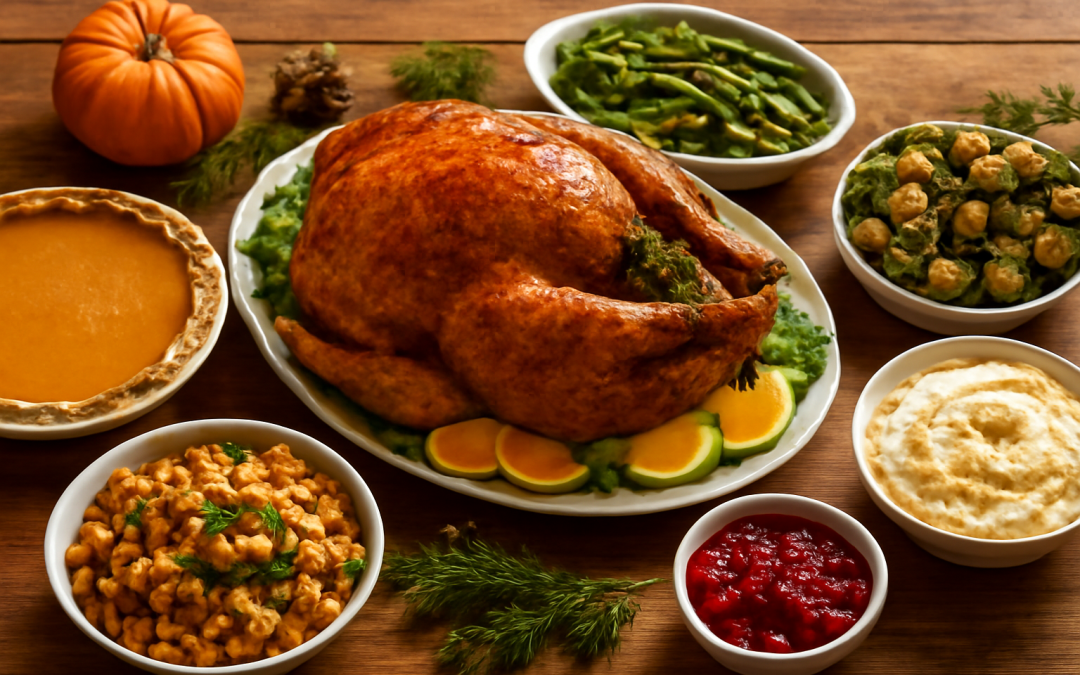
Many traditional holiday foods have roots that stretch far beyond their modern-day settings, often tracing back to ancient rituals or agricultural cycles. For example, the roasted turkey, a centerpiece in many Western holiday feasts, was not always the star of the table. The bird’s substantial size and abundance in the Americas made it an ideal choice for large gatherings when European settlers arrived, but indigenous peoples had been hunting and preparing turkey for centuries. The incorporation of turkey into holiday menus is intertwined with the early days of the United States, particularly with Thanksgiving, symbolizing a coming together of Native American and European cultures through shared sustenance.
Similarly, the humble cranberry, often served sweetened alongside turkey, boasts its own fascinating origin story. Native to North America, cranberries were a vital source of nutrition for Indigenous peoples long before being adopted by European colonists. Early settlers learned from Native Americans how to harvest and preserve these tart berries, which became prized not only for their flavor but also for their medicinal properties. Their role in holiday meals today reflects an enduring legacy of cooperation and cultural exchange.
On the other side of the globe, holiday food customs bear different, yet equally compelling histories. In many European countries, the Christmas feast includes dishes such as roasted goose or ham accompanied by root vegetables and hearty breads, all echoing centuries-old agricultural traditions. The choice of goose, for instance, is rooted in medieval Europe, where this bird was fattened specifically for festive occasions. Roast goose symbolized prosperity and abundance, fitting for a holiday meant to celebrate the close of the year and the hope for future blessings.
Baking plays a pivotal role in holiday food customs worldwide, offering stories etched in flour and sugar. Gingerbread, with its warm spices and sweet crust, holds a particularly rich legacy. Originating in Medieval Europe, its spiced structure was linked to medicinal benefits while also satisfying the festive palate. The art of gingerbread-making evolved over time, and by the 16th century, the craft of creating intricate gingerbread figures had become closely associated with religious festivals and fairs. The tradition carried over to various forms, including gingerbread houses, which today symbolize holiday cheer and creative expression.
One cannot discuss seasonal foods without mentioning fruitcake, a divisive but historically remarkable confection. Though often playfully maligned in contemporary culture, fruitcake actually has centuries of history behind it, dating back to Roman times when a mixture of pomegranate seeds, pine nuts, and raisins was baked into a type of barley cake. Over the Middle Ages, this evolved into the dense, spiced fruitcakes we recognize today, often soaked in alcohol to preserve them through winter months. The practice of creating and gifting fruitcake during the holidays exemplifies both resourcefulness and the importance of sharing sustenance during communal celebrations.
Across the globe, sweet treats such as panettone from Italy further illustrate the diversity and evolution of holiday fare. Originating in Milan, panettone’s tall, fluffy form and enriching ingredients like candied fruits and raisins reflect a boost of indulgence after periods of fasting. While the exact origins are steeped in legend, the bread has become emblematic of Italian Christmas, representing generosity and the joy of the season. Its popularity has spread worldwide, becoming a cherished dessert far beyond its birthplace, and a delicious example of how holiday recipes often transcend geographic boundaries.
Holiday food origins are also deeply intertwined with symbolism, where particular ingredients carry meanings tied to prosperity, health, or spiritual significance. The use of nuts, for instance, goes beyond their nutritional value. In many cultures, nuts symbolize fertility and wealth, often featuring in desserts and breads shared during celebrations. Pomegranates, with their myriad of seeds, have long been linked to abundance and rebirth, making appearances in various holiday dishes around the New Year or other seasonal festivals. Understanding these symbolic connections enriches our appreciation for why certain foods endure as staples of holiday tables.
In the American South, traditions like pecan pie occupy a special place in holiday meals and demonstrate how regional crops shape festive cuisine. Pecans, native to North America, especially the Mississippi River valley, became an important ingredient as settlers adapted local resources into their cooking. Pecan pie combines the sweetness necessary for celebratory desserts with a nutty crunch that energizes the palate. Such dishes reflect a harmonious blend of convenience and cultural expression—transforming indigenous ingredients into celebratory symbols that speak to identity and place.
Steaming pots of latkes during Hanukkah celebrations remind us of how food carries the weight of religious history and cultural resilience. These potato pancakes, fried in oil, are a culinary reenactment of a miraculous event described in Jewish tradition, where a small amount of oil lasted eight days. Latkes thus transcend nourishment; they are edible memorials that connect families and communities across generations. The ingredients and cooking methods chosen express both historical memory and joyous festivity, highlighting how food is an indispensable part of cultural heritage.
Likewise, the Yule log cake, or bûche de Noël, is a dessert with its roots in ancient winter solstice rituals. Originally, the Yule log was a massive piece of wood burned to mark the return of light after the darkest days of the year, symbolizing hope and renewal. This practice transformed into the confection we know today, a chocolate sponge cake decorated to resemble a log, bringing together ancient symbolism and modern culinary art. The cake’s enduring popularity during holiday seasons exemplifies how traditions are reinvented yet preserve their original significance.
The global exchange of ingredients and methods has dramatically influenced holiday food origins, as colonialism, trade, and migration introduced new flavors and customs around the world. Spices like cinnamon, nutmeg, and cloves, once rare and expensive, were integrated into European holiday baking, enhancing flavors and carrying exotic connotations. Similarly, sugar, once a scarce luxury, became central to many desserts and sweets associated with festivals. The dynamic nature of holiday cuisine reflects the ever-changing exchange of resources and ideas across cultures and epochs, underscoring human adaptability and interconnectedness.
Examining the origins of holiday foods can also reveal stories of survival and celebration in the face of hardship. During times of scarcity or war, families and communities found ways to stretch limited ingredients into meaningful meals. Dishes such as mock plum pudding, which substituted locally available fruits and nuts for traditional dried fruits, exemplify the resilience of festive customs. Food thus becomes a powerful symbol of hope and continuity, offering comfort when circumstances challenge abundance.
Holiday food development is often deeply linked to agricultural cycles and environmental factors. Seasonal availability shaped what became traditional fare, as communities relied on harvests and preservation methods to sustain them through colder months. Root vegetables, preserved meats, and pickled accompaniments became staples due to their longevity. This reliance on the land’s natural rhythms roots holiday traditions firmly in the practical reality of survival, while also fostering celebratory feasts that marked transitions from hardship to renewal.
In many cultures, communal preparation of holiday foods strengthens social bonds and ensures the transfer of culinary knowledge. The act of cooking together—whether it is kneading dough for bread, marinating meats, or rolling dough for cookies—serves as an intergenerational bridge, passing down not only recipes but also stories and values. This social dimension enriches the meaning of traditional dishes, making them living legacies rather than static relics. Recognizing the role of community in shaping holiday cuisine highlights the broader cultural significance of food beyond its taste.
The influence of religious doctrine and rituals on holiday food cannot be overlooked. Many traditional dishes arise from practices of fasting and feasting dictated by sacred calendars. For example, the Christmas meal often follows periods of Advent fasting, making its rich foods all the more celebratory. Similarly, the foods prepared for Lent or Ramadan signify abstinence and spiritual reflection, while breaking fast is marked by special and meaningful foods. This interplay between spirituality and food underscores how nourishment functions both physically and spiritually within traditions.
As modern lifestyles evolve, so too do holiday foods. Globalization, health trends, and environmental concerns have all inspired reinterpretations of classic dishes. However, even as ingredients or preparation methods change, the connection to historical origins remains a source of meaning and identity. Many families endeavor to maintain traditional flavors or special recipes, finding comfort and continuity in familiar tastes while embracing innovation and inclusivity. This dynamic nature ensures that holiday foods remain relevant and cherished across generations.
Understanding the stories behind the foods we gather around during holidays enriches the sensory experience, connecting the palate with the past. Each bite is a capsule of history, culture, and emotion, deepening the sense of gratitude and community that defines these special times. Whether it is a humble side dish or an elaborate dessert, the origins of holiday food remind us that food is a language of celebration, memory, and shared humanity, nourishing not only the body but the soul.
In conclusion, the origins of our holiday foods are an intricate interplay of history, culture, environment, and symbolism. From indigenous ingredients to ancient rituals and from regional specialties to global influences, the dishes enjoyed today are the product of centuries-old traditions that continue to evolve. Recognizing and honoring these origins not only enhances our appreciation of festive meals but also strengthens our connection to a broader human story—a story told across tables and generations, with love and remembrance in every bite.
by admin | Sep 27, 2026 | Food & Beverage
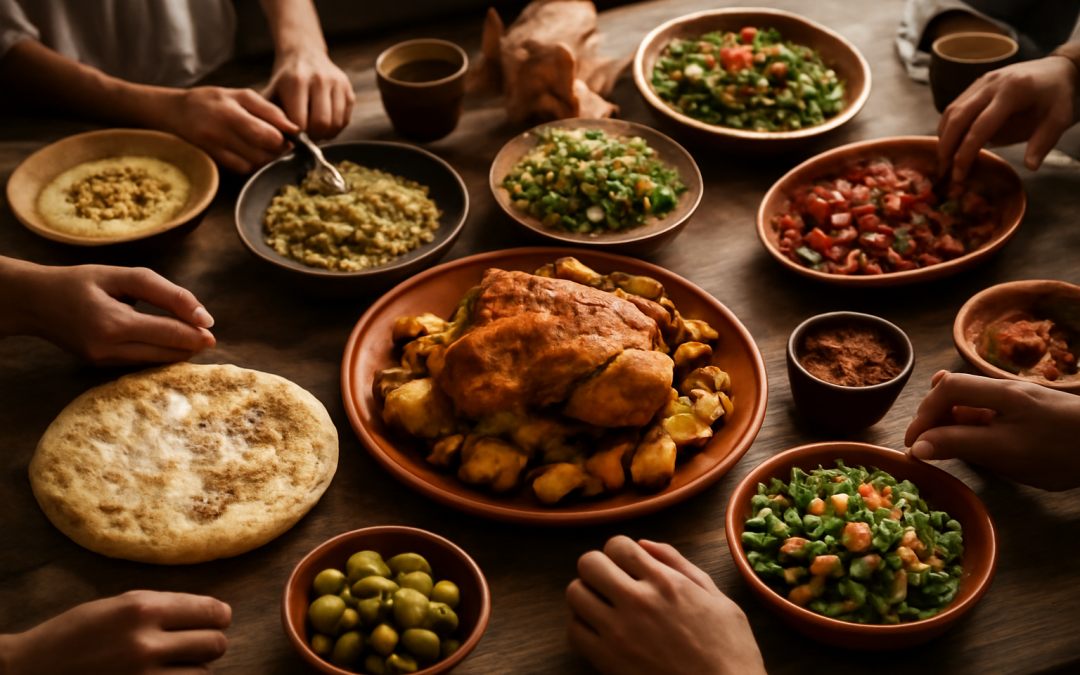
Throughout human history, eating has been far more than a mere biological necessity; it has served as a powerful social and cultural act embedded with meaning. Feasting and ritual meals have played a central role in shaping communities, marking significant events, and reaffirming bonds between individuals and groups. These communal gatherings transcend the simple act of nourishment, embodying values, traditions, and beliefs that reflect the identity of those who partake in them. Across various societies and epochs, ritual meals have been carefully orchestrated occasions, steeped in symbolism and imbued with layers of significance that extend well beyond the food on the table.
In many cultures, feasting serves as a conduit for social cohesion and hierarchy. The manner in which food is prepared, presented, and consumed reflects social structures and power dynamics within a community. For instance, certain dishes may be reserved exclusively for leaders, priests, or honored guests, emphasizing distinctions of status and authority. By contrast, the act of sharing a meal often functions as a democratic equalizer, bringing together individuals from different walks of life to participate in a shared experience. These rituals help delineate group identity, creating a sense of belonging and reinforcing communal values through repeated acts of celebration and consumption.
Religious and spiritual dimensions frequently underpin ritual meals, serving as a means to honor deities, ancestors, or the natural cycles of life. Many traditions incorporate food offerings as symbolic acts of gratitude, seeking blessings, or ensuring prosperity and protection. For example, the Christian Eucharist is a sacred ritual where the consumption of bread and wine represents the body and blood of Christ, creating a spiritual communion between worshippers and the divine. Similarly, in Hinduism, prasadam consists of food consecrated by deities, believed to carry divine blessings that are then shared among devotees. These ceremonial meals transform food into a medium of connection between the earthly and the transcendent, emphasizing sacredness in the act of eating.
Feasting has also been a vital element in rites of passage and seasonal celebrations. Life milestones such as births, marriages, and funerals often involve ritualistic meals that mark transitions and provide social recognition of change. The food served at these events is carefully chosen for its symbolic associations—whether to celebrate fertility, invoke protection, or honor the memory of the deceased. Seasonal festivals tied to agricultural cycles or celestial events frequently feature communal feasting, reinforcing humanity’s relationship with the environment and the rhythms of nature. In these contexts, meals are not only sensory experiences but also mechanisms for rekindling cultural memory and continuity.
The sensory and performative aspects of ritual meals further amplify their significance. The preparation of food often involves elaborate techniques, recipes passed down through generations, and the use of specific ingredients loaded with cultural meaning. The manner of serving—such as the order in which dishes appear, the arrangement of the table, and the roles of those who serve and eat—is often ritualized to create an atmosphere of reverence and shared participation. Music, dance, storytelling, and prayer may accompany the consumption of a meal, transforming it into a multisensory event that engages the body, mind, and spirit.
Anthropologists and historians have long been fascinated by the role of feasting and ritual meals in social organization. In prehistoric societies, large communal feasts likely played a role in redistributing resources and establishing alliances. Archaeological evidence shows that early human groups came together to celebrate communal hunts or harvests, reinforcing cooperation and social networks vital for survival. Over time, as societies became more complex and stratified, feasts evolved into elaborate spectacles that both celebrated abundance and asserted control over resources. In many civilizations, monumental feasting occasions were held in palaces and temples, where rulers displayed their wealth and divine favor through the quantity and quality of food provided.
In contemporary societies, ritual meals continue to hold powerful social and cultural relevance, although their forms and meanings have adapted over time. National holidays, religious festivals, family gatherings, and formal ceremonies all feature specific foods and dining practices that evoke collective memories and cultural identity. Even in an increasingly globalized world, where food is readily accessible and diverse, ritualistic eating acts as a means of preserving heritage and reaffirming community bonds. Home-cooked holiday meals, communal barbecues, and neighborhood potlucks exemplify how shared food experiences can maintain tradition even as cultural contexts evolve.
Feasting and ritual meals also reflect the interplay between food and meaning in terms of morality, ethics, and social justice. Certain foods may be considered taboo or forbidden, shaping dietary laws that regulate behavior and reinforce group boundaries. These dietary restrictions are often embedded in spiritual beliefs and moral codes, emphasizing notions of purity, health, and respect for the natural world. Conversely, the deliberate breaking of these taboos in a ritual context can signify transformation or liminality, acting as a symbolic passage between different states of being. Feasts may also address ethical concerns through offerings to the poor or by emphasizing communal sharing, highlighting food’s capacity to serve as a tool for social equity and solidarity.
One cannot overlook the psychological and emotional dimensions of ritual meals. Sharing food in a ritualized context often generates feelings of comfort, security, and connection. These meals provide not only physical sustenance but also emotional nourishment, affirming social ties and individual identity. The communal nature of eating rituals can mitigate feelings of isolation, offering participants a sense of inclusion and collective purpose. Moreover, the rhythm and predictability of regular ritual meals create stability amidst life’s uncertainties, functioning as anchors that ground individuals in their cultural and social world.
The ingredient symbolism embedded in feasting and ritual meals is particularly profound. Ingredients themselves often carry narratives and represent metaphors connected to fertility, prosperity, or even cosmology. For example, grains such as rice and wheat are often associated with life-giving power and sustenance, while fruits like pomegranates carry connotations of fertility and renewal. Spices and herbs may signify purification or protection, weaving stories into the very taste of the food. The choice and preparation of certain dishes thus become acts of storytelling, preserving intangible cultural heritage and conveying values from one generation to the next.
Feasting occasions historically have also served political functions beyond their religious and social dimensions. Monarchs and leaders have used ritual meals as opportunities to display power, negotiate alliances, or intimidate rivals. The grandeur of a royal banquet was an assertion of legitimacy and control, often designed to awe subjects and visiting dignitaries alike. The distribution of food at these events could symbolize generosity and benevolence, securing loyalty and reinforcing the hierarchical order. Such feasts were as much about spectacle and political messaging as they were about eating, demonstrating how food functions as a medium of communication within complex social frameworks.
Despite the diverse forms ritual meals take across cultures, a common thread remains: the transformation of food from mere sustenance into a vehicle for meaning, connection, and celebration. Whether through the solemnity of a religious sacrament or the joyous uproar of a harvest festival, feasting reminds participants of their place within a larger community and cosmos. It is an act that brings together history, spirituality, and social life in a palpable, sensory experience. At its core, ritual eating embodies humanity’s enduring desire to create shared experiences that transcend the individual, forging ties that sustain both life and culture.
Innovation and adaptation are integral to the ongoing relevance of feasting and ritual meals. As societies encounter new technologies, migrations, and cultural influences, the forms and ingredients of ritual meals evolve. Yet they often retain underlying symbolic structures and communicative functions. Modern reinterpretations of traditional feasts blend contemporary tastes and global cuisines with ancestral practices, ensuring that ritual meals remain dynamic and accessible across generations. This adaptability illustrates how the cultural significance of communal eating persists, continually reshaped but never diminished.
In understanding the role of feasting and ritual meals, it becomes clear that food operates not just as fuel but as a language—one that communicates identity, belief, and power. These meals are sites where history converges with the present, where spirituality touches the senses, and where individuals partake in the timeless human act of coming together to celebrate existence itself. Through shared dishes and collective memory, ritual meals nurture both body and soul, weaving a fabric of meaning that sustains communities across time and space. The enduring appeal and vitality of these communal feasting practices attest to the profound role food plays in the human story.

by admin | Sep 26, 2026 | Food & Beverage
Throughout human history, fasting has played an integral role in shaping food traditions across cultures and religions. Far from merely abstaining from food or drink, fasting often serves as a profound expression of spirituality, discipline, and cultural identity. The practice extends beyond the physical act of refraining from nourishment; it is deeply entwined with ritualistic and communal experiences that highlight the interconnectedness of body, mind, and spirit. Exploring fasting and food traditions offers a window into understanding how societies imbue eating—and the periods without eating—with meaning.
In many religious and spiritual contexts, fasting is observed as a path to purification, reflection, and heightened awareness. For example, in Islam, Ramadan represents a sacred month during which believers fast from dawn until sunset, strengthening their faith and empathy for those who are less fortunate. The observance does not end with abstinence; it culminates in communal meals, like iftar, where families and communities come together to break the fast in gratitude and celebration. This illustrates how fasting is not solely an individual act but also a social and cultural event that reinforces bonds within the community.
Similarly, in Christianity, fasting has historical roots linked to the practices of Jesus and early followers. The season of Lent exemplifies a period where many Christians observe fasting or partial abstinence to prepare for Easter through sacrifice and penance. The breaking of fast traditions varies but often includes special food dishes prepared with symbolic ingredients, reflective of renewal and resurrection. These food customs enrich the fasting experience, transforming it from deprivation into a meaningful cycle of reflection and rejoicing.
Judaism also incorporates fasting heavily within its calendrical observances. Yom Kippur, the Day of Atonement, is marked by a 25-hour fast intended to foster repentance and spiritual cleansing. Leading up to and following this fast, food traditions become significant, often focused on restoring physical strength and communal gatherings to affirm forgiveness and reconciliation. The intertwining of fasting and precise food customs exemplifies how temporal absence and presence of food carry deep spiritual resonance.
Beyond religious practices, fasting and food traditions appear in many indigenous cultures and global communities as expressions of respect for nature, health, and seasonal rhythms. Some Native American tribes observe fasting as part of vision quests and rites of passage, where abstaining from food serves as a tool for clarity and communion with the natural world. The breaking of such fasts invariably involves sharing specific traditional foods that encapsulate cultural heritage and localized understanding of nourishment.
Physiologically, fasting has been studied for its potential health benefits, yet traditional fasting methods incorporate much more than nutrition science. The types of foods consumed before and after fasting periods often reflect cultural values around balance, healing, and sustenance. For example, many Asian cultures consume light, easily digestible foods to gently transition the body back into normal eating patterns after fasting, emphasizing harmony and restoration. This fusion of practical dietary knowledge with spiritual and cultural practice demonstrates how fasting and food traditions intersect holistically.
Fasting also shapes food rituals within family and social dynamics, nurturing a sense of continuity and identity. In countries throughout the Middle East, South Asia, and Africa, families often prepare elaborate meals to break fasts, laden with dishes passed down through generations. These culinary traditions are more than nutrition; they serve as living connections to ancestors and affirm collective values. Preparing and sharing these meals often weave a narrative of resilience, faith, and cultural pride that sustains the community’s heritage.
Moreover, fasting and food traditions exhibit remarkable diversity in their form and symbolism, yet they frequently share core themes of renewal and gratitude. In the Eastern Orthodox Church, fasting periods are characterized by abstaining from meat, dairy, and sometimes oil or wine, functioning simultaneously as a spiritual discipline and as a way to simplify dietary customs seasonally. The extraordinary range of fasting rules and the subsequent food traditions reflect how different cultures shape the spiritual purpose of fasting into tangible daily practices.
Modern global influences have also transformed traditional fasting practices, creating new adaptations while preserving core meanings. Intermittent fasting, popularized in recent years for its health implications, echoes ancient fasting customs but with a secularized focus on physical well-being. Still, many contemporary practitioners retain or revive traditional meals and rituals to honor the deeper cultural or spiritual significance of fasting. This blend of modern scientific insight and age-old tradition enriches current discourses on health, spirituality, and identity.
In many Asian societies, fasting is often intertwined with festivals and agricultural cycles, where food rituals reinforce community cohesion and gratitude for the harvest. For instance, in Buddhism, fasting is seen as a means to develop mindfulness and self-control, usually practiced on Uposatha days. After fasting, communal feasts often highlight vegetarian or simple foods symbolizing purity and non-violence. These food traditions serve as a way to embody the ethical teachings and collective aspirations of the community.
In indigenous Australian cultures, fasting and food traditions have historically been instrumental in marking territory, seasons, and spiritual obligations. Certain periods require abstention from specific foods or total fasting as a sign of respect to ancestral spirits and the environment. The subsequent breaking of the fast and replenishment of the body through traditional foods reaffirms connection to the land and sustains communal knowledge of edible plants and animals. Thus, fasting acts as both cultural preservation and ecological stewardship in these contexts.
The social dimension of fasting is particularly noteworthy; it can both reinforce and challenge societal norms. In some cultures, fasting is predominantly an individual expression of self-discipline, while in others, it is a collective journey that strengthens communal identity. For example, in the Sikh tradition, fasting is generally discouraged in favor of constant remembrance of God, yet food traditions hold vital importance in communal gatherings like the langar, where equality and sharing are emphasized over individual asceticism. This contrast highlights how flexibility in fasting customs often reflects wider theological and cultural values.
Festivals and rituals often incorporate fasting as a preparatory act that enhances the celebratory nature of the food that follows. The Jewish Passover, for instance, includes rituals involving symbolic foods that commemorate liberation and survival. While fasting is not the centerpiece, restrictions on certain foods and the intentional consumption of others create a rhythm of restraint and celebration. These intricate food traditions surrounding fasting periods ensure that the experience is multi-layered, blending memory, identity, and hope.
The impact of fasting on food traditions also extends to the way food is regarded and prepared. In many cultures, food prepared for breaking a fast is inherently special, sometimes requiring elaborate recipes or specific ingredients believed to restore vitality. These practices underscore the belief that food is not just sustenance but also a carrier of cultural narratives and values. Traditional spices, herbs, and cooking methods are often preserved through fasting-related meals, ensuring culinary heritage remains vibrant.
In addition to religious fasting, secular or health-driven fasting has developed food traditions that reflect changing societal priorities. Detox diets and wellness trends often recommend particular foods to break fasts, emphasizing superfoods or nutrient-dense options. However, these practices sometimes lack the communal or ritualistic richness that defines fasting in cultural contexts. Recognizing the holistic nature of fasting and food traditions highlights the importance of balance between physical health benefits and the emotional or spiritual nourishment that traditional practices provide.
Fasting has also long influenced the cyclical rhythm of food availability and consumption in agrarian societies. Seasonal fasting often coincides with agricultural downtime or religious calendars, integrating human activity with natural cycles. For example, the practice of fasting during the winter months in some cultures aligns with periods of food scarcity or conservation. Food traditions that evolve around breaking these fasts often involve preserved or stored foods, offering insight into historical food security strategies and cultural adaptation.
In the globalized world, migration and intercultural exchange have transformed fasting and food traditions, creating hybrid practices that reflect diasporic identities. Immigrant communities often adapt fasting customs to new environments, blending traditional foods with local ingredients. These evolving traditions support cultural continuity while fostering innovation and inclusivity. The sharing of fasting and food traditions across cultures further enriches global understanding of human resilience and creativity.
Ultimately, fasting and food traditions serve as powerful symbols of human connection—to ourselves, others, and the world around us. They offer a structured way to engage with concepts of sacrifice, gratitude, and renewal, weaving together individual experience with collective memory. The diversity of fasting practices and the rich array of associated foods testify to the universal human desire to find meaning in the rhythms of eating and abstaining. This enduring relationship continues to shape cultural identities and spiritual pathways across the globe.
The study of fasting and food traditions reveals a profound dialectic between absence and presence—where withholding becomes a means of deeper appreciation and where food becomes more than mere sustenance. Whether observed through religious rites, cultural festivals, or personal health choices, these practices invite reflection on the values and narratives embedded in our relationship with food. In this way, fasting and its accompanying food traditions remain a vital thread in the fabric of human culture, connecting the past to the present and guiding the future.

by admin | Sep 25, 2026 | Food & Beverage
Throughout human history, the relationship between faith and food has been deeply intertwined, reflecting the complex ways in which religious beliefs shape everyday practices, identities, and social interactions. Religious dietary laws are not merely a set of nutritional guidelines but serve as expressions of spiritual commitment, communal belonging, and moral discipline. These laws often dictate what adherents may or may not consume, how food should be prepared, and even the occasions during which certain foods may be eaten or avoided. Understanding these dietary prescriptions offers insight into the fundamental role religion plays in guiding ethical behavior and maintaining cultural continuity across generations.
One of the most well-known examples of religious dietary laws comes from Judaism, where the concept of kosher food governs all aspects of eating. The dietary rules are detailed in the Torah and further interpreted in rabbinical literature, establishing clear parameters about the types of animals that may be eaten, how they should be slaughtered, and which combinations of foods can be consumed together. For instance, kosher laws prohibit the consumption of pork and shellfish, as well as prohibit mixing meat and dairy products within a single meal. These practices are not simply about ritual purity but are believed to sanctify everyday acts, making the physicality of eating an opportunity for spiritual mindfulness.
Islamic dietary restrictions, governed by the laws of halal, likewise provide comprehensive guidelines on permissible foods and food preparation methods. Like kosher dietary laws, halal mandates specific rituals for the slaughter of animals, ensuring that the process is humane and imbued with religious significance. The Quran explicitly forbids the consumption of pork and alcohol among other prohibitions, highlighting the broader theme of purity and obedience to divine commandments. For many Muslims, following halal dietary laws is an essential component of religious identity and a way to foster discipline, reinforce community bonds, and demonstrate submission to God’s will.
In Hinduism, dietary practices are deeply influenced by the concept of ahimsa, or non-violence, which encourages compassion toward all living beings. While there is considerable regional and sectarian variation, many Hindus follow vegetarian diets to honor this principle. The avoidance of meat is motivated by a belief in the sanctity of life and the karmic consequences of causing harm to animals. Certain foods, such as garlic and onions, may also be restricted in particular religious observances due to their perceived effects on the mind and spirit. Hindu dietary laws are often closely linked to ritual purity and are observed during festivals, fasting periods, and rituals, marking them as an expression of devotion and spiritual discipline.
Buddhist dietary traditions also vary widely, reflecting differences among different schools and cultural contexts within Buddhism. Vegetarianism is strongly encouraged in many branches, grounded in the ethical precept of minimizing harm to sentient beings. Monastic codes, known as the Vinaya, often include instructions about the acceptance of food depending on how it was obtained, underscoring the importance of intention and mindfulness in the act of eating. In some Buddhist cultures, lay followers and monks may abstain from certain pungent vegetables or refrain from eating after noon as part of their spiritual practice. These dietary norms contribute to a broader commitment to cultivating compassion and detachment from material desires.
Christianity presents a more varied approach to dietary laws, as the New Testament did not impose rigid food prohibitions like those found in earlier religious texts. Nevertheless, specific practices have emerged over time, often oriented around fasting and abstentions rather than permanent restrictions. For example, many Christians observe Lent by abstaining from certain foods such as meat or dairy products as an act of penitence and spiritual preparation. The Catholic Church’s canonical discipline traditionally required abstinence from meat on Fridays, linking dietary practices to acts of sacrifice and solidarity with the suffering of Christ. Some Christian denominations, particularly in Eastern Orthodoxy, maintain stricter fasting rules, reflecting an enduring connection between food, spirituality, and bodily discipline.
Sikhism offers a distinctive perspective where dietary laws emphasize purity and communal harmony rather than exhaustive lists of prohibitions. The faith encourages vegetarianism in places of worship (Gurdwaras) to ensure inclusivity and respect for all attendees. While individual Sikhs may have varied dietary choices, substances such as tobacco and intoxicants are prohibited, reinforcing principles of clean living and focus on spiritual growth. Food prepared in the spirit of seva (selfless service) is an important communal practice, symbolizing equality and collective identity. This approach highlights how dietary norms intersect with broader ethical ideals in Sikh teachings.
Across these traditions and others, religious dietary laws often perform important social and cultural functions beyond the purely spiritual. The rituals surrounding food preparation and consumption help reinforce group identity in multicultural societies, creating boundaries that distinguish believers from outsiders. In many cases, dietary observance acts as a visible marker of faith in public life, affecting social interactions and even political debates around food labeling, access to sacred foods, and accommodation of religious practices. Additionally, religious dietary laws can influence health outcomes and environmental attitudes, as many encourage moderation, respect for natural resources, and ethical treatment of animals.
While some may view these dietary codes as restrictive, for adherents, they often provide a structured framework that brings meaning and discipline to daily life. Observing these laws is a way to connect the mundane act of eating to a larger cosmological order and a higher purpose. They create opportunities for mindfulness, reminding practitioners to honor divine commandments and nurture their spiritual well-being continually. Furthermore, for many religious communities, shared dietary customs foster a sense of belonging, enabling rituals, festivals, and communal meals to serve as powerful expressions of faith and cultural heritage.
In an increasingly globalized world, religious dietary laws also present challenges and opportunities as believers navigate modern food systems, multicultural environments, and diverse culinary traditions. Issues such as obtaining kosher or halal certification, respecting fasting times in workplaces, and accommodating dietary needs in schools and public institutions reflect ongoing negotiations between tradition and contemporary life. At the same time, dialogues about religious dietary laws promote mutual understanding and respect among different communities, highlighting the importance of food as a bridge between cultures and belief systems.
Moreover, the resurgence of interest in spirituality and ethical consumption has brought renewed attention to religious perspectives on food. Many contemporary movements advocating sustainable eating, humane animal treatment, and mindful consumption draw upon principles that resonate with ancient religious teachings. By exploring religious dietary laws, individuals and societies can gain insights into long-standing wisdom about how food choices impact not only health and environment but also moral and spiritual well-being.
In summary, religious dietary laws are multifaceted systems embedded in theological doctrines, ethical principles, and communal identities. Rooted in texts, traditions, and interpretations unique to each faith, these regulations govern more than just the types of permissible foods—they shape cultural narratives, social practices, and individual spirituality. Whether through prohibitions, rituals, or symbolic meanings, these laws highlight the profound connections between food, faith, and the human experience. They remain relevant today, offering perspectives that encourage reflection on the sacred nature of sustenance and the ethical responsibilities that come with it.