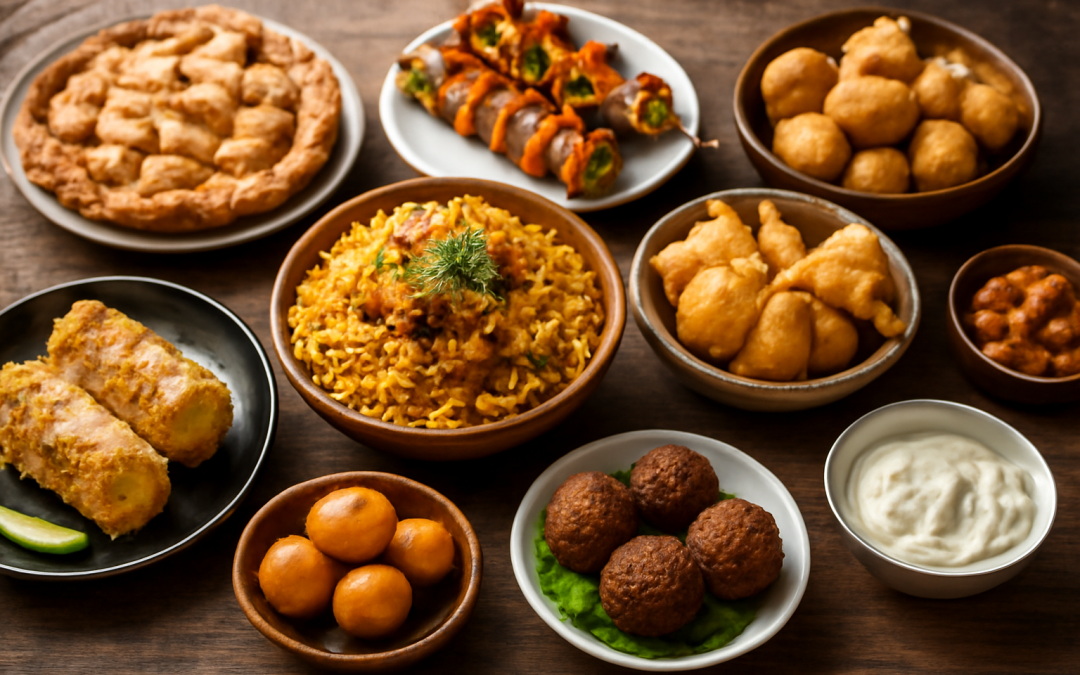
Festivals are a vital part of cultural expression worldwide, and one of the most captivating ways to experience them is through the unique foods they bring to the table. Culinary traditions that arise from these celebrations carry history, symbolism, and a deep sense of community. The variety of festival foods around the world illustrates not only the diversity of taste but also the richness of cultural heritage. Each region’s offerings highlight local ingredients, cooking techniques, and the stories behind these beloved dishes.
In Asia, festival foods often intertwine with centuries-old customs and seasonal observances. For example, in China, the Mid-Autumn Festival is synonymous with mooncakes—delicate pastries filled with sweet bean paste, salted egg yolks, or mixed nuts. These treats symbolize reunion and harmony, given their round shape reminiscent of the full moon. Similarly, during the Lunar New Year celebrations, dumplings take center stage. Made with various fillings and shaped like ancient gold or silver ingots, they represent prosperity. Fermented rice cakes and sticky rice balls are also common, each carrying its own cultural significance tied to family unity and good fortune. These foods are more than just sustenance; they embody wishes for happiness and abundance.
Moving to the Indian subcontinent, festivals lead to an array of vibrant and flavorful dishes bursting with color and aroma. Diwali, the festival of lights, is celebrated with a variety of sweets known as mithai. These confections, made from milk, crystallized sugar, nuts, and spices, are shared as part of the joyful atmosphere. Another example is the Gugga Naumi festival, where dishes like bhang pakoras—fried snacks made with cannabis-infused batter—play a pivotal role, reflecting ancient traditions. Holi, the festival of colors, is not only visually spectacular but also gastronomically rich. Gujiya, deep-fried dumplings with sweet fillings, and thandai, a spiced milk beverage often infused with nuts and hemp seeds, contribute to a festive indulgence. The food associated with Indian festivals resonates with the themes of renewal, celebration, and togetherness.
In Europe, festive foods often have roots in religious observances and seasonal cycles. During Christmas time in many Western European countries, special pastries and cakes reflect the festive spirit. Germany, for instance, is known for Stollen—fruit bread covered with powdered sugar, symbolizing the baby Jesus wrapped in swaddling clothes. The UK celebrates Hogmanay in Scotland with black bun, a rich fruit cake wrapped in pastry. Similarly, in Italy, the Christmas feast includes Panettone, a sweet bread with candied fruits and raisins, enjoyed across generations. Easter brings its own culinary traditions, like the Greek tsoureki, a braided sweet bread flavored with aromatic spices and decorated with red-dyed eggs, embodying themes of resurrection and new life. These foods are intricately tied to the celebrations and carry both spiritual and familial significance.
Latin America is another vibrant culinary landscape wherein festival foods reflect Indigenous heritage as well as colonial influences. Mexican celebrations such as Día de los Muertos (Day of the Dead) highlight the iconic pan de muerto, a sweet bread decorated with bone-shaped dough pieces and flavored with anise and orange. This bread honors ancestors and is often accompanied by sugar skulls and marigold decorations. During Carnival in Brazil, the food is as dynamic as the parades, with street vendors offering treats like fried cassava, pastel (savory pastries), and feijoada, a rich black bean stew with pork that brings people together in communal dining. In Peru, the Inti Raymi festival celebrates the sun god, and traditional dishes include roasted guinea pig and chicha, a fermented corn drink. These foods not only fuel festivities but also serve as living connections to history and spirituality.
Middle Eastern festival foods also carry deep cultural meanings, often rooted in religious observances such as Ramadan and Eid. During Ramadan, the fast-breaking evening meal, Iftar, includes a variety of dishes that help restore energy after a day of fasting. Dates are traditionally the first food consumed at sunset, symbolizing hospitality and health. Sweets like qatayef, stuffed pancakes filled with nuts or cheese and drenched in syrup, are popular throughout Eid celebrations. These foods emphasize generosity, gratitude, and community. In countries like Lebanon and Syria, platters of mezze—small savory dishes such as hummus, tabbouleh, and kibbeh—form the heart of celebration meals, reflecting the culture’s hospitality and the importance of shared dining experiences.
Africa’s festival foods are as diverse as its many ethnic groups and climates. During the end of Ramadan (Eid al-Fitr), communities across the continent enjoy distinctive dishes that vary by region. In Nigeria, for instance, Jollof rice—cooked with tomatoes, peppers, and spices—is a staple at celebrations, often accompanied by grilled meats and fried plantains. In Ethiopia, the Timkat festival commemorating Epiphany features injera (fermented flatbread) paired with rich stews called wat, made from lamb or beef and infused with berbere spice. These foods reinforce communal bonds and are celebratory expressions of cultural identity. Many African festival dishes are prepared in large quantities for sharing among family and neighbors, emphasizing the collective spirit of the festivities.
The diversity of festival foods around the world also highlights the ingenuity of combining local resources with cultural imperatives. In Japan, complex ceremonies like the cherry blossom “hanami” picnic include treats such as sakura mochi, a sweet rice cake wrapped in cherry blossom leaves, symbolizing the ephemeral beauty of nature. The Japanese New Year, or Oshogatsu, features osechi-ryori, a beautifully arranged set of boxed foods, each item symbolic of good fortune, prosperity, and health. The presentation itself is part of the celebration, underscoring the Japanese cultural value placed on aesthetics and intention in food.
In the Caribbean, festivals are filled with bold flavors and rhythmic energy that extend to their culinary traditions. Junkanoo in the Bahamas encompasses vibrant costumes, music, and food. Festival bread, a slightly sweet fried dough, and conch fritters, crispy seafood snacks, are enjoyed during this lively street festival. Trinidad and Tobago’s Carnival is another notable occasion where callaloo (a green leafy vegetable soup), doubles (curried chickpea sandwiches), and rum punches bring a flavorful flair. These festival foods represent a fusion of Indigenous, African, and European influences, embodying the resilient and celebratory spirit of the people.
Across the world, the link between festival foods and their communities’ cultural identity is unmistakable. Food is often the medium through which stories are told, traditions maintained, and social bonds strengthened. Festivals transform eating into a communal experience where recipes are passed down, culinary techniques preserved, and seasonal ingredients celebrated. The preparation and enjoyment of these foods go beyond mere nutrition, becoming acts of reverence and joy.
Understanding festival foods around the world offers a lens into the values and histories of societies, showcasing how people celebrate life’s milestones and cyclical changes. Whether through sweet or savory dishes, simple fare or elaborate feasts, these foods carry with them expressions of faith, gratitude, and unity. They remind us that beneath the vast diversity of cultures on our planet lies a shared human desire to connect, rejoice, and share abundance through food.
As one explores festival foods across continents, the profound relationship between cuisine and culture becomes clear. Each dish tells a story, each ingredient contributes to a narrative shaped by geography, climate, and collective memory. These festive meals invite both participants and observers to engage with tradition in a sensory way—tasting history, smelling the essence of place, and savoring the bonds of community. Through them, centuries-old customs are not only preserved but brought alive, creating moments of celebration that transcend time and borders.
In the end, the marvel of festival foods around the world lies in their ability to honor the past while nourishing the present. Each bite offers a taste of heritage, a piece of identity, and a celebration of life’s rhythms. They encourage us to remember that food is more than sustenance; it is a vital thread in the fabric of culture, weaving together people across generations and geographies in shared celebration.