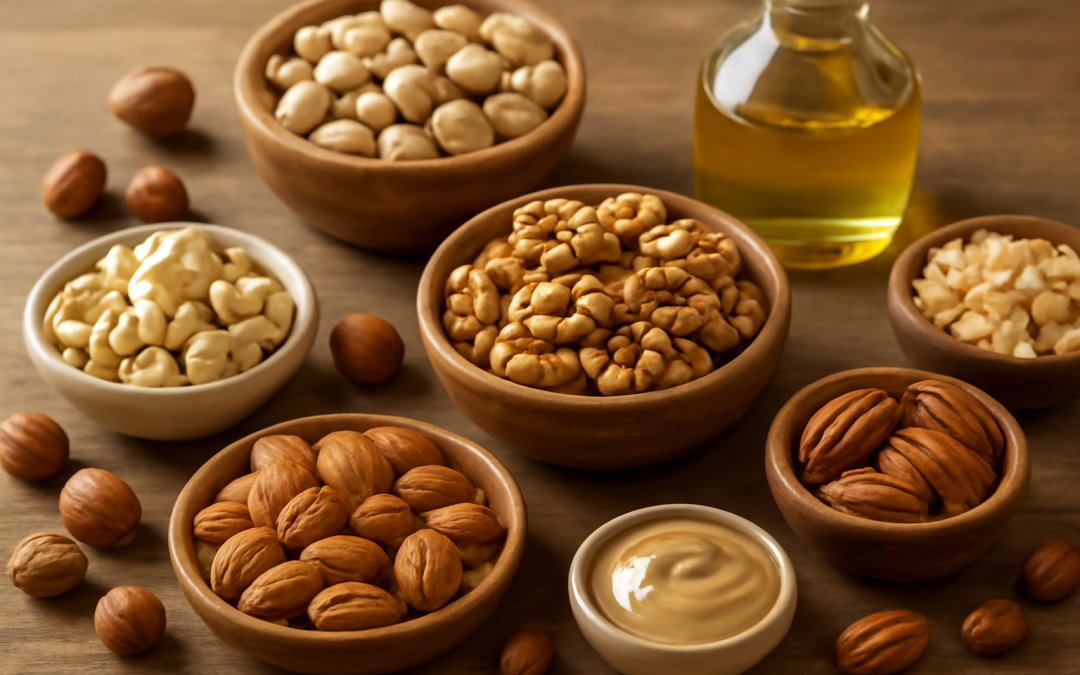
Tree nuts have long held a cherished place in culinary traditions around the world, prized not only for their rich flavors and satisfying crunch but also for their impressive nutritional profiles. Originating from a diverse group of tree species, these nuts offer a versatile ingredient that enhances both sweet and savory dishes. From the creamy texture of cashews to the robust earthiness of walnuts, tree nuts present an array of sensory experiences that have made them indispensable in kitchens across cultures.
Exploring the culinary uses of tree nuts reveals a fascinating journey through global gastronomy. In Mediterranean cooking, pine nuts, known for their buttery richness, are a fundamental element in pesto and other sauces, adding depth and vibrancy. Meanwhile, Middle Eastern cuisines rely heavily on almonds and pistachios, incorporating them into everything from pilafs to desserts. The roasted almonds sprinkled atop a fragrant couscous or the crushed pistachios encrusting a baklava exemplify how tree nuts function not just as ingredients but as defining touches that elevate a dish’s character.
One of the most celebrated aspects of tree nuts is their versatility, which extends far beyond their traditional roles. They can be ground into butters, pressed into oils, or chopped to provide texture. Almond butter, for instance, has grown in popularity as a substitute for peanut butter, offering a slightly sweeter and nuttier flavor profile. Cashew butter adds a creamy softness to smoothies and baked goods, lending richness without overpowering other flavors. Nut oils, derived from varieties like walnuts and hazelnuts, are prized finishing oils, best used to drizzle over salads or roasted vegetables to impart a delicate nutty accent.
Tree nuts also serve as key ingredients in baking and confectionery. The finely ground almond paste used to make marzipan is a staple in many European desserts, while pistachio nuts lend their distinctive green hue and flavor to ice creams and pastries. Walnuts, with their slightly bitter edge, balance sweetness and add moisture to cakes, muffins, and breads. The use of chopped hazelnuts in chocolate truffles or pralines showcases how tree nuts complement and amplify the flavors of cacao, creating enduring classics that are beloved worldwide.
Beyond their flavorful contributions, tree nuts offer important nutritional benefits that make their inclusion in cooking not just a matter of taste but also health. Rich in protein, healthy fats, vitamins, and minerals, nuts contribute to heart health, improved metabolism, and sustained energy levels. For example, walnuts are high in omega-3 fatty acids, crucial for cognitive function and reducing inflammation. Almonds provide a solid source of vitamin E and magnesium, which supports skin health and bone strength. These qualities have inspired chefs and home cooks alike to incorporate nuts into meals more intentionally, balancing indulgence with wellness.
The culinary applications of tree nuts extend to innovative and contemporary cooking styles as well. Modern plant-based and vegan cuisines often utilize nuts to create dairy alternatives, such as almond milk, cashew cream, and macadamia cheese. These innovations have revolutionized dietary options for many, providing rich textures and flavors without animal products. Furthermore, nuts’ ability to blend seamlessly into both savory and sweet preparations encourages chefs to experiment with cross-cultural fusions, such as spicy nut sauces or nut-crusted proteins, expanding the culinary landscape and delighting adventurous palates.
In savory dishes, tree nuts frequently act as both garnish and main components. Crushed nuts can add a pleasant crunch to salads, roasted vegetables, or grain bowls. An iconic example is the use of pistachios or almonds in rice and couscous dishes, where their textural contrast enhances the experience of each bite. Additionally, nuts are often incorporated into spice blends and sauces—such as muhammara, a Syrian dip made from roasted red peppers and walnuts—bringing complexity and body to traditional recipes. These applications underscore the nuts’ cultural importance and versatility, serving as connectors between flavor profiles and textures.
Tree nuts have also played a pivotal role in the development of global snack cultures. Roasted and salted almonds, cashews, and pecans are popular as standalone snack items, prized for their portability and satiating qualities. Their inclusion in trail mixes, granola bars, and energy bites points to a long-standing tradition of using nuts for sustained nourishment during travel or labor. This heritage continues in healthy eating trends, where nuts are favored for their natural energy and nutrient density, providing a nutritious alternative to processed snacks.
Attention to the quality and sourcing of tree nuts is increasingly important in culinary contexts. The rising demand for organic, sustainably harvested nuts reflects a growing awareness of environmental and health considerations. Many consumers seek nuts free from chemical treatments and pesticides, preferring products that support biodiversity and fair labor practices. This trend has pushed some producers toward adopting artisan methods that preserve the integrity of the nuts’ flavor while adhering to ethical standards. Chefs who champion these values highlight the nuts’ connection not just to the plate but to the broader ecosystem.
While tree nuts bring many benefits to the table, their use also comes with special considerations, especially concerning allergies. Tree nut allergies are among the most common food allergies and can have severe, even life-threatening reactions. As a result, responsible culinary professionals must ensure proper handling and labeling of dishes containing nuts to safeguard diners. This awareness has led to the development of nut-free alternatives and clear communication in menus, illustrating how the culinary use of tree nuts must blend creativity with conscientious care.
The textural variety offered by tree nuts contributes significantly to the sensory appeal of many recipes. Whole nuts provide an enjoyable crunch, while finely ground nuts can act as thickeners or crust coatings. Nut flours, such as almond flour, have also gained prominence in gluten-free baking, offering moisture and richness where traditional flours fall short. The grainy, slightly oily nature of these flours adds a unique mouthfeel to cakes, cookies, and breads, enabling bakers to create products that are both flavorful and accommodating to dietary restrictions.
Historically, tree nuts have featured prominently in festive and ritual foods, symbolizing abundance and celebration. For centuries, holiday treats like pecan pie in the United States and marzipan confections during Christmas in Europe have anchored traditions that revolve around the nuts’ symbolism of prosperity and health. These cultural practices underscore the enduring significance of tree nuts beyond mere sustenance, elevating them to icon status in communal and familial gatherings. This cultural resonance continues to inspire chefs to preserve and reinvent time-honored dishes that celebrate the natural bounty of tree nuts.
Moreover, the pairing of tree nuts with other ingredients is a culinary art in itself. Their rich fat content and nuanced flavors allow them to harmonize with fruits, cheeses, herbs, and spices. For instance, pairing walnuts with blue cheese in salads creates a balance between pungency and crunch, while combining almonds with citrus fruits in desserts provides brightness and texture. Chefs often use roasted or salted nuts to intensify flavor contrasts or bring out hidden sweetness in dishes, demonstrating the transformative power of tree nuts’ culinary interplay.
In addition to whole nuts and pastes, tree nuts frequently appear in ground form as bases for sauces and thickeners. Classic Italian Romesco sauce, for example, blends roasted almonds or hazelnuts with peppers and garlic to create a smoky, nutty accompaniment for grilled fish or vegetables. Similarly, Indian cuisine uses cashew and almond pastes to enrich curries like korma, imparting creamy texture and subtle sweetness that balance intense spices. These preparations highlight the nuts’ ability to contribute both flavor and structure, moving beyond garnish to become fundamental components of recipes.
The use of tree nuts is not limited to traditional cuisines; they have become integral in fine dining and molecular gastronomy as well. Contemporary chefs employ nuts in innovative techniques such as nut-based foams, nut powder dustings, and oil infusions to introduce new textures and aromas. These creative approaches demonstrate how tree nuts continue to inspire culinary innovation and experimentation, pushing the boundaries of flavor combinations and presentation. As ingredients, they offer a dynamic medium for chefs to express artistry and elevate dining experiences.
Sustainability and environmental impact are increasingly addressed in the cultivation and consumption of tree nuts. While they provide valuable nutrients and culinary appeal, some nut crops require significant water and land resources, raising ecological concerns. As such, the future of tree nut production involves balancing demand with responsible farming practices, including water conservation and soil health management. Consumers and producers alike are urged to consider the environmental footprint of nuts, promoting practices that ensure their availability and quality for next generations while protecting natural resources.
The cultural diversity of tree nut utilization is evident in the myriad preparations spanning continents and culinary traditions. In Japan, for example, the use of chestnuts in both savory and sweet dishes showcases the nut’s role in seasonal cuisine. Latin American countries delight in pecans and peanuts (though technically legumes) incorporated into salsas and desserts, while African dishes often feature groundnuts in stews and sauces. This global panorama illustrates how tree nuts, while sharing core characteristics, adapt to local tastes, ingredients, and cooking methods, enriching global food heritage.
Educational efforts about tree nuts emphasize their benefits and culinary potential while addressing safety concerns. Cooking schools, nutritional programs, and food festivals often highlight nuts’ versatility and health advantages, fostering innovation and appreciation among chefs and consumers. This growing body of knowledge supports the integration of tree nuts into diets and menus in creative and responsible ways, reflecting a balanced understanding of their role in gastronomy.
In conclusion, the expansive world of tree nuts provides a unique fusion of flavor, nutrition, and cultural significance that continues to inspire culinary traditions worldwide. Their diverse textures and tastes, combined with their healthful properties, make them an indispensable ingredient in kitchens both humble and gourmet. As culinary practices evolve, tree nuts remain at the forefront of innovation, sustainability, and global food culture, enriching plates and palates with their timeless appeal. The ongoing exploration of their uses promises to deepen our appreciation and expand the possibilities in the art of cooking.