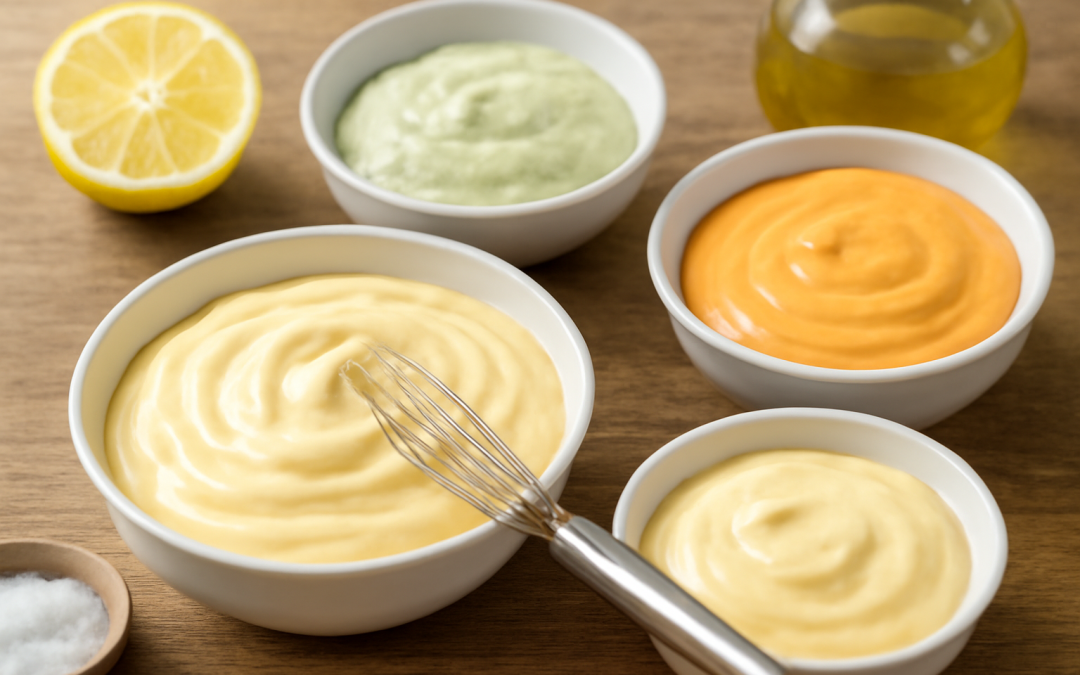
Emulsion sauces are a cornerstone of culinary arts, admired for their smooth texture, rich flavor, and versatility. These sauces are unique because they combine two immiscible liquids—typically oil and water or vinegar—into a cohesive, stable mixture. This fusion creates a creamy or velvety texture that enhances the taste and presentation of numerous dishes. Emulsion sauces can serve as vinaigrettes, dressings, or even the base for more complex preparations, showcasing the chef’s skill in balancing ingredients and handling techniques.
Understanding the science behind emulsion sauces is essential for anyone looking to master their preparation. At its core, an emulsion involves suspending tiny droplets of one liquid within another. Oil and water naturally repel each other due to their molecular properties: oil is nonpolar, while water is polar. To bind these two together, emulsifiers, substances that have both hydrophilic (water-attracting) and hydrophobic (oil-attracting) parts, are used. These emulsifiers stabilize the mixture by surrounding the oil droplets and preventing them from coalescing, ensuring a consistent texture throughout the sauce.
One of the most well-known examples of an emulsion sauce is mayonnaise, which combines oil, egg yolk, vinegar or lemon juice, and seasonings. The lecithin present in egg yolks acts as a powerful emulsifier, allowing the oil to be gradually incorporated into the aqueous phase without separating. The process of emulsifying requires a steady and gradual introduction of oil while whisking vigorously to break it into fine droplets. This slow incorporation is crucial because adding oil too quickly or insufficiently whisking can cause the mixture to break or “split,” resulting in an undesirable texture.
Another classic emulsified sauce is hollandaise, which utilizes egg yolks as an emulsifying agent while incorporating clarified butter and lemon juice or vinegar. Unlike mayonnaise, hollandaise is heated gently, necessitating a delicate balance to prevent the eggs from cooking too quickly and scrambling. This temperature control, combined with constant whisking, ensures a smooth and stable sauce. Hollandaise forms the basis for several derivative sauces, such as Béarnaise and mousseline, illustrating the versatility and foundational nature of emulsions in culinary ecosystems.
Vinaigrettes represent the simplest form of emulsion sauces, often combining oil with an acidic agent such as vinegar, mustard, or citrus juice. Because vinaigrettes lack strong natural emulsifiers like egg yolks, they tend to separate quickly after mixing. To combat this, finely ground mustard is often added not only for flavor but also as an emulsifying agent, providing better stability and a smoother consistency. Proper emulsification in vinaigrettes results in a balanced sauce that clings well to salads and other dishes, ensuring even distribution of flavor.
The technique of creating an emulsion sauce involves careful attention to both ingredients and process. Starting with clean, dry equipment ensures that no unwanted particles or residues affect the texture. For cold emulsions such as mayonnaise or vinaigrette, the temperature of the ingredients plays a significant role; they should generally be at room temperature to facilitate easier emulsification. When making hot emulsions like hollandaise, maintaining a consistent heat source, such as a double boiler, prevents the eggs from curdling and keeps the sauce smooth.
One common challenge in preparing emulsion sauces is the risk of the sauce “breaking,” which occurs when the oil separates out from the water phase, leaving an oily or curdled mixture. This can happen if the oil is added too rapidly, the temperature is too high, or the emulsifying agent is insufficient. Recovering a broken sauce can sometimes be achieved by adding a small amount of warm water or another emulsifier and whisking vigorously, but prevention through careful technique remains the best approach.
The applications of emulsion sauces go far beyond traditional recipes. Chefs often experiment with alternative bases and emulsifying agents, utilizing ingredients such as soy lecithin, xanthan gum, or even aquafaba to create vegan or allergen-friendly versions of classic sauces. These modern adaptations maintain the desirable characteristics of emulsion sauces—creamy texture, smooth integration of flavors—while catering to evolving dietary preferences and culinary trends.
Texture and mouthfeel are defining characteristics of emulsion sauces, setting them apart from other types of condiments or dressings. The process of breaking down liquids into microscopic droplets distributes the fat evenly, providing a sensation of richness without greasiness. This smoothness allows emulsion sauces to act as flavor carriers, complementing and enhancing the main components of a dish rather than overpowering them. Moreover, the viscosity of these sauces can be fine-tuned by adjusting the ratio of oil to aqueous components, the strength of the emulsifier, and the whisking technique.
The selection of oils and acidic components significantly influences the flavor profile of emulsion sauces. Neutral oils like canola or grapeseed are commonly used to create a delicate base, allowing other ingredients to shine. Conversely, robust oils such as extra virgin olive oil, walnut oil, or toasted sesame oil can lend strong, distinctive notes that complement specific cuisines or dishes. Similarly, choosing between different vinegars—red wine, balsamic, apple cider—or citrus juices can dramatically alter the sauce’s acidity and brightness.
Salt, herbs, and spices are vital in rounding out the flavor of emulsion sauces. While the basic structure of an emulsion provides texture, it is the seasoning that elevates the sauce and tailors it to the dish it accompanies. Garlic, shallots, fresh herbs, mustard seeds, and various spices can be incorporated to create complex, layered flavors. Emulsion sauces can also be served cold or warm depending on the recipe, adding further flexibility in their use across appetizers, entrees, and even desserts.
Maintaining the stability of emulsion sauces during storage poses additional considerations. Many emulsions, such as mayonnaise, can keep well for days under refrigeration due to their natural or added preservatives like vinegar or mustard, which create an acidic environment hostile to bacteria. However, homemade emulsions without preservatives may have a shorter shelf life and require careful storage in airtight containers. Some emulsion sauces can thicken upon chilling, necessitating gentle reheating or vigorous whisking before use to restore their original texture.
The cultural significance of emulsion sauces is also noteworthy. From the classic French mother sauces to contemporary global variations, emulsions embody the intersection of technique, flavor, and tradition. French culinary schools have long emphasized the mastery of emulsion sauces as an essential skill for chefs, illustrating their foundational role in professional cooking. Meanwhile, home cooks continue to embrace these sauces for their simplicity and transformative impact on everyday meals, highlighting their widespread appeal.
A deep appreciation of emulsion sauces also involves recognizing the balance between science and art in their preparation. The molecular interactions and emulsifying agents form the scientific foundation, yet the intuitive adjustments in timing, whisking speed, and ingredient proportions reflect the artistry of cooking. This balance allows chefs to innovate while maintaining classic textures and flavors, ensuring that emulsion sauces continue to evolve within the culinary landscape.
In summary, emulsion sauces are a versatile and essential element in the repertoire of both professional chefs and home cooks. Their unique ability to combine incompatible liquids into harmonious, stable mixtures makes them invaluable for enhancing texture and flavor across a multitude of dishes. Mastering the principles of emulsification—understanding the role of emulsifiers, controlling temperature, and perfecting whisking technique—unlocks a world of culinary possibilities. Whether crafting a simple vinaigrette or an intricate hollandaise, the skills involved extend far beyond a recipe, embodying a fundamental aspect of gastronomic expertise. Emulsion sauces not only enrich the sensory experience of food but also serve as a testament to the union of science and creativity within the art of cooking.