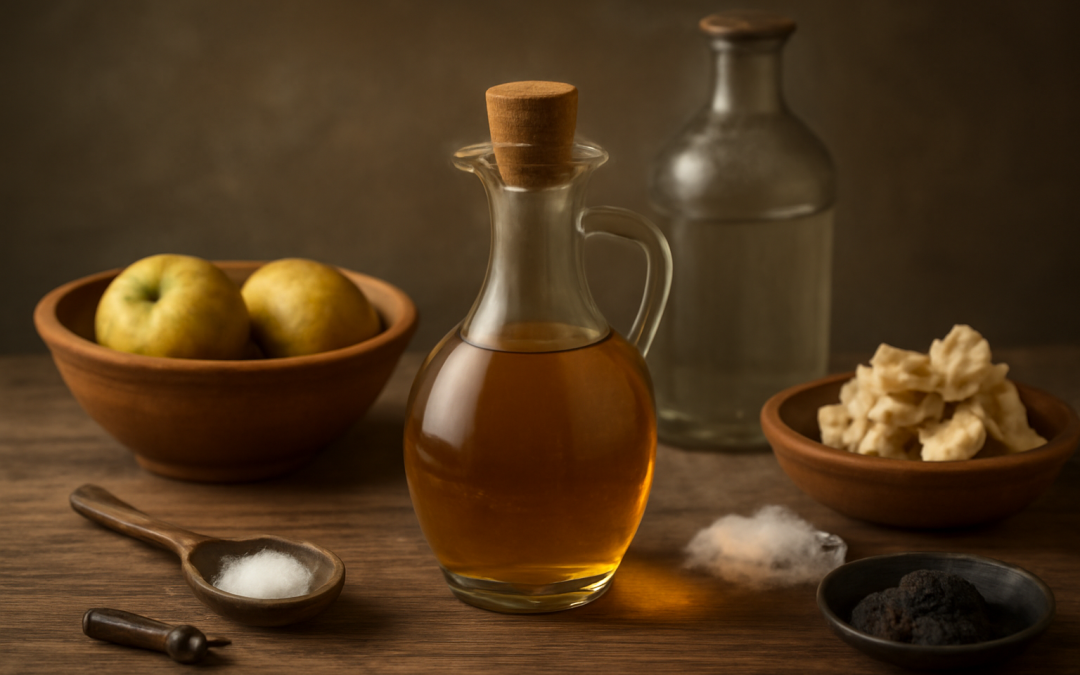
For thousands of years, vinegar has held a distinct place in human culture, cherished not only for its unique flavor but also for its myriad practical applications. This versatile liquid, derived from the fermentation of ethanol by acetic acid bacteria, has left a profound mark on culinary traditions, medicine, preservation techniques, and even cleaning practices throughout history. Far from being a simple condiment, vinegar’s journey is intertwined with the development of civilizations, reflecting both human ingenuity and the desire to harness natural resources for everyday use.
The origins of vinegar date back to ancient times, where archaeological evidence suggests that early humans discovered the fermentation process quite by chance. Historical records reveal that civilizations such as the Babylonians, Egyptians, and Chinese were familiar with vinegar around 5,000 to 6,000 years ago. These early peoples valued vinegar for its sour taste and preserving qualities. In Mesopotamia, clay tablets inscribed with recipes indicate that vinegar was produced from dates and other fruits, serving as both a culinary enhancer and a method for food preservation. This early recognition of vinegar’s transformative power laid the foundation for its enduring presence in human culture.
In ancient Egypt, vinegar was revered not only for its culinary uses but also for its medicinal and ritualistic functions. Egyptian texts and tomb paintings suggest that vinegar was employed as an antiseptic agent, used to cleanse wounds and prevent infections. It was also incorporated into embalming processes, helping in the preservation of bodies, which underscores the early appreciation of its preservative properties. Additionally, vinegar’s acidic nature made it a valuable tool for cleaning and maintaining hygiene in households and temples alike. The Egyptians’ sophisticated use of vinegar foreshadowed the many practical applications it would acquire across the world.
Moving eastward, vinegar played a crucial role in ancient Chinese culture, where records dating back to the second millennium BCE document its production from rice and millet. The Chinese discovered that vinegar could enhance the flavor of food and extend its shelf life, which was particularly important in regions with hot climates. It was also integrated into traditional medicine, where its detoxifying properties were believed to promote health and longevity. Chinese texts describe vinegar as an ingredient to balance bodily energies and treat ailments ranging from digestive issues to infections. This symbiosis of culinary and medicinal use helped vinegar weave itself into the fabric of Chinese life for millennia.
The ancient Greeks and Romans further expanded the use of vinegar, advancing its role beyond food and medicine into military and everyday spheres. Greek soldiers consumed watered-down vinegar, called posca, as a refreshing and hydrating beverage on long campaigns. The acidic content helped purify the water and provided a slight energy boost. Roman legionnaires similarly relied on vinegar to treat wounds and prevent infections, a practice supported by early medical writers such as Hippocrates and Pliny the Elder, who extolled vinegar’s healing properties. Vinegar was also a key ingredient in Roman cooking and food preservation, reinforcing its indispensable status in daily Roman life.
During the Middle Ages in Europe, vinegar continued to be a staple in kitchens and apothecaries, maintaining its reputation for preservation and healing. The era’s limited understanding of pathogens did not hinder the use of vinegar as a disinfectant and remedy for various ailments. Monastic communities often cultivated vineyards, producing vinegar alongside wine, which was essential to their diet and medicinal practices. Vinegar was employed to treat wounds, alleviate digestive problems, and even as a mouth rinse. Beyond health and culinary uses, it was sometimes utilized in early attempts at cleaning and household maintenance, hinting at its broad practical scope.
The Renaissance marked the beginning of a more scientific approach to vinegar, as advancements in chemistry and the study of fermentation deepened the understanding of its properties. Scholars such as Robert Boyle in the 17th century explored the chemical reactions underlying vinegar’s acidity, helping to explain why vinegar could preserve foods and kill certain bacteria. This period also saw the refinement of vinegar production techniques, with artisans crafting specific types such as malt vinegar, apple cider vinegar, and wine vinegar to suit diverse tastes and uses. Culinary arts flourished with vinegar playing a central role in sauces, marinades, and pickling, solidifying its place as a key flavor component.
The industrial revolution brought significant changes to the production and application of vinegar. A growing population and expanding urban centers increased demand for preserved foods, driving innovations in vinegar manufacturing, such as the introduction of continuous fermentation methods. Vinegar’s role in food preservation became even more critical in this era, enabling mass production and storage of perishable goods. Beyond the culinary realm, vinegar found new applications in cleaning and agriculture, recognized for its ability to control weeds and pests naturally. These developments demonstrated vinegar’s adaptability and sustained its relevance during a rapidly changing world.
In the 19th and early 20th centuries, understanding of vinegar’s chemical and antimicrobial properties deepened further, fostering its use as a natural disinfectant and health tonic. Home remedies widely recommended vinegar for ailments ranging from sore throats and digestive disturbances to skin irritations. The rise of industrial chemicals and pharmaceuticals did not diminish vinegar’s presence; rather, its gentle yet effective qualities ensured it remained a household staple. Vinegar was embraced as an economical and accessible option for cleaning, deodorizing, and food preservation, highlighting its multifunctionality.
In modern times, vinegar’s uses have multiplied and diversified, with the primary keyword continuing to resonate in contemporary contexts. Culinary traditions worldwide celebrate vinegar’s ability to enhance dishes, balance acidity, and preserve freshness. Its role in pickling remains invaluable, influencing culinary cultures from Eastern Europe to Southeast Asia. Health enthusiasts often turn to vinegar, particularly apple cider vinegar, for its purported benefits in weight management, blood sugar regulation, and digestive health, though scientific evidence varies. Vinegar has also surged in popularity as a natural and eco-friendly cleaning agent, favored for its non-toxic and biodegradable nature.
Meanwhile, industries have found novel ways to utilize vinegar as well. Beyond food and household uses, vinegar is employed in beauty and personal care products, where it acts as a natural hair rinse and skin toner. Its antimicrobial properties support its use in agricultural practices as an organic alternative to synthetic herbicides and pesticides. The environmental movement has further propelled vinegar into the spotlight, encouraging sustainable living and reducing chemical reliance by promoting vinegar-based cleaning solutions.
Historically, vinegar has been more than just a simple liquid—it has been a symbol of resourcefulness and a testament to humanity’s ability to harness natural processes to meet diverse needs. From ancient civilizations to modern households, its acidic punch packs a punch that transcends culinary delight, offering preservation, healing, cleanliness, and even a hint of cultural identity. Its persistent presence across ages underscores the timeless appeal and multifaceted utility found within this humble fermented liquid.
Reflecting on vinegar’s rich and varied legacy, it is evident that its uses are deeply woven into the evolution of human society. Far from a mere kitchen staple, vinegar serves as a mirror reflecting changing scientific understanding, cultural practices, and lifestyle preferences. Its enduring popularity is no accident; rather, it is a result of its unique qualities that continue to fulfill practical, health, and culinary demands. As interest in natural and sustainable living grows, vinegar’s historical wisdom promises to remain relevant, reminding us of the enduring value found in traditional, time-tested substances.