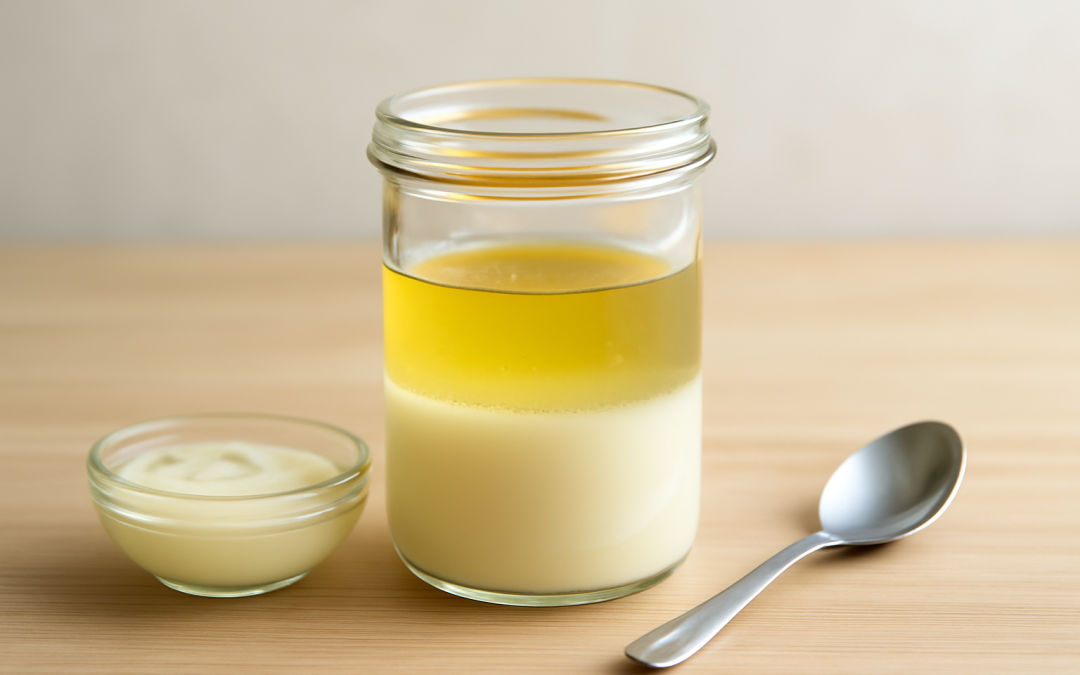
Emulsions play a vital role in countless aspects of daily life, from the foods we consume to the cosmetics we apply and the medicines we use. Despite their presence in so many common products, the science behind emulsions often remains a mystery to many. At their core, emulsions are mixtures of two immiscible liquids—most typically oil and water—where one liquid is dispersed throughout the other in the form of tiny droplets. This dispersion forms a stable or semi-stable system, which is crucial in achieving the desired texture, appearance, and performance in a wide variety of applications.
Understanding emulsions begins with recognizing why oil and water, the two most common liquids involved, don’t naturally mix. Oil molecules are nonpolar, while water molecules are polar, meaning their molecular charges differ significantly. This polarity difference means that oil and water molecules repel each other rather than blend seamlessly. When attempting to combine them, the two liquids separate into distinct layers, much like oil floating on water. An emulsion overcomes this tendency by breaking one liquid into fine droplets that become suspended throughout the other, creating a homogenized mixture.
One of the key factors in forming a stable emulsion is the use of emulsifying agents, sometimes referred to as surfactants. These molecules possess a unique structure with both hydrophilic (water-attracting) and hydrophobic (water-repelling or oil-attracting) ends. Because of this dual nature, an emulsifier can align at the oil-water interface, reducing the surface tension between the two liquids. This reduction makes it easier to disperse one liquid within the other and prevents the droplets from readily coalescing back into separate layers. Emulsifiers are widespread and can be natural, such as lecithin found in egg yolk or mustard, or synthetic, like polysorbates commonly used in food and cosmetic products.
Once the mixture contains dispersed droplets stabilized by emulsifiers, several forces come into play to maintain or disrupt this intricate balance. Without adequate stabilization, the droplets would tend to merge, a process called coalescence, leading to the separation of the two phases again. Other mechanisms that cause instability include creaming, where droplets rise or sink due to density differences, and flocculation, where droplets aggregate but remain distinct. To evaluate and improve the stability of emulsions, formulators frequently adjust factors such as droplet size, emulsifier concentration, viscosity of the continuous phase, and pH levels, tailoring the system to suit specific needs.
Emulsions can be broadly categorized into two varieties based on which liquid forms the continuous phase and which liquid makes up the dispersed droplets. Oil-in-water emulsions have oil droplets suspended within water, which is the continuous medium. This type of emulsion is common in many food products, such as milk, salad dressings, and mayonnaise, where the watery base dominates the system. Conversely, water-in-oil emulsions feature water droplets dispersed in an oil phase, prevalent in products like butter, margarine, and certain rich creams. The distinction between these types influences numerous properties, including texture, stability, and how the body interacts with or absorbs the emulsion.
The process of creating emulsions involves mechanical action to reduce the size of droplets and distribute them evenly. Various tools and techniques are employed to generate sufficient shear forces to break larger volumes of one liquid into tiny droplets. These range from simple whisking or shaking to advanced machinery such as high-pressure homogenizers or ultrasonic processors. The choice of method depends on the desired droplet size, emulsion type, and application. For instance, finely dispersed emulsions with droplet sizes below a few micrometers often require sophisticated equipment to maintain stability and achieve the desired product characteristics.
Droplet size plays a decisive role in the sensory qualities and physical appearance of emulsions. Smaller droplets tend to create smoother, creamier textures and reduce light scattering, making the emulsion appear more translucent or even transparent. Larger droplets, by contrast, scatter light extensively, resulting in a more opaque or cloudy appearance. In food science, manipulating droplet size lets manufacturers fine-tune mouthfeel and consistency, while in cosmetics, it influences spreadability and absorption into the skin.
Emulsions are not static; they evolve over time under the influence of environmental factors such as temperature, agitation, and exposure to air or light. Temperature changes can affect the solubility, viscosity, and interfacial tension between phases. For example, heating an emulsion might cause the fat phase to melt and redistribute, potentially destabilizing the structure. Similarly, freezing can damage emulsions by causing ice crystals to form and disrupt the thin layers stabilizing droplets. These factors make formulation science critical for developing long-lasting products that maintain their functionality and appearance throughout shelf life.
In addition to emulsifiers, other ingredients can support emulsions by influencing viscosity or creating physical barriers to droplet movement. Thickeners and stabilizers like gums or polymers increase the viscosity of the continuous phase, reducing the mobility of droplets and decreasing the likelihood of coalescence or creaming. This approach works as a complementary strategy to emulsifiers, creating a multi-layered defense against instability. The interplay among these components requires precise balancing; too much thickener, for example, could make the product unpalatably thick or sticky.
Emulsions span a wide spectrum of product categories, indicating their vast importance. In food, emulsions help create everything from creamy sauces to ice cream and even beverages enriched with oils or flavors that wouldn’t otherwise mix properly with water. In cosmetics, they enable the formulation of lotions and creams that moisturize while feeling light on the skin. Pharmaceuticals use emulsions to improve the delivery and absorption of certain drugs, especially those poorly soluble in water. Industrial applications also benefit; emulsions are essential in paints, lubricants, and pesticides, providing even distribution of active ingredients.
Beyond practical applications, emulsions also serve as a fascinating platform for scientific research and innovation. Controlling emulsion properties at the nanoscale enables the development of cutting-edge delivery systems capable of targeting specific tissues or releasing compounds in a controlled manner. This level of precision is revolutionizing fields such as targeted drug delivery and nutraceuticals. Scientists continue to explore novel emulsifiers and formulation techniques, including natural and environmentally friendly alternatives, to address increasing demands for clean-label and sustainable products.
The study of emulsions also extends into understanding their environmental impact and biodegradability. Many traditional emulsifying agents and surfactants come from petrochemical origins and may pose challenges for wastewater treatment or ecological safety. This awareness fuels research into green chemistry solutions, such as using plant-based surfactants, bioactive compounds, or enzymes. Such advances promise to yield emulsions that are not only effective but also aligned with broader sustainability goals.
While the underlying principles behind emulsions are straightforward, mastering them requires a blend of chemistry, physics, and material science. The delicate balance of molecular interactions and physical forces working on minuscule droplets reveal complex behaviors that impact product performance on the macroscopic scale. This knowledge empowers formulators and scientists to innovate continuously, improving existing products and creating entirely new ones that cater to shifting consumer preferences and technological advancements.
A practical example of everyday emulsion usage illustrates the intricate science involved: mayonnaise. Its creamy texture and stable consistency arise because oil droplets are finely dispersed in water with the aid of egg yolk, which contains lecithin as a natural emulsifier. Without lecithin, the mixture would quickly separate into oil and vinegar layers, losing all desirable properties. This example highlights how emulsions bridge natural ingredients with human ingenuity to deliver familiar, functional, and enjoyable products.
In addition to food emulsions, the cosmetics industry benefits extensively from this technology. Creams and lotions require emulsions to combine both hydrating (water-based) and nourishing (oil-based) ingredients in one seamless product. Without emulsions, these formulations would separate or be difficult to apply evenly. Moreover, the skin-feel, absorption rate, and stability of the product are largely dictated by emulsion quality and the choice of emulsifying agents. This underlines the importance of personalized emulsion design tailored to specific skin types and consumer demands.
Pharmaceutical emulsions represent another critical field driven by emulsion science. They facilitate the solubilization and delivery of lipophilic drugs, enabling better bioavailability and therapeutic action. Emulsions can be optimized to release active ingredients slowly over time or in response to environmental triggers such as pH changes or enzymes present in the body. These drug delivery systems improve patient compliance by reducing dosing frequency and adverse side effects, demonstrating how emulsions enhance healthcare beyond mere mixing of liquids.
Looking toward the future, the development of smart emulsions that respond to external stimuli such as temperature, light, or magnetic fields is an area of growing interest. These advanced materials open doors to revolutionary products that adapt their properties based on user needs or environmental conditions. Such responsiveness could lead to innovations in controlled drug release, adaptive cosmetics, or environment-friendly pesticides that activate only when necessary, limiting waste and environmental exposure.
The science of emulsions emphasizes the importance of interdisciplinary collaboration. Chemists, materials scientists, food technologists, and biomedical engineers work together to understand and improve emulsion-based systems. Their efforts contribute to a wide range of societal benefits, from enhancing nutrition and health to driving sustainable industrial processes. This holistic approach reflects the central role that emulsions play in connecting molecular phenomena to everyday experiences.
Despite the challenges associated with formulating and stabilizing emulsions, their versatility and indispensability make them a cornerstone of modern product development. Whether enhancing the flavor and texture of foods, improving the feel and efficacy of personal care items, or delivering life-saving medicines, emulsions create unique possibilities by uniting incompatible substances into harmonious blends. The ongoing research and technological breakthroughs promise even greater achievements ahead, ensuring emulsions remain at the forefront of scientific and commercial innovation.
In summary, emulsions involve the delicate art and science of combining two immiscible liquids into a stable mixture through the use of emulsifiers, mechanical forces, and complementary stabilizers. Their classification into oil-in-water or water-in-oil types, controlled droplet size, and tailored formulation conditions underpin their success across numerous industries. Understanding the molecular interactions and physical principles that govern emulsions opens the door to optimizing existing products and inventing new ones, highlighting the profound impact of these complex systems on everyday life and technology.