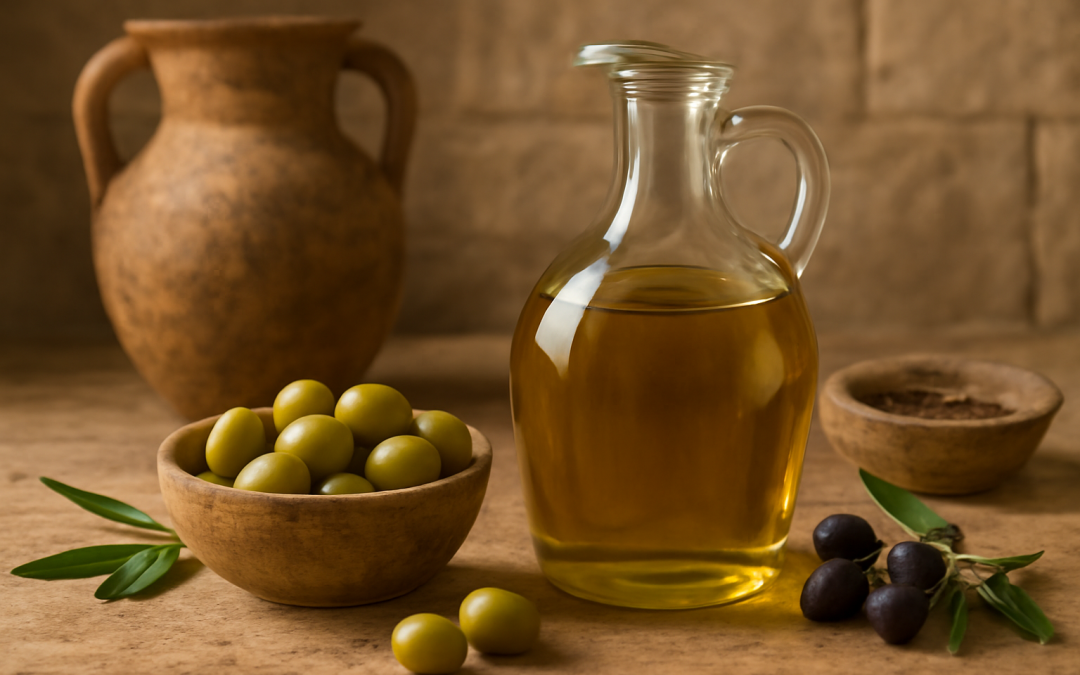
From the earliest days of human civilization, olive oil has been more than just a culinary ingredient; it was a vital commodity intertwined with culture, religion, economy, and daily life. The cultivation of the olive tree and the extraction of its precious oil trace back thousands of years, with ancient societies across the Mediterranean basin recognizing its multifaceted value. This liquid gold was not simply prized for its flavor or nourishment but was deeply embedded in the social fabric and spiritual practices of those early civilizations, helping shape the course of history in profound ways.
In the ancient world, olive oil was a symbol of wealth, health, and divine favor. The earliest archaeological evidence of olive oil production dates to the Bronze Age, around 3500–3000 BCE, notably in regions such as Crete and the Levant. The Minoans, who thrived on the island of Crete, were among the first to develop sophisticated olive oil extraction techniques, utilizing stone presses and large terracotta containers for storage. Olive oil, in these cultures, was not confined to kitchens; it was an essential part of cosmetics, medicine, and religious rites.
The role of olive oil in ancient Egypt is particularly noteworthy. The Egyptians prized it highly not only as nourishment but also for its use in rituals and embalming practices. Olive oil was often mixed with aromatic herbs and oils for anointing the body after death, symbolizing purification and preparation for the afterlife. Ancient Egyptian art frequently depicts the offering of oils to deities, underscoring its spiritual significance. Furthermore, the oil was a component in cosmetics and skincare, attesting to its versatility and valued status in daily life and luxury.
In the ancient Greek world, olive oil took on even greater cultural and economic significance. Greece’s geography and climate proved ideal for the cultivation of olive trees, enabling olive oil to become a foundational agricultural product. The Greeks revered the olive tree as a gift from the goddess Athena, according to myth, and it became a sacred symbol of peace, prosperity, and victory. Olive oil was central to Greek cuisine, but its uses extended far beyond food. Athletes in ancient Greece would rub olive oil on their bodies before competitions, believing it enhanced their performance and protected their skin. Olive oil was also burned in lamps, used for medicinal purposes, and employed during religious ceremonies.
Trade networks that developed across the Mediterranean cemented olive oil’s role as a valuable commodity. The Phoenicians, renowned seafarers of the ancient world, played a crucial role in spreading olive oil to far-reaching territories. Their merchant ships transported large quantities of olive oil in amphorae, linking different regions through an intricate commerce system. This trade helped the olive oil economy flourish and contributed to the exchange of knowledge, including agricultural techniques and culinary traditions, between cultures.
The importance of olive oil in the Roman Empire cannot be overstated. Romans expanded olive cultivation throughout the Mediterranean as part of their vast agricultural reforms. Olive oil production became highly industrialized, with large estates dedicated to its cultivation and pressing. The Romans developed extensive agrarian manuals detailing best practices for growing olive trees and extracting oil efficiently. Olive oil served as a staple in the Roman diet, a base for cosmetics, and fuel for lamps, highlighting its indispensable nature.
Roman attitudes toward olive oil were also deeply connected with social and cultural values. Wealthier classes used olive oil lavishly, both in food and in social rituals such as banquets and baths. Public bathhouses used oil to cleanse and moisturize the skin, a practice integral to Roman hygiene and recreation. Moreover, olive oil held medicinal value in Roman health care, where it was integrated into everything from wound treatment to massages. This comprehensive use of olive oil reinforced its reputation as a symbol of refinement, wellness, and abundance.
Beyond the Mediterranean basin, the influence of olive oil extended through interactions with neighboring civilizations. In ancient Mesopotamia, for example, though olive oil was less prevalent than in the Mediterranean, records show its trade and occasional use for religious and medical purposes. The spread of olive oil cultivation and consumption into North Africa, facilitated by the Carthaginians and later the Romans, enriched local economies and introduced new cultural practices. Similarly, in the Iberian Peninsula, olive oil production flourished under Roman influence and persisted through subsequent centuries, embedding itself into the region’s agricultural and gastronomic heritage.
Religion played a central role in shaping the significance of olive oil in many ancient civilizations. In Judaism, olive oil was sacred, used extensively in religious rituals and temple anointing ceremonies. The menorah, a candelabrum burning olive oil lamps, symbolized divine light and presence, emphasizing the spiritual purity associated with this oil. Christianity later adopted and adapted olive oil for anointing the sick and ordaining clergy, establishing a tradition that endures today. These profound religious connections underscored olive oil’s role not only as a resource but as a vessel of spiritual meaning and divine blessing.
The technological advancements in olive oil production were crucial to the sophistication and scale of its use. Ancient presses evolved over centuries, from simple stone basins to lever and screw presses capable of extracting oil more efficiently and in larger quantities. Innovations such as filtering and storage techniques allowed for improved quality and longevity of the oil, enhancing its commercial appeal. The knowledge of these technologies spread from one civilization to another, aided by traders, conquerors, and migrants, woven into the fabric of agricultural expertise across regions.
Aside from its practical and ritual uses, olive oil held considerable symbolic importance in art, literature, and political life. Ancient texts and myths often referenced the olive tree and its oil as emblems of wisdom, victory, and peace. Victorious athletes and warriors were crowned with olive wreaths, signifying honor and achievement, anchored in the olive’s sacred status. The oil itself was sometimes presented as a diplomatic gift, serving as an emblem of goodwill and alliance between city-states or kingdoms.
The environmental adaptation of olive tree cultivation also reflects the interplay between nature and human ingenuity in ancient times. Olive trees thrived in marginal soils, enduring long periods of drought and poor rainfall, making them well-suited to the Mediterranean landscape. This resilience enabled early farmers to harness these hardy trees as a reliable resource even in less hospitable areas. Cultivation practices such as grafting and selective pruning were already known in antiquity, representing an early form of agricultural science that maximized yield and quality.
Economically, olive oil was a linchpin in ancient civilizations’ economies, underpinning trade and agriculture. The sale and taxation of olive oil contributed significantly to state revenues, enabling the financing of public works, military campaigns, and cultural projects. In some regions, olive oil served as a form of currency or barter, highlighting its intrinsic value. The demand for olive oil stimulated not just agriculture but related industries like pottery for amphorae production, transport, and even glassmaking for containers, showcasing a complex economic ecosystem centered around this product.
The enduring legacy of olive oil’s importance in ancient civilizations is evident today. Modern culinary and cultural practices owe much to the ancient understanding of olive oil’s quality and utility. The olive tree remains an emblem of Mediterranean identity and continuity, linking contemporary societies with their historical roots. Archaeological sites preserving olive presses, amphorae, and ancient groves offer tantalizing glimpses into how olive oil shaped human civilizations thousands of years ago.
In conclusion, the story of olive oil in ancient civilizations is a testament to the profound connection between humans and their environment, as well as the interplay between culture, technology, economy, and religion. Olive oil was far more than a simple agricultural product; it was a symbol of prosperity, a tool of spiritual expression, and an economic cornerstone. Its significance transcended borders and centuries, nourishing bodies, minds, and souls. Understanding the multifaceted role olive oil played in antiquity illuminates how deeply embedded this substance was in shaping not only diets, but also civilizations themselves.