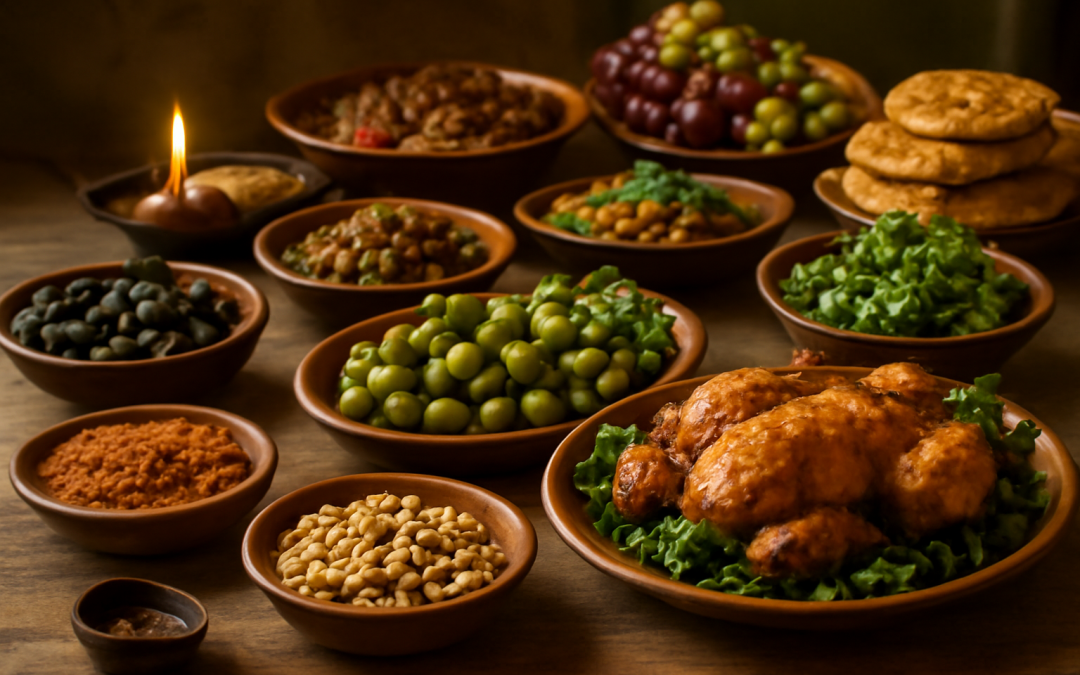
The grandeur of ancient Roman society extended well beyond its political and architectural achievements, embodying a complex and vibrant culture surrounding food and dining. The banquets held in Roman homes were more than mere meals; they were social events steeped in ritual, reflecting status, wealth, and the intricate social hierarchies of the time. The cuisine at these gatherings was a testament to the Romans’ love for indulgence, innovation, and variety, melding flavors and ingredients from all corners of the empire to delight sensibilities and display sophistication.
At the heart of the Roman banquet was a deep appreciation for diversity in food. The Romans drew influences from Greek traditions and expanded on them, integrating elements from Etruscan, Egyptian, and Eastern Mediterranean cuisines. The meals typically unfolded in several courses, beginning with the gustatio, or appetizer, followed by the cena, the main course, and concluding with the secundae mensae, a selection of desserts and fruit. Each course was meticulously planned to highlight different tastes, textures, and aromas, showcasing the host’s ability to procure rare ingredients and demonstrate culinary expertise.
One staple of Roman banquets was the use of varied and exotic spices, herbs, and sauces to enhance flavors. Garum, a fermented fish sauce, was an essential condiment that infused dishes with umami, much like modern soy sauce or Worcestershire sauce. This pungent but prized ingredient was mass-produced across the empire and featured in countless recipes, from meats to vegetables. Beyond garum, Romans employed a broad palette of herbs like rue, lovage, and coriander, as well as imported spices such as pepper from India and cinnamon from Sri Lanka, emphasizing the empire’s expansive trade networks.
The types of foods served were dictated by social status and availability of resources. Wealthy patricians could afford luxurious ingredients such as peacock, ostrich, dormice, and even flamingo, while the middle and lower classes typically consumed simpler fare. Nevertheless, the emphasis on presentation and creativity was universal. Roman cooks paid close attention to the arrangement of food on platters, often shaping dishes into elaborate designs or incorporating colorful garnishes. Banquets became theaters for chefs to demonstrate their skills, and guests would expect not only to be satisfied but also to be entertained.
Bread was a cornerstone of the Roman diet and commonly present at banquets, often accompanied by cheese and figs. Various types of bread, including flatbreads and leavened varieties, were used as utensils to scoop up sauces or as an accompaniment to meat and vegetable dishes. Puls, a type of porridge made from spelt or barley, was another ubiquitous dish, consumed by all classes and adaptable to include different toppings or ingredients depending on what was available.
Meat and fish played critical roles, with different regions offering specialties depending on local abundance. Game meats, including boar and hare, were favorites among the elite and often marinated or cooked with exotic spices. Fish and shellfish were also served widely, especially during the colder months when hunting was less viable. This included oysters, mussels, and various fish species, often prepared in complex sauces and sometimes stuffed with herbs and nuts.
The Romans also had a close relationship with wine, which was the primary beverage at banquets. Wine was often diluted with water, as drinking it neat was frowned upon, and it was sometimes infused with herbs, honey, or spices to create unique flavors. Drinking rituals were significant and included toasts and libations to the gods, making wine both a social and religious element of the meal. Amphorae and delicately crafted glassware enhanced the experience, highlighting the importance of conviviality during dining.
Vegetables and legumes were essential components of the Roman banquet and were consumed alongside richer fare to balance the meal. Lentils, chickpeas, cabbage, leeks, and asparagus were cultivated widely across the empire and prepared in myriad ways. Olives and olive oil were household staples, used liberally not only for cooking but also as dressings and preserves. Fruit, ranging from apples and pears to exotic varieties like dates and pomegranates, was served fresh, dried, or cooked, often accompanying sweet desserts or forming the entirety of the secundae mensae.
Desserts in Roman banquets were sophisticated, often combining honey, nuts, cheese, and dried fruit. Honey was the primary sweetener, predating the widespread availability of sugar by centuries. Cakes and pastries were common, sometimes made with spelt or wheat flour and enhanced with flavorings such as rosewater or anise. Fresh fruits, whether plucked from the garden or imported, concluded the meals on a refreshing note, while rare confections made from ingredients like almonds or pine nuts reflected the host’s wealth and access to fine foods.
Dining etiquette and the structure of Roman banquets revealed much about Roman values and societal norms. The seating arrangement was hierarchical, with the most honored guests reclining on couches positioned nearest to the host. Meals were accompanied by entertainment like poetry readings, music, and even philosophical debates. The long duration of these events underscored the priority placed on communion and conversation, rather than mere sustenance. Such gatherings reaffirmed alliances, celebrated successes, and displayed the generosity and cultural sophistication of the elite.
The preparation and service of food at Roman banquets also highlighted the extensive labor force behind these events. Slaves trained in culinary arts worked tirelessly in the kitchens, often preparing elaborate dishes that involved intricate processes such as stuffing, marinating, or carefully timing cooking methods. Some banquets featured dozens of servants attending to the diners’ needs, from serving wine to clearing plates, underscoring the social divide but also the complexity of maintaining such lavish hospitality.
Interestingly, Roman banquets were not static but evolved through time, influenced by both external contacts and internal trends. As Rome expanded, so too did the range of ingredients and culinary techniques. The introduction of new foods from conquered lands—such as spices from the East, herbs from North Africa, or fruits from Spain—enriched Roman cuisine with unprecedented diversity. Similarly, changing fashions in taste and health, shaped by physicians and philosophers, sometimes dictated the inclusion or exclusion of certain foods, reflecting the Romans’ sophisticated knowledge of dietetics.
It is important to recognize that the Roman banquet was more than a simple expression of culinary extravagance; it was an essential venue for political maneuvering and social positioning. Hosting grand banquets was a way for ambitious individuals to curry favor, display generosity, and assert dominance within the competitive social environment of the city. Guests were treated to spectacles of abundance that were as much about diplomacy and networking as they were about eating and drinking.
In stark contrast to these opulent banquets were the modest meals consumed by the urban poor and rural populace. These consisted mainly of simple porridges, vegetables, legumes, and occasionally some bread or cheese. Though lacking the variety and splendor of elite feasts, these everyday meals still retained elements of flavor and nourishment essential to daily life. Understanding this contrast enriches our appreciation of how deeply food practices were tied to identity and class in ancient Rome.
Analyzing the legacy of these dining traditions reveals their lasting impact not only on Mediterranean culinary practices but also on modern understandings of social dining. The Roman cultural approach to food—its emphasis on lavish presentation, course separation, the interplay of flavors, and the social function of eating—echoes in contemporary Western dining customs. Wine pairings, appetizers, and dessert courses can trace conceptual roots back to Roman banquets, as can the idea of the meal as a social ritual.
In essence, the passion the Romans exhibited for their banquets went far beyond the mere act of feeding bodies. Food was a vehicle for cultural expression, a medium for artistic craftsmanship, and a symbol of societal values. Every ingredient, every dish, and every gesture at these feasts was laden with significance, reflecting an empire’s desire to celebrate its abundance, its connections, and its power.
Ultimately, looking into the food culture of Roman banquets provides invaluable insights into the complexities of ancient Roman life. These social gatherings were microcosms of the empire itself, illustrating the fusion of tradition and innovation, the intersection of politics and pleasure, and the universal human desire to gather and partake in the shared joys of food. They remind us that food is never just nourishment; it is history, identity, and community woven together on a plate.