
by admin | Oct 24, 2026 | Media
In today’s fast-paced information era, polling data occupies a prominent position in shaping public perceptions of political landscapes, social trends, and economic outlooks. However, the way this data is presented and interpreted within the media often shapes narratives that extend far beyond the raw numbers. This dynamic interaction between polling data and media narratives plays a crucial role in influencing public opinion, political discourse, and even election outcomes. Understanding this relationship is essential in an age when information rapidly circulates, and its framing can sway understanding more than the facts themselves.
Polling serves as a critical tool to capture snapshots of public sentiment, providing quantitative insights into what people think or feel about particular issues at a specific moment. Ideally, polling offers a neutral, evidence-based reflection of societal views that can guide policymakers, journalists, and citizens alike. However, the transformation of these numbers into stories is far from neutral. Media outlets often rely on polling results to craft compelling narratives that cater to their audiences’ expectations, align with political leanings, or drive engagement. This filtering process can sometimes introduce bias, oversimplification, or exaggeration, altering public perception of the issues the polls are meant to illuminate.
One key factor in the relationship between polling data and media narratives is the selective emphasis placed on certain polls over others. Not all polls are created equal, with variations in design, sample size, question wording, and timing affecting their reliability. Yet, media often focus attention on particular surveys that align with prevailing storylines or dramatic shifts, while ignoring data that might present a more nuanced or contradictory picture. This selective reporting can create an echo chamber effect, amplifying specific sentiments and marginalizing alternative perspectives. As a result, public discourse narrows, shaped not entirely by comprehensive evidence but by the most “newsworthy” angles that pollsters and journalists choose to highlight.
Moreover, the interpretive frameworks that journalists and commentators use to present polling data significantly influence media narratives. Poll results do not inherently explain why people hold certain views; they simply quantify the level of support or opposition to an issue or candidate. Media narratives fill this explanatory gap with context, assumptions, and stories that can either enrich public understanding or mislead audiences. For example, a modest lead in a political poll might be framed as insurmountable momentum for a candidate, creating a sense of inevitability. Conversely, a slight downturn can be portrayed as a crisis, injecting drama into the coverage that may not reflect long-term trends. These framing choices play a determining role in how the public interprets the political climate.
Another dimension influencing media narratives shaped by polling data is the concept of “herd behavior” or bandwagon effects. When polls indicate a clear frontrunner, media can amplify this dominance through sustained coverage, encouraging voters to align with perceived winners and potentially discouraging support for trailing candidates or viewpoints. This feedback loop contributes to shaping momentum in campaigns and public debates in ways that may diverge from initial voter preferences. At the same time, the underdog narrative can emerge if a challenger is shown to be gaining ground in multiple polls, prompting media to shift tones and coverage strategies. Thus, polling data does not just reflect public opinion; it can actively construct it through media amplification and narrative construction.
The timing of polling releases also plays an influential role in media narratives. Polls released close to elections or major events tend to receive more intense attention, often becoming the centerpiece of news cycles. Media coverage around these polls may focus heavily on volatility and trends rather than the inherent uncertainties or margin of error in the data. This can lead to heightened public anxiety or enthusiasm, based on snapshots that might change with subsequent surveys. The pressure to present clear and definitive stories can overshadow the complexity and fluidity of public opinion, leading to oversimplified narratives that shape voter expectations and behavior.
In addition to traditional media, social media platforms have transformed the dissemination and reception of polling data. The rapid, decentralized sharing of poll results and analyses has democratized access to information but also heightened the risk of misinterpretation and misinformation. Short summaries or soundbites from polling data, often stripped of caveats or context, can go viral, influencing popular narratives with incomplete or distorted information. Moreover, social media algorithms tend to favor emotionally engaging content, which can lead to sensationalized presentations of polling results that emphasize conflict, surprise, or scandal rather than measured analysis. This phenomenon adds another layer of complexity to the relationship between polling data and media narratives.
It is also important to recognize how ideological biases may shape both the production of polls and their media coverage. Polling organizations and media outlets often operate within ideological ecosystems that influence the questions asked, the populations sampled, and the angles emphasized in reporting. Confirmation bias among both producers and consumers of polling data can result in polarized narratives that reinforce existing divisions rather than exploring common ground or emerging trends. For instance, polls suggesting shifts in voter sentiment may be interpreted differently depending on a media outlet’s political posture, either as evidence of decline or resurgence. Such partisan filtering further complicates the public’s ability to understand polling data in an objective manner.
Furthermore, the interpretation of polling data is complicated by the changing nature of public opinion and the methods used to measure it. Traditional telephone-based polls are increasingly challenged by declining response rates and demographic shifts, prompting pollsters to adopt new methodologies such as online panels or mixed-mode surveys. These methodological changes can lead to discrepancies and spikes in polling outcomes that media may not fully explain, leading to confusion or skepticism about the reliability of results. When media narratives fail to account for these nuances, audiences may perceive polling data as more definitive or stable than it truly is, potentially misinforming voters and policymakers.
The cyclical interaction between polling data and media narratives also plays into the strategic behavior of political actors. Candidates and parties monitor polls closely, adjusting messaging and campaign tactics in response to perceived voter preferences. Media narratives drawn from polling data can amplify these strategic shifts, creating a public sense of momentum or crisis that politicians seek to exploit or counteract. This dynamic underscores how polling data, rather than merely reflecting public opinion, is embedded within a broader ecosystem of political communication, where perception and reality continuously shape one another through media framing.
Despite the potential pitfalls in the interplay between polling data and media narratives, there are ways to improve the quality of public discourse and promote a more informed electorate. Journalists bear responsibility for providing context, explaining margins of error, and avoiding sensationalism when presenting polling results. Encouraging media literacy among the public can empower individuals to critically evaluate polling data and the narratives attached to them. Moreover, pollsters can contribute to transparency by openly discussing methodology and limitations. When these elements come together, polling data can more faithfully inform media narratives rather than distort or oversimplify public opinion.
The role of media narratives in shaping perceptions of polling data also highlights the need for a multiplicity of voices and independent analyses. Diverse media ecosystems that include a range of political perspectives and analytical approaches can help mitigate the risks of uniform, biased narratives. Expert commentary, fact-checking, and in-depth reporting that delve beyond headline figures enable audiences to develop a more complete and nuanced understanding of public opinion. In this way, polling data serves its intended purpose—to provide insight into societal views—rather than becoming a tool for manipulation or reductionism.
As technological advancements continue to evolve polling techniques and media dissemination platforms, the relationship between polling data and media narratives will likely become even more complex. Artificial intelligence and data visualization tools offer novel ways to interpret and communicate polling results, potentially enhancing clarity and accessibility. However, these tools also pose risks if used to selectively highlight data points or create misleading impressions. Maintaining a commitment to ethical standards and rigorous analysis in both polling and journalism will be crucial to ensuring that media narratives contribute constructively to democratic processes rather than undermining them.
Ultimately, the power of polling data lies not only in its ability to capture public opinion but also in how it is communicated and understood through media narratives. Recognizing the reciprocal influence between these elements is vital for anyone engaged in political, social, or economic discussions. By approaching polling data with a critical eye and demanding responsible media coverage that emphasizes depth and accuracy, society can foster a more informed and engaged citizenry equipped to navigate the complexities of modern public life. The ongoing dialogue between numbers and narratives remains a defining feature of contemporary communication, with profound implications for the health and vibrancy of democratic societies.

by admin | Oct 23, 2026 | Media
In contemporary political coverage, a certain style of reporting has come to dominate the media landscape—one that focuses more on the performance of candidates in polls, fundraising tallies, and campaign strategies than on the substance of their policies, backgrounds, or qualifications. This style, often referred to as horse race journalism, reduces elections to a competitive spectacle, prioritizing the “who’s winning” aspect over meaningful discussion. While this approach may captivate audiences by evoking the drama and suspense of a race, it carries significant drawbacks that undermine the quality and integrity of political reporting.
At its core, horse race journalism treats elections as sporting events rather than democratic processes. Journalists and media outlets emphasize who is ahead, who is gaining ground, and which candidate is delivering strong messaging, while largely neglecting why voters should care about certain issues or what the candidates actually stand for. As a result, voters receive a distorted view of elections, centered more on personalities and momentum than on policies and governance. This approach creates an environment where electoral contests are framed in terms of strategy and competition, rather than the substantive debates necessary for a healthy democracy.
One of the most persistent issues with horse race journalism is its tendency to oversimplify complex political realities. Instead of exploring detailed policy proposals, analyses of past records, or considerations of leadership qualities, reporters often reduce campaigns to easily digestible narratives focused on poll numbers and the horse race dynamic. Complex social, economic, and international issues become background noise, while polling data and campaign gaffes dominate headlines. This oversimplification does not merely do a disservice to voters but also fosters a shallow political discourse that neglects the depth required to address multifaceted challenges.
Moreover, horse race journalism can inadvertently encourage a form of cynicism and disengagement among the electorate. When political coverage centers on the strategic calculus of campaigns and the fierce jockeying among front-runners and underdogs, it risks painting politics as a game of manipulation rather than a process rooted in ideals and democratic participation. Voters may grow disillusioned or apathetic because they sense that their concerns are overshadowed by sensationalized narratives about momentum shifts or candidate rivalries. Rather than being informed citizens empowered to make thoughtful choices, they become passive spectators, consumed by the drama rather than engaged in the substantive issues.
The impact of this kind of journalism extends beyond voter attitudes to influence the behavior of the candidates themselves. When media coverage emphasizes winning at all costs, candidates often tailor their campaigns to meet those expectations. They may prioritize sound bites, photo opportunities, or tactics that generate favorable poll numbers over substantive discussions about policies. This can result in political messaging that is vague, calculated, or misleading—designed more to capture media attention than to honestly communicate a candidate’s vision. In many cases, issues that are crucial to governance but unpopular or difficult to convey get sidelined in favor of campaign strategies engineered to boost electoral standings.
Additionally, horse race journalism tends to marginalize lesser-known candidates and alternative voices. The press gravitates toward frontrunners or those who show rapid gains in popularity, overlooking smaller campaigns that might offer fresh ideas or address neglected concerns. This media bias not only narrows the public discourse but also perpetuates an echo chamber where only a few dominant narratives receive airtime. This limits the diversity of thought accessible to the electorate and diminishes the democratic ideal of a robust and pluralistic political debate.
The reliance on polling data is another problematic aspect embedded within horse race journalism. Polls are often treated as definitive measures of a candidate’s viability and public support, yet they come with limitations and risks. Polling methodologies vary widely, and results can be skewed by factors such as sampling errors, question wording, nonresponse bias, and the timing of data collection. Relying heavily on these imperfect indicators can mislead both the public and journalists. In some cases, the focus on who is ahead in the polls can influence voter behavior as well, leading to so-called bandwagon or underdog effects that distort the natural course of elections.
Furthermore, the intense focus on competition and drama can contribute to an unhealthy media environment where the pursuit of clicks, ratings, and sensational headlines takes precedence over journalistic responsibility. Horse race coverage tends to favor stories that escalate conflict or highlight surprising reversals, which means that steady, substantive reporting that explains context or holds candidates accountable is often overshadowed. This creates a cycle where media outlets prioritize content that fuels excitement and polarization, rather than fostering informed, nuanced discussions that add value to the democratic process.
Interestingly, this style of journalism may also contribute to widening political polarization. By framing elections in terms of winners and losers and continuously emphasizing conflict between candidates and parties, horse race coverage can reinforce divisive narratives. Instead of highlighting areas of consensus or complex policy tradeoffs, this coverage escalates adversarial postures and deepens partisan divides. Voters become more focused on defeating the opposition than on understanding and addressing shared challenges, weakening prospects for post-election cooperation and governance.
The pervasive presence of horse race journalism complicates efforts to cultivate a well-informed electorate. Democracy relies heavily on citizens making choices based on comprehensive and accurate information about candidates’ positions and values. However, when the bulk of political news reduces elections to strategic battles, voters often miss opportunities to engage critically with essential issues ranging from economic policy to social justice reforms to foreign affairs. This undermines democratic accountability by limiting the public’s ability to hold elected officials responsible for their promises and actions beyond the election cycle.
Efforts to counteract the negative effects of horse race journalism require a conscious shift in both media practices and public consumption habits. Journalists must prioritize in-depth reporting that contextualizes electoral contests and sheds light on policy implications. This involves providing thorough fact-checking, exploring candidates’ histories, and highlighting the consequences of policy proposals rather than merely who has gained or lost ground in polls. Importantly, coverage should also include lesser-known candidates and perspectives to expand the range of ideas presented to the public.
From a consumer standpoint, readers and viewers need to cultivate media literacy skills that enable them to recognize the limitations of horse race coverage and seek out more comprehensive news sources. This means valuing news that explores issues in depth over sensational headlines or quick snapshots of polling data. Education systems and public institutions can aid this process by promoting critical thinking and responsible news consumption, helping citizens discern between entertainment and information in political reporting.
Technological advancements and the growth of social media platforms have also altered the dynamics of political journalism, sometimes amplifying horse race tendencies while creating opportunities for improvement. On the one hand, the constant pressure of the 24-hour news cycle and the virality of short, dramatic content incentivize superficial reporting. On the other hand, digital platforms allow for direct candidate communication, access to raw campaign material, and alternative media sources that can offer richer insights. Harnessing these opportunities requires a commitment from both media professionals and audiences to prioritize depth and accountability.
It is important to recognize that some degree of race-like coverage is inevitable, given that elections do involve competition and strategy. However, the problem arises when this aspect dominates coverage to the exclusion of vital policy discussions and civic engagement. Striking a balance between covering the dynamic nature of campaigns and providing meaningful analysis about governance and societal impact is essential. When journalists succeed in this balance, the public benefits from a more rounded understanding of politics, empowering voters to make informed decisions beyond the spectacle of the race.
In conclusion, the prevalence of horse race journalism presents significant challenges for democratic discourse. By placing disproportionate emphasis on competition, strategy, and polling, this style of reporting diminishes the depth, context, and substance necessary for informed electoral decisions. It fosters superficial public engagement, shapes candidate behavior toward style over substance, marginalizes alternative voices, and risks increasing political polarization. Addressing these issues requires a concerted effort from media producers and consumers alike to reorient political coverage toward comprehensive, nuanced, and informative reporting that serves democratic ideals and strengthens the political process. Only then can the true purpose of political journalism—to inform, educate, and empower—be fulfilled in a meaningful way.

by admin | Oct 22, 2026 | Media
In the high-stakes world of elections, media projections are among the most anticipated and yet most contentious moments. Viewers across the nation tune in during election nights, holding their breath as news outlets analyze incoming data and attempt to call races before every vote has been fully counted. These projections can sway public opinion, alter campaign strategies, and even affect voter turnout in subsequent elections. Understanding the process behind media projections and the criteria used for calling races is essential not only for media professionals but for the engaged public who rely on this information to interpret democratic outcomes.
Media projections consist of a combination of quantitative data analysis and qualitative judgment. News organizations receive a continuous stream of results from precincts as polls close across different time zones. This data is analyzed alongside historical voting trends, demographic information, exit polls, and early voting statistics. Sophisticated models run simulations to estimate the likelihood that a candidate has met the threshold for victory. However, despite advances in technology and data science, calling races remains both an art and a science, intertwined with an inescapable margin of uncertainty.
One of the crucial aspects of media projections is the balance between speed and accuracy. There is immense pressure on news networks to be first in reporting results, thus capturing the largest audience share and shaping the narrative around the election outcome. Yet premature calls can backfire, as incorrectly projecting a winner may damage the credibility of the media outlet and erode public trust. Notable examples in recent history have demonstrated how early and erroneous projections can incite confusion or even unrest among voters. Therefore, many organizations implement internal rules and use thresholds for statistical confidence before they announce results to mitigate these risks.
A key component in the projection process is sample size and representativeness. Early-reporting precincts may not represent the entire voting population equally, as certain districts might lean heavily toward particular candidates or parties. If an outlet bases its projections on skewed early returns, the risk of miscalculating the outcome grows. Experts involved in race calls consider the geographic and demographic diversity of the incoming data, comparing it with expected patterns derived from prior elections. They adjust for factors such as voter turnout differences, the impact of mail-in ballots, and the presence of third-party candidates, all of which can dramatically alter the trajectory of the race.
Exit polling is another element intertwined with media projections, though it has limitations. These polls survey voters immediately after they cast their ballots, providing insight into who voted and why. Media outlets incorporate exit polls to refine their projections, particularly in close races where raw vote counts do not immediately clarify the winner. However, exit polls can suffer from nonresponse bias and inaccuracies due to respondents’ misreporting their choices. Given these uncertainties, major news organizations complement exit polling data with actual vote totals and statistical modeling to present a more robust projection.
In the digital age, the proliferation of multiple media platforms has both enhanced and complicated the race-calling process. On one hand, advanced algorithms can process vast data sets faster than ever before, leading to potentially more accurate early projections. On the other hand, the 24-hour news cycle and the widespread use of social media increase pressure to project winners quickly. The instantaneous dissemination of information means that premature or incorrect calls can spread rapidly and become difficult to retract. This environment demands continuous updates and transparent communication from media outlets to maintain trust.
Transparency is a critical factor in the credibility of media projections. Reputable organizations now strive to explain their methodologies openly, detailing how they interpret data and establish confidence levels before calling a race. This educates the public on the inherent complexity of the process and helps contextualize projection announcements. By offering real-time explanations or behind-the-scenes insights through blogs, podcasts, or special broadcasts, media outlets foster a more informed electorate. This transparency is particularly important given the political polarization around elections and accusations that media bias influences projections.
Despite the best practices in place, media projections remain deeply influenced by subjective judgment calls. Analysts and editors must decide when the data is sufficient to call a race, a decision that often involves weighing competing signals in the data. For close contests, even a small margin of error can mean the difference between a premature call and a cautious wait. The degree of risk a media outlet is willing to accept in calling a race depends on its editorial standards, experience, and reputation. Some networks take a conservative approach, waiting until a near-certainty is achieved, while others may decide to project results earlier to capture the narrative moment, accepting the possibility of occasional mistakes.
Additionally, the legal and procedural context of elections influences projections. In many places, provisional ballots, absentee ballots, and recount procedures extend the official timeline beyond election night. Media projections do not have legal status and are not official declarations, which can lead to confusion if they differ from certified results released weeks later. Responsible media organizations emphasize this distinction to maintain credibility and highlight that projections are primarily tools for immediate analysis rather than final verdicts.
The role of media projections in shaping the broader political landscape cannot be overstated. Early calls can influence fundraising efforts, candidate morale, and strategic decisions for down-ballot races. In some instances, the projection of a presidential or gubernatorial victory before all votes are tallied can affect voter behavior in states with ongoing elections or in runoffs. The implications extend beyond just public perception; they can impact the functioning of democratic institutions and the acceptance of election results themselves, making the integrity and accuracy of projections a matter of civic importance.
Understanding the dynamics behind calling races sheds light on why projections vary among news outlets. Different organizations use proprietary models and have access to various data sources, meaning that their timing and confidence thresholds differ. Some may incorporate additional factors, such as campaign-finance information or early absentee ballot counting, which others may not consider. This diversity in approaches can lead to discrepancies in projections during closely contested elections, prompting viewers to critically compare analyses rather than accepting a single outlet’s call at face value.
Advancements in technology continue to shape the future of media projections. Machine learning algorithms and artificial intelligence tools have enhanced the ability to identify patterns and adjust for anomalies in voting data. However, these tools still rely heavily on quality input data and human oversight to interpret results. Balancing the power of automated calculations with the wisdom of experienced analysts is essential to produce responsible and trustworthy race calls.
The ethical responsibilities of media organizations in projecting races are increasingly recognized today. Given the potential consequences of miscalling an election—ranging from misinformation to contested legitimacy—newsrooms invest considerable resources in training their teams and establishing guidelines for when and how to announce results. The commitment to accuracy, transparency, and public service is paramount, especially in an era marked by misinformation and deep political divisions.
In sum, the process of media projections and calling races is a multifaceted operation that combines data analytics, historical knowledge, statistical modeling, and editorial judgment. It plays a pivotal role in shaping the narrative of elections and informing an engaged citizenry. As the media landscape continues to evolve with new technologies and changing voter behaviors, the principles of accuracy, transparency, and careful deliberation remain central to maintaining the public’s trust in this critical aspect of democracy.
by admin | Oct 21, 2026 | Media
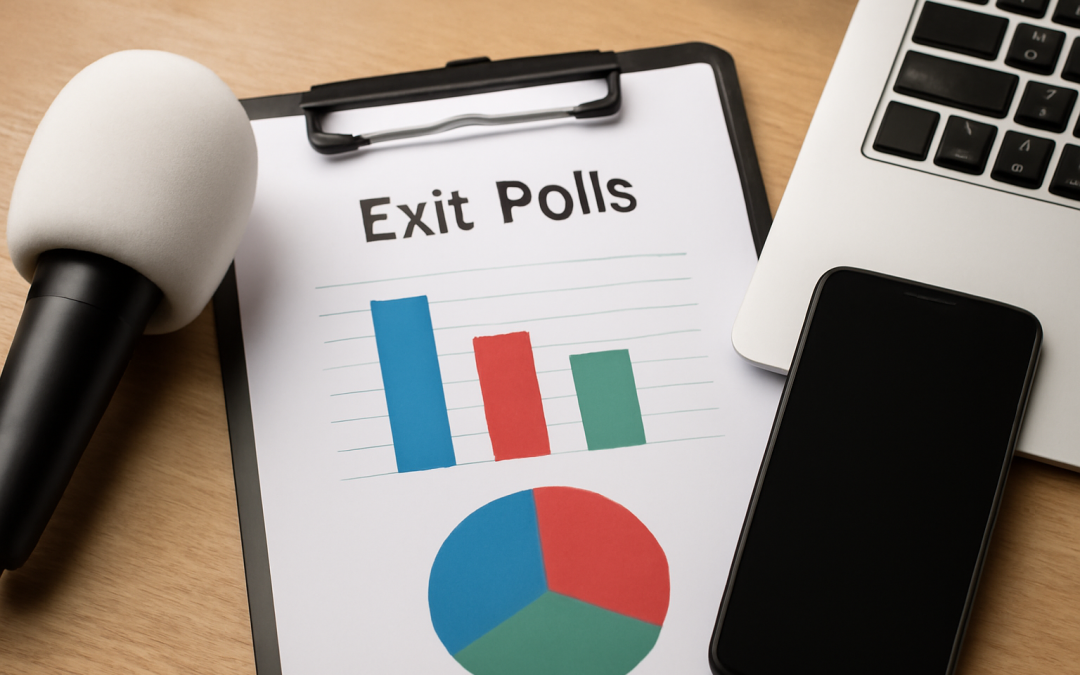
Exit polls have become a critical element in the landscape of modern elections, shaping public understanding and media narratives even before all official votes are counted. These polls, typically conducted as voters leave the polling stations, are designed to provide an early indication of the election outcome. However, the accuracy of exit polls and the degree to which media outlets rely on them has often sparked considerable debate. While exit polls offer an important snapshot of voter behavior and can be an invaluable tool in projecting winners and analyzing electoral trends, their inherent limitations and susceptibility to error demand a cautious approach both from pollsters and journalists alike.
At their core, exit polls are an attempt to capture a representative sample of voters as they complete their ballots. Pollsters approach voters at selected polling locations and ask them whom they voted for, along with additional demographic and issue-related questions. The principle behind exit polls is straightforward: by collecting data from a subset of voters randomly selected across various precincts and demographic groups, pollsters seek to infer the broader electorate’s choices. This information is then used by media organizations to provide near-instantaneous predictions about election outcomes, often long before official tallies are available.
Yet, the methodology of exit polls is fraught with challenges that can impact their reliability. Sampling bias is a central concern, given that pollsters must carefully select polling locations that accurately represent the overall voting population. If the chosen locations disproportionately favor one political party or demographic group, the poll results will skew accordingly. There is also the issue of nonresponse bias: some voters decline to participate in exit polls, and these refusals are seldom random. For instance, supporters of certain candidates or groups might be less willing to disclose their choices, leading to an underrepresentation in the data. Moreover, social desirability bias can distort results when respondents are reluctant to admit voting for controversial or socially sensitive options.
Interviewers themselves can inadvertently influence the accuracy of exit polls. Factors such as the phrasing of questions, the tone of the interviewer, or even the order in which questions are asked can shape responses. Timing is another variable—early voters or those visiting polling stations at off-peak hours might differ in their political preferences from those voting later in the day. Consequently, pollsters must deploy their teams strategically throughout Election Day to avoid temporal biases. Additionally, technological challenges in quickly collecting, transmitting, and aggregating data can introduce errors or delays.
Despite these obstacles, exit polls have historically shown a reasonable degree of accuracy in many elections, aiding media organizations in providing timely projections. They have offered insights into voting patterns along lines of race, gender, income, and ideology, enriching public discourse. Exit polls also serve a crucial democratic function by acting as a check against electoral fraud. Significant discrepancies between official results and exit poll data can raise early alarms, prompting further scrutiny.
However, when exit polls miss the mark, the consequences can be far-reaching. Media outlets often treat exit polls as authoritative sources, influencing public perception and even the behavior of late voters. If early projections are inaccurate or misleading, they can undermine confidence in both the election process and the media itself. One notorious example occurred in the 2004 U.S. presidential election, where initial exit poll results suggested a different winner than the official count, sowing confusion and suspicion. Similar issues have arisen worldwide, where overreliance on flawed exit poll data exacerbated political tensions or fueled misinformation.
The media’s role in interpreting and disseminating exit poll results cannot be understated. News organizations bear the responsibility of contextualizing these figures, emphasizing their preliminary nature and potential for error. Unfortunately, the race to break news quickly can lead some outlets to present exit poll data without sufficient caveats, contributing to misinformation. Sensational headlines and speculative commentary may overshadow nuanced analysis, further complicating public understanding.
Moreover, exit polls are sometimes weaponized by political actors, either to prematurely claim victory or to question legitimate results. In polarized environments, allegations of exit poll manipulation or selective reporting can be used to delegitimize opponents, eroding trust in democratic institutions. Recognizing this, many reputable media organizations now implement stringent protocols around exit poll reporting. These include withholding projections until a sufficient volume of data is collected and cross-referencing with other indicators such as pre-election polls, early vote tallies, and historical voting patterns.
Technological advancements have both helped and complicated exit polling in recent years. The use of electronic data collection and real-time transmission improves the speed and logistic feasibility of large-scale polling efforts. However, the increasing prevalence of mail-in and absentee voting, along with early voting, has reduced the proportion of voters available for traditional exit polls. This shift challenges pollsters to develop alternative methods, such as telephone surveys or online polling, to capture the full scope of the electorate’s preferences. These methods, while useful, often lack the immediacy and reliability of in-person exit polls, further complicating media analysis.
In addition, the global context of elections requires sensitivity to diverse electoral systems, cultural norms, and levels of voter participation. Exit poll methodologies that work well in one country may falter in another due to differing privacy expectations, polling station accessibility, or political climates. International media covering elections abroad must adapt their use of exit polls accordingly and avoid uncritically applying domestic standards or assumptions.
To improve the accuracy of exit polls and their media interpretations, continuous refinement of methodology is imperative. This includes enhancing sample design, improving interviewer training, and integrating multiple data sources for triangulation. Pollsters frequently update weighting algorithms to correct for known biases and use advanced statistical modeling to predict turnout and preferences. Furthermore, transparent disclosure of methodologies, sample sizes, margins of error, and confidence intervals should be standard practice in media reporting to help audiences assess the reliability of exit poll results.
Public education about the strengths and limitations of exit polls is equally important. Citizens often treat these polls as definitive outcomes rather than preliminary analyses, setting unrealistic expectations. Media literacy programs can encourage a more critical approach to interpreting election coverage, fostering a more informed electorate. When voters and observers understand that exit polls are snapshots, not certainties, the likelihood of misinterpretation and related conflicts diminishes.
Ultimately, exit polls are valuable yet imperfect tools within the complex ecosystem of election coverage. Their data offers a window into immediate voter behavior that complements other forms of post-election analysis. By combining exit polls with robust statistical techniques, comprehensive official counts, and prudent journalistic practice, a more accurate and credible depiction of election results can emerge. The interplay of pollsters and media in this process requires ongoing vigilance to maintain public trust and uphold democratic transparency.
In conclusion, the intersection of exit polls and media accuracy highlights the need for careful, critical engagement with early election data. While exit polls can enrich understanding and facilitate swift reporting, their inherent limitations necessitate cautious interpretation. Media outlets must balance the public’s craving for instant information with the ethical obligation to provide accurate, contextualized coverage. Through methodological rigor, transparent reporting, and heightened public awareness, the challenges associated with exit polls can be mitigated. This balance is crucial for sustaining confidence in electoral processes and ensuring that media narratives reflect, rather than distort, the democratic will.
by admin | Oct 20, 2026 | Media
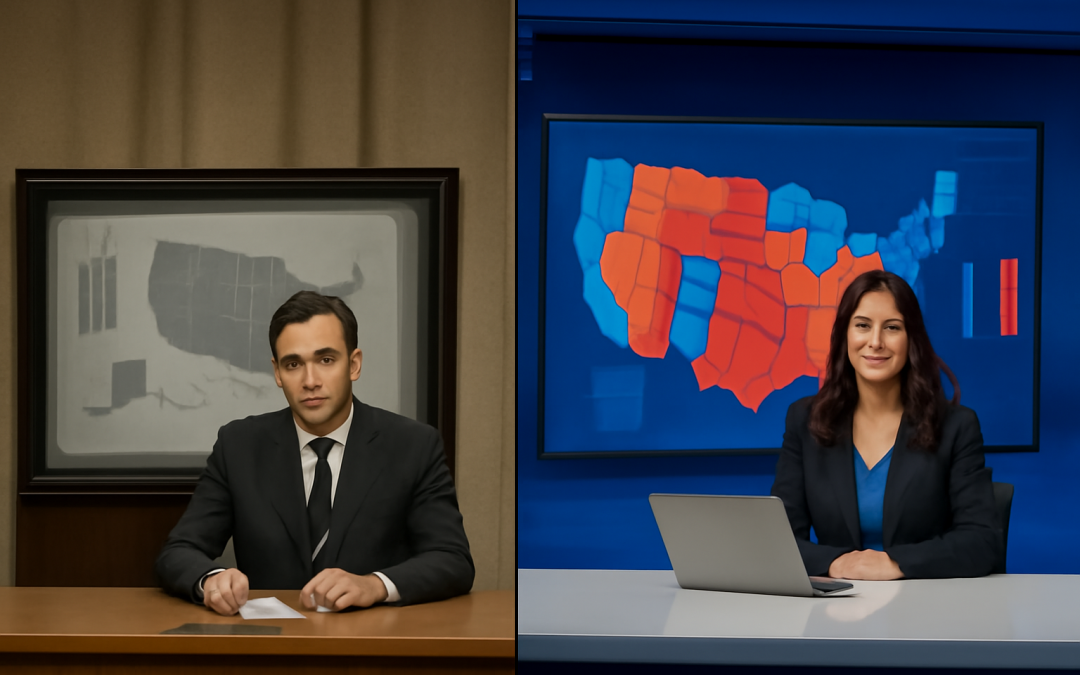
Election night coverage has undergone a remarkable transformation over the decades, evolving from a simple readout of results on the evening news to a sprawling, multifaceted spectacle that engages millions of viewers around the globe. This evolution reflects not only advances in technology but also shifts in public consumption habits and the role of media in democratic societies. The dynamic interaction between the press, broadcasters, and the electorate has redefined how voters experience election nights, making it a critical moment of political engagement and analysis.
In the early days of election coverage, the process was straightforward and relatively low-tech. Newspapers and radio broadcast the results as they trickled in, hours or even days after polls closed. Journalists relied heavily on telephone calls and telegrams to gather information from precincts, and election night was a quiet affair marked by cautious reporting. The emphasis was on accuracy and verification, often at the expense of timeliness. Audiences accepted delays because the only alternatives were limited, and political events were sparser in media coverage compared to today’s relentless news cycle.
The advent of television revolutionized election night coverage in the mid-20th century. With live broadcasts, networks could provide immediate updates and bring viewers into the heart of campaigns through speeches, expert panels, and live returns from polling stations. Iconic moments, such as the coverage of the 1960 U.S. presidential election or the 1948 Chicago Tribune headline error, highlighted the growing importance of accuracy combined with speed. Televised coverage also introduced the concept of election night personalities—anchormen and analysts who became trusted voices to interpret unfolding events. This brought a new dimension of storytelling and analysis that deeply shaped public understanding of electoral politics.
Advances in computer technology during the 1970s and 1980s significantly enhanced how election returns were processed and reported. Networks adopted computer models to project winners based on partial returns, introducing a predictive element that added excitement but also controversy. Systems such as the “VAN” (Vote Analysis Numeric) took vast amounts of precinct data and analyzed voting patterns in real time, allowing for earlier projections than ever before. This raised questions about the balance between speed and accuracy and about the potential impact of early projections on voter behavior in states where polls remained open.
The rise of the internet in the 1990s and 2000s ushered in another dramatic shift. Election night stopped being a television-centric event and started to become a multiplatform affair. News websites offered real-time updating of results, interactive maps, and in-depth data beyond what television broadcasts could provide. This allowed viewers to dig into the minutiae—county-level data, absentee ballots, demographic breakdowns—that television time constraints previously limited. The internet also expanded the audience, engaging younger voters and those outside of traditional political news consumers by making election results instantly accessible anywhere in the world.
Social media further transformed election night coverage by decentralizing information flow and accelerating the pace of news dissemination. Platforms like Twitter and Facebook allowed reporters, politicians, and citizens to share updates, reactions, and commentary instantly. This democratization of information introduced new dynamics: misinformation spread rapidly, but so did grassroots perspectives and real-time eyewitness accounts. Social media obliged traditional news organizations to rethink their roles, often pushing them to be faster and more responsive while navigating concerns over credibility and journalistic standards.
The increasing sophistication of data analytics and visualization tools has also shaped how election night coverage is presented. Interactive graphics, heat maps, and projections based on exit polls help viewers understand complex electoral processes and visualize trends that raw numbers alone might obscure. Networks and digital outlets invest heavily in creating immersive experiences that simplify the data and tell a coherent story. These tools have made election coverage more engaging but also more technical, requiring a careful balance to ensure that profound insights do not get lost in jargon or overcomplicated presentations.
Cable news emerged as a powerful player in election coverage starting in the 1980s, offering continuous, 24-hour political analysis that differed from the fixed evening news slots offered by traditional networks. This constant coverage meant that viewers could tune in at any point in the night to get updates and context. The rise of opinion-driven political commentary during election nights also introduced a more polarized and competitive atmosphere, where networks sought to capture viewer attention by framing election narratives in compelling, sometimes confrontational ways. While this increased engagement, it also sparked debates about the influence of partisan media and the potential erosion of objective reporting.
In recent years, streaming services and mobile applications have further expanded how audiences consume election night content. It is no longer necessary to be in front of a television to experience live results and analysis; people can watch news anchors, follow interactive dashboards, or listen to podcasts on the go. These innovations meet the expectations of a digital-native generation that values convenience and personalized content delivery. Additionally, the integration of artificial intelligence and machine learning in election coverage offers the potential for even faster and more nuanced projections, though responsible journalism must ensure these tools are transparent and carefully managed.
The globalization of media has also impacted election night coverage by making it a topic of interest beyond national borders. International viewers, analysts, and investors often watch U.S. and other major elections live, given their global ramifications. This international attention has led to media outlets adopting a broader perspective in their coverage, incorporating geopolitical context and comparative political analysis. At the same time, cross-border comparisons evoke cautious consideration about sovereignty, media bias, and the proper role of foreign media outlets during sensitive democratic exercises.
Despite the immense technological advances and increasing complexity of election coverage, some constants remain foundational. The essential goal of providing accurate, timely information to the public and fostering an informed electorate continues to guide media practices. The responsibility to balance speed with careful verification remains a delicate challenge, as the consequences of premature or incorrect calls can be profound. The role of journalists and analysts as mediators between raw electoral data and public understanding is more critical than ever.
Public trust in election coverage fluctuates alongside political polarization and media credibility debates. The growth of conspiracy theories and skepticism about election integrity in recent years has underscored the importance of transparency and factual reporting during election nights. Media organizations have responded by emphasizing fact-checking and dedicating resources to combating misinformation in real time. However, the proliferation of diverse sources means viewers must exercise vigilance and media literacy to navigate an increasingly crowded and complex information environment.
Looking forward, election night coverage will continue to evolve in response to emerging technologies, changing viewer habits, and the broader political landscape. Virtual and augmented reality platforms promise to bring audiences even closer to the electoral process, potentially offering immersive experiences from campaign headquarters or polling locations. Blockchain technologies and secure digital voting systems might transform how votes are cast and counted, influencing the speed and nature of election reporting. The interplay between innovation and responsibility will define the next chapters of election night coverage, as the media strives to serve democracy in a rapidly changing world.
Ultimately, the evolution of election night coverage reveals the profound significance of elections as moments of national suspense, celebration, and reflection. Media coverage shapes the narrative around who governs and how power is contested, amplifying the stakes of democratic participation. As technologies expand the possibilities for engagement and understanding, ensuring that this critical juncture remains accessible, accurate, and meaningful is an ongoing challenge that the media and society must address with care and dedication. The story of election night coverage is thus a story about democracy itself—its advances, its trials, and its enduring promise.

by admin | Oct 19, 2026 | Media
In the high-stakes arena of politics and public perception, timing often proves as crucial as content. The phenomenon of strategically releasing critical information or revelations close to an election or significant event, commonly known as “October surprises,” is a time-honored tactic designed to shift voter sentiment, disrupt narratives, or pivot the focus of public discourse. These timed disclosures can sway election outcomes, alter policy debate, or challenge the credibility of opponents, underscoring the profound influence of media timing in shaping the political landscape.
Understanding the mechanics behind October surprises requires an examination of political strategy and media dynamics. As campaigns intensify towards their climax in late fall, each piece of news gains heightened scrutiny and potential impact. The press, operating under the pressure to deliver breaking news, often amplifies these surprises due to their sensational nature and timeliness. Politicians and interest groups exploit this heightened media appetite by releasing damaging or advantageous information at precisely calculated moments, knowing the window for rebuttal or clarification is narrow. This synergy between political calculation and media timing can transform relatively minor issues into major news stories that dominate headlines and voter conversations.
The history of October surprises is rich with examples that illustrate their potency and variety. From Watergate revelations during the 1972 presidential election to more recent leaks and disclosures in various electoral cycles, these surprises are not confined to any single political ideology or region. They reflect a universal understanding among political actors that unveiling significant, often controversial information in the final stretch of a campaign can redefine the narrative and force re-evaluations of candidates’ character or policies. The unpredictability of such revelations adds a layer of volatility to the electoral process, requiring campaigns to remain nimble and ready to respond effectively at a moment’s notice.
Media organizations, too, play an essential role in the lifecycle of October surprises. Their decision to cover these stories, the framing they apply, and the prominence they afford can amplify or moderate the effect of the disclosures. News outlets, especially in an era of 24-hour news cycles and social media interconnectedness, face competing pressures to remain impartial while also attracting audiences. This balancing act means that October surprises often receive extensive coverage, sometimes at the cost of more nuanced or ongoing policy discussions. Consequently, public understanding can be significantly influenced by how and when the media presents these late-breaking developments.
The digital age has further intensified the impact and scope of October surprises. Rapid dissemination through social media platforms means that information can be broadcast to millions within seconds. However, this speed also comes with drawbacks, such as the spread of misinformation, incomplete narratives, or unverified claims. Campaigns and media alike must navigate a complex information ecosystem, where the timing of a revelation can quickly spiral into viral sensation, overshadowing slower, more deliberative aspects of democratic debate. The pressure to respond rapidly can lead to knee-jerk reactions or strategic missteps, magnifying the importance of controlled media timing and careful messaging.
Strategically crafted October surprises do not always emerge organically; often, they result from deliberate behind-the-scenes orchestration. Political operatives, opposition research teams, and advocacy groups may hold back damaging information or seek to release it at the most opportune moment based on intelligence about opponents’ vulnerabilities. This manipulation of information timing serves to heighten emotional and cognitive responses from the electorate when their attention is most focused and their ballots most influential. In this light, media timing becomes a form of political weaponization, turning media outlets into agents of influence—not merely conveyors of news but active participants in the framing and impact of political events.
Conversely, the ethical challenges surrounding these tactics raise significant questions about fairness and the integrity of democratic process. While the release of truthful information is foundational to informed voting decisions, the engineered timing of such information can border on manipulation. When critical details surface so late in a campaign that candidates or voters have little time to contextualize or verify them, the democratic ideal of informed consent is undermined. This tension between strategic disclosure and responsible journalism forces a continuous reevaluation of media protocols and political norms, challenging all players to consider how much timing should influence the availability and reception of information.
The timing of media coverage itself can contribute to a perception of bias or agenda-setting. News organizations often face criticism for their editorial choices related to October surprises—whether they appear to favor certain candidates by delaying or accelerating the coverage of events. The pressure to present balanced coverage can conflict with market incentives and ratings-driven models, creating a complex environment where the timing of release is as much a commercial decision as a journalistic one. Audiences must navigate this complicated terrain, discerning between genuine investigative reporting and the strategic calculus that shapes media timing.
Public reaction to October surprises is frequently emotional and immediate, driven by the novelty and urgency of last-minute disclosures. The psychological impact of surprise information, especially when it challenges previously held beliefs or trust in a candidate, can be profound. Cognitive biases such as recency effect, where people give disproportionate weight to recent information, amplify the influence of these late-breaking revelations. This natural susceptibility places added responsibility on media to present information contextually and on campaigns to prepare for contingencies that could disrupt public perception in the final moments before an election.
Not all October surprises turn out to have the intended or lasting effect. Some fade quickly from public memory as campaigns adjust messaging, opponents mount effective defenses, or other news events supersede them. The ephemeral nature of many surprises underscores the importance of timing in media cycles—not only in delivering information but in sustaining its relevance and integrating it into the broader conversation. For political strategists, this reality means that timing must be paired with substantive content and credible messaging to achieve the desired impact; a surprise that is untimely or unsubstantial risks backfiring by appearing desperate or manipulative.
The interplay of October surprises and media timing also highlights the evolving relationship between traditional news outlets and new media landscapes. While newspapers and television networks once held near-monopoly control over the flow of such information, today’s fragmented attention economy means that multiple alternative channels vie to break stories first. The race to publish can lead to errors or sensationalism, while echo chambers on social media contribute to polarized interpretations of the same surprise. Understanding this dynamic is crucial for voters and analysts alike, as the timing and context of surprise disclosures increasingly influence not just immediate voting behavior but longer-term political engagement and trust in institutions.
In sum, the orchestration and impact of October surprises reveal much about the power of timing in politics and journalism. Whether wielded as a force for transparency or weaponized for partisan gain, the timing of revelations shapes how information is received and acted upon at critical moments. Media timing, in turn, is more than just a matter of scheduling—it is a core element in the construction of political reality. Recognizing this influence prompts deeper consideration of how societies can balance the demands of timely information dissemination with commitments to fairness, accuracy, and the health of democratic processes.
As election cycles continue to grow more complex and media landscapes further diversify, the phenomenon of October surprises underscores the need for critical media literacy among the public. Voters must learn to contextualize late-breaking information within broader narratives rather than react solely to its shock value. Media institutions, for their part, must uphold rigorous standards even under the pressures of rapid news cycles and market demands. Political actors, meanwhile, face ethical considerations about the use of manufactured timing to influence outcomes. In navigating these challenges, the relationship between October surprises and media timing remains a pivotal and evolving factor in the democratic process, demanding vigilance, integrity, and a commitment to truth from all participants.