by admin | Oct 12, 2026 | Media
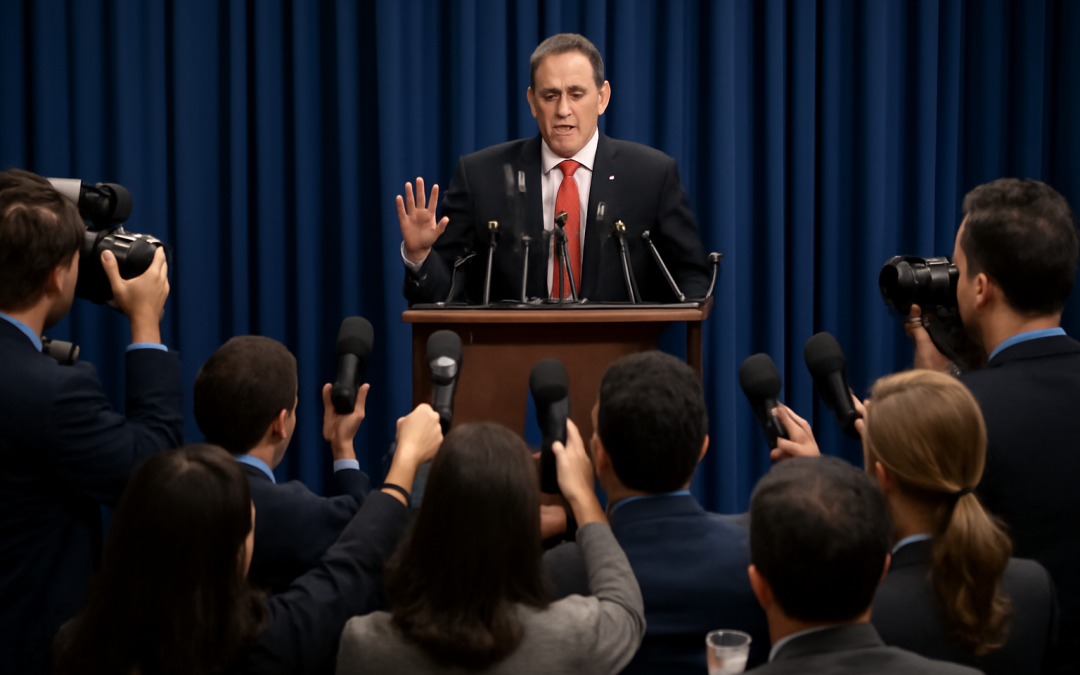
Press conferences serve as a unique nexus where information, persuasion, and performance intersect, creating a staged environment often resembling a theatrical production. Far more than a simple exchange of facts, these events are carefully orchestrated displays designed to influence audience perception through a blend of strategic messaging, carefully curated imagery, and calculated interaction. This theatrical dimension transforms press conferences into a potent form of media theater, where the lines between genuine communication and staged spectacle are increasingly blurred.
At the heart of this phenomenon lies the deliberate crafting of narrative and visual elements. Every aspect, from the backdrop and lighting to the timing and choice of speakers, is meticulously planned to enhance credibility, evoke specific emotions, and steer the conversation in a desired direction. The physical setting itself becomes part of the performance; podiums, logos, flags, or banners work as props that reinforce authority and legitimacy. These elements help frame the discourse not only for journalists present but for audiences who will later consume the event through media channels.
The strategic use of language in press conferences further underscores their theatrical nature. Speakers often employ rhetoric that is as much about presentation as content. Carefully measured pauses, emphatic gestures, and rehearsed answers mirror the techniques used in theater to capture and maintain attention. This calculated delivery helps build trust and credibility, yet it also serves to obscure complex realities behind polished soundbites. In many cases, representatives engage in an exercise of managing impressions rather than providing straightforward information, turning the event into a stage on which appearances can be meticulously controlled.
Media personnel, while ostensibly there to ask questions and extract truthful insights, also play a role in the theatrical dynamic. The selection of which journalists are allowed to participate, the order and framing of questions, and the immediate editing of video clips for broadcast are all part of a broader choreography. This curated interaction can limit dissenting voices or challenging inquiries, transforming the press conference into an arena where conflict is moderated rather than fully explored. The symbiotic relationship between media outlets and the event organizers thus reinforces the performative nature of these encounters.
The role of technology in these events has further amplified the spectacle. With the advent of live streaming and social media, press conferences reach vastly larger audiences in real-time, creating a need to maintain a controlled and compelling presentation at all times. The instant replay and viral potential of certain moments add pressure for participants to perform flawlessly, while also providing opportunities for quick response and narrative correction. This digital amplification makes the theatrical aspects more pronounced, as every gesture, word, and expression is subject to immediate scrutiny and interpretation.
Political press conferences provide an especially vivid example of this media theater. Politicians routinely use these occasions to stage manage their public image, often prioritizing optics over substance. The choreography of entrances and exits, the use of applause lines, and the visually symbolic gestures—such as the waving of flags or positioning alongside certain figures—reveal the intricate planning behind what may outwardly look like spontaneous public communication. Such events are often less about direct dialogue and more about reinforcing political messages, solidarity, or power dynamics.
In corporate settings, press conferences similarly function as performative acts. Companies announcing earnings, product launches, or crisis responses use these platforms not simply to inform but to shape investor and consumer sentiment. The dramatization of success or reassurance amid controversy can be a critical part of managing market perceptions. Executives and spokespeople are trained to project confidence and calm, even when facing difficult questions, turning the event into a carefully engineered stage where their authority and credibility are put on display.
The use of theatrical techniques in press conferences extends to moments of crisis or scandal. Here, the event becomes a crucial site for damage control, where the narrative must be tightly controlled to mitigate fallout. Crisis managers and communication consultants often script responses and rehearse key participants in advance, ensuring that the delivery aligns with broader strategic goals. This rehearsed presentation aims to regain trust and deflect blame, sometimes substituting genuine transparency for a polished façade crafted to preserve reputation.
Audience reception of press conferences is also shaped by this media theater dynamic. News consumers, increasingly savvy about the performative elements, may approach these events with skepticism, knowing that what unfolds is often a manufactured narrative. Yet, the dramatic elements also provide an entertainment value that draws attention and engagement. The blending of news and spectacle can distract from critical analysis, as visually compelling or emotionally charged moments tend to dominate public discourse.
Journalists covering press conferences must navigate this complex landscape, balancing their role as watchdogs with the constraints of the event’s structure. While the format often limits direct confrontation or follow-up, skilled reporters find ways to probe beneath the surface, seeking to disrupt the polished presentation. Yet, the controlled environment can sometimes hamper these efforts, as event organizers set rules that restrict access or shape interaction to maintain control over messaging.
Behind the scenes, the preparation leading up to a press conference mirrors theatrical rehearsals. Participants undergo media training, refine talking points, and anticipate challenging questions. The objective is to perfect performance to minimize surprises and maintain message discipline. These rehearsals contribute to the seamless appearance of spontaneity and confidence during the actual event, reinforcing the blurred boundary between authentic communication and crafted spectacle.
The historical evolution of the press conference reveals a growing awareness of its theatrical potential. Early press briefings, more straightforward and informational in nature, have gradually transformed into events that emphasize style as much as substance. This shift reflects broader changes in media culture, where image management and media savvy have become central to public communication strategies across politics, business, and other domains.
Importantly, the theatrical nature of press conferences carries both risks and rewards. On one hand, the performative elements allow speakers to effectively shape narratives, rally support, and manage crises. On the other, there is a danger that the emphasis on appearance and control can undermine genuine transparency and accountability. When the spectacle outweighs substance, audiences may grow cynical, eroding trust in institutions and media alike.
In an era dominated by visual media and instant communication, understanding press conferences as a form of media theater offers valuable insights into how public discourse is constructed. It highlights the ways in which power is exercised not only through messages but through the manipulation of appearance and interaction. A critical approach to these events encourages audiences to look beyond the polished surface and seek deeper truths that may be hidden behind the carefully curated performance.
As public communication continues to evolve, the media theater of press conferences will likely become even more sophisticated, integrating advanced technologies and new platforms. This evolution poses ongoing challenges for journalists, media consumers, and participants alike in maintaining a balance between effective communication and meaningful transparency. Recognizing the theatrical nature of these events is essential for fostering informed engagement and resisting the potential for manipulation inherent in staged performances.
Ultimately, the enduring significance of press conferences lies in their dual capacity as both genuine information exchanges and performative acts. The tension between these roles reflects broader tensions in contemporary media culture, where the demand for spectacle often competes with the need for truth. Navigating this interplay requires vigilance, critical inquiry, and a recognition of the ways media theater shapes not only what we see and hear but how we understand the world around us.
by admin | Oct 11, 2026 | Media
In today’s rapidly evolving technological landscape, managing digital assets efficiently is more critical than ever. Organizations handling vast volumes of media—ranging from video files and images to documents and audio clips—face the challenge of organizing, storing, and controlling access to these resources. Within this sphere, the use of media pools combined with controlled access mechanisms has emerged as an essential strategy to maintain data integrity, enhance collaboration, and enforce security protocols. Understanding the principles behind media pools and how controlled access operates within these environments is fundamental for businesses aiming to streamline workflows while safeguarding sensitive information.
Media pools represent centralized repositories where various digital assets are stored collectively. Unlike isolated file systems or scattered storage options, media pools consolidate resources into a unified framework, allowing users to access necessary files from a single point. The benefits of this approach are considerable: increased efficiency in asset retrieval, improved version control, and a reduction in redundancy. Media pools are often integrated with content management systems or digital asset management solutions, providing metadata tagging, search capabilities, and automated workflow processes to assist users in navigating extensive collections smoothly.
Controlled access, meanwhile, addresses the security and organizational challenges associated with handling valuable media content. As access control governs who can view, edit, share, or delete specific assets, it plays a pivotal role in preventing unauthorized use or accidental data loss. Implementing proper access control mechanisms ensures that only designated personnel can interact with sensitive content, which is especially crucial for sectors like entertainment, advertising, education, and government agencies where intellectual property and confidential information must be preserved meticulously.
The intersection of media pools and controlled access presents a powerful synergy, allowing organizations to maintain large libraries of content without compromising on security or operational fluidity. When media pools are paired with granular permission controls, administrators can define user roles, assign specific rights, and enforce policies tailored to an organization’s needs. For instance, an editor may have full access to modify video files within a media pool, while a client might be restricted to viewing only finalized versions. This tailored control not only prevents errors but also facilitates compliance with internal guidelines and legal regulations.
Technological advancements in cloud computing have significantly influenced how media pools and controlled access are implemented. Cloud-based media pools offer scalable storage solutions that overcome physical limitations and provide ubiquitous access to media files. The elasticity of cloud infrastructure means media pools can expand dynamically as content volumes increase, all while offering integrated access control features managed via identity and access management platforms. Security protocols such as multi-factor authentication, encryption, and audit logging add additional layers of protection, ensuring both media integrity and user accountability.
Furthermore, the role of metadata in media pools cannot be understated. Metadata acts as the backbone of efficient content organization, providing key descriptors about each asset such as creation date, author, format, and usage rights. By leveraging rich metadata, media pools enable controlled access systems to evaluate permissions contextually. For example, access rights might be adjusted based on project timelines, user clearance levels, or geographic restrictions embedded within metadata attributes. This dynamic approach to permission setting enhances adaptability, allowing companies to respond quickly to evolving business requirements.
Collaboration is another domain profoundly enhanced through the use of media pools with controlled access. When teams work on multimedia projects that require input from multiple stakeholders, media pools function as the shared workspace where assets can be centrally stored and managed. Controlled access ensures team members can contribute without risking unauthorized changes or exposure. Workflow automation often complements this setup, routing files through predefined approval processes that respect access permissions at every stage. This method reduces bottlenecks by keeping track of who made changes, when, and under what conditions.
The choice of technology platform for managing media pools and controlled access is a crucial decision that impacts scalability, user experience, and security. Enterprises must evaluate systems based on their ability to integrate seamlessly with existing infrastructure, support diverse file formats, and provide robust role-based access controls. Additionally, the solution should enable detailed auditing capabilities to meet compliance mandates. Organizations dealing with sensitive media content, such as healthcare records or legal documentation, particularly benefit from advanced logging features that trace every access and modification event, thereby fulfilling regulatory obligations.
Challenges in managing media pools with controlled access often arise in balancing accessibility with security. Overly restrictive access controls may hinder workflows and reduce team productivity, while too lenient policies can expose sensitive content to risk. Striking the right balance requires a strategic approach that includes regular user training, clear policy establishment, and ongoing monitoring of access patterns. Context-aware security models, which adjust permissions dynamically in response to user behavior or environmental factors, represent an emerging trend addressing this delicate tension.
In sectors like media production, advertising, and broadcasting, time sensitivity is a major consideration. Rapid content creation often demands swift collaboration across multiple teams often located remotely. Media pools with controlled access facilitate simultaneous editing, review, and approval by authorized personnel, avoiding delays caused by dispersed file storage or inconsistent versioning. These systems also support remote work environments by enabling secure offsite access, which has become increasingly relevant in today’s globalized workforce.
Legal ramifications are another important factor in the deployment of media pools and controlled access strategies. Organizations handling copyrighted content or personal data must comply with stringent data protection laws such as the GDPR or CCPA. Media pools with integrated access controls help organizations enforce data governance policies that determine who can access personal information or proprietary assets, and under what conditions. Automated retention and disposal schedules can also be programmed into these systems to ensure that data is retained only as long as legally necessary, further supporting regulatory compliance.
Cost efficiency is an additional benefit realized through effective media pool management combined with controlled access. Centralization of assets reduces the likelihood of duplicate storage and unnecessary licensing fees for software or media content. By minimizing unauthorized sharing and distribution, organizations protect revenue streams tied to their proprietary content. Furthermore, streamlined workflows enabled by access controls reduce time spent on searching for assets or correcting errors caused by unauthorized edits, leading to higher overall operational efficiency.
As organizations increasingly rely on artificial intelligence and machine learning for media analysis, the structure of media pools gains new importance. AI models require well-organized, accessible datasets to function effectively. Controlled access ensures that sensitive data used in training or inference processes remains protected from unauthorized exposure. Additionally, AI can proactively assist in managing media pools by automating metadata generation, tagging assets, and even suggesting access control adjustments based on usage patterns, further augmenting human oversight.
The future of media management is likely to be shaped by continued integration of media pools with sophisticated access control models that leverage biometric authentication, blockchain for secure audit trails, and enhanced encryption techniques. These innovations promise to reinforce trust in digital asset ecosystems and empower organizations to maintain control over their media even as the volume and complexity of content continue to escalate. Adaptability will remain crucial as regulations evolve and new threats emerge, requiring continuous refinement of access policies and technological capabilities.
Ultimately, the integration of media pools with controlled access is not merely a technical necessity but a foundational element of modern digital asset governance. It enables organizations to harness the full potential of their media investments by organizing content efficiently, maintaining rigorous security standards, and fostering collaboration without compromising control. Achieving this balance demands thoughtful design, consistent policy enforcement, and the adoption of cutting-edge technologies tuned to specific operational requirements. With these measures in place, businesses can confidently navigate the challenges posed by today’s intricate digital media environment and position themselves for sustained success.

by admin | Oct 10, 2026 | Media
In the modern era of warfare, the presence of journalists embedded within military units has become a defining characteristic of how conflicts are reported and understood by the public. Embedded journalism refers to the practice where reporters are attached to military forces, living and traveling alongside soldiers during combat operations. This method of journalism offers unique insights and firsthand accounts of military engagements, providing unparalleled access to the realities of war. However, it also raises complex ethical questions and challenges regarding objectivity, safety, and the influence of military agendas on media coverage.
The concept of embedded journalism gained widespread attention during the 2003 invasion of Iraq, when the United States military formally invited and facilitated the integration of reporters with frontline units. Prior to this, war reporting often relied on correspondents stationed in safer areas far from direct combat or on official military briefings. Embedding allowed journalists to witness events as they unfolded, capturing vivid details, soldier experiences, and the chaos of battle. This proximity enabled a depth of storytelling that traditional reporting methods found difficult to achieve, creating narratives that were more immersive and immediate for audiences.
Despite the rich access offered by embedded journalism, the practice is not without its complications. Journalists embedded within military units often form close bonds with the soldiers they accompany, sharing the risks and hardships of combat. While this closeness can yield powerful, humanized stories of service members, it can also blur professional boundaries and affect journalistic impartiality. The journalist’s role transitions from detached observer to participant in a shared experience, which may influence what is reported and how it is framed. The tension between maintaining critical independence and fostering trust with military sources is a core challenge in embedded journalism.
Safety is another critical aspect surrounding the embedded journalist experience. Warfare environments are inherently dangerous, and reporters who embed with troops face risks including injury, capture, or death. Military units often provide some measure of protection and logistical support for embedded journalists, but the unpredictability of combat zones remains a constant threat. Moreover, the presence of journalists can at times complicate operational security, as journalists must navigate the sensitive nature of military information while striving to report transparently. Balancing the urgency of news reporting with the imperative to protect classified information and troop movements requires nuanced judgment.
Embedded journalism also transforms the nature of war as perceived on the home front. By offering front-line access, embedded reporters shape public perceptions through the stories they tell, the images they capture, and the tone they set. This influence can be both empowering and problematic. On one hand, the vivid and immediate nature of embedded journalism brings distant conflicts into sharper focus for civilian audiences, fostering greater understanding of military realities and sacrifices. On the other hand, reliance on embedded journalists risks narrowing the lens of coverage to predominantly pro-military perspectives, limiting critical scrutiny of the broader political and humanitarian implications of war.
The military itself has recognized the power of embedded journalism as a tool for public relations and strategic communication. By granting controlled access, armed forces can manage how operations are portrayed, potentially shaping narratives to bolster support or justify interventions. Embedded reporters often operate under strict guidelines regarding what information can be disclosed, subjecting them to military censorship or influence. This dynamic complicates the journalistic principle of independence, as reporters must negotiate constraints that can hinder full transparency. Nonetheless, many embedded journalists endeavor to maintain ethical standards, balancing access with critical inquiry.
The evolution of technology has further impacted embedded journalism by enabling real-time reporting and multimedia storytelling. With portable video cameras, smartphones, and satellite communication, embedded reporters can transmit footage and accounts almost instantaneously to global audiences. This immediacy enhances the emotional impact of war coverage and amplifies the voices of those directly involved in combat. However, it also requires careful vetting and editorial oversight to avoid misinformation, sensationalism, or compromising operational security. The digital age has heightened both the potential and the challenges of embedding reporters in conflict zones.
Historical antecedents provide valuable context for understanding embedded journalism. While the formal concept became prominent in the early 21st century, reporters have long sought proximity to military operations to convey the realities of war. From Civil War correspondents following armies to World War II journalists embedded with infantry units, the desire to capture the frontline perspective is not new. What distinguishes contemporary embedded journalism is the institutionalization of the practice by military commands and the integration of journalists into command structures. This shift reflects broader changes in media, military, and political relations in the context of modern conflicts.
Critics of embedded journalism argue that the practice may compromise the watchdog function of the press. Being reliant on military approval for access can pressure journalists to avoid reporting incidents that cast forces in a negative light, such as misconduct or civilian casualties. Embedded reporters may self-censor to maintain relationships with commanders or to protect their own safety, potentially leading to selective coverage. Some contend that this creates an inherent bias, presenting war through the lens of the military and obscuring alternative viewpoints from civilians, opposition forces, or humanitarian organizations. Consequently, embedded journalism must be complemented by independent, investigative reporting to provide a comprehensive picture.
In contrast, proponents assert that embedded journalism advances the cause of truthful war reporting by granting unparalleled visibility into the soldier’s experience and the reality of combat. They argue that firsthand exposure produces detailed, nuanced accounts that cannot be replicated by distant observers. These reports can humanize conflict, highlight acts of valor, and document the complexities faced by troops, thereby enriching public discourse. Moreover, embedded journalists often bring back stories that challenge official narratives or reveal the unintended consequences of military operations, contributing to informed debate and accountability.
Ethical dilemmas in embedded journalism extend beyond objectivity to concerns about the relationship between journalists and the military. Questions arise about the extent to which reporters should participate in military activities or rely on military resources. For example, should a journalist intervene if witnessing a war crime or act as a medic in emergencies? How far should they conform to military routines, including adhering to operational security or withholding certain details? Navigating these gray areas is a continual ethical negotiation, complicated by the pressures of warzones and the human tendency toward empathy and solidarity with those one lives alongside.
The psychological impact on embedded journalists is another often overlooked dimension. Living under constant threat, witnessing trauma, and forming close bonds with soldiers can lead to stress, burnout, or post-traumatic stress disorder among reporters. These experiences influence how stories are conveyed and remembered, and the trauma may affect journalists long after the conflict ends. Providing mental health resources and support for embedded journalists is crucial for their well-being and for sustaining the quality of war reportage.
The role of embedded journalism continues to evolve amid changing warfare dynamics and media landscapes. Conflicts are increasingly asymmetric, involving insurgencies, urban warfare, and blurred frontlines, complicating the embedding process. Additionally, the proliferation of social media and citizen journalism introduces alternative war narratives and democratizes information dissemination. Traditional embedded reporters must now operate alongside a flood of non-traditional sources, raising questions about credibility, verification, and the role of professional journalists in shaping public understanding of war.
Scholars and media analysts emphasize the importance of media literacy in this context, encouraging audiences to critically assess embedded reports. Understanding the limitations and potential biases inherent in embedded journalism fosters more nuanced consumption of war news. A well-informed public is better equipped to discern the complexities of conflict, the multifaceted human experiences involved, and the political agendas that may underpin military and media strategies.
In conclusion, the practice of embedding journalists with military units represents a significant evolution in war reporting. It offers unprecedented access and immediacy, bringing the realities of combat closer to civilian audiences than ever before. At the same time, it raises critical issues about journalistic independence, ethical boundaries, safety, and the potential for media manipulation. Navigating these challenges requires a delicate balance and a commitment to transparency, critical thinking, and professional integrity. By understanding the strengths and limitations of embedded journalism, societies can better appreciate the multifaceted nature of war and the vital role a free, responsible press plays in documenting its consequences.

by admin | Oct 9, 2026 | Media
Navigating the world of journalism hinges on the ability to access information, events, and exclusive environments necessary to report accurately and efficiently. Central to this process are press credentials and access, which serve as gateways for journalists and media professionals to enter spaces typically restricted to the general public. These credentials are more than just identification; they symbolize trust, provide legitimacy, and grant entry into arenas where news is generated, scrutinized, and disseminated.
The foundation of press credentials lies in their role as official permits issued by event organizers, government agencies, or press bodies that authorize journalists to cover particular events or operate within defined venues. These credentials help differentiate bona fide members of the media from bystanders, fans, or participants. Especially in sensitive or high-security settings such as government briefings, sports arenas, or international summits, properly issued press credentials ensure that reporters can move freely, ask pertinent questions, and document proceedings with minimal interference.
Obtaining press credentials often involves a meticulous application process. Journalists usually need to provide proof of professional affiliation, credentials from recognized media outlets, samples of previous work, and sometimes letters of assignment. Verification processes may also include background checks, particularly when access is requested for secure events or restricted zones. While large news organizations typically have established relationships with event organizers and governments that streamline credentialing, freelance journalists and smaller outlets might face more challenges. These professionals often must work harder to demonstrate their legitimacy and need for access because the demand for limited media spots often outstrips supply.
The scope of press access varies widely depending on the type of event and the securing authority. Political institutions like parliaments or courts usually maintain stringent rules surrounding press passes, sometimes limiting access based on the nature of the story or the journalist’s established reputation. Meanwhile, major events such as sports championships, concerts, and festivals may allocate press areas, mixed zones, and backstage access according to credential types. Some events adopt tiered credential systems, where the level of access correlates with the outlet’s reach and influence or the journalist’s seniority and role.
Press credentials carry inherent responsibilities. Journalists who are granted access must adhere to the rules and laws of the event or location, which can include restrictions on photography, recording, or areas they can enter. Professional ethics come into play as well; press representatives must balance the need for unrestricted reporting with respect for privacy, safety, and decorum. Breaking the terms of the credential agreement can not only lead to loss of access but also jeopardize future opportunities for the individual reporter and their media organization.
The proliferation of digital platforms and social media has added a new dimension to press credentials and access. In many cases, media organizations leverage these tools to amplify coverage, but reporting live or sharing instant updates from events introduces additional considerations regarding credentialing policies. Some event organizers have adapted by including social media influencers, bloggers, and independent content creators in their credentialing systems. This shift reflects a broader recognition that credible news dissemination no longer rests solely on traditional media outlets but extends to a variety of digital content sources.
Challenges also arise with the transparency and fairness of press credential distribution. Critics argue that credentialing processes can sometimes be opaque, biased, or restrictive to independent journalists and smaller media outlets, thereby limiting diverse perspectives and access to information. Accusations of favoritism toward large corporations or government-friendly media raise concerns about press freedom and the open flow of information. Efforts by press advocacy groups promote clearer criteria, appeals mechanisms, and protections against arbitrary denial of credentials to ensure that access rights are balanced against operational security and logistical constraints.
Security concerns increasingly influence press access decisions, especially in politically sensitive or high-profile international events. Organizers must weigh the benefits of open media scrutiny against risks posed by potential threats, including espionage, sabotage, or orchestrated disruptions. As a result, credentialing can become entangled with security protocols, requiring journalists to comply with identity verification, background clearance, and sometimes even equipment inspections before gaining access. Such measures, while aimed at safeguarding all participants, sometimes generate friction with the press, leading to ongoing debates about the correct equilibrium between openness and protection.
In various parts of the world, the nature of press credentials and privileges reflects broader political environments. In democratic societies, journalists typically receive comprehensive access as part of the public’s right to know, although some limitations exist for valid reasons. Conversely, in more authoritarian regimes, press credentials may serve as a tool for state control over media coverage, with accreditation revoked or denied to reporters perceived as critical or unsympathetic. This politicization of press credentials underscores their importance not only as functional passes but as symbols of the freedom, or suppression, of information flow.
Alternative credentialing systems have emerged in response to evolving journalistic landscapes. Some events employ digital or electronic credentials stored on smartphones, which enable flexibility, real-time updates, and reduced paper use. Others introduce dynamic passes that change levels of access during different phases of an event or in response to changing security assessments. These innovations enhance efficiency and security but also necessitate a higher degree of technological infrastructure and literacy on the part of journalists and organizers alike.
An often-overlooked aspect of press credentials and access is the role of professional press associations and unions. These bodies not only advocate for fair access and the rights of journalists but also act as intermediaries that help verify credentials and liaise with event organizers. Their involvement can lend credibility and streamline access procedures, particularly for freelancers or those transitioning between media outlets. Additionally, these organizations provide support in cases of credential denial, harassment, or other press freedom violations, functioning as guardians of the professional and legal standards associated with journalism.
Press credentials also affect the quality and credibility of news coverage. The presence of vetted journalists with proper access allows for authoritative, firsthand reporting that enhances public trust. Conversely, unauthorized or non-credentialed reporters may face restrictions that limit their ability to verify facts or compel official responses, which can affect both the substance and perception of their work. Proper access promotes responsible journalism by enabling professionals to operate within formalized environments under recognized regulatory frameworks.
Legal protections related to press credentials vary widely, touching on constitutional guarantees of free speech and press alongside statutory regulations about access and identification. In some countries, denying a journalist access within the bounds of established press freedom laws may open authorities to legal challenges and public criticism. In others, the absence of clear legislative protections leaves journalists vulnerable to arbitrary exclusion. This legal ambiguity highlights the importance of both domestic legal frameworks and international principles that uphold the rights of the press to access information and report freely.
Training and preparedness are critical factors that influence the effective use of press credentials. Journalists must understand not only how to obtain and use their credentials but also the ethical, legal, and logistical dimensions of the environments they enter. Many news organizations invest in specialized instructions covering security protocols, interaction with authorities, and best practices for reporting under various conditions. Such preparation minimizes risks, helps maintain professional standards, and enhances the safety of journalists operating in unfamiliar or challenging settings.
Beyond individual reporting, press credentials and access carry significant implications for democracy and accountability. Transparency in government, corporations, and other powerful institutions relies heavily on reporters’ presence and ability to question decision-makers directly. When journalists gain access, they fulfill a watchdog role that holds entities responsible and informs citizens. Conversely, restricted or denied access can contribute to opacity, misinformation, or unchecked power, undermining public confidence and democratic governance.
Technological advancements continue to shape the future of press credentials and access. Innovations in biometric identification, blockchain for secure credential verification, and AI-driven monitoring systems promise more robust processes that enhance security and streamline verification. However, these emerging tools also raise questions about privacy, reliance on technology, and potential barriers for some journalists. Balancing technological benefits with inclusivity and the core principles of press freedom will be essential as media ecosystems evolve.
International events such as the Olympics, World Economic Forums, or United Nations assemblies highlight the complexities of credentialing on a global scale. Coordinating credentials among multiple governments, private entities, and media outlets requires negotiation, clear communication, and adherence to diplomatic protocols. Conflicts occasionally arise between competing interests, such as host countries’ security demands and international media’s pursuit of openness. Successful credential management in these contexts reflects the importance of collaboration and respect for journalistic values.
In conclusion, press credentials and access are fundamental components of modern journalism, interwoven with the ethical, legal, technological, and political frameworks that enable media professionals to inform the public. These credentials go beyond mere identification—they represent trust, responsibility, and the principle that a free and open press is essential for a functioning society. As the media landscape continues to evolve, maintaining fair, transparent, and secure credentialing procedures remains crucial to ensuring that journalists can carry out their vital roles with integrity and effectiveness. The ongoing challenges and innovations in this arena underscore its dynamic nature and its profound impact on the transparency and accountability that underpin democratic life.

by admin | Oct 8, 2026 | Media
In an increasingly complex and unpredictable world, professionals such as journalists, aid workers, and corporate employees often find themselves operating in locations fraught with risk. These environments may be characterized by political instability, armed conflict, natural disasters, or widespread civil unrest. Navigating such hazardous conditions demands more than just courage and experience; it requires thorough preparation to manage safety effectively. This is the cornerstone of hostile environment reporting courses, which equip individuals with the knowledge, skills, and strategies essential for working safely in dangerous and volatile situations.
At its core, hostile environment training is designed to reduce risk by enhancing situational awareness and personal security. The course content typically covers a broad spectrum of essential topics, including risk assessment, threat identification, personal security measures, first aid, and crisis management. It teaches participants how to conduct thorough pre-mission planning, including understanding the political, cultural, and security environment of their destination. Such preparation minimizes exposure to danger by anticipating potential hazards and ensuring informed decision-making under pressure.
One of the most valuable aspects of hostile environment reporting courses is the emphasis on situational awareness. Participants learn how to interpret their surroundings keenly, recognizing signs of escalating threats or suspicious activity that might signal imminent danger. This heightened awareness is vital for early detection of risks, allowing individuals to take preventative actions before situations deteriorate. Training covers techniques for maintaining vigilance without succumbing to paranoia, enabling professionals to strike a balance between caution and effective engagement in their work.
Personal security protocols form another crucial component of this type of training. Trainees are instructed on how to move safely within hostile areas, including practical advice on traveling discreetly, avoiding predictable routes or behaviors, and blending into local environments to avoid drawing unwanted attention. The courses often teach the importance of maintaining a low profile while balancing operational objectives, helping individuals to evade hostile actors or dangerous encounters. This includes guidance on appropriate use of equipment such as body armor and communication devices, ensuring that safety tools are both effective and contextually appropriate.
Given the unpredictable nature of hostile environments, first aid training tailored to high-risk settings is an integral part of these courses. Participants receive instruction on how to treat wounds under fire, manage trauma, and conduct evacuation procedures in situations where medical assistance may not be immediately available. First aid modules often encompass bleeding control techniques, airway management, and stabilization of injuries, preparing trainees to handle emergencies independently if necessary. The inclusion of trauma care distinguishes these courses from standard safety workshops, underlining the serious physical hazards that individuals may face in such settings.
Crisis management and emergency response are further essential elements of hostile environment reporting courses. Trainees learn how to develop contingency plans, establish communication protocols, and execute emergency evacuations when situations become untenable. This training encompasses not only immediate response actions but also psychological resilience and stress management techniques, recognizing the mental toll constant exposure to danger can exact. The ability to remain calm and execute pre-established plans under pressure significantly increases the chances of survival in chaotic environments.
An often-overlooked but critical component of these courses is the cultural and ethical training provided to participants. Understanding local customs, laws, and social dynamics is vital to navigate complex conflict zones respectfully and effectively. This knowledge can prevent unintentional offenses that might escalate tensions and jeopardize safety. Ethical considerations also arise regarding how individuals report or document sensitive information from hostile environments. Courses emphasize responsible practices to protect vulnerable populations and avoid exacerbating existing conflicts.
The benefits of hostile environment reporting courses extend far beyond the immediate personal safety of the individual. Organizations that deploy personnel into high-risk areas find that this specialized training greatly enhances operational effectiveness. Trained individuals are better equipped to gather accurate information, make sound judgments under pressure, and maintain communication with their teams and headquarters. This professional readiness helps organizations fulfill their missions in challenging environments while mitigating liability and enhancing reputational integrity.
Furthermore, specialized hostile environment training is often a prerequisite for employment or deployment in dangerous locations. Media organizations, humanitarian agencies, governments, and private contractors recognize the critical role these courses play in protecting their staff and ensuring mission success. Accreditation from recognized training providers adds credibility to individuals’ expertise and often serves as a requirement for insurance coverage or contracting eligibility in the field.
The curricula for hostile environment reporting courses tend to be comprehensive and intensive. They include both theoretical and practical components aimed at preparing individuals for real-world challenges. Simulated scenarios form a key part of this experiential learning, allowing participants to apply their knowledge in controlled but realistic environments. These exercises might include hostage situations, vehicle ambushes, or encountering armed groups, providing invaluable experience in managing stress and implementing safety protocols effectively.
The duration of hostile environment training varies depending on the provider and the depth of the course. Some intensive programs may be completed within a few days, while others offer extended modules that cover advanced tactical skills or region-specific threats. Participants need to assess their personal needs and operational contexts to select the most appropriate training. Continuous refreshers and updates are recommended, as global threats evolve and new security challenges emerge regularly.
Technology also plays an increasing role in hostile environment preparation. Many courses now integrate the use of satellite communication devices, GPS navigation, encrypted messaging, and mobile risk tracking applications as part of their training. These tools enhance safety by providing real-time information and rapid connectivity to support teams or emergency response units. However, courses also emphasize the importance of knowing when and how to use technology discreetly to avoid detection or interception by hostile actors.
Psychological preparedness and mental health support are gradually receiving more emphasis in hostile environment training programs. The extreme stress, trauma, and isolation that reporters and other professionals encounter in dangerous settings can lead to lasting psychological effects, including anxiety, post-traumatic stress disorder (PTSD), and depression. Training aims to foster resilience and provide coping mechanisms, while some providers offer post-deployment counseling or peer support networks to assist with reintegration and recovery.
In addition to frontline journalists and humanitarian workers, these courses are increasingly sought after by a variety of professionals, including corporate security personnel, NGO staff, and government officials. The global rise in complex security environments means that more individuals across sectors may find themselves exposed to risks that require specialized training. By investing in hostile environment reporting courses, these professionals ensure they have the skills necessary to protect themselves and operate effectively, regardless of the nature of their work or geographic focus.
While the primary objective of hostile environment training is to ensure safety, it also plays a vital role in fostering accountability and professionalism. Well-prepared individuals are less likely to make errors that could endanger themselves or others, and more likely to uphold ethical standards when reporting on sensitive topics or interacting with local communities. This professionalism underscores the importance of formal training rather than relying on informal knowledge or experience alone.
Ultimately, hostile environment reporting courses represent an essential investment in the safety, effectiveness, and ethical conduct of professionals working in some of the most challenging conditions on the planet. With the right preparation, individuals can navigate threats confidently, mitigate risks, and fulfill their operational objectives more successfully. In today’s volatile world, such training is not a luxury but a crucial component of responsible and informed fieldwork. This commitment to safety helps preserve lives, protect human dignity, and ensure that critical stories and missions continue to be accomplished despite adversity.
by admin | Oct 7, 2026 | Media
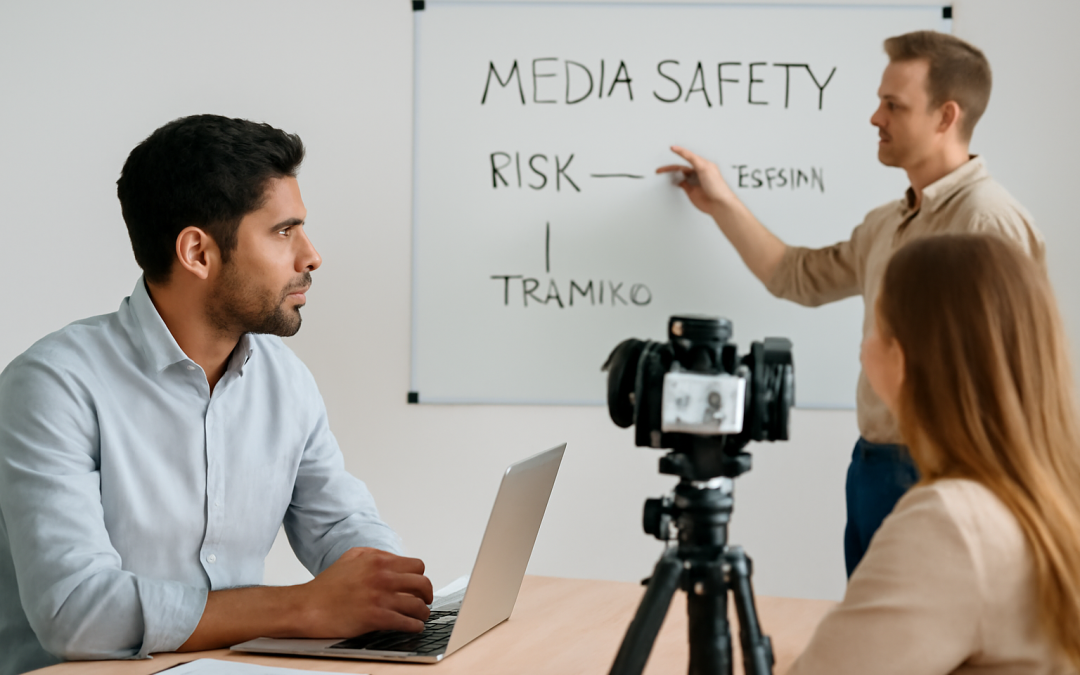
In today’s rapidly changing media landscape, ensuring the safety of journalists has become an increasingly complex and urgent challenge. The rise of digital technologies, the proliferation of social media, and the often volatile political environments in which reporters work contribute to an array of risks that threaten the well-being of media professionals worldwide. These risks range from physical violence and intimidation to digital surveillance and online harassment. As such, media safety and journalist training have emerged as crucial components in safeguarding press freedom and maintaining the integrity of journalism.
Journalists frequently operate in hostile environments, covering stories in conflict zones, exposing corruption, or investigating powerful interests. Their role requires them to gather, verify, and report facts, often under significant pressure and threat. Without adequate preparation and skills, journalists can find themselves vulnerable to attacks that jeopardize both their personal safety and the quality of their reporting. This is why media safety training is not merely a support service but a necessary foundation for journalists operating in today’s unpredictable contexts.
The training methods for media safety have evolved considerably over the years. Initially focused primarily on physical safety—such as risk assessment, use of protective gear, and first aid—modern journalist training programs now address a broad spectrum of threats. These include digital security, psychological resilience, and ethical challenges, reflecting the multifaceted dangers journalists face. For instance, digital threats like hacking, doxxing, and targeted misinformation campaigns require journalists to have a strong understanding of cybersecurity best practices and data encryption. By integrating these skills into their preparedness, reporters can better protect their sources, maintain the confidentiality of sensitive information, and reduce their exposure to online threats.
Another critical aspect of media safety and journalist training revolves around mental health and well-being. Covering traumatic events such as wars, natural disasters, or human rights abuses can cause intense emotional strain, leading to burnout, post-traumatic stress disorder, and other psychological hazards. Recognizing this, progressive training programs incorporate mental health support through stress management techniques, counseling access, and peer support networks. These initiatives empower journalists not only to endure the pressures of their work but also to maintain their capacity for objective, ethical reporting.
Media organizations, press freedom groups, and international bodies have increasingly emphasized the development of standardized training frameworks designed to equip journalists with comprehensive safety skills. These frameworks often emphasize context-specific training, acknowledging that threats vary significantly between regions and types of reporting. For example, the challenges faced by a journalist covering political protests in a repressive regime are different from those covering environmental crises or corporate misconduct. Tailored safety protocols and training modules ensure that journalists are well-prepared for their particular investigative environments, increasing their chances of remaining safe without compromising journalistic rigor.
Beyond individual skills, media safety training also stresses the importance of organizational support. News outlets must implement policies and infrastructure that prioritize the security of their journalists, including providing access to emergency legal aid, insurance, and secure communication tools. Moreover, fostering a culture where safety concerns are openly addressed and taken seriously encourages reporters to speak up about risks without fear of reprisal. In many situations, such organizational backing can mean the difference between surviving a dangerous assignment and succumbing to preventable harm.
The rapidly changing nature of media technologies also necessitates continual updates to journalist training curricula. With the advent of drones, deepfake videos, and increasingly sophisticated surveillance technologies, journalists face evolving threats that require adaptive safeguards. Continuous professional development opportunities enable media professionals to stay ahead of emerging risks and refine their responses. This dynamic approach ensures the training remains relevant and effective in a media environment characterized by rapid innovation and new methods of intimidation.
Furthermore, ethical considerations play a pivotal role in media safety training. Journalists must navigate the delicate balance between the public’s right to know and the imperative to protect their sources, colleagues, and themselves. Training helps journalists develop sound judgment, particularly in high-risk situations where the pursuit of a story might conflict with safety protocols. This ethical grounding reinforces the professional standards of journalism and promotes responsible reporting that takes into account the potential consequences of reckless behavior.
International cooperation has also become a cornerstone in advancing media safety and journalist training. Organizations such as UNESCO, Reporters Without Borders, and the Committee to Protect Journalists collaborate globally to offer resources, conduct training workshops, and advocate for better protections. Such cross-border efforts help share knowledge about best practices and mobilize resources to assist journalists working in especially dangerous conditions. The international dimension underscores the universal value of press freedom and the shared responsibility to protect those who serve the public through journalism.
Another significant development within media safety is the growing role of technology in both posing threats and providing solutions. Artificial intelligence tools, for example, can be used by malicious actors to generate fake news or target individuals with automated harassment. Conversely, these same technologies can be harnessed in training scenarios to simulate dangerous environments or refine threat detection and response strategies. Utilizing cutting-edge technology enables more immersive and realistic training experiences that better prepare journalists for real-world challenges.
In addition to formalized training programs, mentorship and peer-to-peer learning have gained importance within media communities. Experienced journalists often become invaluable guides for newcomers, imparting practical knowledge accumulated through years of fieldwork. This hands-on transfer of expertise complements structured training sessions by providing insights into navigating nuanced contexts that are hard to encapsulate in theoretical models. Peer support networks created through these relationships also serve as informal safety nets that can provide immediate assistance in crisis situations.
The financial constraints faced by many media organizations, especially in smaller markets or developing countries, often limit access to comprehensive safety training. Addressing this gap involves not only providing free or affordable training resources but also advocating for increased funding and policy support from governments and international donors. Investment in media safety is a critical safeguard for press freedom and democracy itself, as protecting journalists prevents censorship and allows a diverse range of voices to be heard without fear.
At the grassroots level, empowering citizen journalists and freelancers with safety training is equally vital. These groups frequently operate without the institutional support that staff journalists might enjoy but play an increasingly significant role in delivering news, especially from areas where traditional media presence is minimal. Tailored training programs for freelancers and citizen reporters help mitigate their vulnerabilities and enhance the overall quality and safety of journalism worldwide.
Moreover, the evolving geopolitical landscape further complicates media safety. The rise of authoritarianism, restrictions on press freedom, and the weaponization of information have intensified threats against journalists in many regions. Training programs now incorporate components that help reporters understand and navigate legal dangers, censorship, and political manipulation. This legal literacy equips journalists to better advocate for their rights and maneuver within challenging political climates without jeopardizing their safety.
Ultimately, media safety and journalist training are about more than protecting individuals; they are about upholding the very principles that sustain democratic societies. Without a free and secure press, citizens are deprived of vital information necessary to make informed decisions. By investing systematically in the safety and preparedness of journalists, societies reinforce the transparency and accountability that journalism fosters.
Continued commitment to developing robust media safety programs and comprehensive journalist training will be indispensable as threats grow more complex and media environments more fragmented. This dedication signals respect for the critical role that journalists play and acknowledges the sacrifices they make to bring truth to light. Sustaining this momentum requires collaborative efforts from media organizations, civil society, technology developers, policymakers, and the global community to create an environment where journalists can work confidently and safely, protected by both skill and solidarity.
In conclusion, the multifaceted nature of threats facing journalists today demands an equally multifaceted approach to media safety and journalist training. By combining physical security measures, digital literacy, mental health support, ethical guidance, and organizational backing, these programs build resilience in the media workforce. Empowered journalists can pursue their essential work with greater confidence and protection, ensuring that the vital function of free and independent journalism continues to thrive in the face of adversity. The future of journalism, and by extension democracy itself, hinges on the sustained prioritization of safety and training in the profession.