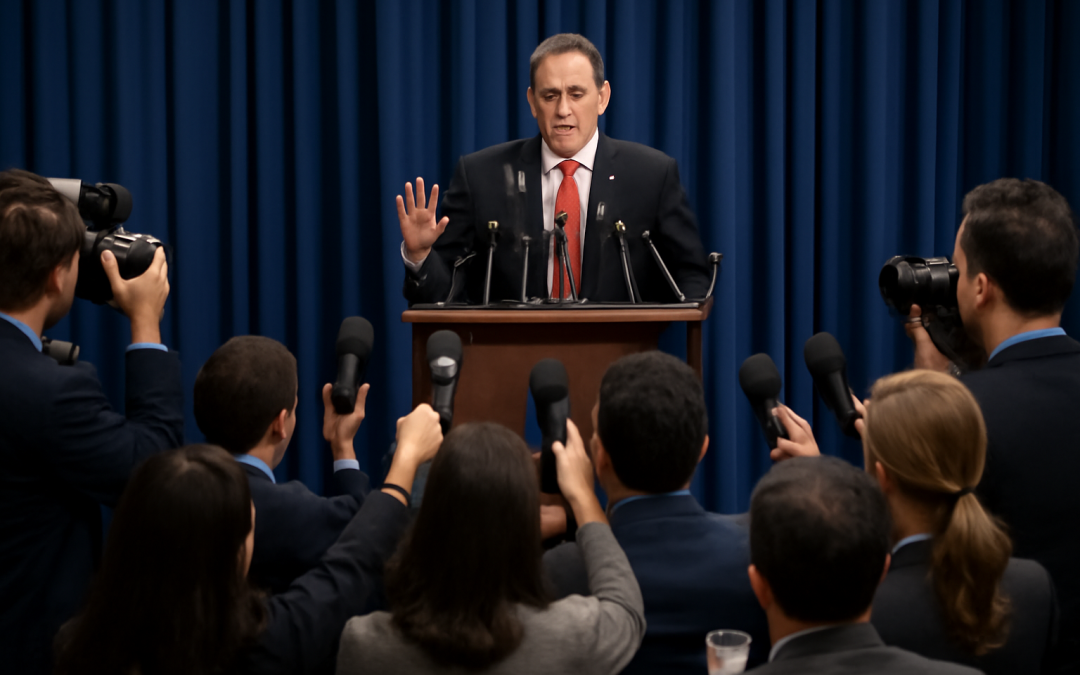
Press conferences serve as a unique nexus where information, persuasion, and performance intersect, creating a staged environment often resembling a theatrical production. Far more than a simple exchange of facts, these events are carefully orchestrated displays designed to influence audience perception through a blend of strategic messaging, carefully curated imagery, and calculated interaction. This theatrical dimension transforms press conferences into a potent form of media theater, where the lines between genuine communication and staged spectacle are increasingly blurred.
At the heart of this phenomenon lies the deliberate crafting of narrative and visual elements. Every aspect, from the backdrop and lighting to the timing and choice of speakers, is meticulously planned to enhance credibility, evoke specific emotions, and steer the conversation in a desired direction. The physical setting itself becomes part of the performance; podiums, logos, flags, or banners work as props that reinforce authority and legitimacy. These elements help frame the discourse not only for journalists present but for audiences who will later consume the event through media channels.
The strategic use of language in press conferences further underscores their theatrical nature. Speakers often employ rhetoric that is as much about presentation as content. Carefully measured pauses, emphatic gestures, and rehearsed answers mirror the techniques used in theater to capture and maintain attention. This calculated delivery helps build trust and credibility, yet it also serves to obscure complex realities behind polished soundbites. In many cases, representatives engage in an exercise of managing impressions rather than providing straightforward information, turning the event into a stage on which appearances can be meticulously controlled.
Media personnel, while ostensibly there to ask questions and extract truthful insights, also play a role in the theatrical dynamic. The selection of which journalists are allowed to participate, the order and framing of questions, and the immediate editing of video clips for broadcast are all part of a broader choreography. This curated interaction can limit dissenting voices or challenging inquiries, transforming the press conference into an arena where conflict is moderated rather than fully explored. The symbiotic relationship between media outlets and the event organizers thus reinforces the performative nature of these encounters.
The role of technology in these events has further amplified the spectacle. With the advent of live streaming and social media, press conferences reach vastly larger audiences in real-time, creating a need to maintain a controlled and compelling presentation at all times. The instant replay and viral potential of certain moments add pressure for participants to perform flawlessly, while also providing opportunities for quick response and narrative correction. This digital amplification makes the theatrical aspects more pronounced, as every gesture, word, and expression is subject to immediate scrutiny and interpretation.
Political press conferences provide an especially vivid example of this media theater. Politicians routinely use these occasions to stage manage their public image, often prioritizing optics over substance. The choreography of entrances and exits, the use of applause lines, and the visually symbolic gestures—such as the waving of flags or positioning alongside certain figures—reveal the intricate planning behind what may outwardly look like spontaneous public communication. Such events are often less about direct dialogue and more about reinforcing political messages, solidarity, or power dynamics.
In corporate settings, press conferences similarly function as performative acts. Companies announcing earnings, product launches, or crisis responses use these platforms not simply to inform but to shape investor and consumer sentiment. The dramatization of success or reassurance amid controversy can be a critical part of managing market perceptions. Executives and spokespeople are trained to project confidence and calm, even when facing difficult questions, turning the event into a carefully engineered stage where their authority and credibility are put on display.
The use of theatrical techniques in press conferences extends to moments of crisis or scandal. Here, the event becomes a crucial site for damage control, where the narrative must be tightly controlled to mitigate fallout. Crisis managers and communication consultants often script responses and rehearse key participants in advance, ensuring that the delivery aligns with broader strategic goals. This rehearsed presentation aims to regain trust and deflect blame, sometimes substituting genuine transparency for a polished façade crafted to preserve reputation.
Audience reception of press conferences is also shaped by this media theater dynamic. News consumers, increasingly savvy about the performative elements, may approach these events with skepticism, knowing that what unfolds is often a manufactured narrative. Yet, the dramatic elements also provide an entertainment value that draws attention and engagement. The blending of news and spectacle can distract from critical analysis, as visually compelling or emotionally charged moments tend to dominate public discourse.
Journalists covering press conferences must navigate this complex landscape, balancing their role as watchdogs with the constraints of the event’s structure. While the format often limits direct confrontation or follow-up, skilled reporters find ways to probe beneath the surface, seeking to disrupt the polished presentation. Yet, the controlled environment can sometimes hamper these efforts, as event organizers set rules that restrict access or shape interaction to maintain control over messaging.
Behind the scenes, the preparation leading up to a press conference mirrors theatrical rehearsals. Participants undergo media training, refine talking points, and anticipate challenging questions. The objective is to perfect performance to minimize surprises and maintain message discipline. These rehearsals contribute to the seamless appearance of spontaneity and confidence during the actual event, reinforcing the blurred boundary between authentic communication and crafted spectacle.
The historical evolution of the press conference reveals a growing awareness of its theatrical potential. Early press briefings, more straightforward and informational in nature, have gradually transformed into events that emphasize style as much as substance. This shift reflects broader changes in media culture, where image management and media savvy have become central to public communication strategies across politics, business, and other domains.
Importantly, the theatrical nature of press conferences carries both risks and rewards. On one hand, the performative elements allow speakers to effectively shape narratives, rally support, and manage crises. On the other, there is a danger that the emphasis on appearance and control can undermine genuine transparency and accountability. When the spectacle outweighs substance, audiences may grow cynical, eroding trust in institutions and media alike.
In an era dominated by visual media and instant communication, understanding press conferences as a form of media theater offers valuable insights into how public discourse is constructed. It highlights the ways in which power is exercised not only through messages but through the manipulation of appearance and interaction. A critical approach to these events encourages audiences to look beyond the polished surface and seek deeper truths that may be hidden behind the carefully curated performance.
As public communication continues to evolve, the media theater of press conferences will likely become even more sophisticated, integrating advanced technologies and new platforms. This evolution poses ongoing challenges for journalists, media consumers, and participants alike in maintaining a balance between effective communication and meaningful transparency. Recognizing the theatrical nature of these events is essential for fostering informed engagement and resisting the potential for manipulation inherent in staged performances.
Ultimately, the enduring significance of press conferences lies in their dual capacity as both genuine information exchanges and performative acts. The tension between these roles reflects broader tensions in contemporary media culture, where the demand for spectacle often competes with the need for truth. Navigating this interplay requires vigilance, critical inquiry, and a recognition of the ways media theater shapes not only what we see and hear but how we understand the world around us.