by admin | Oct 16, 2026 | Travel & Destinations
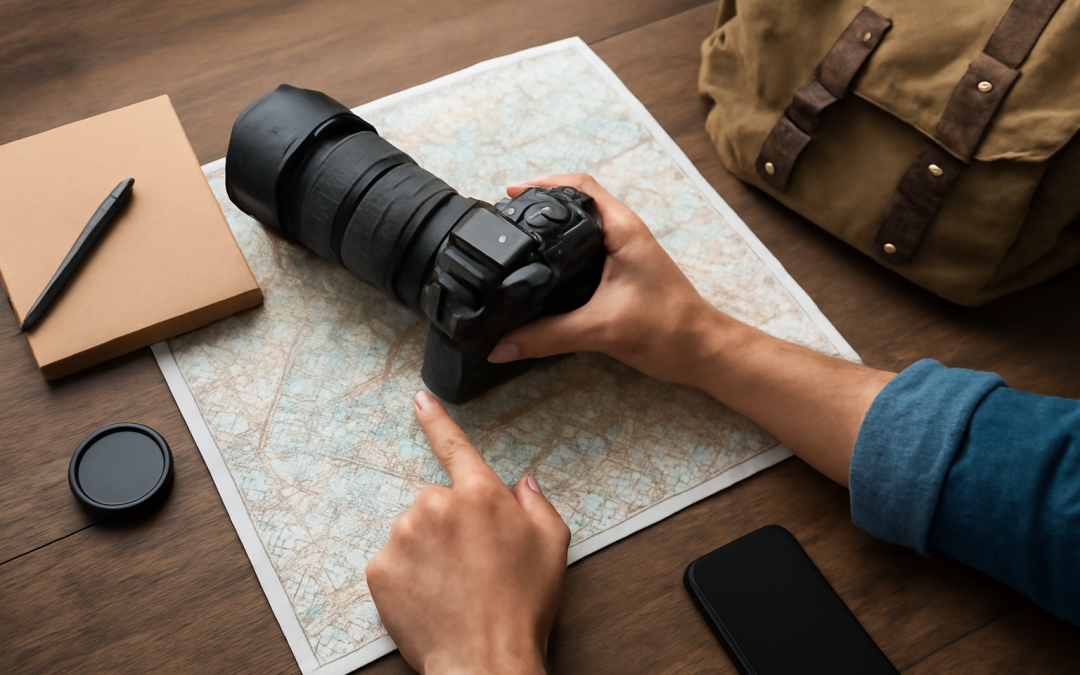
Traveling offers countless opportunities to capture unique and captivating moments, but ensuring that your journey is photography-friendly requires careful preparation and thoughtful planning. Every aspect of the trip—from the destination choice and itinerary to gear, timing, and even mindset—plays a critical role in turning your travel experience into a visual masterpiece. Approaching a trip with the intention of photographing the world around you allows you to savor each scene more deeply and return home with more than just memories, but compelling images that tell a story.
Choosing the right destination is often the first step in any photography-focused adventure. Locations that offer a diversity of landscapes, cultural richness, and distinctive local life provide ideal settings for photographers. Consider factors such as the architectural styles, natural features, wildlife, and local traditions when selecting where to go. Researching the best photography spots through travel blogs, social media, and photography forums can help in zeroing in on locations that will deliver the kind of images you aspire to create. Balancing popular attractions with off-the-beaten-path sites may add variety and uniqueness to your portfolio.
Timing your trip wisely can dramatically influence the quality of photographs. Seasons, weather patterns, and time of day are critical considerations for capturing light in the most flattering way. Early mornings and late afternoons, often referred to as the golden hours, offer soft, warm natural light that enhances textures and colors. If landscape or nature photography is your focus, understanding the seasonal behavior of flora and fauna, or the optimal weather conditions, can make a meaningful difference. Additionally, consider local festivals or events that provide opportunities to photograph vibrant cultural scenes, but be sure to verify dates and avoid overly crowded periods if you wish to avoid congestion.
In order to take full advantage of your photography trip, planning an itinerary that dedicates ample time to shooting rather than mere sightseeing is essential. Allow for flexible schedules and build in downtime to revisit places during different lighting conditions. Spontaneity often leads to the most memorable images, but having a clear plan for the day helps ensure you don’t miss key moments. It’s helpful to map out your destinations with an awareness of how the sun moves throughout the day to maximize natural light usage. Remember, rushing through sites for the sake of covering more ground can reduce the opportunity for creative composition and detailed exploration.
Carrying the right equipment tailored to your style of photography is fundamental. While it may be tempting to bring every lens and accessory you own, traveling light often yields the best results. Selecting versatile lenses such as a standard zoom and a prime lens allows for flexibility without the burden of excess weight. Consider the type of shooting you’ll be doing: a wide-angle lens suits landscapes and architecture, while a telephoto lens benefits wildlife or street photography from a distance. Don’t forget essential gear like extra batteries, memory cards, a sturdy tripod, and weather protection for your camera. A lightweight, comfortable camera bag also facilitates longer excursions without undue fatigue.
Beyond technical gear, familiarizing yourself with your camera’s settings and features before the trip will make you more efficient in the field. Practice shooting in different modes and conditions to build confidence, so you can quickly adapt without missing fleeting moments. Understanding how to manually adjust aperture, shutter speed, and ISO enables more creative control and better results, especially in challenging light. Equally important is learning how to efficiently review your shots on location, which can save time and help catch errors early. Deliberately educating yourself in post-processing techniques will also pay dividends, as subtle edits can elevate your images significantly.
Staying mindful and respectful of the environment and local culture enhances not only your photographic experience but also your reputation as a traveler. Before approaching people to take portraits or to photograph cultural events, it is courteous to seek permission. Respect privacy and be sensitive to customs or prohibitions about photography, which differ widely around the world. Engaging with locals can enrich your understanding of the place and open doors to unique photo opportunities that would otherwise remain hidden. Showing appreciation for your subjects and surroundings often translates into more authentic and compelling images.
Investing time in scouting locations both before and during your trip can open up creative possibilities. Utilizing mapping apps, location scouting tools, and virtual tours helps to identify must-see spots and potential compositions in advance. Once onsite, explore different angles, vantage points, and perspectives rather than settling for the obvious shot. Photographers who take the time to wander and experiment often discover unexpected gems—whether a hidden alleyway in a bustling city or a perfect frame of light filtering through trees. Patience and a curious eye remain among the most powerful tools in a travel photographer’s arsenal.
Developing a mindset that embraces the unpredictable nature of travel photography is equally important. Weather conditions may change abruptly, crowds can be overwhelming, or transportation delays may alter plans. Rather than viewing these as setbacks, adopting a flexible attitude helps turn challenges into opportunities. Overcast skies, for example, may soften harsh shadows for portraiture, while rain can add mood and reflections to street scenes. Being ready to pivot and make the most of unexpected situations often leads to images with greater emotional impact and originality.
The post-trip phase is when intentions and efforts truly come together. Organizing and backing up images promptly prevents loss and preserves your work for future use. Reviewing each shoot with a critical eye allows for careful selection of your best photographs. Take the time to edit your images thoughtfully, enhancing their composition, exposure, and color while maintaining authenticity. Sharing your visual stories through blogs, social media, or photo exhibitions not only celebrates your journey but connects you with a community of fellow enthusiasts, adding meaning to your creative process.
Travel photography is not merely about capturing pictures; it is a deliberate process that begins well before departure and continues long after the final shot. From choosing the right destination to embracing spontaneity, from gearing up appropriately to nurturing your creative instincts, every step is an opportunity to refine your craft. Whether you are a seasoned professional or an enthusiastic amateur, approaching your travels with a photography-friendly mindset amplifies the joy of exploration and enriches the stories you bring home.
In summary, preparation remains the cornerstone of successfully blending travel with photography. Deep research, intentional scheduling, appropriate gear, cultural sensitivity, and an adaptable attitude work in concert to enhance both your experience and your outcome. By dedicating time and energy to planning a photography-friendly trip, you create conditions that inspire creativity while enabling you to capture breathtaking scenes that resonate long after the journey ends. The rewards go beyond beautiful images; they deepen your connection to the places you visit and the moments you treasure.

by admin | Oct 16, 2026 | Travel & Destinations
Capturing the essence of a destination through your camera lens transforms a simple vacation into a lasting visual memory. Planning a trip that emphasizes photography requires more than just picking picturesque locations — it involves thoughtful preparation, timing, and an understanding of how to make the most of each moment behind the camera. With careful planning, a photography-friendly trip can yield stunning images that tell stories and showcase the beauty, culture, and uniqueness of every place visited.
One of the fundamental decisions is selecting a destination that naturally lends itself to compelling photography. While some travelers prioritize well-known landmarks, others might seek hidden gems off the beaten path. Considering factors like diverse landscapes, vibrant local life, and historical sites can help shape your itinerary around photographic opportunities. Researching potential locations through travel blogs, photography forums, and social media platforms can offer insights into what settings are most photogenic and what times of year offer the best conditions for shooting. Weather plays a crucial role in how a scene will photograph, so checking seasonal patterns and current forecasts allows you to anticipate and adapt to varying light and atmosphere.
Timing your daily activities around light conditions is one of the most effective ways to enhance the quality of your photographs. The golden hours — shortly after sunrise and just before sunset — provide soft, warm light that flatters landscapes and portraits alike. Planning to be at key photo spots during these hours can dramatically improve the mood and tone of your images. Conversely, understanding when harsh midday light occurs can help you avoid shooting in unflattering conditions or instead use creative techniques to mitigate its effects. In some cases, nighttime photography can reveal a city’s dynamic energy or a sky full of stars, but it requires additional preparation such as carrying a tripod and knowing the appropriate camera settings for long exposures.
Equipment choice is another critical element in organizing a trip focused on photography. While bulky gear may produce excellent results, traveling with lightweight and versatile equipment often enhances mobility and spontaneity. A reliable camera body paired with a few key lenses — such as a wide-angle for landscapes and a prime lens for portraits — usually suffices for a variety of situations. Think about the types of shots you want and balance that with the weight and ease of carrying your gear all day. Accessories like extra batteries, memory cards, filters, and a sturdy yet comfortable camera bag should also be accounted for to avoid interruption during your photo sessions.
Beyond the technical gear, mastering the art of traveling with your camera involves practical considerations. Planning for protection against weather elements, such as rain covers or lens hoods, ensures your equipment remains safe and functional. Additionally, being aware of local customs and regulations related to photography can prevent unwanted conflicts and allow for a more respectful and immersive experience. Some places may have restrictions on photography, especially inside religious or private properties, so researching these rules beforehand allows for smoother interactions and prevents missed opportunities.
When crafting an itinerary, allocate ample time for exploration and experimentation. Unlike rushed sightseeing tours, a photography-friendly trip benefits from a slower pace. Spending extra time at one location lets you explore different angles, lighting conditions, and compositions, resulting in a richer portfolio. It is also helpful to scout locations upon arrival to identify the best vantage points or hidden details that might not be obvious from guidebooks or online images. Conducting reconnaissance encourages creativity and prevents reliance on clichéd shots, enabling your photography to stand out with originality.
Another important factor in planning is accounting for the human element. Photography often thrives on capturing candid moments involving local people, market scenes, festivals, or everyday activities. Engaging with locals respectfully can open doors to authentic experiences and provide meaningful subject matter for portraits and street photography. Learning a few phrases in the local language and understanding cultural nuances can enhance rapport and encourage subjects to feel comfortable in front of the camera. These interactions create emotional depth in your images and often define the character of your photographic travelogue.
In addition to spontaneous city scenes and natural vistas, consider integrating planned workshops or guided tours tailored for photographers. Many travel destinations offer specialized tours led by experienced photographers who know the optimal locations and timing for capturing remarkable shots. These collaborative experiences not only provide technical guidance but also foster inspiration and networking opportunities with fellow photography enthusiasts. They can serve as valuable chances to refine skills, learn new techniques, and gain insights into editing and post-processing workflows that enhance the final presentation of your images.
Technology also plays a valuable role in modern photography travel experiences. Utilizing apps for navigation, weather tracking, and golden hour calculators can streamline your planning process and keep you informed in real-time. Digital maps with geotagging features help organize your shooting locations, while photo sharing platforms allow you to visualize your work and gather feedback. Keeping a backup of your images in the cloud or on physical drives prevents loss of precious data and ensures your efforts are preserved even if your camera or memory cards fail. Embracing these digital tools amplifies both your creative output and overall confidence during the trip.
Preparing yourself physically and mentally can affect your ability to maximize photographic opportunities. Photography, particularly in outdoor or adventurous settings, often demands long hours of walking, waiting, and unfazed focus. Ensuring you maintain good health, bring proper clothing, and stay hydrated enables you to endure the physical challenges of your itinerary. Developing patience is equally critical, as capturing the perfect moment sometimes requires waiting for changing conditions or unexpected occurrences. Practicing mindfulness while photographing encourages presence in the environment, allowing you to notice subtle details and fleeting interactions that lead to compelling images.
Post-trip considerations are as important as the on-location shooting itself. Building a thoughtful workflow for organizing, editing, and sharing your photographs can transform raw captures into impactful stories. Keeping detailed notes about each image’s context, camera settings, and emotional resonance will help during the editing phase. Editing software enables adjustments that enhance composition, color balance, and sharpness, but should always aim to preserve natural authenticity and the original atmosphere. Sharing your work through blogs, galleries, or social media platforms increases engagement and can inspire others to appreciate not only the destinations but also the art of travel photography.
Finally, flexibility remains a key ingredient in planning any trip centered around photography. Despite all research and preparation, unpredictable events like weather changes or spontaneous cultural festivities can disrupt your schedule or present unexpected chances for unique shots. Being open to altering your plans, exploring new routes, or revisiting locations after dark can enrich your experience and diversify your portfolio. Embracing the serendipitous and the unplanned often leads to the most memorable photographs — images that encapsulate the spirit of discovery and personal connection to the places you visit.
By integrating all these considerations—destination research, timing, equipment, human interaction, technological support, physical readiness, and adaptability—you set the stage for a richly rewarding travel experience. Each step of the journey becomes an opportunity to learn, create, and celebrate the world through your lens. This thoughtful approach to photography-focused travel ensures not only beautiful images but also deeper immersion into the culture and environment, making every trip both visually and personally meaningful.

by admin | Oct 15, 2026 | Travel & Destinations
Every shopping trip has the potential to be both rewarding and budget-friendly, but without careful planning, it’s all too easy to return home with bags full of unnecessary items and a regrettable bank statement. Learning how to plan a shopping trip without overspending is a skill that can transform shopping from an impulsive pastime into a mindful and controlled experience. This approach not only protects financial health but also fosters intentionality in consumer habits, ensuring that purchases align with needs and long-term goals.
The first essential step to successful shopping is having a clear understanding of your budget. Before even stepping outside the door or opening an app, deciding how much money is realistically available helps set limitations that prevent splurging. A designated shopping budget acts as a boundary, providing a framework within which spending decisions can be made with confidence. This involves reviewing current finances, considering upcoming expenses, and deciding on a comfortable amount to allocate to shopping without jeopardizing other financial priorities.
Creating a detailed shopping list is fundamental to maintaining focus during a trip. Writing down what is genuinely needed helps curb impulsive buying, which is a common pitfall for many shoppers. By narrowing the scope to essential items, distractions are minimized and the risk of accumulating unnecessary goods is reduced. Revising the list prior to departure ensures it reflects current needs, avoids duplicates, and excludes wants that might derail the budget. The discipline of sticking to a carefully prepared list prevents wandering into aisles unrelated to the intended purchases.
Researching prices and available deals ahead of time provides a significant advantage in managing expenditures. Comparing costs across various stores or online platforms allows shoppers to identify the best value for products on their list. Knowing where sale items are available or when special discounts apply can make a substantial difference in total spending. Take advantage of digital resources such as coupons, price tracking tools, and store loyalty programs, which can add up to considerable savings and reward consistent purchasing patterns.
Another savvy technique to avoid overspending involves timing the shopping trip strategically. Certain days or seasons often feature promotions, clearance events, or less crowded stores, all of which can enhance the shopping experience and reduce costs. Avoiding peak shopping hours also decreases temptations caused by overexposure to advertising and product promotions, which can easily inflate purchases beyond necessity. Being deliberate about when to buy helps keep the focus sharp, saves time, and preserves mental energy for thoughtful selection rather than impulsive acquisition.
Limiting payment methods to cash or prepaid cards is a practical tactic to control spending. Using cash creates a tangible sense of money leaving one’s possession, making it easier to monitor and restrict purchases. Credit and debit cards, while convenient, sometimes create a disconnect between spending and financial impact, leading people to spend more than planned. By physically seeing money disappear, shoppers are more likely to stay within their budget, as the depletion is immediate and evident.
When shopping, being mindful of marketing tactics and product placement is crucial. Retail environments are deliberately designed to encourage additional spending through enticing displays, strategically placed items near the checkout, and persuasive advertising. Recognizing these tactics empowers shoppers to remain focused on their list and resist the psychological nudges that encourage unplanned buying. Developing a habit of questioning whether each item is necessary cultivates critical thinking and helps maintain budget discipline.
Prioritizing quality over quantity directly contributes to long-term savings. While it may be tempting to opt for cheaper options, investing in higher-quality products often reduces the need for frequent replacements, ultimately lowering overall expenditure. This mindset shifts the focus from immediate gratification to sustainable value, encouraging thoughtful consideration about each purchase’s durability and usefulness. Making choices based on long-term benefits rather than short-term cost alone protects both wallet and environment.
Another important aspect is to shop alone or with a trusted companion who understands and supports your budget goals. Shopping with others can sometimes lead to peer pressure or distractions that encourage overspending through suggestions or social influences. Going solo or with someone who respects your financial limits increases the chances of sticking to the plan, making the journey smoother and more productive. Additionally, shopping without children or dependents can reduce unplanned purchases driven by their requests, keeping the trip more focused.
Keeping track of spending during the trip also plays a pivotal role in avoiding overspending. Periodically checking the running total of purchases helps maintain awareness of the budget and prevents overshooting. Whether using an app, calculator, or mental arithmetic, actively monitoring expenses ensures that decisions remain informed throughout the shopping process. This proactive approach allows adjustments on the fly, such as removing less important items if costs are edging too high.
After the trip, reviewing the receipt with a critical eye is an educational practice that improves future shopping habits. Evaluating what was bought, priced, and whether each purchase was necessary provides insights into patterns of overspending or areas where better choices were made. This reflection encourages accountability and offers opportunities for refinement in subsequent shopping excursions. Identifying mistakes, such as succumbing to impulse buys or neglecting sales, creates a learning loop that fosters increasing financial discipline over time.
Embracing a minimalist mindset towards shopping further supports budget adherence. By valuing simplicity and intentionally limiting possessions, individuals are less likely to succumb to consumer culture’s pressure to accumulate more. This philosophy shifts focus from acquiring to appreciating what one already owns, reducing the frequency and quantity of shopping trips. It inspires thoughtful purchasing, emphasizing need and purpose, which aligns naturally with spending restraint and sustainable economic behavior.
Technology can also be a useful ally in the effort to shop wisely and avoid overspending. Various budgeting apps, deal aggregators, and digital planners assist in organizing shopping lists, setting spending limits, tracking price drops, and redeeming vouchers seamlessly. Leveraging these tools not only streamlines the planning process but also provides real-time assistance in making smarter choices at the point of purchase. Familiarity with and use of technology tailored to budget-conscious shopping amplifies one’s ability to stay on track financially.
Finally, it is essential to cultivate patience and mindfulness throughout the shopping experience. Avoid rushing through the process, as hurried decisions often lead to overspending. Take the time to compare options, read product labels, and consider whether each item meets the criteria of necessity, quality, and affordability. Mindfulness about the motivations behind purchases can reveal emotional triggers or habits that prompt unnecessary spending. Mindful shopping transforms the process into a thoughtful activity rather than a reactive one, dramatically supporting financial wellbeing.
Ultimately, the art of planning a shopping trip without overspending revolves around preparation, discipline, and intention. Understanding personal financial parameters, creating focused shopping lists, researching deals, and staying aware of spending throughout the journey are practices that cumulatively curb excess expenditure. Balancing necessity with quality and preventing distractions through mindful habits ensure that purchases contribute to long-term satisfaction rather than short-term satisfaction followed by regret. Developing these skills empowers consumers to take control of their spending, fostering healthier financial habits and greater peace of mind.

by admin | Oct 15, 2026 | Travel & Destinations
Planning a shopping trip that stays within budget, while still allowing for a fulfilling and satisfying experience, requires careful preparation and strategic thinking. The key is not just in deciding what to buy, but in how you approach the entire process—from setting clear objectives to managing impulse purchases. Those who master the art of planning their shopping excursions often achieve a balance between meeting needs, indulging occasionally, and avoiding the financial stress that comes with overspending.
The foundation of a successful shopping trip lies in setting a realistic budget before stepping out or logging online. Establishing a spending limit tailored to your current financial situation prevents any temptation to divert from your financial goals. It’s important to consider not only the immediate needs but potential future expenses as well, so the budget should be flexible enough to accommodate the essentials without allowing for careless impulse buys. Being mindful of your overall financial health helps create a boundary that guides every purchase decision.
Before heading to the store or browsing products online, meticulously compiling a shopping list is crucial. This list should prioritize items based on urgency and necessity, allowing you to focus on must-haves rather than distractions. It’s essential to integrate quantities and specific details like sizes, colors, or brands where applicable, which reduces susceptibility to temptation or confusion while shopping. Avoiding vague or overly broad lists helps maintain clarity and focus, making your trip more efficient and cost-effective.
Timing your shopping trip can also influence how much you spend. Going during less crowded hours reduces stress and distractions, which often lead to impulsive decisions. Additionally, various stores offer discounts and deals on certain days of the week or during specific sales periods. Researching in advance when these offers are available, such as clearance events or store anniversaries, enables you to take advantage of better prices rather than paying full price without consideration.
Another effective strategy is researching pricing and product reviews before your trip. The more informed you are about the average market prices, the less likely you are to fall for inflated markups or marketing gimmicks. Checking competitor prices, online deals, and coupon options equips you with the tools to make smart comparisons and negotiate better deals if possible. Product reviews also guide you toward purchases that offer value and durability, reducing the chances of wasting money on poor-quality goods that need to be replaced quickly.
For those who tend to get distracted or overwhelmed by the vast choices available, setting time limits on your shopping trip can prevent prolonged exposure to tempting offers. By restricting the duration you spend in stores or shopping online, you train yourself to focus on essential items and complete your purchase quickly. This method also encourages decisiveness, helping you avoid overanalyzing or second-guessing your decisions, which can lead to unnecessary spending.
Mindfully handling your payment method can further control overspending. Using cash or a prepaid card with a fixed amount helps contain spending more effectively than credit cards, which can encourage spending beyond your means. When using credit cards, it’s vital to monitor your available credit and resist the urge to spend more than the allocated budget, as accumulating debt may create long-term financial difficulties. Some shoppers find success in leaving credit cards at home and relying on cash or debit cards linked to specific budgets.
Avoiding shopping when emotionally vulnerable or fatigued is an underrated yet important tip. People often use shopping as a way to deal with stress, boredom, or sadness, which results in impulse purchases that do not bring lasting satisfaction. Ensuring you are in a good mental state before shopping helps maintain clarity and allows you to make practical decisions based on your actual needs rather than fleeting emotions.
Taking breaks during long shopping trips can also help reassess your spending and needs. Pausing to review what you have gathered so far provides an opportunity to remove unnecessary items from your cart. This step encourages reflection on whether each product truly fits into your budget and fulfills your original purpose. Bringing a friend or family member along for honest opinions and accountability can further reduce the chances of overspending.
One commonly overlooked approach is to evaluate the long-term value of what you plan to buy. Instead of viewing a purchase as a short-term satisfaction, consider the durability, maintenance costs, and how often the item will be used. For example, investing in higher-quality clothing or electronics may have higher upfront costs but offers better value over time by lasting longer or providing superior functionality, thus saving money in the long run. This perspective encourages spending on quality rather than quantity.
The layout of physical stores and online platforms often influences purchasing behavior, intentionally designed to maximize sales. Being aware of these marketing strategies, such as placing popular items at eye level or using flashy signs and sounds, helps you remain vigilant. Sticking strictly to your list and ignoring promotional distractions guides your experience away from impulsive spending. Deceptive pricing tactics, like “buy one get one free” deals, should be analyzed carefully to ensure the savings are genuine and align with your budget and needs.
When shopping online, it’s easy to be lured by the convenience of quick clicks and endless options. However, the best strategy is to treat online shopping the same way you treat in-store shopping: prepare lists, set time limits, and avoid making purchases based on flash sales or countdown timers. Additionally, signing up for newsletters or loyalty programs can sometimes provide early access to real discounts, but it’s important to unsubscribe if the emails tempt frequent purchases that disrupt your budget.
After concluding the shopping trip, reviewing receipts and purchases helps identify areas for improvement in future trips. Tracking spending patterns enables you to recognize problematic tendencies, such as consistently overspending on non-essential items or failing to stick to your budget. Maintaining this awareness fosters better habits and improves your ability to plan subsequent trips more effectively.
For many, the social aspect of shopping can encourage unplanned spending due to peer influence or the desire to indulge. Setting boundaries about when and with whom you shop preserves your financial discipline. Sometimes shopping alone or limiting companions to those who respect your budgetary goals offers more control and reduces social pressures to overspend.
Utilizing technology can also streamline the shopping process and prevent overspending. Budgeting apps, price comparison tools, and shopping list organizers all contribute to a more structured approach. Many apps provide notifications about sales relevant to your shopping list or alert you when prices drop on items you want. Leveraging these digital aids minimizes the chances of paying full price unnecessarily and supports disciplined purchasing.
Another practical tip is to avoid last-minute shopping or running errands when hungry or tired. Hunger and fatigue influence decision-making negatively, making consumers vulnerable to high-calorie, expensive food choices or distress purchases. Scheduling shopping trips when you are refreshed and fed ensures clearer judgment and better control over your spending impulses.
It’s equally important to regularly reevaluate your shopping priorities. Life circumstances and financial situations change, so what was a reasonable budget last year may not suit your current needs. Periodically adjusting your planning strategy according to these changes makes the shopping experience both manageable and stress-free, enabling you to achieve financial goals while still enjoying the process.
Finally, cultivating a mindset of gratitude and contentment plays a significant role in resisting the urge to overspend. When you appreciate what you already have and clearly recognize your needs instead of wants, you develop discipline that naturally limits unnecessary purchases. This mental approach complements the practical strategies and encourages thoughtful consumption, providing financial freedom and peace of mind long after the shopping bags have been put away.
Mastering how to plan a shopping trip without overspending is an empowering skill that enriches both your financial health and your overall lifestyle. With careful preparation, a clear budget, and mindful decision-making, the process becomes a rewarding experience rather than a source of stress and regret. By adopting these methods, you ensure that each shopping excursion aligns with your objectives, allowing you to enjoy the benefits of your purchases fully while maintaining control over your financial future.
by admin | Oct 14, 2026 | Travel & Destinations
Spending an entire day visiting multiple museums can be an exhilarating and enriching experience, but it can also quickly become overwhelming and exhausting if not approached thoughtfully. Museums are often sprawling spaces filled with a vast array of exhibits, intricate artwork, historical artifacts, and immersive installations that demand both mental and physical energy. Without careful planning, those extended hours can lead to fatigue, making it difficult to appreciate the depths of the collections and the stories they tell. However, with strategic preparation and mindful pacing, it’s possible to enjoy a museum-heavy day without sacrificing comfort or engagement.
The first step in planning such a day is to prioritize which museums to visit. Many cities offer a dense cluster of cultural institutions, each with its own distinct personality and collection focus. Selecting venues based on personal interest, exhibit schedules, and proximity to one another can dramatically enhance the experience. Rather than attempting to visit every museum in a region, narrowing down the options ensures ample time for exploration and reflection without rushing. Researching featured exhibits in advance allows visitors to focus on highlights that resonate most, weaving a narrative through their visits that maintains enthusiasm and attention.
Timing is crucial when mapping out a museum-filled itinerary. Starting early in the day helps to beat the crowds and avoid the fatigue that accumulates as hours pass. Many museums open mid-morning, which gives an opportunity to grab a refreshing breakfast and arrive full of energy. It is equally important to factor in natural breaks for rest, snacks, or even outdoor walks between visits. Museums typically have designated rest areas, cafes, or gardens—utilizing these spaces can recharge both body and mind. Scheduling a leisurely lunch rather than grabbing food on the go prevents the buildup of stress and provides a pause to digest not only food but also the cultural insights gathered so far.
Physical comfort plays a surprisingly large role in reducing museum fatigue. Wearing supportive shoes, dressing in breathable and layered clothing, and carrying a lightweight backpack with water and essential items can make a substantial difference in endurance and mood. Many museums involve substantial walking, standing, and sometimes navigating stairs, so being prepared for the physical demands can turn a potentially tiring day into an enjoyable journey. Additionally, adjusting expectations to accommodate movement, such as choosing to sit and observe a particular exhibit more deeply rather than rushing to see every piece, fosters a more relaxed pace conducive to longer visits.
Engagement strategies also help maintain interest without causing mental exhaustion. Museums can be overwhelming not only physically but cognitively, with information overload from placards, audio guides, and interactive displays. Selecting a specific theme or subject to focus on—for example, Impressionist painters, modern sculpture, or ancient civilizations—can create a framework that makes absorbing information more manageable and meaningful. Using museum apps or audio guides selectively, rather than continuously, allows for periodic mental rest and prevents sensory burnout. It’s often helpful to alternate between intense focus on detailed works and more casual navigation through larger installations or open spaces.
Hydration and nutrition cannot be overlooked during museum-heavy days. Dehydration or hunger can lead quickly to fatigue and irritability, dampening the whole experience. Carrying a reusable water bottle and taking advantage of water fountains or café offerings promotes sustained energy levels. Choosing nutritious snacks like nuts, fruit, or protein bars helps maintain blood sugar and prevents the afternoon slump. Avoiding excessive caffeine or sugary treats is recommended because, while they may offer a short boost, they often lead to a crash later. Being mindful of nutritional intake supports both physical stamina and cognitive function, essential for days filled with learning and exploration.
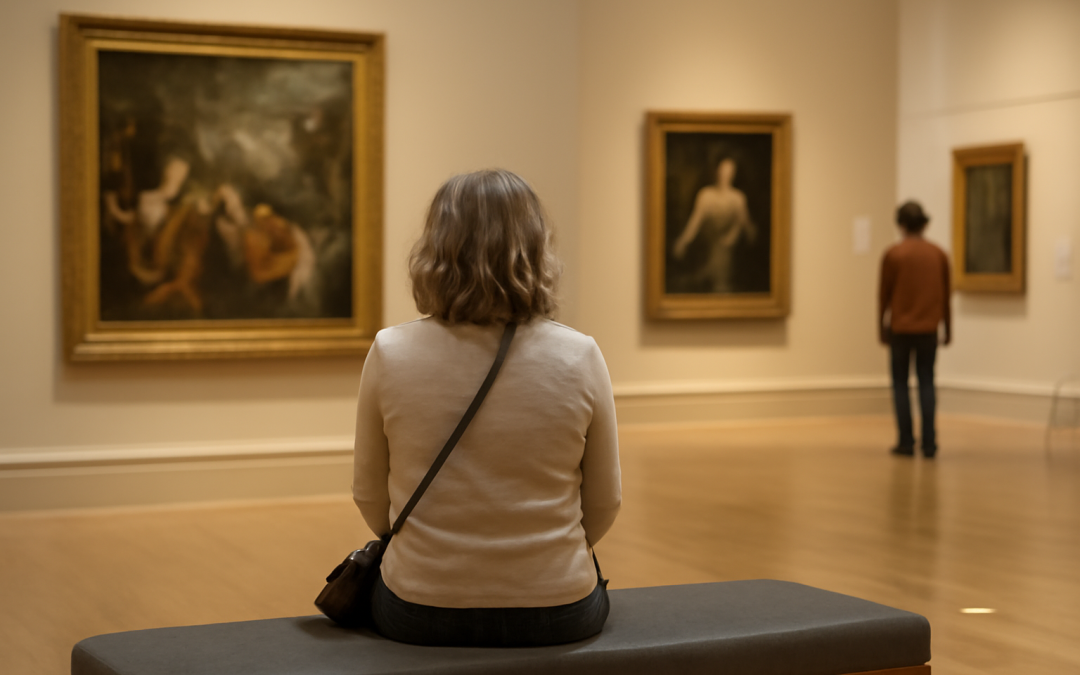
Incorporating moments of mindfulness and relaxation into the day enhances both well-being and appreciation of the art. Taking a few minutes to sit quietly in a serene gallery, focusing on a single painting or sculpture, can provide a refreshing mental reset. Deep breathing exercises or brief meditative pauses can counter the overstimulation common in busy museum environments, allowing visitors to reconnect with their enthusiasm and curiosity. Museums frequently offer quiet rooms or less frequented galleries perfect for such moments. This approach not only combats fatigue but also deepens the visitor’s connection to the works observed.
Planning transportation logistics thoughtfully is another vital component for a successful museum day. Choosing accommodations within walking distance or short transit rides to museum complexes saves energy otherwise spent on longer commutes. Where public transportation is involved, understanding schedules prevents the added stress of waiting or rushing, which can wear down stamina. For those using ride-sharing or taxis, it’s wise to pre-book returns or have flexible options planned to avoid tense moments at the end of a long day. The less time and energy spent on transit hassles, the more enjoyable the museum experience will be.
Social dynamics impact how much energy is available throughout the day. Visiting museums with friends, family, or a knowledgeable guide can provide motivation and shared excitement, making the experience feel less arduous. On the other hand, for some, solitary visits allow for a more personalized pace and the freedom to pause or move on from exhibits as desired without negotiation. Recognizing personal preferences regarding company helps optimize energy levels and enjoyment. Engaging in discussions about exhibits can invigorate interest, stimulate different perspectives, and add layers of meaning to the visit, making the day feel less like a checklist and more like a conversation.
Technology, when used wisely, can be a valuable ally in managing museum visits. Many museums offer pre-purchased timed tickets to avoid long waits, which preserves energy and reduces uncertainty. Interactive maps and apps help visitors navigate large spaces efficiently, highlighting amenities such as restrooms, cafés, and exit points. These tools also facilitate planning snack breaks and avoiding overly crowded sections at peak hours. Combining technological assistance with a flexible, intuitive approach empowers visitors to adapt as the day unfolds, choosing rest or exploration based on current energy levels.
Despite careful preparation, some fatigue is natural after a day immersed in museums. Recognizing signs early, such as difficulty concentrating, irritability, or physical discomfort, allows for timely adjustments. A short nap or rest period—if feasible—can restore alertness for an evening event or further exploration. If not, ending the day with a quiet activity like a casual walk in a nearby park or a comfortable dinner venue helps gently transition from an intense cultural immersion to relaxation. Being attuned to one’s body and mental state ensures that the overall experience remains positive and memorable, rather than burdened by exhaustion.
Reflection plays a key role in maximizing the benefits of a museum-heavy day. Setting aside time either during or after visits to jot down thoughts, impressions, or favorite pieces can extend engagement beyond the physical space. This practice deepens understanding and allows visitors to process the information at their own pace. Whether through a journal, a digital note app, or simply mental recap, reflection mitigates the feeling of being overwhelmed and enhances retention. This thoughtful approach transforms a tiring day of walking and looking into an inspiring journey of learning and personal growth.
It’s worth considering how pacing affects not only fatigue but also the emotional response to museum visits. Rushing through galleries can generate stress and a sense of obligation rather than enjoyment. Conversely, a deliberately paced day supports emotional connections with artworks and historical artifacts, fostering empathy, wonder, and intellectual curiosity. Creative engagement, like sketching a favorite object or photographing architectural details, encourages active participation rather than passive observation. These creative outlets serve as breaks from continuous passive absorption, reducing fatigue while enriching the experience.
In planning a museum-heavy day, factoring in the season and weather can also make a significant difference. During cooler months, visiting indoor museums provides a warm and inviting escape, but lengthy walks between venues may be brisk and tiring if unprepared. Layering clothing and planning indoor wait times prevent chill and discomfort. Conversely, in warmer seasons, heat can amplify physical strain, so selecting museums with shaded pathways or air-conditioned spaces and scheduling outdoor transitions during cooler parts of the day helps maintain comfort. Weather contingencies, such as backup indoor locations or flexible time allowances, prevent frustration and promote relaxation throughout the visit.
The variety and diversity of museums visited influence fatigue levels as well. Mixing types of museums—such as alternating between art, science, or history—can engage different areas of the brain and stave off mental weariness. Interactive, hands-on exhibits in science centers or children’s museums offer dynamic breaks from traditional gallery experiences, reinvigorating attention and curiosity. Conversely, too many similar museums in sequence might lead to sensory overload or boredom. A thoughtfully curated mix appeals to different interests and faculties, keeping the day stimulating and balanced.
Lastly, regular physical conditioning and health play foundational roles in determining how much energy can be sustained during intense cultural outings. Those accustomed to walking, standing, and social engagement will naturally fare better in museum marathons. Preparing the body through moderate exercise, stretching, and proper sleep before the planned day contributes to increased endurance. Post-visit self-care routines, including gentle stretching and hydration, aid in recovery and reduce lingering fatigue. Recognizing the relationship between physical health and cultural stamina encourages proactive readiness for museum-heavy adventures.
Strategic planning transforms what might initially appear as an exhausting endeavor into one of profound fulfillment. Balancing enthusiasm with pragmatism, prioritizing interests while respecting physical limits, and maintaining mindfulness throughout the day ensures that museums remain sources of inspiration rather than sources of fatigue. By integrating comfort, variety, pacing, and intentional breaks, visitors can unlock the richest experiences these cultural institutions have to offer. The joy of learning, discovery, and wonder should never be diminished by weariness, and with thoughtful preparation, it never will be.

by admin | Oct 14, 2026 | Travel & Destinations
Spending an entire day immersed in museums can be an incredible and enriching experience, yet it often comes with a heavy physical and mental toll. Navigating vast galleries filled with thousands of works of art or historical artifacts can quickly lead to fatigue, making the experience less enjoyable and potentially overwhelming. The key lies in careful planning to strike a balance between absorbing culture and conserving energy. By thoughtfully organizing your itinerary, you can maximize your time in various museums while maintaining your stamina throughout the day.
One of the first steps in planning a museum-heavy day without fatigue is to select museums that complement each other in terms of both content and location. Rather than rushing through multiple distant institutions, opt for those located relatively close together or within the same district to minimize transit time and physical exertion. Grouping museums thematically can also create a more cohesive experience, allowing your mind to stay engaged without feeling scattered by wildly different subjects. For example, pairing an art museum with a nearby sculpture garden or a historical museum that relates to a particular art period can help maintain interest and provide natural breaks in focus.
Once you have chosen your destinations, consider the order in which you will visit them. Starting your day at the museum that opens earliest or the one that you most anticipate tends to be practical. This approach often allows you to enjoy the quieter hours of the morning while your energy is highest. As the day progresses and your energy dips, visiting smaller or less physically demanding museums can help prevent burnout. Setting realistic time limits for each institution ensures you won’t exhaust yourself trying to see every single exhibit in detail. Instead, prioritize key exhibits or sections that genuinely interest you and plan to revisit any missed areas on a subsequent visit if time allows.
Physical comfort is paramount when embarking on a marathon museum tour. Choosing the right footwear cannot be overstated; supportive and comfortable shoes will mitigate the fatigue associated with hours of standing and walking. Museums are often vast, and some might require long stretches of walking between galleries or even between buildings. Additionally, the ambient conditions inside museums such as seating availability, lighting, and temperature can also influence how quickly you tire. Look out for resting spots like benches or café areas within the museum to recharge intermittently. If those aren’t readily accessible, don’t hesitate to take breaks outside or in nearby parks to stretch and relax before diving back into the exhibits.
Hydration and nutrition play critical roles in sustaining energy levels throughout the day. Carrying a water bottle and sipping regularly helps prevent dehydration, which can contribute to both physical and mental fatigue. Carefully timing meals and snacks is equally important; skipping lunch because you are “too busy to stop” is a common mistake that will backfire. Choose balanced meals that include proteins, healthy fats, and complex carbohydrates to provide steady energy rather than sugary snacks that lead to brief spikes followed by crashes. If possible, plan to dine at museum cafés or nearby eateries during natural breaks in your schedule. These moments offer not just nourishment but also downtime for reflection and digestion.
Beyond the physical demands, mental fatigue often arises from information overload. Museums, with their wealth of knowledge and intricate displays, can overwhelm visitors trying to absorb too much content at once. Combatting this form of exhaustion requires an intentional approach to engagement. Allow yourself permission to “skim” some exhibits or focus deeply on only a couple of pieces per museum. Take regular mental pauses by stepping outside or sitting quietly to process what you have seen. Keeping a journal or sketchbook can also help organize your thoughts and enhance retention of information without causing strain. This practice transforms passive viewing into an active learning experience, making it more satisfying and less draining.
If you are visiting with others, communicating and coordinating expectations is essential. Not everyone processes information or moves through spaces at the same pace, so establishing shared goals for the day helps prevent frustration and unnecessary energy drain. Agree in advance if some members prefer to explore exhibits in detail while others opt for a broader overview. Being respectful of these differences allows each individual to maintain enthusiasm and stamina without feeling rushed or held back. Sharing observations or intriguing facts during breaks can enrich the overall experience and foster connection without adding pressure.
Using technology judiciously can be a powerful tool in managing museum fatigue. Many museums now offer audio guides or smartphone applications that provide context and depth without the need to read extensive placards. These resources allow visitors to tailor their experience, skipping parts that don’t interest them and delving deeper into favorite topics without wandering aimlessly. Additionally, mapping out the museum’s layout in advance can help plan efficient routes between must-see exhibits, reducing unnecessary walking and confusion. Avoid the temptation to continuously check phones or social media during your visit as this can fragment attention and increase stress levels rather than provide a genuine break.
Scheduling short rest periods between museums can make a significant difference in sustaining energy. Depending on the size and intensity of the institutions, consider building in time for a light walk, fresh air, or a brief nap. Even fifteen minutes in a quiet café or garden can restore alertness and improve mood. Balancing movement with stillness is crucial; while walking helps keep circulation going and prevents stiffness, prolonged standing without breaks accelerates tiredness and discomfort. If possible, alternate between indoor and outdoor activities throughout the day to engage different senses and give your body a chance to reset.
Being mindful of your body’s signals is fundamental in avoiding over-exertion. Fatigue is often gradual and can sneak up unnoticed if you push too hard. Pay attention to subtle signs such as headaches, dizziness, or irritability, as these can indicate the need for a break. Respecting these cues and stopping to rest before reaching exhaustion will preserve your overall enjoyment and make the entire experience more rewarding. It’s worth reminding yourself that quality of experience matters more than quantity of museums visited. Walking away with vivid memories and genuine satisfaction is far preferable to forcing yourself through fatigue to check off a long list.
Preparation before the museum-heavy day can also reduce physical and mental strain. Light stretching exercises or yoga in the morning can loosen muscles and increase circulation, setting a positive tone for a day of walking and standing. Familiarizing yourself with the museum’s website, layout, and available amenities beforehand eliminates uncertainty and logistical stress. Packing essentials like a portable charger, sunscreen (if outdoor areas are involved), and a lightweight daypack to carry water, snacks, and a map ensures you are ready for any situation. The mindset you bring to the day influences your stamina and engagement; approaching the visit with curiosity, flexibility, and patience sets the stage for a rich experience without burnout.
Finally, after completing your museum excursions, unwinding with gentle activities is vital for recovery. A leisurely dinner, a walk in a serene location, or a simple relaxation routine can help your body and mind transition out of the active mode. Reflecting on the day’s experiences, whether through conversation, journaling, or quiet contemplation, consolidates memories and deepens appreciation for the art, history, or science you explored. Consistent self-care following such an intense day supports your next cultural outing, making each museum visit a sustainable and joyful adventure.
By integrating thoughtful choices around itinerary design, physical comfort, nutrition, mental engagement, and rest, it is possible to create a fulfilling museum-focused day free from debilitating fatigue. The key is not to diminish your aspirations for discovery but to pair them with realistic strategies that honor your body’s limits and mind’s capacity. This conscious approach transforms museum-going from a challenge into a richly rewarding journey through creativity, knowledge, and inspiration.