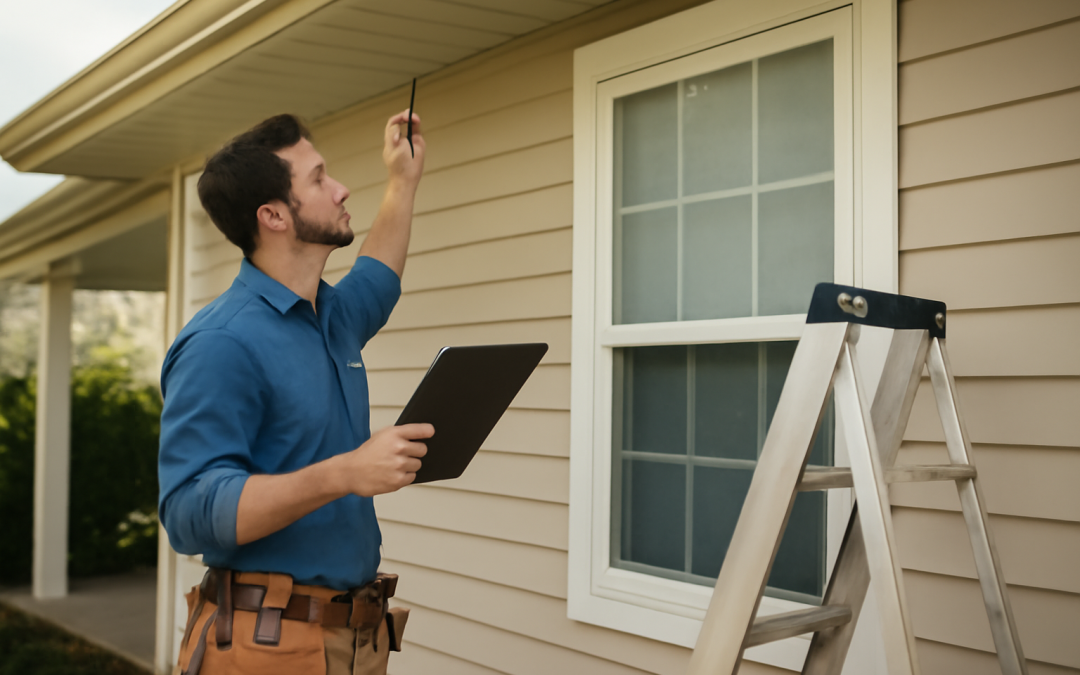
Owning rental properties can be a lucrative venture, but it comes with its own set of challenges and responsibilities. One of the most critical aspects of managing rental investments is ensuring proper home maintenance for rental properties. Effective maintenance not only preserves the value of the property but also enhances tenant satisfaction and reduces costly emergency repairs in the future. Property owners who prioritize regular upkeep and proactive inspections often experience longer tenant retention and increased rental income.
A well-maintained rental property sends a clear message to tenants that their living environment is cared for, which can foster a sense of respect and responsibility. Properties that suffer from neglect, on the other hand, may attract problematic tenants, have higher vacancy rates, and suffer accelerated deterioration due to minor issues escalating into significant problems. Therefore, establishing a reliable maintenance routine is a fundamental step in safeguarding your investment and optimizing returns.
One of the first elements to consider in home maintenance for rental properties is the importance of preventative measures. Routine inspections, scheduled at least biannually, help identify potential issues before they become severe. This includes checking for signs of water damage, plumbing leaks, electrical faults, roof conditions, and the overall state of heating and cooling systems. Addressing maintenance tasks early often saves landlords from expensive emergency repairs or tenant complaints that could disrupt rental income.
Maintaining the exterior of the property is equally crucial as the interior. The building’s curb appeal influences a tenant’s first impression, and well-kept landscaping, siding, and common areas can significantly increase property desirability. Regularly clearing gutters, trimming trees, and repainting as necessary prevents damage to the structure and safeguards against weather-related wear and tear. Exterior maintenance also covers ensuring walkways, driveways, and porches are safe and free from hazards, which helps limit landlord liability.
Inside the property, landlords must stay vigilant about upkeep that affects daily tenant living. HVAC systems require frequent servicing to operate efficiently, especially before seasonal shifts. Proper functioning heating and cooling extends system life and ensures tenant comfort. Plumbing systems are another focal point; clogged drains, running toilets, and worn-out seals can deteriorate quickly if not addressed promptly. Often, preventive plumbing maintenance involves inspecting pipes, water heaters, and sump pumps for signs of corrosion or leaks.
Electrical systems should never be overlooked in home maintenance for rental properties. Tenants rely on consistent and safe electrical service for appliances, lighting, and technology. Faulty wiring and outdated breaker panels pose serious fire hazards and might also violate local codes, putting landlords at risk for legal consequences. Scheduling updates to electrical components and encouraging tenants to report issues immediately can mitigate these dangers before they arise.
Painting the interiors and exteriors of rental properties regularly also contributes to a well-maintained appearance that tenants appreciate. Faded paint, chipped walls, and peeling surfaces signal neglect and can negatively affect tenant retention. Beyond aesthetics, paint protects surfaces from moisture and mold, especially in areas prone to humidity like bathrooms and kitchens. When landlords refresh paint, they have an opportunity to correct minor damages such as cracks and nail holes, which, if left unattended, could lead to larger repair jobs.
Appliance maintenance is another vital aspect that directly impacts tenant satisfaction. Many rental agreements include the provision of essential appliances, so landlords must ensure they function safely and efficiently. Regularly inspecting appliances such as refrigerators, ovens, dishwashers, and washers/dryers and replacing worn-out units when necessary can prevent disruptions to tenants’ daily lives and costly emergency replacements.
Home maintenance for rental properties also involves clear and responsive communication with tenants. Establishing a streamlined process for tenants to request repairs and maintenance increases the likelihood that issues will be reported early. Landlords who respond promptly to repair requests are more likely to foster goodwill and a cooperative relationship with tenants, which, in turn, minimizes tenant turnover and property damage. Additionally, educating tenants about their responsibilities, such as proper use of appliances and timely reporting of problems, can reduce unnecessary maintenance calls.
Seasonal preparations play a pivotal role in maintaining the property’s integrity. For instance, before winter, landlords should ensure that pipes are insulated, heating systems are tuned, and windows and doors are properly sealed to prevent heat loss and burst pipes. In warmer months, attention should shift to air conditioning maintenance and inspecting outdoor areas for pest control. Addressing these seasonal needs proactively helps mitigate weather-related damage and enhances tenant comfort throughout the year.
Landlords must also keep detailed records of all maintenance activities. Proper documentation includes dates of inspections, repairs performed, contractor invoices, and communication with tenants regarding maintenance issues. This record-keeping aids in managing budgets, preparing for tax deductions related to maintenance expenses, and serves as evidence if disputes arise. It also allows landlords to track recurring problems that might indicate underlying issues requiring more extensive intervention.
Another frequently overlooked but important component is ensuring compliance with local housing and safety codes. Regular maintenance helps ensure that smoke detectors, carbon monoxide detectors, fire extinguishers, and emergency exits operate according to regulations. Landlords who stay current with legal requirements protect themselves from potential fines, lawsuits, and liabilities. Keeping up with these standards also enhances tenant safety, which is a top priority for any responsible property owner.
Investing in quality materials and professional services is a sound strategy in home maintenance for rental properties. While it might be tempting to cut costs with cheaper repairs or DIY fixes, these approaches often lead to recurring problems or unsafe conditions. Hiring licensed contractors for critical repairs and upgrades ensures that work meets industry standards and preserves the property’s long-term value. Furthermore, quality renovations and timely updates may allow landlords to justify rent increases and attract higher-quality tenants.
Technology has created new opportunities to streamline and improve maintenance management. Property management software can help landlords schedule maintenance, send reminders for regular upkeep, and keep track of repair requests efficiently. Smart home devices, such as leak detectors, thermostats, and security systems, offer additional protection and enhance tenant satisfaction. While there is an upfront investment, technology’s long-term savings and benefits can be well worth it.
Landlords should also consider establishing a maintenance reserve fund. This financial cushion is reserved exclusively for unexpected repairs and replacements. A reserve fund prevents property owners from facing cash flow shortages when emergency situations arise, ensuring that necessary repairs are completed swiftly. This proactive financial planning contributes to the property’s overall health and smooth operation, minimizing tenant disruption.
In rental property maintenance, addressing pest control is another essential element. Pests such as rodents, termites, ants, and cockroaches can cause structural damage and create an unhealthy living environment. Preventative pest control, including sealing possible entry points and scheduling regular exterminations, helps maintain hygienic conditions and protects property value. Addressing infestations promptly also prevents tenant complaints and potential lease violations.
One of the complexities of home maintenance for rental properties is balancing landlord priorities with tenant rights and expectations. Landlords must respect tenants’ privacy by providing adequate notice before inspections or repairs. Scheduling maintenance should be convenient and minimize disruption to tenants’ daily lives. By fostering open communication and showing respect for tenants’ schedules, landlords can maintain good relationships while ensuring necessary upkeep is completed.
As properties age, maintenance becomes even more critical. Older buildings often require more extensive attention to outdated plumbing, wiring, and foundational issues. These properties may also benefit from modernization efforts that improve energy efficiency and functionality, such as upgrading insulation, installing energy-efficient windows, or replacing old appliances with modern models. Modernizing a rental can attract tenants willing to pay a premium for improved living conditions, further justifying the investment in maintenance.
In addition to ongoing maintenance, landlords should plan for periodic major renovations. These larger projects might include roof replacement, major HVAC repairs, or significant interior remodels. Proper timing of these renovations—ideally between tenant occupancies—minimizes inconvenience and maintains property desirability. While such updates require significant expense, they can extend the property’s useful life by decades and ultimately increase its market value.
Ultimately, the goal of home maintenance for rental properties is to create a safe, comfortable, and attractive environment for tenants while protecting the landlord’s financial interests. Consistent maintenance mitigates the risks of liability, preserves the physical condition of the property, and sustains stable cash flow through rent collection. A disciplined approach, combining routine inspections, timely repairs, professional assistance, and effective communication, builds a foundation for success in rental property management.
Maintaining rental properties is an ongoing responsibility that demands attention, planning, and commitment. However, the benefits of investing time and resources into proper upkeep are undeniable. By adopting a proactive maintenance mindset, property owners can enjoy reduced stress, better tenant relations, and a more profitable real estate portfolio. Ultimately, well-maintained rental properties stand as steady income sources and valuable assets, rewarding landlords who treat maintenance not as a hassle but as an essential component of their investment strategy.