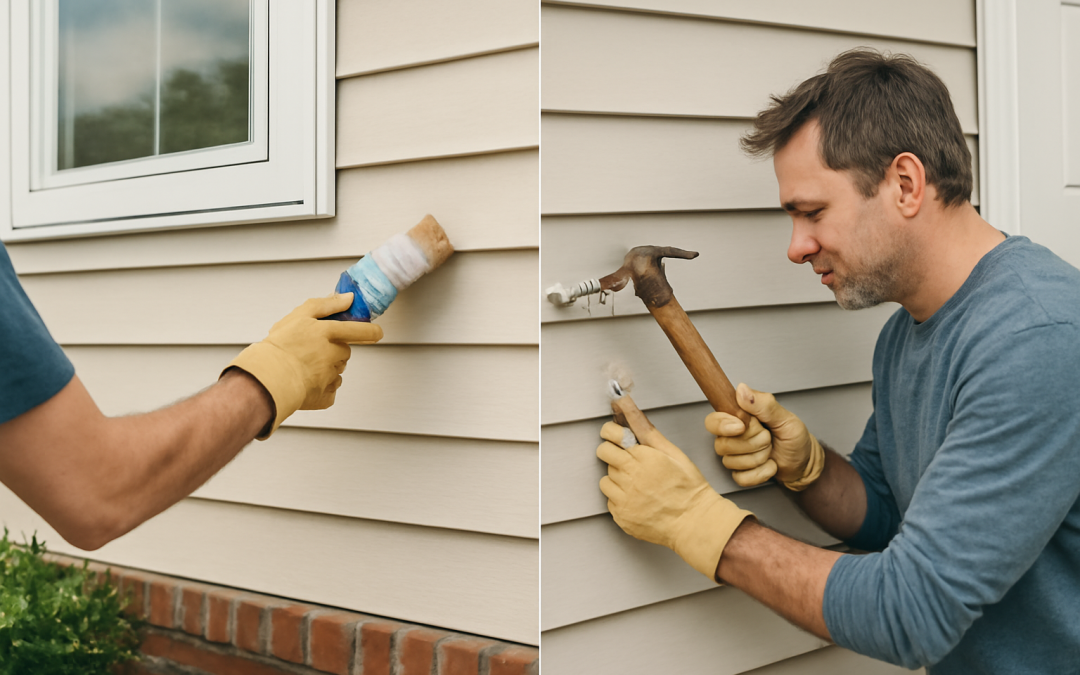
Owning a home is one of the most significant investments most people make in their lifetime. Along with the pride and comfort of having a place to call your own comes the responsibility to keep it in good condition. Many homeowners face confusion when it comes to managing their properties effectively, particularly when considering the tasks that maintain a home’s condition versus those that address unexpected problems. Understanding the concepts of home maintenance and home repair is essential for preserving value, ensuring safety, and saving money in the long run. While these terms are often related and sometimes used interchangeably, they involve distinct activities and approaches that every homeowner should familiarize themselves with.
Home maintenance refers to the regular, proactive actions taken to keep a house in proper working order. These tasks are preventive in nature, intended to avoid issues before they arise or to catch potential problems early before they worsen. Regular home maintenance includes activities such as cleaning gutters, servicing HVAC systems, inspecting the roof for damage, checking smoke detectors, and painting exterior walls. These efforts help maintain the property’s aesthetic appeal, structural integrity, and functionality. The main goal of home maintenance is to extend the longevity of various components and systems within the house, which ultimately protects your investment and enhances your living environment.
In contrast, home repair involves addressing existing problems or damages that affect the performance, safety, or appearance of the home. These tasks are typically reactive and require immediate attention because they can impact the usability or safety of the property. Home repairs can range from fixing a leaky faucet or repairing a broken window to more complex fixes like replacing a damaged roof or addressing foundation cracks. Repairs often come with an unplanned cost, as they require materials, labor, and sometimes temporary accommodations when the home environment becomes compromised. Unlike routine maintenance, repairs focus on restoring damaged elements back to their original condition rather than preventing future issues.
The distinction between home maintenance and home repair becomes clear when considering their timing and intent. Maintenance activities are periodic, scheduled regularly regardless of whether there is a visible issue. Repairs, on the other hand, are triggered by the discovery of a problem or failure. For example, changing the filters in an air conditioning system every few months constitutes maintenance, while fixing a system that has stopped cooling properly is a repair. Effective homeowners usually adopt a maintenance-first mindset, as consistent upkeep reduces the frequency and severity of repairs needed. Neglecting ongoing maintenance can lead to more frequent and costly repairs down the line, leading to deterioration that might otherwise have been avoidable.
One of the biggest challenges in distinguishing these two concepts is the blurred line that sometimes exists between extensive maintenance and minor repair. For some homeowners, a cracked tile or peeling paint might be considered a maintenance issue, while others might see it as a repair. To clarify, maintenance generally involves light upkeep and inspections that prevent damage, whereas repairs address damage that has already occurred. This difference highlights why homeowners should keep a detailed schedule of maintenance tasks and stay vigilant in assessing their home’s condition to catch minor issues early before they escalate into repairs.
Financially, prioritizing home maintenance can translate into significant savings over time. Scheduled maintenance allows for better budgeting because costs are predictable and manageable. For example, servicing heating or cooling systems annually not only ensures efficient operation but also prevents costly system breakdowns that require expensive repairs or replacements. On the contrary, skipping maintenance can lead to emergency repair situations that disrupt daily life and strain your finances. Insurance premiums may also be affected by how well a home is maintained because insurers often view homes in poor condition as higher risks. Therefore, investing in routine care can have a positive impact on insurance and resale values.
Another dimension of managing a home is the skill level required for maintenance versus repair. Many home maintenance tasks are straightforward and can be performed by homeowners with basic tools and knowledge. Examples include cleaning drains, lubricating door hinges, and replacing light bulbs. However, home repairs, depending on their complexity, often require professional expertise. Electrical system malfunctions, plumbing leaks involving the main lines, or structural damage are best handled by licensed contractors who ensure the work complies with safety codes and standards. Knowing when to handle tasks yourself and when to call a professional is vital to avoid compounding problems and potential hazards.
Beyond the technical and financial reasons for distinguishing these tasks, the difference also affects how homeowners plan their time and set priorities. Maintenance requires an ongoing commitment throughout the year. It is best done seasonally, such as preparing HVAC systems before summer or winter, inspecting roofs after storms, or sealing decks before rainy seasons. These predictable routines help homeowners stay organized and prevent surprises. Repairs, on the other hand, demand immediate action whenever issues arise, requiring flexibility and sometimes prioritizing urgent chores over other activities. Balancing both demands with personal schedules helps keep a home safe, efficient, and comfortable.
The impact of home maintenance versus home repair also extends to the overall health and well-being of the household. Routine maintenance helps prevent problems like mold growth, pest infestations, and water damage, all of which can pose health risks. For example, cleaning gutters to prevent water pooling can protect against moisture intrusions that lead to mold. Regularly inspecting smoke detectors and carbon monoxide alarms ensures early warnings in dangerous situations. Conversely, deferred repairs in critical areas such as plumbing leaks or electrical faults increase risks not only of further property damage but also of injury or illness. Prioritizing maintenance means sustaining a safer living environment over time.
In terms of home resale value, regular maintenance plays a critical role in retaining and enhancing a property’s market appeal. Homes that show evidence of consistent upkeep tend to command higher selling prices because prospective buyers recognize that owners have cared for the property properly. Well-maintained homes are less likely to have hidden defects that might require buyer negotiations or price reductions. Conversely, homes with visible signs of deferred repairs often raise concerns about underlying issues and potential future expenses, lowering buyer confidence. Therefore, the division between maintenance and repair directly influences marketability and investment returns.
Understanding the difference between home maintenance and home repair also aids in decision-making when it comes to home warranties and insurance. Many home warranty plans cover repairs for appliances and systems that break down but do not include routine maintenance services. Knowing the distinction helps homeowners select the appropriate coverage and avoid misunderstandings about what is reimbursable. Insurance policies, meanwhile, often require that the homeowner maintain the property properly to qualify for damage claims. If insurers find that damage results from neglect or deferred maintenance, claims may be denied. Educating oneself about these nuances protects homeowners from unexpected liabilities.
In addition to the physical and financial considerations, there is an emotional aspect tied to how homeowners approach their responsibilities. Engaging in regular home maintenance fosters a deeper connection to the property and a sense of pride and accomplishment. These routine tasks, although sometimes mundane, contribute to the comfort and satisfaction of living in a well-cared-for space. Conversely, unexpected home repairs can cause stress, disruption, and anxiety—especially if they involve significant damage or urgent safety concerns. By understanding the difference and committing to maintenance, homeowners can reduce the frequency of pressing repairs, creating a more peaceful and predictable living experience.
Technology and smart home systems are increasingly assisting homeowners in managing both maintenance and repairs. Devices such as smart thermostats, leak detectors, and home performance monitoring systems provide real-time data that helps identify issues early. Automated reminders for maintenance tasks, like changing filters or inspecting appliances, can help owners stay on top of regular upkeep. When repairs arise, digital resources enable quick access to local professionals or instructional guides for minor fixes. As these technologies evolve, they empower homeowners to better differentiate between routine upkeep and urgent damage control, making homeownership more manageable.
In conclusion, effectively caring for a home requires a clear understanding of the distinction between preventive maintenance and reactive repair. Home maintenance consists of scheduled, proactive activities designed to keep all systems running smoothly and prevent breakdowns. Home repair, meanwhile, encompasses the necessary fixes triggered by wear, damage, or failure. Both are crucial for preserving property value, ensuring safety, and sustaining a pleasant living environment. Homeowners who embrace regular maintenance reduce the risk of costly repairs and enjoy greater peace of mind. Recognizing this difference empowers homeowners to manage their investments wisely, plan budgets strategically, and maintain a safe and comfortable home for years to come.