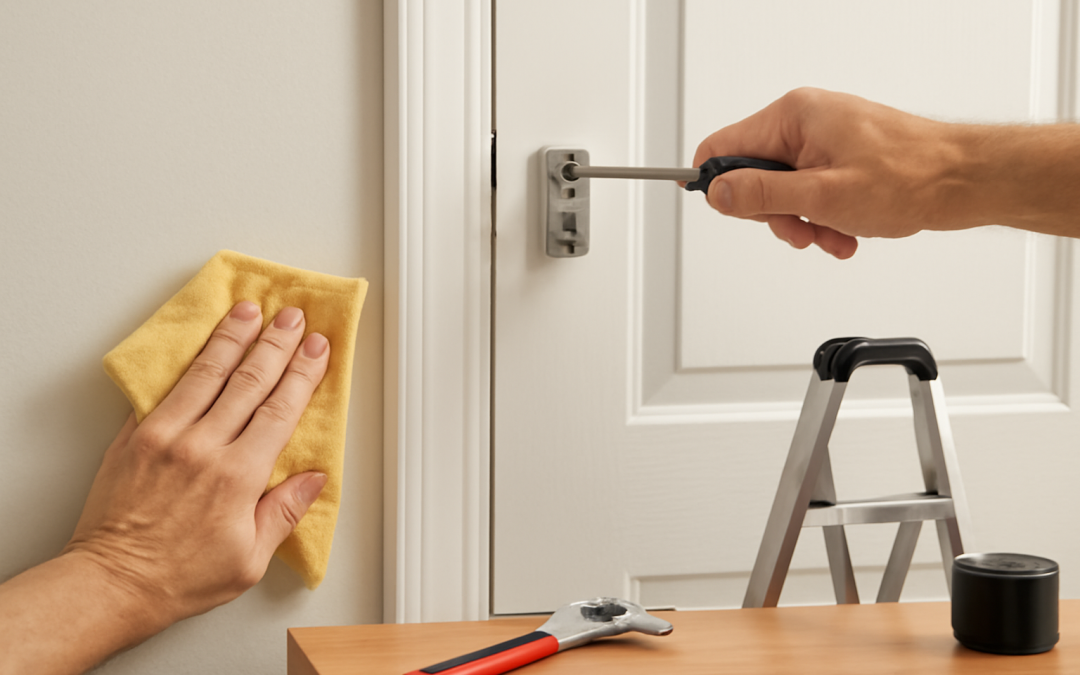
Owning a home is one of the most rewarding experiences, offering comfort, security, and a sense of accomplishment. However, this pride of ownership comes with a significant responsibility to ensure the property remains safe, functional, and aesthetically pleasing. Regular upkeep and attention to key areas are crucial in preserving the value of your investment and ensuring your living environment is healthy and comfortable. Recognizing and performing essential home maintenance tasks every homeowner should know can prevent minor issues from escalating into costly repairs and can also help in maintaining the structural integrity of the home over time.
One of the most critical areas that require constant vigilance is the home’s roofing system. The roof acts as the primary barrier against the elements, protecting everything beneath it from water damage, pests, and extreme weather conditions. Regular inspections should be conducted, especially after storms or severe weather, to identify missing, broken, or worn shingles, as well as to check flashing around chimneys and vents. Gutters and downspouts should be cleaned periodically to ensure they are free of debris that could cause water to back up and damage the roof or the foundation. Addressing small leaks or damaged components early can prevent structural deterioration and costly water damage inside the home.
Another area that demands regular attention is the HVAC system. Proper heating, ventilation, and air conditioning maintenance not only ensures comfort throughout the seasons but also keeps energy costs down by operating more efficiently. Homeowners should replace air filters every one to three months, depending on usage and the presence of pets or allergies in the household. Scheduling annual inspections by a professional can help identify issues like refrigerant leaks or worn parts before they cause system failure. Cleaning ducts and ensuring vents are unobstructed also improves indoor air quality, contributing to a healthier living space.
The plumbing system often remains out of sight and out of mind until a problem arises. However, preventive maintenance can save homeowners a great deal of trouble. Regularly inspecting under sinks and around toilets helps catch leaks early, while knowing the location of the main water shutoff valve can prevent disastrous flooding in an emergency. Water heaters also require upkeep, including flushing the tank annually to eliminate sediment buildup that reduces efficiency and the likelihood of failure. Keeping drains clear by avoiding flushing inappropriate items and using drain guards prevents clogs that could disrupt daily life.
Electrical systems are another essential part of home maintenance that should never be neglected. Ensuring that outlets, switches, and circuit breakers function properly can prevent electrical fires—a leading cause of house fires. It’s wise to occasionally test safety devices like smoke detectors and carbon monoxide alarms, replacing batteries at least once a year. Any flickering lights, burning smells, or frequent breaker trips should be checked by a qualified electrician immediately. Additionally, upgrading old wiring and outlets to meet current safety standards can improve the overall safety of the home.
Maintaining the exterior of a home goes beyond the roof. The siding, paint, windows, and doors all contribute to the property’s curb appeal and weather resistance. Periodic inspections for cracks, peeling paint, or gaps around windows and doors can prevent drafts, moisture intrusion, and pest invasions. Cleaning and repainting surfaces as needed protects materials from deterioration caused by sun exposure and moisture. Landscaping also plays a vital role in home maintenance; grading the soil away from the foundation and trimming trees and bushes prevents moisture problems and damage from falling branches.
Foundations often represent the most critical structural component of any home. While not necessarily part of routine maintenance for the average homeowner, it is essential to monitor for signs of foundation trouble, such as cracks in walls or floors, doors and windows that stick, or gaps between walls and floors. Ensuring proper drainage around the house prevents water from pooling near the foundation, which can lead to erosion and damage. Installing and maintaining sump pumps in basements prone to flooding can help manage excess water and protect against costly mold and structural issues.
Regularly attending to flooring and interior walls helps maintain the aesthetics and functionality of the living space. Carpets should be cleaned and occasionally steam-cleaned to remove dirt and allergens, while wood floors require polishing and refinishing as needed to maintain their appearance and integrity. Walls often benefit from occasional repainting or touch-ups to cover scuffs and damage, and thorough cleaning prevents buildup of dust and pollutants. Ensuring window and door seals are intact also helps regulate indoor temperatures and keeps the home energy-efficient.
Another often overlooked maintenance task involves pest control. Proactively sealing cracks and entry points, maintaining clean surroundings, and managing vegetation near the home can deter many common pests like rodents, ants, and termites. For those living in areas prone to infestations, regular professional inspections and treatments can prevent serious damage to the structure and furnishings. Early detection of pests often allows for simple treatment solutions rather than extensive repairs.
Safety within the home extends to everyday functionality and emergency preparedness. Maintaining clear pathways, checking stairways and railings for stability, and keeping fire extinguishers accessible and in working order are important preventive measures. Developing and regularly practicing an emergency evacuation plan ensures that all household members know how to react in case of fire, natural disasters, or other emergencies. Home maintenance involves not just physical upkeep but also maintaining a safe environment for all occupants.
Many homeowners underestimate the significance of the chimney and fireplace until problems arise. Ensuring chimneys are free from obstructions like bird nests and creosote buildup is critical for safe operation. Annual cleaning and inspection by a certified chimney sweep prevent fire hazards and carbon monoxide buildup from smoke backdraft. Ensuring the damper operates properly and chimney caps are intact protects against unwanted airflow and pests entering the home.
While routine tasks may seem numerous and sometimes overwhelming, establishing a seasonal maintenance calendar helps spread responsibilities throughout the year. Spring is an ideal time to inspect the roof, clean gutters, and service HVAC units before the hot months. Fall provides the opportunity to prepare the heating system, seal drafts, and winterize outdoor faucets and irrigation systems. Scheduling tasks in this way prevents neglect and piecemeal efforts that can miss critical issues, resulting in a well-maintained home throughout the year.
Landscaping and outdoor maintenance is not just about appearance but also protects the home’s structure. Regularly trimming trees to keep branches away from the roof and siding helps prevent physical damage during storms. Clearing away fallen leaves and debris reduces the risk of moisture-related issues, while maintaining outdoor irrigation systems prevents water wastage and flooding around the foundation. Even driveways and walkways need occasional sealing and repairs to prevent cracking and deterioration over time.
Heating and cooling are often the most significant contributors to energy consumption in a home. Making simple updates such as installing programmable thermostats adds convenience while reducing utility bills. Sealing air leaks in attics, basements, and crawlspaces enhances insulation effectiveness, keeping temperatures steady and reducing strain on HVAC systems. Upgrading windows to double or triple pane models can provide lasting energy efficiency benefits, protecting the home’s interior while saving money.
An often overlooked yet important task is inspecting and maintaining appliances. Dishwashers, washing machines, refrigerators, and dryers require periodic cleaning, checking for leaks, and ensuring hoses and connections remain secure. Regularly cleaning lint traps in dryers reduces fire risk and improves efficiency. Deferring appliance maintenance can lead to premature failure, unexpected expenses, and inconvenience.
Water quality is a critical consideration in many homes. Periodic testing of well water or municipal water supply quality helps identify contaminants or issues that may affect health. Installing or maintaining water softeners, filtration systems, or reverse osmosis units ensures household water remains safe and pleasant to use. Paying attention to water pressure issues can also signal problems in the plumbing system that need prompt attention.
Insulation plays a crucial role in keeping homes comfortable and energy efficient. Many older homes are under-insulated, leading to high energy bills and loss of comfort. Inspecting insulation in attics, crawlspaces, and walls and upgrading where necessary can have a dramatic impact on heating and cooling costs. Properly insulated homes maintain more stable indoor temperatures, reduce noise pollution, and prevent moisture accumulation that can lead to mold growth.
Septic systems require special attention for homeowners not connected to municipal sewer lines. Regular inspections and pumping every few years prevent backups and costly repairs. Avoiding flushing inappropriate items and minimizing the use of harsh chemicals protects the system’s microbiological balance. Understanding and adhering to maintenance guidelines safeguards this critical home system.
It is also beneficial for homeowners to keep detailed records of all maintenance activities, repairs, and improvements. Documentation aids in tracking the home’s condition over time and is an asset during property sales or insurance claims. Knowing when tasks were performed and what was updated helps anticipate future needs and budget accordingly.
Home maintenance is an ongoing commitment that rewards diligence with a safe, comfortable, and efficient living space. While many tasks can be handled by homeowners using guides and tutorials, certain jobs—especially those involving electrical systems, roofing, and major structural components—should be entrusted to licensed professionals to ensure safety and quality workmanship. By prioritizing these essential home maintenance tasks every homeowner should know, the home remains a source of pride and enjoyment for years to come.
In conclusion, maintaining a home requires a balanced approach that addresses both immediate needs and long-term preservation. Regular inspections, timely repairs, and seasonal upkeep prevent deterioration and enhance safety, comfort, and value. Investing effort into mastering these maintenance tasks not only avoids costly surprises but also creates a harmonious environment where family and friends can gather, relax, and build lasting memories. Through proactive care and responsibility, homeowners secure their refuge and safeguard one of their most valuable assets.