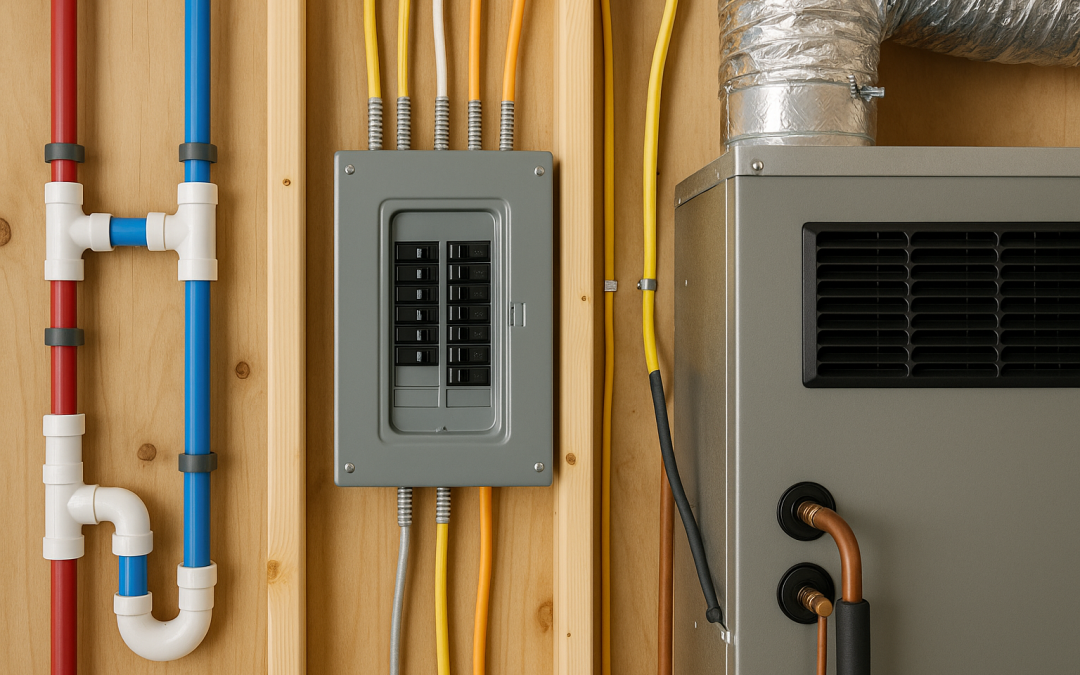
Every home functions as a carefully balanced ecosystem, where various systems work in harmony to provide comfort, safety, and functionality. The key to maintaining that balance lies in understanding the basics of home systems such as plumbing, electrical, and HVAC. While often overlooked, these systems form the backbone of everyday living, influencing everything from water supply and waste removal to lighting, heating, and air conditioning. Gaining a solid grasp of how these systems operate, their components, and typical maintenance needs empowers homeowners to troubleshoot minor issues, make informed decisions, and enhance the longevity and efficiency of their homes.
Starting with plumbing, this system is responsible for the movement of water and waste throughout a dwelling, a process that is both complex and crucial. At its core, plumbing consists of pipes, fixtures, valves, and drains, all designed to deliver clean water and remove wastewater safely. Freshwater is usually supplied through a series of pipes connected to the municipal water line or a private well, then distributed to faucets, showers, and appliances such as dishwashers and washing machines. On the other hand, wastewater is channeled away through a network of drain pipes leading to a sewer system or septic tank. Proper function depends on adequate water pressure, reliable pipe materials, and well-sealed connections to prevent leaks and contamination.
An important aspect of a home’s plumbing system is its reliance on a network that manages hot and cold water. Water heaters, whether gas, electric, or tankless, ensure that hot water is available on demand for bathing, cooking, and cleaning. The quality and lifespan of a plumbing system are significantly influenced by the materials used, such as copper, PVC, or PEX pipes, each with its advantages and longevity considerations. Homeowners should also understand common plumbing issues like clogs, leaks, and pipe bursts, which can cause extensive damage if not addressed promptly. Regular inspections and routine maintenance like checking for leaks, replacing worn washers, and winterizing pipes can prevent costly repairs and preserve water efficiency.
Transitioning to electrical systems, these are the unseen lifelines that power almost every aspect of modern living. Electrical systems consist of an entry panel, circuit breakers, wiring, outlets, switches, and fixtures that safely distribute electricity from the main source to various parts of the home. Electricity powers lighting, heating, appliances, and an increasing number of electronic devices, making reliability and safety paramount. Most modern homes have extensive wiring systems designed to meet the electrical codes that govern the installation and functionality to minimize fire risks and ensure system integrity.
Understanding electrical basics starts with recognizing that power enters the home through a service line connected to the power grid or, in some cases, an alternative source like solar panels. From there, it passes through the electrical panel, which houses circuit breakers or fuses acting as safety devices that cut power during overloads or short circuits. Wiring within walls channels the current to outlets and fixtures, where it is converted into usable power. Outlets come in different formats and ratings tailored to specific appliances or locations within the home, including specialized circuits for heavy-duty equipment like ovens or air conditioners.
Electrical system upkeep demands a clear understanding of safety precautions. Faulty wiring, overloaded circuits, or damaged outlets are common sources of electrical hazards that can lead to shocks or fire. It’s essential to recognize warning signs such as flickering lights, frequent breaker trips, burning smells, or warm outlets. Regular professional inspections and upgrading outdated electrical panels or grounding systems can help maintain safety standards. Moreover, using surge protectors and adhering to proper wattage limits for appliances protects both the home and devices from electrical damage.
Heating, ventilation, and air conditioning (HVAC) systems represent another critical aspect of home comfort, responsible for controlling indoor temperature, air quality, and humidity. These systems vary in complexity and design but generally aim to create a balanced indoor environment regardless of external weather conditions. HVAC components include furnaces, heat pumps, air conditioners, ductwork, vents, thermostats, and filters, each playing a role in moving, heating, or cooling air efficiently. The system’s performance profoundly affects energy consumption and indoor air quality, making proper design, installation, and maintenance essential.
Heating systems commonly rely on furnaces fueled by natural gas, oil, or electricity, which generate heat distributed through ducts or pipes carrying warm air, steam, or water. Heat pumps are increasingly popular due to their energy efficiency, offering both heating and cooling by transferring heat between indoors and outdoors. Air conditioners work by removing heat from indoor air and dispersing it outside, helping keep homes cool during warmer months. Proper insulation and well-sealed duct systems prevent energy loss, reducing utility bills while maintaining consistent temperatures.
Ventilation is an often underestimated component of HVAC that ensures fresh air circulation and prevents moisture buildup, which can lead to mold growth and poor indoor air quality. Mechanical ventilation, through exhaust fans and air exchangers, helps remove indoor pollutants and odors while bringing in fresh outdoor air. Filters and air purifiers within HVAC units trap dust, allergens, and pathogens, promoting a healthier living environment, particularly for those with respiratory conditions. Regular replacement of filters and cleaning of ducts are crucial maintenance tasks to preserve system efficiency and air cleanliness.
Scheduling routine inspections and tune-ups for HVAC systems can significantly extend their lifespan and improve performance. Problems like refrigerant leaks, clogged filters, or malfunctioning thermostats not only compromise comfort but also increase energy consumption. Ensuring that ducts are free of leaks and properly insulated can dramatically improve heating and cooling efficiency. Moreover, programmable thermostats offer homeowners an easy and cost-effective way to regulate temperatures, saving energy by reducing heating or cooling when the home is unoccupied.
While plumbing, electrical, and HVAC systems operate independently, their integration is essential for overall home functionality. For example, electrical systems power water heaters and HVAC units, while plumbing systems may need to accommodate the drainage of condensation from air conditioning or heating systems. Coordination among these systems during home construction or renovations is vital to prevent conflicts, ease maintenance, and ensure proper code compliance. Understanding the interdependence of these systems can help homeowners better plan repairs or upgrades that optimize home performance and safety.
Energy efficiency is a key consideration in managing all home systems today. Increasingly, homeowners are turning to smart technologies that allow remote monitoring and control of lighting, plumbing fixtures, and HVAC systems. Intelligent thermostats can learn usage patterns to optimize heating and cooling cycles, while leak detection devices can alert homeowners to plumbing issues before they cause damage. Upgrading to energy-efficient appliances and fixtures not only reduces environmental impact but also translates into long-term cost savings. Sustainable practices such as low-flow plumbing fixtures, LED lighting, and ENERGY STAR rated HVAC units contribute to a more efficient and environmentally conscious household.
When problems arise, knowing when to attempt DIY solutions and when to call a professional is vital. Minor plumbing tasks like unclogging drains or replacing faucet washers may be handled by homeowners with basic tools and knowledge. However, more complex issues involving electrical wiring or major HVAC repairs should be entrusted to licensed specialists to ensure safety and compliance with local codes. Regular preventive maintenance performed by trained technicians can catch potential problems early, improving system reliability and avoiding unexpected breakdowns.
In summary, a comprehensive understanding of the basic functions, components, and maintenance needs of plumbing, electrical, and HVAC systems allows homeowners to better manage their living environments. Each system plays a distinct yet interconnected role in making a house a home, influencing comfort, health, and safety. Being proactive in upkeep and informed in decision-making empowers homeowners to extend the life of these essential systems while reducing risks and costly repairs. Building this foundational knowledge ultimately enhances the enjoyment and value of any residential property.