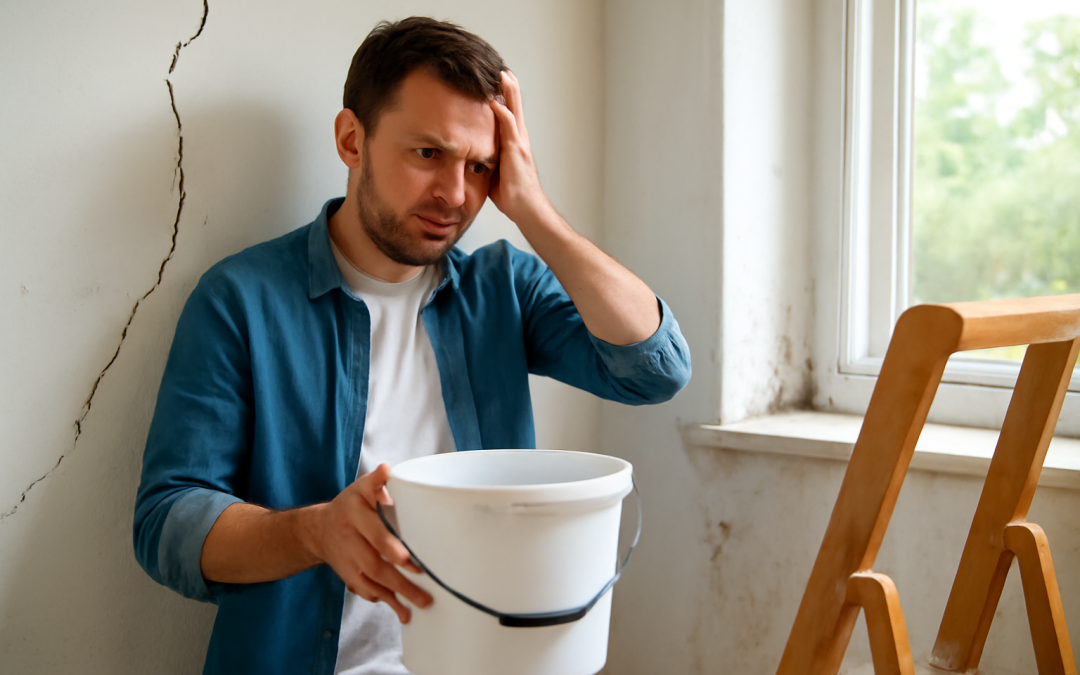
Taking care of a home is a continuous responsibility that demands time, effort, and knowledge. Many homeowners find that despite their best intentions, they often fall into common mistakes when it comes to maintenance. These errors can lead not only to unnecessary repairs and expenses but also to compromised safety and decreased property value. Understanding the pitfalls that most frequently occur in home upkeep is essential for preventing problems before they develop and ensuring a safe, comfortable living environment.
One of the most prevalent mistakes homeowners make is neglecting regular inspections and preventive maintenance. It’s easy to overlook routine checks on essential systems such as plumbing, heating, ventilation, and air conditioning (HVAC), or the roof. However, small issues like a minor leak, clogged gutters, or faulty wiring can escalate quickly if not addressed promptly. For instance, ignoring a dripping pipe may result in water damage, mold growth, or even structural deterioration, all of which will cost far more to fix than the original problem. Regularly scheduling inspections and adhering to maintenance guidelines for different components of your home can help catch these problems early when they are easier and cheaper to resolve.
Another significant error in home care is poor timing in repairs and upgrades. Homeowners might delay fixing damage or ignore warning signs due to cost concerns or inconvenience, which often leads to worsening conditions. For example, waiting to replace an aging water heater or neglecting an uneven floor can cause more severe malfunctions, increased energy consumption, and even safety hazards. Procrastination can also affect the efficiency of appliances and systems, driving up utility bills and reducing overall comfort. Staying ahead by planning for timely repairs and strategic upgrades based on the expected life cycle of home elements will save money and maintain a high standard of living.
Inadequate knowledge or skills is another widespread issue when handling home maintenance. While DIY is tempting for many, tackling projects without proper understanding can create problems instead of solving them. Improper electrical work, shoddy plumbing jobs, or poor-quality painting can lead to further damage or safety risks, often necessitating professional intervention. It is crucial for homeowners to evaluate when a job is within their capability and when to hire an expert. Professionals bring specialized tools, training, and experience that ensure work is done safely and up to code, preserving the integrity of the home and the wellbeing of its occupants.
Ignoring exterior maintenance is also a common oversight that can have detrimental effects over time. The building’s façade, roof, windows, and landscaping all play vital roles in protecting the structure from the elements. Failure to clean gutters regularly, repaint surfaces, or trim shrubs near the foundation can result in water infiltration, pest infestations, and accelerated wear. For instance, gutters clogged with leaves cause water to overflow and pool near the foundation, leading to cracks, leaks, and soil erosion. Similarly, lack of upkeep on exterior paint allows moisture to penetrate wood surfaces, causing rot and decay. Paying close attention to exterior maintenance is critical for preserving curb appeal and structural soundness.
Many homeowners make the mistake of not maintaining proper ventilation in their homes. Ventilation helps control indoor air quality by removing excess moisture, pollutants, and odors. Overlooking problems like blocked vents, exhaust fans, or insufficient airflow can lead to condensation, mold growth, and a buildup of allergens. These conditions not only damage the home but can also negatively impact the health of residents. Ensuring that ventilation systems are clean, unblocked, and adequately sized for the space will contribute significantly to a healthy and comfortable interior environment.
Neglecting proper seasonal maintenance routines is another frequent error. Each season brings different challenges and needs for the home, such as winterizing pipes before cold weather, cleaning air filters in spring, or inspecting roof flashing after heavy storms. Failure to prepare for seasonal changes can mean frozen pipes in winter, inefficient cooling in summer, or damage caused by ice dams and snow. A comprehensive home maintenance schedule that accounts for seasonal tasks helps prevent avoidable damage and optimizes the home’s performance throughout the year.
Underestimating the importance of maintaining the home’s foundation is a serious mistake many fail to recognize until problems become severe. Foundation issues can lead to uneven floors, wall cracks, and misaligned doors or windows, signaling structural instability. Causes may include water pooling near the foundation, poor drainage, or soil shifting. Homeowners should ensure that grading slopes away from the house, gutters direct water properly, and there are no plumbing leaks near the foundation. Early detection of foundation concerns through foundation inspections or crack monitoring can help avoid costly repairs and preserve the home’s value.
Failing to keep track of home maintenance records and schedules is another mistake that makes managing a property more difficult. Detailed records of repairs, upgrades, warranties, and inspections provide essential information for troubleshooting issues and planning future care. Without this documentation, homeowners may forget completed work or duplicate efforts unnecessarily. Additionally, good records help when it’s time to sell the house, reassuring buyers about the condition and care taken by previous owners. Establishing a system to log maintenance activities, perhaps through a physical binder or digital app, supports organized and proactive home management.
Another overlooked aspect is the proper maintenance of safety systems in the home, including smoke detectors, carbon monoxide alarms, fire extinguishers, and security systems. Many homeowners install these devices but forget to test and maintain them regularly. Batteries can die, sensors can fail, or extinguishers may expire, leaving families vulnerable in emergencies. A regular schedule for testing alarms and replacing batteries, along with checking the condition of security and fire safety equipment, is essential. Investing time in this maintenance ensures these systems perform effectively when needed most, protecting lives and property.
One common but subtle mistake is the improper use of cleaning and maintenance products. Using harsh chemicals on delicate surfaces, abrasive materials on soft finishes, or incompatible solvents can cause permanent staining, degradation, or damage. For example, using acidic cleaners on natural stone counters can etch the surface, while overspraying paint on wood siding can peel existing coatings. It is essential to use products specifically designed for each material and to carefully read labels and instructions. Taking the time to research and apply appropriate cleaning methods will extend the life of household components and maintain their aesthetic appeal.
Ignoring plumbing maintenance is another area where many homeowners slip up. Pipes, faucets, drains, and water heaters require periodic attention to avoid leaks, clogs, and inefficiencies. Simple practices like clearing drain traps, inspecting for corrosion or rust, and flushing water heaters annually help maintain a healthy plumbing system. Many small leaks go unnoticed, slowly wasting water and promoting mold growth. Delaying professional inspections or repairs in the plumbing system often results in more significant water damage and costly remediation. Routine vigilance and minor upkeep can prevent emergencies and improve home sustainability.
Electrical system oversight is a critical home maintenance mistake that is often underestimated by homeowners. Faulty wiring, overloaded circuits, and outdated panels can pose significant fire risks and cause frequent power interruptions. Many neglect updating electrical components or addressing flickering lights and warm outlets promptly, which can indicate underlying problems. Scheduling an electrical inspection every few years, especially in older homes, ensures compliance with safety codes and reduces risk. Additionally, upgrading to modern fixtures and breakers improves energy efficiency, safety, and convenience.
Landscaping and yard maintenance also greatly impact the health of the home but are frequently neglected or improperly done. Overgrown trees and shrubs can damage roofs, siding, and foundations with roots or falling branches. Poor lawn drainage can lead to standing water near the home, increasing the risk of foundation issues. Using mulch, maintaining healthy lawns, and choosing the right plants for the environment supports soil stability and prevents pest problems. Incorporating regular care into landscape maintenance protects not only the aesthetics of the property but also structural and environmental integrity.
In addition to specific technical issues, many homeowners avoid spending adequate time learning about their particular homes and the demands they have. Every house is unique in terms of materials, climate impact, and wear patterns. General advice is helpful, but owners who dedicate effort to understanding their home’s history, construction, and typical vulnerabilities can tailor maintenance plans more effectively. This personalized approach allows for early detection of problems and prioritizes areas most at risk, which improves resource allocation and reduces stress in managing home care.
Falling for quick-fix solutions or cutting corners to save money is another common pitfall. While it may seem efficient to patch a roof temporarily with tape or delay replacing worn-out parts, these measures almost always lead to recurring problems or complete system failure later on. Investing in quality materials and professional labor at the outset avoids the expense and inconvenience of repeated repairs. It also enhances the home’s longevity and efficiency, demonstrating that strategic maintenance is an investment rather than a cost.
In conclusion, steering clear of common missteps provides a solid foundation for a well-maintained home. Proactive and knowledgeable homeowners who prioritize regular inspections, timely repairs, appropriate professional help, and a thorough understanding of their property’s specific needs can save themselves significant stress and financial burdens. Successful home upkeep is a balance of attentiveness, preventive care, and sensible decision-making, which ultimately keeps the house safe, comfortable, and valuable for years to come. Embracing this mindset transforms maintenance from a burdensome task to an empowering aspect of homeownership.