In recent years, the importance of making spaces, products, and services accessible to as many people as possible has become increasingly recognized across industries. While the primary motivation for accessibility improvements is often to comply with regulations or to ensure inclusivity, these enhancements frequently bring additional, less obvious benefits. One of the most significant of these advantages is the reduction of maintenance needs. By designing with accessibility in mind, organizations can create environments and systems that are not only more user-friendly but also more durable, easier to manage, and ultimately less costly to maintain over time.
Accessibility improvements address barriers that can limit the use of infrastructure or digital products by individuals with disabilities, but the principles behind these adjustments often yield features that improve usability for everyone. For example, installing ramps alongside stairs facilitates access for wheelchair users, but it also benefits people pushing strollers, delivery personnel, or those with temporary injuries. This dual-purpose design means fewer modifications need to be made later to accommodate various users, streamlining upkeep by reducing the number of separate features or contingency fixes. Moreover, the materials and designs used in accessibility solutions are frequently chosen for durability and ease of cleaning, which further lowers maintenance requirements.
The use of clear, thoughtful signage in public buildings provides another example. Signs designed with high contrast, simple fonts, and tactile elements such as braille enhance the experience for visually impaired individuals but also reduce wear and confusion for all visitors. Well-considered signage limits the need for frequent replacements or reprints caused by user damage or misinterpretation. When signage is easy to read and positioned logically, it lessens the likelihood of accidental damages or frequent changes due to navigation errors. Thus, the design choices driven by accessibility often translate into elements that hold up better under regular use and require less frequent intervention from maintenance teams.
In the digital realm, accessibility improvements can profoundly impact how software and websites are maintained. Creating applications that are compatible with screen readers, keyboard navigation, and adjustable text sizes not only supports users with disabilities but also promotes cleaner, more semantic coding practices. Clean codebases are easier to update and less prone to bugs, which translates into smoother maintenance cycles. Additionally, when accessibility is baked into the initial development process, there is less need for costly rewrites or patches down the line. This proactive approach ensures that software remains robust and flexible, reducing the constant churn of maintenance efforts.
Physical accessibility features such as wider doorways, lever-style door handles, and non-slip surfaces also reduce maintenance demands. Lever handles, for example, are easier to operate for individuals with limited hand strength or dexterity, but they are also generally more durable than traditional knobs because they rely less on intricate mechanical parts that can wear out over time. Non-slip surfaces reduce the likelihood of falls and damage to flooring, which decreases the need for frequent repairs or replacement tiles. These design considerations decrease accidental wear and tear, soften the impact of heavy foot traffic, and ultimately reduce operational costs related to upkeep.
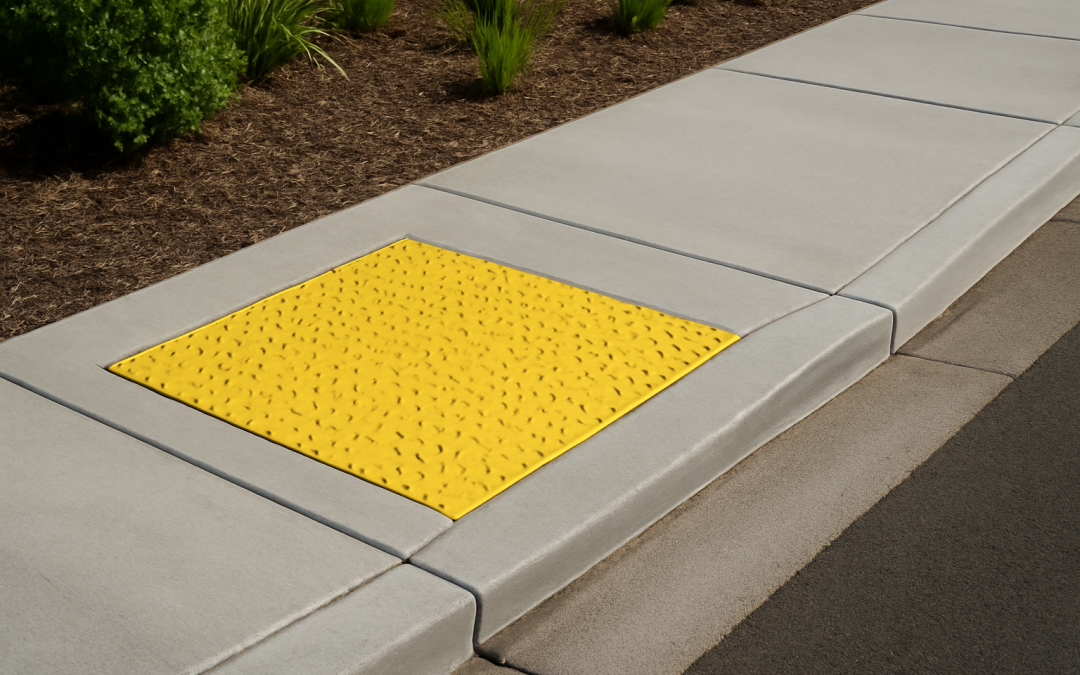
Beyond the functional aspects, accessible design can simplify the maintenance process itself. Take, for example, tactile paving used near transit platforms. This feature guides visually impaired users and also clearly marks platform edges for safety. When placed thoughtfully, these tiles often create designated areas that help organize foot traffic. Organizing movement reduces the risk of damage caused by congestion, such as scratches or scuffs on surfaces or accidental damage to walls. Maintenance teams benefit from this natural organization because it controls wear patterns, allowing preventive maintenance to focus on high-use areas without neglecting less-traveled parts of a structure.
Lighting improvements made with accessibility in mind can have similar dual benefits. Well-lit areas improve safety for all users, and strategically placed, glare-free lighting reduces both eye strain and accidents in public or workspaces. By avoiding harsh or misdirected lighting, surfaces and fixtures tend to degrade less rapidly, as overheating and UV exposure can be minimized. Energy-efficient LED systems used for accessibility considerations decrease energy consumption and reduce the frequency of replacements, as they typically have a longer lifespan compared to traditional bulbs. These factors contribute to maintenance savings while enhancing the overall environment.
Another often overlooked advantage of accessibility improvements is that they encourage the use of standardized components and universally accepted design principles. When architectural elements such as handrails, counters, or seating meet established accessibility standards, they often align with existing industry specifications. This standardization simplifies repair and replacement since compatible parts are readily available and require less customization. Elevators designed to accommodate wheelchair users, for instance, generally feature standardized cabin dimensions and control placements that lower the costs and complexity of both servicing and updating the equipment. Maintenance teams can operate more efficiently when working with familiar, widely used components.
A cultural shift toward inclusive design also prompts organizations to adopt better documentation practices. Detailed records and clear communication about accessibility features mean that maintenance staff are better informed about how specific elements function and why they are important. This understanding reduces the risk of accidental removal or damage during routine servicing, as staff are more aware of the necessity to preserve these features. Enhanced documentation promotes consistency in maintenance practices across teams and facilities, ultimately extending the lifespan of installations and reducing costly emergency repairs or replacements.
In infrastructure projects, accessibility and durability often go hand in hand. For example, curb ramps constructed with heavy-duty materials are designed to withstand the pressures of foot traffic, wheelchairs, skateboards, and delivery carts. Because these ramps are robust and carefully integrated into the surrounding pavement, they suffer less damage over time than makeshift or improperly installed alternatives. Resilient materials and better craftsmanship required by accessibility codes create a win-win situation that results in lower maintenance effort, fewer repairs, and longer-lasting infrastructure.
Similarly, when it comes to public transportation systems, making transit vehicles accessible frequently leads to innovations that reduce maintenance challenges. Vehicles with low floors and wide aisles not only help passengers with mobility aids but also ease the boarding and alighting process for everyone, reducing wear on doors and interior surfaces. Additionally, accessible vehicles tend to incorporate durable flooring materials and seating designs that endure more frequent use without damage. The overall effect is a reduction in the need for interventions and refurbishments, saving transit agencies money and minimizing service disruptions.
In commercial buildings, accessible bathrooms represent a critical focus area where improvements can simultaneously improve functionality and reduce upkeep. Features such as automatic faucets, touchless soap dispensers, and well-designed grab bars not only accommodate individuals with disabilities but also reduce the number of touchpoints that can wear out or become unhygienic. These modern fixtures often use sensors and durable materials that decrease water waste, manufacturer calls for repairs, and the spread of germs, translating into a cleaner facility and fewer maintenance requests. Building owners benefit from lower operating costs and fewer customer complaints, further attesting to the value of integrating accessibility from the outset.
The benefits of accessibility improvements extending to reduced maintenance also emphasize the importance of involving all stakeholders during the design phase. Collaboration between architects, engineers, facility managers, and users with diverse abilities ensures that proposed solutions are practical, durable, and manageable over time. Inclusive design teams are better positioned to anticipate challenges that could arise from heavy use or environmental factors, which allows them to select materials and construction methods that require minimal upkeep. This pre-emptive approach is more cost-effective than retrofitting or dealing with frequent repairs under budget constraints.
Another area where accessibility improvements cut down on maintenance is in software and hardware interfaces designed for public kiosks, ATMs, and ticketing machines. Devices that include tactile keys, screen reader compatibility, and simplified user interfaces are less prone to user-induced errors or forced shutdowns. When users can easily understand and complete their tasks, machines remain operational longer and require fewer technician visits. The selection of robust physical components, such as sealed keypads and weather-resistant displays, also means these devices withstand environmental wear with less frequent breakdowns, thus reducing overall maintenance workloads.
The relationship between accessibility and sustainability also plays a role in reducing maintenance demands. Many accessible design principles overlap with eco-friendly initiatives, such as incorporating natural lighting, utilizing non-toxic materials, and improving airflow and ventilation. When spaces are designed with these dual goals, they tend to age better and require less frequent maintenance. For example, natural lighting reduces reliance on artificial light, lowering the wear on electrical systems and lamps. Similarly, improved ventilation prevents humidity buildup, which can damage walls and floors. The convergence of accessibility and sustainability thus offers a holistic approach that enhances longevity and comfort while cutting upkeep costs.
Routine maintenance tasks also become safer and easier when accessibility is prioritized. For example, maintenance personnel with temporary or permanent disabilities, or those who might be older, benefit from accessible workspaces, equipment, and tools. This improves their efficiency and reduces the risk of errors or accidents during maintenance activities. Facilities that support these workers’ needs tend to have more streamlined maintenance schedules and fewer unexpected equipment failures because all team members can perform their roles effectively. This inclusive environment fosters a more resilient operation and optimizes resource management.
From a broader perspective, accessibility improvements encourage a mindset of thoughtful, intentional design that considers long-term usability and care. This mindset inherently values durable solutions and forward-thinking maintenance strategies, rather than short-term fixes. Accessible environments are often designed with an emphasis on modularity and adaptability, enabling spaces and products to evolve over time without requiring complete overhauls. This adaptability reduces the resources needed for modifications and keeps maintenance cycles manageable.
The synergy between accessibility improvements and reduced maintenance demands is compelling evidence for adopting universal design principles early in any project. Whether in public institutions, commercial enterprises, or digital platforms, integrating accessibility into the core of functionality enhances user experience and supports organizational efficiency. By investing up front in thoughtful, inclusive design, stakeholders create assets that serve diverse populations while minimizing operational burdens for years to come. This dual benefit ultimately reflects a smart allocation of resources that respects both individuals and budgets alike.
In conclusion, improving accessibility not only fulfills moral, legal, and social responsibilities toward inclusivity but also provides tangible long-term maintenance advantages. When environments, products, and services are designed with accessibility in mind from the beginning, they tend to be more durable, easier to use, and require fewer repairs. These improvements reduce operational costs, enhance safety, and improve overall satisfaction for all users. Embracing accessibility is therefore not just a matter of compliance or accommodation—it is a strategic approach to creating lasting, sustainable, and efficient solutions that stand the test of time.