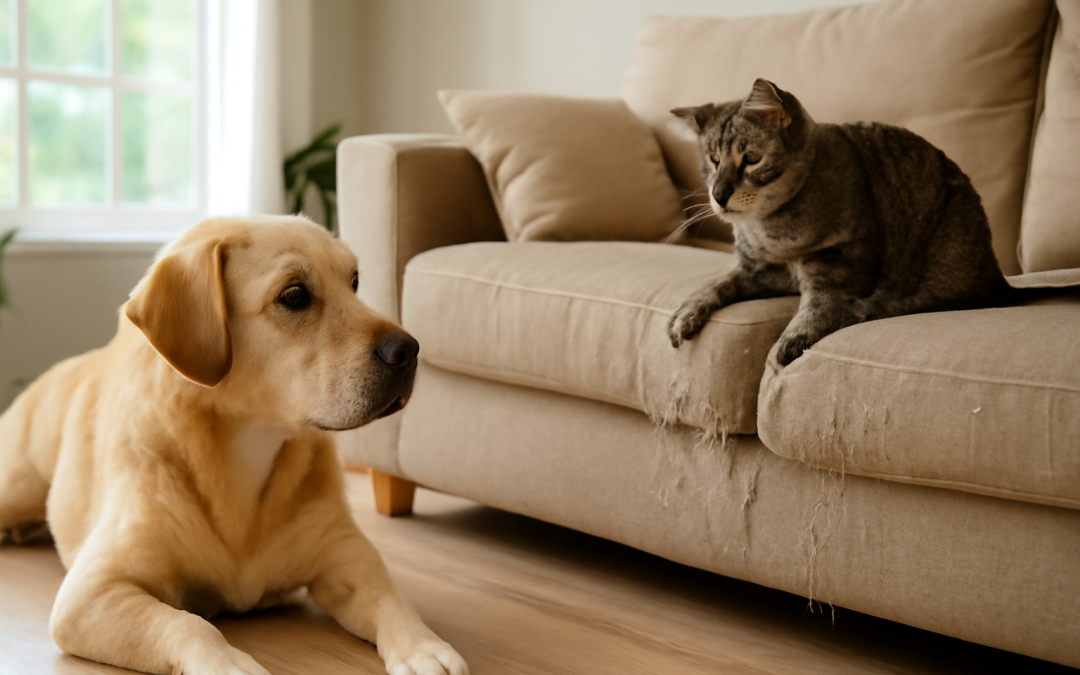
Bringing a pet into the home often brings undeniable joy and companionship, yet it also introduces new challenges that homeowners may not fully anticipate. One significant aspect to consider is how pets impact home wear and tear over time. From the scratches on floors to the lingering odors in furniture, the presence of animals can alter the condition and upkeep demands of a house substantially. Understanding these effects can help pet owners make informed decisions about managing their living spaces while maintaining a harmonious environment for both humans and animals.
Animals, especially dogs and cats, exhibit natural behaviors that can unintentionally cause damage to various parts of a home. For instance, claws frequently scratch hardwood floors, carpets, and furniture, leaving visible marks and sometimes causing structural harm. Cats, known for their scratching instincts, may target upholstered furniture if proper scratching posts are not provided. This behavior can deteriorate the fabric, weaken cushions, and require costly repairs or replacements over time. Similarly, dogs may dig at carpets or mats, particularly when anxious or bored, ripping fibers apart and diminishing the overall lifespan of these coverings.
Pet-related wear and tear often extends beyond visible surface damage. The oils and acids found in animal saliva, as well as body oils, can stain fabrics and finishes. Repeated licking or chewing can degrade areas like door frames, mattresses, and even electrical cords, creating safety concerns. Additionally, pets shed hair and dander, which can become embedded in carpets and fabrics, complicating cleaning processes and potentially reducing the air quality in the home. Over time, these hidden impacts accumulate, making regular maintenance essential to preserve the home’s condition.
Odors are another significant factor that pets contribute to and can impact the comfort and cleanliness of a living space. Even with regular cleaning, the scent of pet urine or dander may linger in carpets, rugs, and upholstery, which not only affects the home’s ambiance but may also pose challenges for individuals with allergies or sensitivities. Accidents, especially among puppies, kittens, or older animals, can seep deeply into porous materials, leading to stubborn and persistent smells. Addressing these odors often requires specialized cleaning treatments or professional intervention to restore freshness.
In addition to typical daily wear, pets can sometimes cause accidental damage that results in costly repairs. For example, chewing on furniture legs or household items can weaken structural integrity or ruin expensive pieces. Door and window screens may be torn by pets trying to access the outdoors or watch street activity, necessitating replacements. Even walls and baseboards can suffer from scratches or bites as pets navigate the home. These damages not only inconvenience homeowners but may also reduce the property’s value if left unaddressed.
Flooring is particularly vulnerable to the presence of pets in a home. Hardwood floors may show claw marks or discoloration from accidents, while carpets absorb stains and odors more readily. Tiles can endure scratches or chips if the pet’s nails are sharp or if they engage in vigorous play indoors. Pet owners often see areas around feeding stations or litter boxes become trampled or stained more rapidly than other spaces. Choosing pet-friendly flooring materials like vinyl or laminate can mitigate some of these effects, but even so, consistent care and preventive measures remain crucial.
Furniture tends to bear the brunt of pet impacts inside the home. Sofas, chairs, and beds are prone to scratches, hair accumulation, and occasional urine stains. Leather furniture can suffer from punctures or scratches that are difficult to repair, while fabric upholstery may harbor embedded hair and allergens. Providing pets with their own comfortable spaces, using slipcovers, and regular grooming can help lessen this wear. Nevertheless, pet ownership inherently demands a greater level of vigilance and maintenance to keep furniture looking and feeling inviting.
Window treatments and curtains are often overlooked when considering how pets affect a home. Cats and dogs may claw at or tug on drapes, leading to tears or pulling them from their mounts. Sunlight exposure combined with these physical damages can quickly degrade fabrics, requiring frequent replacement. Additionally, pet dander can cause dust accumulation on blinds and shades, necessitating more routine cleaning efforts. Opting for pet-friendly window coverings that are durable and easy to clean can ease this aspect of home maintenance.
Another area that experiences significant pet-related effects is the yard or garden space, particularly for homes with outdoor pets. Dogs, for example, may dig holes, trample plants, or leave waste that damages grass and soil quality. These actions can alter landscaping aesthetics and may require substantial time and money to restore. Pet owners often need to install barriers, create designated potty areas, or invest in durable plants that can withstand such activity. Careful yard management is essential to balance the needs and habits of pets with the desire to maintain an appealing outdoor environment.
Routine cleaning habits often need to adjust to cope with the additional demands pets bring into a household. Pet hair accumulation on floors, furniture, and air filters can reduce air quality and increase allergens, making vacuuming and dusting more frequent necessities. Spills and accidents also require prompt attention to prevent permanent damage or odors. Investing in high-quality cleaning tools designed for pet hair removal, such as vacuums with strong suction and specialized attachments, can provide homeowners with the means to combat the extra wear more effectively.
Understanding how pets impact home wear and tear also involves considering the psychological and behavioral components of animal care. Pets left alone for long periods may become anxious or destructive, intensifying damage to items like furniture or floors. Encouraging mental stimulation, adequate exercise, and training can mitigate these outcomes by reducing destructive behaviors. Furthermore, the presence of protective covers, scratching posts, and well-defined pet areas can help channel animals’ energy towards less damaging outlets.
In homes with multiple pets, the potential for wear and tear grows exponentially. More animals equate to increased shedding, higher risk of accidents, and greater variety of damage types. This can elevate cleaning requirements and escalate household expenses related to maintenance and repairs. Properly managing the environmental impact in such circumstances often demands a heightened level of organization and investment in durable home furnishings and flooring. Homeowners may find that consulting with veterinarians or pet behavior specialists can aid in minimizing unwanted effects.
Despite the challenges, many pet owners find that the benefits greatly outweigh the drawbacks when it comes to increased wear and tear. The affection, companionship, and enriched lifestyle pets provide create an enduring bond that justifies additional efforts to maintain a home. Preparing for potential damage by implementing preventative measures from the outset helps balance the joys of pet ownership with the realities of home care. Building this awareness reduces surprises and supports a clean, safe, and comfortable living environment for all family members.
Preventive strategies are vital in managing and reducing pet-related home wear and tear. Regularly trimming pets’ nails prevents deep scratches, and providing ample toys and exercise opportunities limits destructive boredom-driven behaviors. Training pets to use designated areas for scratching and toileting minimizes damage to unwanted zones. Many homeowners also employ protective covers for furniture and place rugs or mats in high-traffic pet areas to protect floors. These proactive steps significantly extend the lifespan of home furnishings and finishes even with pets present.
Investing in durable materials can also make a significant difference for pet owners. Flooring choices such as tile, laminate, or luxury vinyl tend to hold up better under the strain of claws and accidents compared to traditional hardwood or carpet. Furniture made from tougher fabrics or treated leather can withstand wear and is often easier to clean. Additionally, outdoor spaces can be optimized with hardy plants and reinforced ground cover to resist digging and general rough housing. Selecting materials specifically with pets in mind helps reduce long-term maintenance and replacement costs.
Professional services frequently play an essential role in maintaining homes with pets. Regular visits from carpet cleaning specialists, upholstery cleaners, and odor removal professionals can rejuvenate textiles and surfaces affected by animal use. Many cleaning companies offer treatments designed to neutralize pet odors and allergens, a service that is often difficult to replicate with typical household methods. Scheduling these services on a recurring basis ensures ongoing preservation of the home’s condition despite the added challenges pets present.
Pets occasionally cause wear and tear that requires repairs rather than routine maintenance. This can range from patching scratched doors and walls to replacing sections of carpeting or refinishing wood floors. Identifying these issues early through frequent inspections can prevent minor damage from worsening. Some damage may necessitate professional contractors, especially in cases of structural compromise or extensive repairs. Taking these costs into consideration helps families budget effectively and prepare for the financial realities of pet ownership within home environments.
In addition to physical damage, pet presence sometimes limits homeowner choices due to additional considerations. For example, the type of cleaning products and finishes used ought to be pet-safe, reducing options for harsher chemicals that might otherwise be used for stain removal or pest control. This restrictiveness requires selecting gentle yet effective solutions that protect both the home and its animals. Similarly, certain paint colors or wallpaper types may reveal pet-related stains and marks more readily, influencing interior design decisions. Balancing aesthetics with practicality becomes an integral part of pet-conscious home management.
The emotional connection between pets and their owners often prompts a willingness to accept and adapt to imperfections caused by animals. Many find that minor scratches, hair accumulation, or occasional odors become part of the shared experience and story of living with a beloved companion. However, awareness and deliberate care can temper frustration and maximize the enjoyment of both pet and home. Understanding and anticipating the ways pets impact the physical environment enable owners to take proactive steps that protect their investment while nurturing the human-animal bond.
While some wear and tear from pets is inevitable, it also provides an opportunity for innovation in home care and design. Pet-friendly products, from easy-clean flooring to stain-resistant furniture fabrics, are becoming more widely available, catering to an increasing market of animal lovers. Advanced air purifiers and odor-neutralizing technologies also offer solutions that improve indoor quality with pets present. Embracing these advancements empowers homeowners to create spaces that accommodate their pets without sacrificing comfort, style, or cleanliness.
In summary, pets undeniably influence the rate and type of wear and tear experienced within a home. Their natural behaviors, bodily functions, and interactions with the environment contribute to a range of impacts on flooring, furniture, walls, and outdoor areas. However, through education, preventive care, appropriate material choices, and professional support, pet owners can effectively manage these challenges. Embracing this perspective transforms potential frustrations into an integrated approach to living well with animals, ensuring that homes remain inviting, safe, and well-maintained sanctuaries for all inhabitants.