Outdoor furniture serves as both a functional and aesthetic extension of living space, inviting comfort and style into gardens, patios, decks, and balconies. However, due to constant exposure to weather elements, maintaining outdoor furniture for long-term use can be quite challenging. The varying conditions, from intense sun and moisture to wind and dust, can quickly degrade materials and finishes, making upkeep essential to preserve appearance and durability. Understanding how to care for and protect these pieces is key to ensuring they remain inviting and sturdy year after year.
Investing time in regular maintenance is the best way to prolong the life of outdoor furniture. Unlike indoor pieces, which are largely protected from environmental wear and tear, outdoor furniture requires more attentive care. Dust and dirt accumulate more rapidly, while UV rays from the sun can cause significant fading and brittleness, especially on fabrics and painted surfaces. Moisture, particularly from rain and humidity, can lead to mold, mildew, and rust, all of which deteriorate materials if not addressed promptly. Knowing the specific type of material your furniture is made from is the first step toward effective maintenance, as each material requires different cleaning and protective methods.
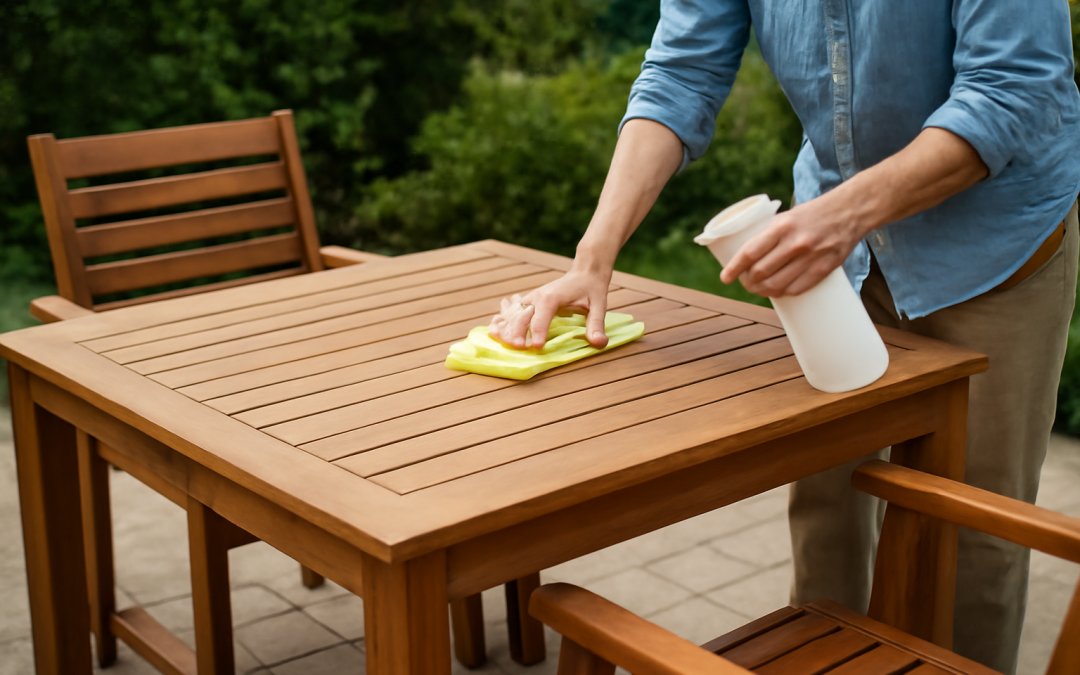
Wooden outdoor furniture, known for its natural beauty and warmth, is often a focal point in many outdoor settings. However, wood is particularly vulnerable to the elements and demands thorough and consistent care. Teak, cedar, and eucalyptus are popular hardwoods that resist rot better than softwoods, but even these require seasonal treatments. Annual or biannual applications of sealant or oil can help preserve the wood’s natural oils and shield it from drying out. Before applying treatments, gently cleaning the wood with a mild detergent solution and a soft brush can remove dirt and debris without damaging the surface. Avoid harsh chemicals as these can strip the wood and leave it more vulnerable to damage.
For maintaining metal outdoor furniture, understanding the type of metal is crucial. Aluminum, wrought iron, stainless steel, and galvanized steel are common metals used for outdoor pieces, each with specific care needs. Aluminum is lightweight and resistant to rust, but it can corrode and fade without cleaning. Wrought iron is prone to rusting if paint or powder coating is chipped, so inspecting edges and joints regularly is essential. Rust spots should be promptly treated by sanding and repainting with rust-inhibiting paint to prevent further damage. Stainless steel and galvanized steel typically resist corrosion better but can still lose their shine or collect grime, which can be removed with gentle cleaners and soft cloths.
Plastic and resin furniture is appreciated for its affordability and low maintenance nature but still requires care to retain its appearance. UV exposure can cause plastic materials to become brittle and fade over time, leading to cracking or dullness. Cleaning plastic furniture with soap and water is usually sufficient, but applying protectant sprays designed for plastics can help extend their life by blocking harmful rays. Resin wicker, a synthetic alternative to natural wicker, should be handled carefully during cleaning to avoid unraveling or breaking the weave. Using a soft brush to remove dirt and debris and rinsing with a garden hose after cleaning can keep the furniture looking fresh and ready for use.
Outdoor cushions, pillows, and upholstery add comfort and style but are some of the most vulnerable elements of outdoor furniture. The fabrics often suffer from fading, mildew, and staining due to continuous weather exposure. Regular cleaning and appropriate storage are paramount. Most outdoor cushions are made from fade-resistant polyester or acrylic fabrics, which can be cleaned with mild detergent and water. However, daily maintenance, such as brushing off dirt and fluffing cushions, helps keep them in good shape. When possible, cushions should be stored indoors or in waterproof storage boxes during heavy rain or winter months. Applying fabric protectors that guard against water and stains can also preserve the look and feel of these textiles over time.
Seasonal care is another critical factor in maintaining outdoor furniture for long-term use. The transitions between seasons often bring drastic changes in weather that can affect furniture condition. In winter, freezing temperatures combined with moisture can cause wood to crack and metal to rust. It is best to store furniture indoors or cover it with breathable, waterproof covers to prevent damage. Covers protect against precipitation and debris but should allow for air circulation to avoid trapping moisture underneath, which can accelerate deterioration. Regularly checking the furniture under covers and removing accumulated debris will ensure the pieces stay in good condition.
Beyond material-specific care, there are general practices that help extend the life of outdoor furniture significantly. Keeping furniture clean is fundamental, as dirt and organic matter can enhance moisture retention and foster mold growth. Timely cleaning with mild soap and water helps reduce this risk. Checking joints, screws, and fittings periodically and tightening them prevents wobbly or unstable furniture, which can cause premature wear or accidents. Additionally, repositioning furniture away from direct sunlight whenever possible reduces UV exposure and fading. When not in use, placing furniture in shaded areas can greatly slow down fading and material degradation.
Proper storage during off-seasons or extended periods of non-use cannot be overlooked. Outdoor furniture left exposed to harsh elements year-round deteriorates more quickly. Whenever space and circumstances allow, storing furniture indoors during harsh weather seasons vastly improves longevity. If indoor storage is not feasible, investing in high-quality covers specifically made for outdoor furniture is a worthwhile compromise. These covers should be durable, waterproof yet breathable, fitting snugly to offer effective protection against moisture, dust, and insects.
One often ignored aspect of maintaining outdoor furniture for long-term use is addressing pest control. Certain types of wood furniture can attract wood-boring insects or termites, while fabrics can harbor insects or become breeding grounds for mold and mildew microorganisms. Periodic inspections to detect signs of pest activity are crucial. For wooden furniture, professional treatments or natural repellents can be applied to ward off wood pests early. For upholstery and cushions, regular airing out and cleaning prevent mold spores and insect infestations from taking hold.
Environmental factors unique to certain geographic locations may also affect maintenance routines. Coastal areas, for example, present the challenge of salt air, which accelerates corrosion on metal furniture and can break down finishes more quickly. Near-forest or heavily wooded environments may contribute to moss, pollen, and sap build-up on furniture surfaces. In these cases, maintenance may include more frequent cleanings and the use of specialized protective coatings or rust inhibitors. Understanding your local climate and how it affects outdoor materials helps develop a targeted and effective maintenance strategy.
In addition to maintenance, selecting the right furniture pieces at the outset lays a foundation for longevity. Materials like high-quality treated hardwoods, powder-coated metals, and UV-resistant fabrics generally require less frequent repairs and last longer under tough conditions. Investing in furniture with weather-resistant finishes and sturdy construction helps reduce overall upkeep and ensures a better return on investment. Design elements that allow easy disassembly and replacement of parts also facilitate maintenance, as worn cushions or rusted screws can be changed without needing to replace entire sets.
Another important aspect to consider is the use of protective accessories. Umbrellas, awnings, and pergolas can provide shade and shelter that protect furniture from direct exposure to sun, rain, and falling debris. These elements not only enhance comfort for users but also shield furniture surfaces from intensive wear. In outdoor dining settings, table covers guard tabletops against scratches and stains during use and storage. Investing in quality covers and accessories can reduce the frequency and intensity of necessary maintenance.
Water management around outdoor furniture plays an integral role in preserving its condition. Ensuring that furniture is placed in well-draining areas helps avoid water pooling underneath, which can cause wood swelling and rusting of metal components. Avoid placing furniture directly on soil or grass, as this increases exposure to moisture and insects. Employing patio mats or pavers under furniture legs can provide a dry, stable foundation that lessens the risk of deterioration. Additionally, promptly wiping off rainwater or spills prevents water damage and mold growth.
Incorporating sustainable cleaning and maintenance products is a smart approach for environmentally-conscious users. Many traditional cleaners contain harsh chemicals that can be harmful to both the environment and the furniture materials. Choosing biodegradable, non-toxic cleaning agents ensures the safety of surrounding plants and soil and reduces personal exposure to irritants. Natural oils and waxes can be used on wooden furniture to keep it conditioned without synthetic additives. Regularly replenishing protective finishes using eco-friendly products helps balance effective maintenance and environmental responsibility.
To keep outdoor furniture looking vibrant, periodic refinishing or repainting may be necessary. Weather exposure can wear away original coatings and finishes on various materials. For wooden furniture, sanding down rough or weathered spots before reapplying oil or sealant restores natural beauty and prevents cracking. Metal furniture benefits from removing rust and repainting with appropriate outdoor metal paint or powder coatings that inhibit corrosion. Painted plastic furniture may require mild polishing or specific plastic care products to refresh the surface and reduce fading. Though this may seem like a more involved step, refinishing significantly extends furniture life and revives appearance.
Ultimately, the key to maintaining outdoor furniture for long-term use is a commitment to proactive care and vigilance. Regularly inspecting for signs of damage such as cracks, rust, stains, or mildew, and addressing these promptly prevents small issues from becoming costly repairs. Prioritizing seasonal cleaning, protective treatments, and proper storage shields furniture against the harshest elements. Thoughtful placement and use of accessories further safeguard investment in outdoor living spaces.
The satisfaction of opening the doors to a tidy, resilient outdoor furniture set ready for relaxation or entertaining is well worth the effort invested. By incorporating consistent care routines and paying attention to material-specific needs, furniture can retain its charm, strength, and functionality for many years. This foresight allows outdoor spaces to remain inviting retreats through every season, providing both comfort and enduring enjoyment.