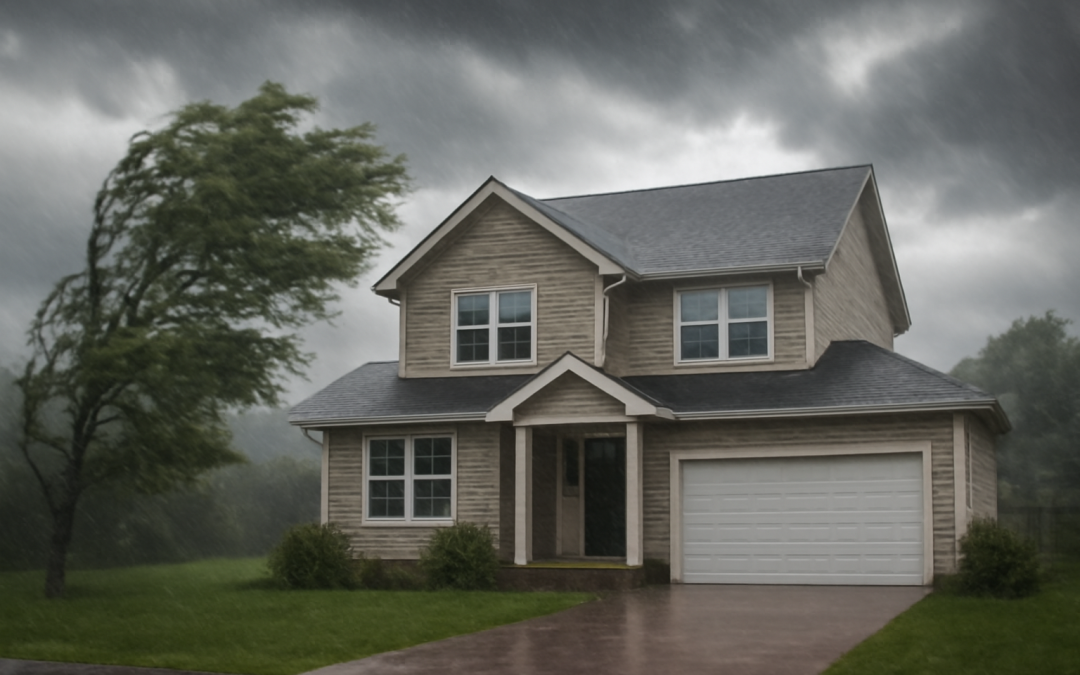
Weather has an undeniable influence on every home, shaping its durability, comfort, and safety. From the blistering heat of summer to the biting cold of winter, from steady rains to forceful storms, the elements constantly interact with our living spaces. Understanding how weather impacts your home can empower you to take proactive steps to protect your property, prevent costly repairs, and maintain a comfortable environment for your family year-round.
One of the most obvious ways weather affects a home is through temperature fluctuations. Extreme heat can cause roofing materials, particularly asphalt shingles, to crack, warp, or lose granules, reducing their effectiveness. Prolonged exposure to intense sunlight can also fade paint and cause wooden siding to dry out and split. Conversely, freezing temperatures pose the risk of ice dams forming on roofs, which can trap water and cause leaks. Additionally, repeated freeze-thaw cycles can deteriorate masonry and concrete, leading to cracks in foundations, walls, and driveways.
Humidity is another critical factor in weather’s impact on homes. High humidity levels, especially prevalent in warm climates or during the summer months, can lead to the growth of mold and mildew inside walls, basements, and attics. These fungi thrive in moist conditions and, beyond damaging building materials, pose health risks to occupants. In contrast, cold, dry air during winter can cause wood to contract and become brittle, increasing the chances of indoor shrinkage cracks in walls and ceilings. Proper ventilation and humidity control are essential to mitigating these issues.
Rainfall, often underestimated in its effects, is a leading cause of home deterioration. Heavy or persistent rain can lead to water intrusion through damaged roofs, cracked windows, or poorly sealed doors. Over time, excessive moisture can rot wooden structures, compromise insulation, and result in mold infestation. Additionally, saturated soil around a home’s foundation can exert pressure on the walls, potentially causing foundation cracks or even shifts. Grading the landscape properly so that water drains away from the house and maintaining gutters and downspouts can significantly reduce water-related damage.
Wind is another powerful weather element that can damage homes, particularly during storms or hurricanes. High winds can lift or tear off roof shingles, dislodge siding, and break windows. Flying debris propelled by strong gusts can further harm a home’s exterior and threaten the safety of occupants. Even moderate winds, over time, can lead to wear on exterior surfaces and fittings. Installing impact-resistant windows and reinforcing roofing can enhance a home’s resilience against wind damage.
Snow and ice present unique challenges in colder climates. Accumulated snow adds weight to roofs, which can be dangerous if the load exceeds design specifications. Ice buildup, particularly in gutters and eaves, may cause ice dams that trap melting water, allowing it to seep into the attic or walls. This trapped moisture can cause wood rot, promote mold growth, and damage insulation. Regular snow removal from roofs and ensuring proper attic insulation and ventilation are vital preventative measures.
Storms that combine multiple weather factors such as torrential rain, strong winds, and lightning can be particularly destructive. Lightning strikes may ignite fires, while stormwater runoff can flood basements or crawl spaces. Flooding not only damages structural components but also the electrical system, heating equipment, and personal belongings. Implementing flood barriers, installing sump pumps, and elevating electrical systems in flood-prone areas are effective ways to combat such hazards.
Sun exposure, while seemingly benign compared to storms or rain, gradually wears down many areas of a home’s exterior. UV rays break down paint, leading to peeling and the need for frequent repainting. They also accelerate the aging of vinyl and plastic components such as window frames and siding. Over time, this degradation can allow moisture intrusion or make repairs more costly. Applying UV-resistant coatings to exposed surfaces and choosing durable, weather-resistant materials can help prolong a home’s exterior life.
Heating and cooling systems themselves are influenced by weather conditions. Extreme temperatures force these systems to work harder, raising energy consumption and increasing wear and tear. Poor insulation or drafts condition the interior environment less efficiently, compounding energy costs while denying comfort. Proper insulation, energy-efficient windows, and weather stripping are crucial in maintaining indoor comfort no matter the season.
The effects of weather often extend beyond physical damage to the home’s landscape and surrounding structures. Heavy rains can wash away soil, destabilizing trees and plants, some of which may fall and damage the house or other property elements. Droughts stress trees, causing limbs to become brittle and fall unexpectedly. Regular landscaping maintenance, including proper drainage and healthy tree care, can reduce these risks.
Beyond the home itself, weather also impacts essential home systems such as plumbing and drainage. Pipes exposed to freezing temperatures can burst, leading to costly water damage and repairs. Similarly, clogged gutters and drainage systems impaired by leaves, ice, or debris reduce their ability to divert water away from the home. Routine inspection and maintenance of these systems are indispensable in preventing weather-related failures.
Air quality within the home can also be influenced by weather. For instance, during times of high pollen counts, opening windows can introduce allergens, while damp conditions facilitate mold spores indoors. Weather conditions often dictate when and how homeowners ventilate their houses to balance fresh air intake and health considerations. Installing air purifiers and mechanical ventilation systems can help maintain healthy indoor air despite external weather challenges.
Adapting a home to withstand adverse weather conditions requires a multi-pronged approach. Investing in high-quality, weather-resistant materials during construction or renovation can pay dividends in durability and reduced maintenance costs. Routine inspections, especially after severe weather events, allow homeowners to catch and repair minor issues before they escalate. Simple measures such as sealing cracks, maintaining roof integrity, and checking drainage systems dramatically reduce vulnerability to weather damage.
Climate patterns are evolving, with extreme weather events becoming more frequent and severe in many regions. This reality necessitates heightened awareness and preparedness. Homeowners should assess their home’s exposure to local weather risks and adjust their maintenance and improvement plans accordingly. For example, in areas susceptible to hurricanes, reinforcing garage doors and installing storm shutters increases safety and minimizes damage. In regions prone to heavy snowfall, reinforcing roofs or installing heated cables in gutters can prevent ice dam formation.
Energy efficiency and weather resilience often go hand in hand. Enhancing a home’s insulation and sealing air leaks reduce heating and cooling demands, thus mitigating the financial impact of temperature extremes. Upgrading to energy-efficient windows and doors improves comfort while offering additional protection against intrusion by wind and rain. Smart thermostats and weather-sealed exterior appliances further optimize energy use while maintaining indoor conditions.
Weather also influences landscaping choices that support the home’s protection. Trees and shrubs can act as windbreaks, reducing wind pressure on the house, and help shade the home during hot months, cutting cooling costs. However, they must be strategically placed to avoid roots interfering with foundations or branches injuring roofs during storms. Ground cover plants can prevent soil erosion caused by heavy rains and floods, helping stabilize the area around the home.
Insurance considerations are a critical part of preparing a home against weather impacts. Many policies have specific coverage related to weather events, such as flood or windstorm damage. Understanding the scope and limitations of your insurance policy can influence decisions about home improvements or protective installations. Some insurers offer premium discounts for homes equipped with storm-resistant features or updated electrical and plumbing systems designed to weather local climate challenges.
Regular maintenance is arguably the most important factor in minimizing weather-related damage. Seasonal inspections for roof damage, gutter clearance, window seals, and foundation cracks can uncover vulnerabilities early. Checking that drainage systems direct water away from the home is essential in wet seasons. Clearing debris and ensuring that external systems are functioning properly prevents many weather-induced problems before they begin.
During extreme weather events, preparedness extends beyond the physical structure to include safety protocols and emergency supplies. Securing loose outdoor items, reinforcing doors and windows, and having a plan for evacuation if necessary protect both home and occupants. Installing backup power systems like generators can maintain essential functions during power outages often caused by storms or severe weather.
Modern technology provides homeowners with additional tools to monitor and react to weather impacts. Weather sensors and smart home systems can alert you to environmental changes, potential leaks, or structural shifts. These innovations enhance the ability to take timely action, preventing small issues from becoming disasters. In cold climates, automated systems can detect freezing temperatures and activate pipe heating elements to prevent bursts.
In conclusion, while weather poses a variety of challenges to the integrity and comfort of any home, understanding these impacts enables homeowners to take effective countermeasures. Proactive maintenance, strategic upgrades, and sensible landscaping can significantly reduce vulnerability to temperature extremes, moisture intrusion, wind damage, and other weather-related issues. By aligning home care practices with local climate realities and anticipating evolving weather patterns, it is possible to safeguard your home’s value, safety, and livability for years to come.