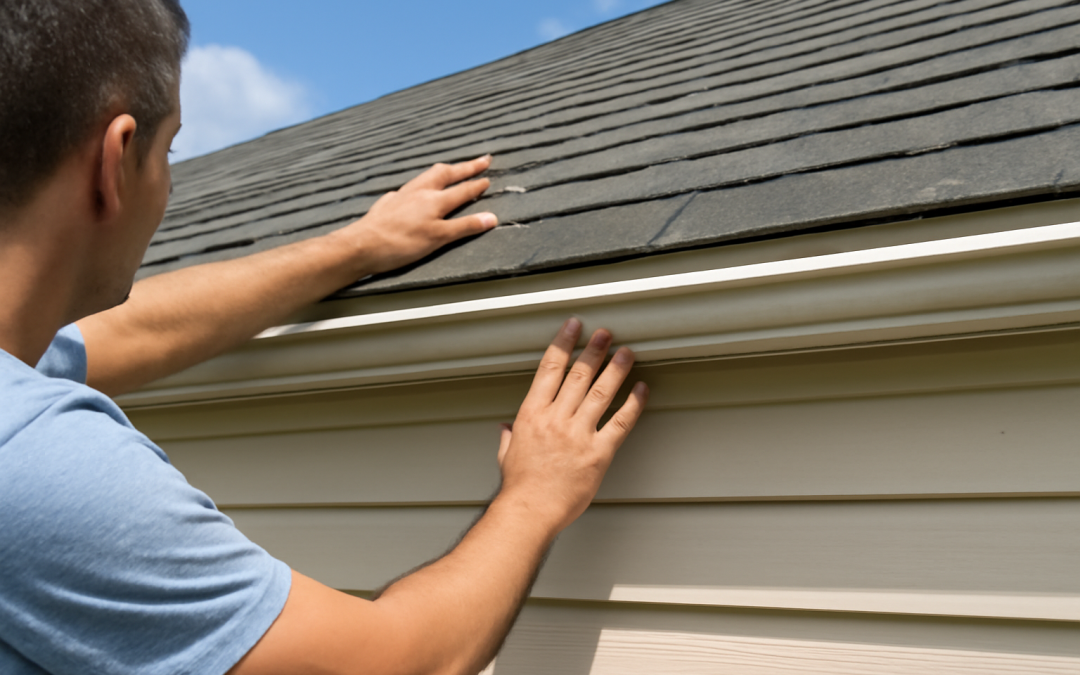
As the warmth of summer reaches its peak, many homeowners overlook the importance of inspecting their roof and siding for potential damage caused by the season’s harsh conditions. Extended exposure to intense heat, sudden thunderstorms, strong winds, and even the persistence of UV rays can do a number on the protective layers of a home’s exterior. The combination of these elements not only affects the aesthetic appeal but can also compromise the structural integrity of both the roof and siding. Thoroughly checking your roof and siding for summer damage is essential to avoid costly repairs down the line and to ensure the safety and comfort of your household.
During summer, roofs bear the brunt of “heat stress,” which results from prolonged direct sunlight and elevated temperatures. This heat causes roofing materials such as asphalt shingles to become brittle and more susceptible to cracking or curling. In addition to heat stress, sudden summer storms bring heavy rain and high winds that can loosen or even tear off shingles, creating openings for water to seep through and damage the underlying roof deck. Roof flashing around chimneys, vents, and skylights also becomes vulnerable during this time, as the constant expansion and contraction from temperature fluctuations can cause gaps or weakening in the seals. These minor damages can be difficult to spot initially but often lead to significant leaks, mold growth, and deterioration if left unchecked.
Siding is not exempt from summer’s damaging effects. The materials that protect your home’s exterior walls, whether vinyl, wood, stucco, or fiber cement, all react differently to environmental stressors. Vinyl siding, for instance, can warp or buckle under the intense heat, especially if it is improperly installed or lacks expansion gaps. Wood siding, on the other hand, can dry out and crack due to low humidity and sustained exposure to the sun, leading to peeling paint and increased susceptibility to insect infestation. Stucco can develop cracks during hot weather, especially if there has been any recent construction or settling of the house. Even fiber cement siding, often regarded as more durable, can suffer minor surface damage that worsens if moisture finds its way into those areas. Carefully checking your roof and siding for summer damage involves watching for these signs and understanding their long-term implications.
Water is one of the most destructive elements affecting exterior home components during summer thunderstorms. Even if the rain comes in short bursts, the force of heavy rainfall can tear off loose shingles or loosen siding panels. More importantly, water can infiltrate any weak spots caused by previous damage or weathering. Over time, water seepage can lead to wood rot in roof decking or framing, promote mold and mildew growth inside walls, and cause insulation to degrade. After intense storms, it is critical to conduct a thorough inspection to identify any new openings or compromised seals that might allow water penetration. This reduces the risk of hidden damage that becomes more apparent only during the colder months when additional moisture can encourage further deterioration.
In addition to visual inspection, maintaining proper functionality is a critical part of checking your roof and siding for summer damage. Gutters and downspouts, although not technically part of the siding or roof, play a vital role in diverting water away from your home’s foundation. Blocked or damaged gutters can cause water to overflow and saturate the siding and roof edges, accelerating decay. Ensuring gutters are clear of debris and securely attached after summer storms can help prevent water pooling and subsequent issues such as erosion or interior leakage. Moreover, roof vents and exhaust fans should be checked for any obstructions or damage that could interfere with attic ventilation. Proper ventilation is especially important during summer because it reduces heat buildup in the attic, thereby alleviating unnecessary strain on roofing materials.
When inspecting your roof and siding, attention to detail makes all the difference. Start your examination by first using binoculars to observe from a distance, focusing on the uniformity and condition of shingles. Look for missing or cracked shingles, lifting edges, granule loss, or any discoloration, which may signal the presence of algae or moss. For siding, search for warping, loose panels, or visible cracks and holes. In some cases, damage might be subtle, such as small nail pops in vinyl siding or damaged caulking around windows and doors, which often go unnoticed but warrant prompt repair. If accessible and safe, consider climbing a ladder to perform a closer inspection, but always prioritize safety over thoroughness.
The summer season’s high temperatures can also affect the sealants and caulking around windows, doors, and siding joints. These materials can dry out and crack, allowing moisture and insects to penetrate walls. It is essential to evaluate the condition of all seals and reapply caulking or weather-stripping as needed to maintain your home’s airtightness and weather resistance. Poor sealing also contributes to higher energy costs by allowing cool air to escape and warm air to enter the home, placing additional strain on air conditioning systems. Keeping up with these minor but crucial repairs helps maintain both your home’s comfort and its structural health.
Another important factor to consider during a summer roof and siding inspection is the condition of the soffits and fascia boards. These components protect your roofline and attic ventilation openings. Intense sun exposure and sudden moisture can cause them to rot or peel paint, reducing their effectiveness. Damaged fascia boards may cause gutters to loosen, while deteriorated soffits can limit the proper airflow needed to prevent moisture buildup in the attic. Detecting any signs of wood rot, insect damage, or paint failure early can save you from more expensive repairs or replacement later in the year.
Pest activity tends to increase with summer’s warmth, and damaged or vulnerable areas of siding and roofing can become prime entry points. Termites, carpenter ants, and other wood-boring insects are particularly attracted to dry and cracked wood, while rodents may seek shelter in gaps or holes left by missing or loose siding panels. Inspecting for signs of pest infestation—such as tiny holes, sawdust, droppings, or chewed wood—during your summer assessment adds another layer of protection. Promptly addressing pest issues protects not only your exterior materials but also the overall structural framework of your home.
While some homeowners may feel confident performing these inspections themselves, calling a professional roofing or siding contractor for a detailed evaluation is often wise, especially after significant summer storms. Professionals bring specialized equipment and experience that can uncover issues that are not obvious to an untrained eye. They can also provide advice on preventative maintenance tailored to your home’s specific needs, whether that involves routine cleaning, protective coatings, or even replacement of severely damaged sections. Investing in professional inspections can improve the lifespan of your roof and siding, ensuring your home withstands not only the remainder of the summer but the entire year ahead.
Routine cleaning of your roof and siding should accompany inspections to minimize summer damage and prepare your home for the changing seasons. Removing debris such as leaves, branches, and dirt prevents moisture retention that promotes mold and mildew growth. Cleaning also preserves the visual appeal of your home and allows you to spot issues that need immediate attention. While power washing can be effective for certain siding types, caution is necessary to avoid causing more harm, especially with older or delicate materials. Follow manufacturer guidelines and use gentle techniques to maintain your home’s exterior integrity.
In areas where summer heat is particularly intense, applying a reflective roof coating can significantly reduce thermal stress on your roofing materials. These coatings reflect sunlight and decrease the roof surface temperature, thereby preventing premature aging and damage caused by constant heat exposure. Similarly, maintaining finished and sealed siding surfaces protects against moisture penetration and fading from UV rays. Painting or staining wood siding every few years strengthens its durability and provides an extra layer of defense against the summer elements.
An often-overlooked aspect of checking your roof and siding for summer damage is assessing the attic and interior walls for related problems. Even with a well-maintained exterior, small cracks or damaged seals can result in leaks and moisture intrusion inside your home. Signs such as water stains on ceilings, musty odors, worsening indoor air quality, or peeling paint on interior walls indicate possible exterior damage that requires immediate attention. Performing a walkthrough inside your home after inspecting the exterior provides a comprehensive picture of your property’s condition and helps prioritize repairs.
Homeowners who regularly monitor their roof and siding throughout the summer not only save money on costly repairs but also enhance the overall value and comfort of their residence. Maintaining the protective exterior components preserves the energy efficiency of the home, reduces the risk of structural damage, and keeps the property’s curb appeal intact. Some insurance policies may also require documented maintenance, so scheduled inspections serve as proof of responsible upkeep, which can be beneficial in the event of a claim. Cultivating a habit of seasonal home maintenance ensures that you are well-prepared to face the challenges brought by extreme weather and aging materials.
In conclusion, the summer season intensifies numerous environmental factors that threaten the durability of both your roof and siding. Carefully checking for summer damage is a proactive step toward safeguarding your home against heat stress, storm impact, water infiltration, pest invasion, and gradual material deterioration. Regular, detailed inspections, timely maintenance, and professional evaluations work together to preserve your home’s exterior health and beauty. By staying vigilant during the warmer months, homeowners ensure that their property remains strong, safe, and attractive for many years to come.