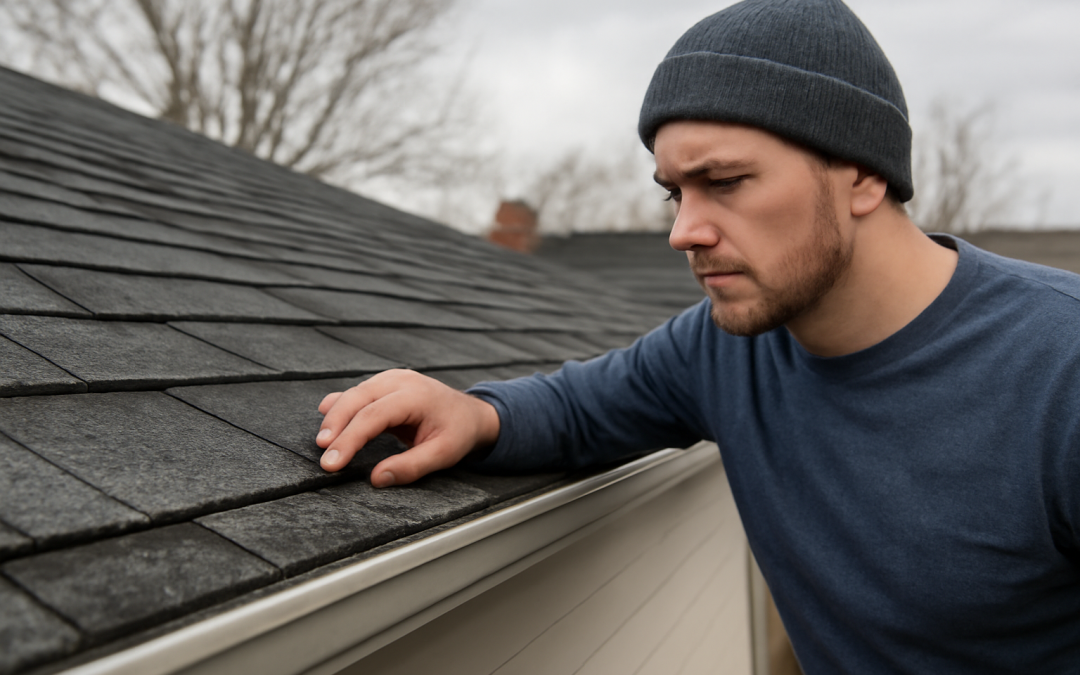
The harshness of winter can take a serious toll on your roof, even if damage isn’t immediately visible from the ground. As the snow melts and the chill subsides, it’s crucial to conduct a thorough inspection to identify any potential problems early. Doing so not only ensures the longevity of your roof but also protects the entire structure and interior of your home from more extensive damage down the line. When inspecting your roof after winter, knowing precisely what to look for can save you time, money, and stress.
One of the most common issues caused by winter weather is the presence of ice dams. These form when heat from your home melts snow on the roof, which then refreezes at the colder edges, creating barriers that prevent proper drainage. Water trapped behind ice dams can seep under shingles and cause leaks, leading to water damage inside your home. Look for signs such as dark stains on the roofing, which might indicate water infiltration, or visible ice build-up along eaves and gutters. It’s also important to inspect gutters themselves for ice-related deformities or blockages caused by debris trapped beneath the ice.
Snow and ice accumulation during the winter months can also lead to structural damage. The weight of heavy snow can stress rafters and trusses, especially if the snow sits for extended periods or turns into compacted ice. When checking your attic space, look for any sagging, cracked, or bowed wood that could indicate roof stress. Additionally, inspect ceiling areas beneath the roof for signs of water intrusion like discoloration, peeling paint, or mold, as these can be indicators of leaks caused by compromised roofing materials.
Shingle damage is another widespread concern after a winter season. Freezing and thawing cycles cause roofing materials to expand and contract, which may loosen, crack, or curl shingles. Missing or damaged shingles leave your home vulnerable to rain and wind penetration. Standing on a safe ladder or using binoculars, examine the shingles for granule loss as this wear can shorten the lifespan of the roof. Shingles that look brittle, curled at the edges, or missing altogether should be replaced promptly to avoid further issues.
The flashing around roof penetrations—such as chimneys, vents, and skylights—also warrants close attention. Flashing is designed to keep water from entering at vulnerable joints, but if it becomes corroded, loose, or cracked due to freeze-thaw cycles, it can allow water to penetrate the roof decking. Inspect these areas closely, checking for rust, gaps, or deteriorated sealant. Re-sealing or replacing damaged flashing can prevent serious leaks that often go unnoticed until significant interior damage occurs.
Moss and algae growth can be exacerbated by winter moisture lingering on shaded parts of the roof. While it might seem harmless, moss traps water against the roof surface and can accelerate deterioration of shingles. After winter, inspect the roof for any green or black streaks, particularly in damp, shaded areas. Carefully removing moss and algae is vital not only for roof aesthetics but also for maintaining the integrity of roofing materials, as left untreated, it can lead to premature roof aging.
Checking the attic for signs of poor ventilation or insulation problems is also essential after winter. Inadequate ventilation can cause condensation, which may lead to mold growth or wood rot in attic spaces. Look for signs of moisture accumulation like damp insulation or rusted nails that have been exposed to excessive humidity. Ensuring proper airflow and upgrading insulation if necessary helps maintain stable roof temperatures and prevents future ice dams and moisture issues.
Downspouts and drainage systems are another critical area to examine. Winter debris, ice, and even small animal nests can block drainage paths, causing water to back up and potentially damage both roof and siding. Walk around your property inspecting gutters and downspouts for proper alignment and flow. Clearing debris and repairing any broken sections ensures water is quickly directed away from your home’s foundation, preventing costly water damage both inside and out.
Flashings and roof valleys, which direct water into gutters, are especially vulnerable during ice and snow seasons. Examine these carefully for any signs of wear or damage. These areas can collect moisture if not functioning correctly, leading to rot or leaks. Considering how important these components are for proper water drainage, any indication of failure should be addressed promptly with repairs or replacement.
If you had significant snowfall or ice accumulation, it’s advisable to look for any signs of roof puncture or impact damage. Falling branches or ice chunks can crack or displace shingles, leaving your roof exposed to the elements. Inspect for any oddly shaped missing pieces or dents that didn’t exist before winter. Addressing these quickly can diminish the risk of water infiltration during spring rains.
In addition to physical inspection, paying attention to your home’s interior can reveal hidden roof problems. After winter, check ceilings and walls for new stains, bubbling paint, peeling wallpaper, or unusual musty odors. These symptoms may indicate that moisture has penetrated your roof and is causing damage not immediately visible outside. Early detection can be the difference between a minor roof repair and a costly interior renovation.
For homeowners who live in regions prone to fluctuating temperatures, rubber flashings and sealants around vents and chimneys may have suffered from repeated expansion and contraction. If flexibility is lost or cracks have appeared, these seals will no longer prevent water intrusion effectively. Ensuring these areas are flexible and intact after the winter is essential for sustained health of the roof.
Winter storms may also disturb rooftop equipment, including satellite dishes, solar panels, antennas, or HVAC units mounted on the roof. Check whether any equipment has shifted or if mounting brackets have loosened during winter weather. Loose attachments can cause damage to both the equipment and the roof surface while also posing a safety hazard during high winds or storms.
Inspecting roof vents after winter is equally important. Vents allow proper ventilation of attic spaces, preventing condensation buildup and encouraging energy efficiency. Birds or small wildlife sometimes nest in or around vents, blocking airflow. Look for any obstructions or signs of tampering that might reduce ventilation performance, and clear as needed to maintain a dry attic environment.
When performing an inspection after winter, it’s often best to document any findings with detailed photographs. This record can be useful for insurance claims if damage is substantial, or when consulting with roofing professionals for repairs. Before making any repair decisions, it’s wise to compare photos from before and after the winter season for clear evidence of damage.
While many minor repairs can be managed by a homeowner comfortable with DIY tasks, extensive damage or structural concerns require timely professional evaluation. Licensed roofing contractors can offer more comprehensive assessments using specialized equipment, ensuring that hidden problems do not go unnoticed. Investing in a professional inspection can be a prudent step toward protecting your home’s value and integrity after a challenging winter.
Paying close attention to your roof after winter involves more than just a quick glance. A systematic review of all components—from shingles and flashing to gutters, attic spaces, and rooftop equipment—helps pinpoint weaknesses before they escalate. Prioritizing issues detected during this inspection can prevent costly emergency repairs and maintain the overall health of your home.
Even if damage is not immediately apparent, it’s important to remain vigilant during the early months of spring. Rapid snowmelt paired with spring rains can expose vulnerabilities created or worsened by winter conditions. Regular monitoring during this period is crucial to catching leaks or deterioration early on, when solutions will be simpler and less expensive.
Taking the time to inspect your roof thoroughly after winter also serves to extend its lifespan. Consistent maintenance and timely interventions allow your roof to withstand future weather challenges more resiliently. In the long run, this proactive approach will save both stress and expenditures by avoiding premature roof replacement.
Ultimately, your roof is your home’s primary defense against the elements, and its condition reflects how well you preserve your investment. By promptly and carefully inspecting for winter-related damage, you protect your family’s comfort, your property’s safety, and your peace of mind throughout the upcoming seasons. The effort and attention devoted to this post-winter checkup are invaluable for securing the home’s future stability and value.