Summer is the perfect season to enjoy the great outdoors, especially when it involves spending time on your deck or patio. These areas become natural extensions of your living space, serving as spots for social gatherings, quiet relaxation, and family meals under the sun. However, the increased use and exposure to heat, sunlight, and occasional summer storms can take a toll on the surfaces, materials, and structures that comprise these outdoor spaces. Maintaining decks and patios in summer is essential not only to preserve their aesthetic appeal but also to ensure their safety and longevity. Understanding the best practices for cleaning, sealing, and protecting these spaces can make all the difference in keeping them inviting and functional throughout the hottest months and beyond.
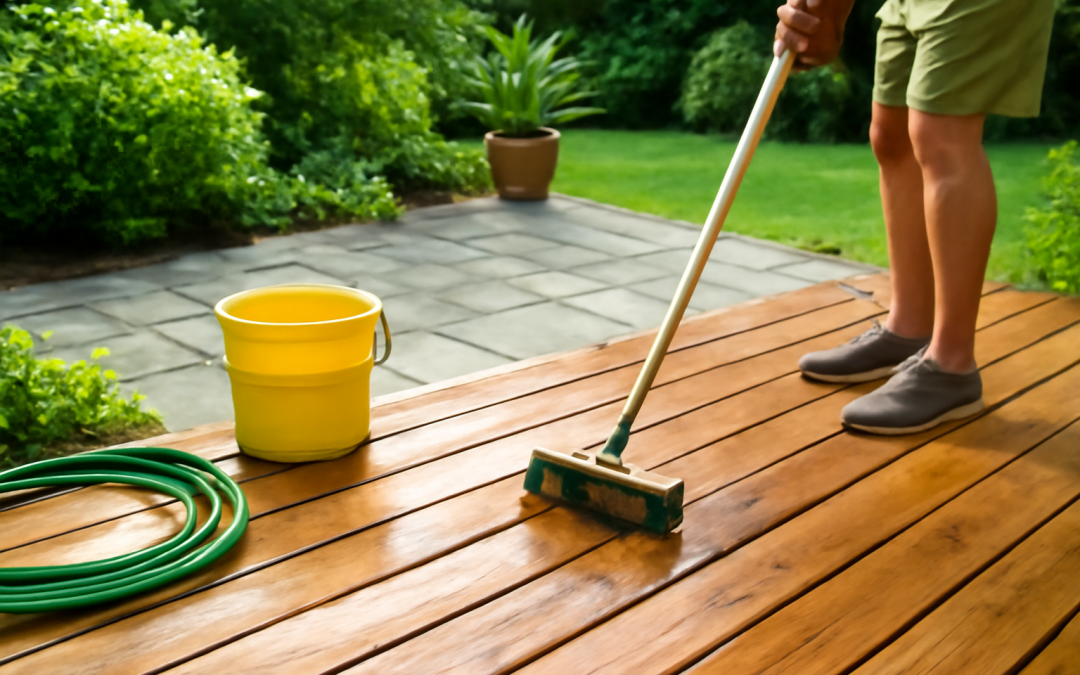
One of the first steps in caring for decks and patios in the summer months is regular cleaning. Dirt, pollen, leaves, and other debris accumulate more rapidly during this season due to the higher foot traffic and natural environmental factors. For wooden decks, surface cleaning should begin with sweeping away loose dirt and leaves using a soft-bristled broom. This prevents scratches caused by grit and reduces the chance of mold and mildew growth. A more thorough wash will often involve a mild detergent—preferably one designed for outdoor wood care—and a soft brush. Power washing can be an option but must be done carefully to avoid damage to the wood fibers. When treating composite decks, gentle cleaning agents and low-pressure rinsing are recommended to avoid discoloration and deterioration.
Patios constructed from stone, brick, or concrete also require attention during summer upkeep. Sweeping away debris is just the first step here. Periodic washing with water and a gentle detergent helps prevent stains from food, drinks, or bird droppings that can mar the surface over time. Many natural stone patios benefit from a monthly rinse to reduce dust and pollen buildup that can dull their natural luster. In addition, hard-to-remove stains may sometimes require specialized cleaners formulated for specific types of stone or masonry to avoid corrosive effects. Whether wood or masonry, timely cleaning during summer can significantly reduce wear and discoloration while preserving the material’s original beauty.
After cleaning, many wood deck owners focus on sealing or staining to protect against the harsh summer sun and sporadic rainfall typical of the season. The ultraviolet (UV) rays can break down the lignin in wood, causing the surface to fade, crack, and splinter. Applying a high-quality water-repellent sealant or UV-protective stain not only enhances the wood’s appearance but also acts as a barrier against moisture absorption. It’s important to apply these treatments during dry periods when no rain is expected for at least 24-48 hours; otherwise, the sealant may not bond properly. Reapplication frequency depends on the product used but is generally recommended every two to three years. With proper sealing, decks resist swelling, warping, and fungal infections, all common issues aggravated by summer weather.
In contrast, concrete and stone patios usually don’t require frequent sealing like wood decks; however, periodic sealing every few years can help prevent water infiltration and reduce the risk of cracks due to expansion and contraction under hot sun. Sealants specific to masonry and concrete are breathable, allowing moisture vapor to escape while blocking water and stains from penetrating. This is especially crucial in climates with intense summer heat, where concrete surfaces can expand during the day and contract at night, leading to surface stress and potential damage. Proper sealing thus acts as a preventative measure, preserving the patio’s structural integrity while making it easier to clean.
Besides cleaning and sealing, routine inspection is a vital part of summer maintenance. Checking for loose boards, protruding nails, splintered edges, or cracked pavers can prevent accidents and costly repairs later. With outdoor surfaces exposed to shifting temperatures and occasional harsh weather, nails and screws may loosen, and natural materials can degrade. Early identification of these issues allows for timely repairs that improve both safety and aesthetics. For wooden decks, tightening fasteners and sanding down rough spots can make the surface safer for barefoot walking. For concrete or stone patios, replacing or resetting loose pavers helps maintain a level surface that is less susceptible to tripping hazards.
Another frequently overlooked aspect of summer deck and patio upkeep is controlling pest activity. Summer’s warmth creates an ideal environment for insects such as ants, termites, and carpenter bees, which can damage wooden structures if left unchecked. Carpenter bees, for example, bore holes into untreated wood, weakening decks over time. Using appropriate insect repellents and treatments designed for outdoor furniture and woodwork can minimize infestations. Ensuring debris like wood piles, leaves, and standing water are cleared from around the deck or patio also reduces places where pests can breed or hide. Regular monitoring for signs of damage or pest presence is crucial, especially during the warmer months when insect activity peaks.
Proper furniture care is another consideration when maintaining decks and patios in summer. Outdoor furniture often faces the same environmental stresses as the decks or patios themselves, from UV radiation to sudden rain showers. Wooden furniture may need periodic cleaning and reapplication of protective finishes to prevent cracking and fading. Metal furniture, especially wrought iron or aluminum, can rust or corrode over time if not properly cared for. Using covers or moving furniture into shaded areas when not in use can extend their lifespan. Fabric cushions and pillows require regular washing and proper storage to prevent mold and mildew growth, which can be rampant during summer’s humid conditions.
Landscaping around the deck and patio also plays an indirect role in maintenance. Trees and shrubs provide shade that can reduce the harsh impact of direct sunlight, potentially extending the life of wooden materials and making outdoor living more comfortable. However, overhanging branches may drop sap, leaves, or flowers that stain surfaces and encourage mold growth. It’s helpful to regularly trim vegetation to reduce debris accumulation and improve air circulation around the structure. In addition, ensuring proper drainage around patios and decks prevents water pooling that can cause long-term damage to foundations and the surfaces themselves.
Water management cannot be stressed enough during summer maintenance efforts. While summer is typically a drier season, summer storms and sudden downpours can deliver significant amounts of water in a short time. Gutters, downspouts, and drainage systems surrounding decks and patios must be kept clear to prevent water from pooling or flooding near these areas. Standing water is particularly detrimental to wood decks, causing rot and weakening supports. Patios with inadequate drainage may experience water damage or the growth of moss and algae, which can make the surface slippery and hazardous. Installing proper slope and drainage solutions is an investment that pays off by protecting your outdoor living space from water-related deterioration.
Maintaining clean and safe outdoor lighting is another component of summer care. Many decks and patios include built-in lighting features to extend usability after dark and enhance ambiance. Keeping the light fixtures clean and free of cobwebs or bugs ensures their effectiveness. Regularly checking electrical connections and replacing burnt-out bulbs also contributes to safety. Proper lighting reduces the risk of trips and falls while improving overall enjoyment of the outdoor area during summer evenings.
In addition to physical maintenance tasks, incorporating seasonal décor and practical elements can enhance the summer experience while supporting upkeep efforts. For instance, placing large outdoor rugs or mats at entry points can minimize dirt and debris being tracked onto decks and patios, reducing the cleaning workload. Using umbrellas or shade sails not only adds to comfort but also reduces UV exposure on surfaces and furniture. Enhancing the space with potted plants or hanging baskets creates a refreshing environment and can subtly shield surfaces from sun damage while promoting airflow.
Ultimately, the key to maintaining decks and patios in summer is consistent care and attention. Every little step—whether it’s a quick sweep after a gathering, timely sealing, or simple pest control—adds up to preserving the quality and safety of your outdoor living space. Taking advantage of the long daylight hours and warm weather to perform maintenance not only keeps the area visually appealing but also reinforces the structural integrity essential for years of enjoyment. With the right approach, your deck and patio will continue to serve as inviting and functional destinations for summer fun and relaxation.
By planning ahead and addressing needs before minor issues escalate, homeowners can avoid costly repairs and extend the lifespan of their outdoor spaces. Seasonal maintenance routines integrated into your summer schedule ensure that decks and patios withstand the challenges posed by heat, moisture, and frequent use. Investing time and effort into proper upkeep now means healthier materials, safer environments, and more opportunities to relish the outdoors without interruption. This proactive approach transforms your deck or patio into a durable, attractive retreat where summer memories are made and cherished well beyond the season itself.