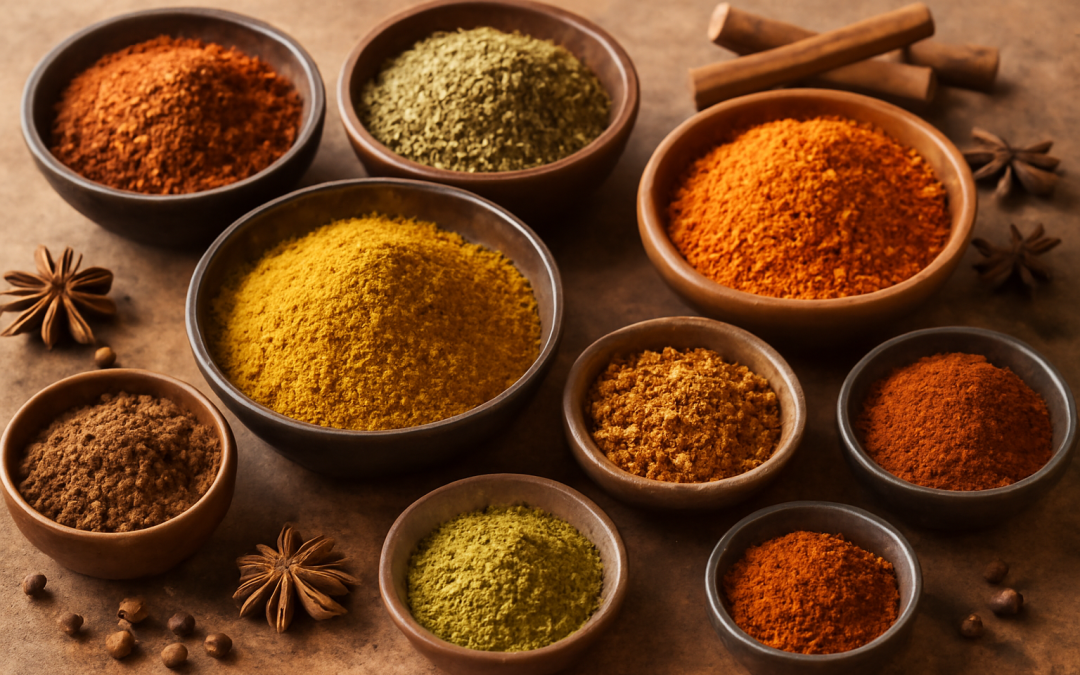
The art of creating spice blends is much more than a culinary technique; it is a profound expression of regional identity and cultural heritage. Across the globe, the unique combinations of spices used in traditional cooking tell intricate stories of geography, history, agriculture, and social dynamics. Each spice blend carries the imprint of a locale’s climate, trade links, and cultural exchanges, making it an edible symbol of the land and its people. Exploring these blends offers insight not only into flavor profiles but also into the identity and collective memory of communities.
In many regions, the accessibility and cultivation of particular spices have shaped local cuisine to an incredible degree. For instance, the warm, aromatic curry powders and masalas of South Asia reflect both indigenous spice-growing traditions and centuries of cultural fusion. These blends typically combine spices like cumin, coriander, turmeric, and cardamom, which grow widely in the region, with others introduced through historical trade routes. The complexity of these mixtures mirrors the layered history of the Indian subcontinent, blending native plants with foreign influences brought through colonialism and global trade. Each household may have its own variation, passed down through generations, anchoring family identity within the wider cultural mosaic of the region.
Similarly, the Cajun and Creole cuisines of Louisiana highlight how spice blends can encapsulate a region’s multicultural history. The characteristic “Cajun seasoning” is typically bold, featuring paprika, cayenne pepper, garlic powder, and black pepper, blending French, African, Spanish, and Native American culinary traditions. This seasoning not only uplifts local dishes such as gumbo and jambalaya but also encapsulates the fusion of peoples and cultures that shaped the region. The use of specific spices and their proportions serves as a nod to the resilience and creativity of communities that adapted available resources to suit their tastes and cultural expressions.
Moving to the Middle East, the spice blends used in dishes from Morocco, Lebanon, and Iran offer further examples of how culinary traditions reflect regional identities. Moroccan ras el hanout, a complex and fragrant mix often containing over a dozen spices including cinnamon, ginger, turmeric, and nutmeg, is emblematic of North Africa’s rich spice culture. The name itself means “top of the shop,” suggesting the finest spices that a vendor offers. This blend is integral to the flavor profile of slow-cooked tagines and couscous, evoking the sensory heritage of Moroccan markets and their historical role as spice trade centers. In Lebanon, baharat combines warm spices like allspice, black pepper, and cloves, infusing meats and stews with a distinctive aroma that characterizes Levantine cuisine. Each regional blend serves as a culinary landmark, guiding diners through layers of history and regional pride.
In Southeast Asia, spice blends such as Indonesian rendang’s base pastes and Thai curry pastes define not just meals but cultural experiences. The use of fresh herbs combined with dried spices in these blends illustrates the interplay between local biodiversity and traditional culinary practices. Indonesian rendang, for example, relies on a paste rich with turmeric, galangal, lemongrass, and chili, creating a flavor profile that is intensely aromatic and deeply satisfying. This blend is a marker of Minangkabau culture and ritual, often prepared during significant community celebrations, demonstrating how spice combinations take on social and ceremonial significance.
Moving north, the spice mixes of Central Asia and Russia also reveal the creative adaptation of seasoning to local climates and food resources. The use of dried herbs and spices such as coriander seeds, dill, and caraway in these blends reflects the steppe regions’ agricultural patterns and the dietary needs shaped by the harsh climate. Uzbek, Kazakh, and Russian cuisines employ a variety of spice blends tailored to both meat- and grain-based dishes, maintaining a balance between warmth and freshness. These blends are essential in establishing a culinary identity distinct from their neighbors yet inherently connected through shared history and migration routes.
African culinary traditions also emphasize the importance of spice blends in asserting regional identity. Ethiopian berbere is a famous example, an incendiary yet fragrant combination of chili peppers, garlic, fenugreek, and other local spices that defines the nation’s cuisine. Its fiery profile corresponds closely to the boldness associated with Ethiopian cultural and social identity. In West Africa, blends such as suya spice tell stories of street food culture and communal eating, where peanut powder, chili, and other seasonings highlight local ingredients as well as shared social rituals. Here, spice blends become a sense of place, a way to taste and connect with the land and the people who inhabit it.
The magic of spice blends extends beyond the mere utilitarian function of seasoning food. It embodies storytelling and communal memory, evoking the smells and tastes that link people to their environment and their ancestors. The methods of preparing these blends—grinding, roasting, infusing—often follow traditions passed from elder generations, preserving a sense of continuity amid changing times. The use of spice blends can also be seen as a way for communities to assert cultural independence, distinguishing their culinary identity in the face of globalization and homogenization of food cultures.
Moreover, spice blends are pivotal in defining regional identities in multicultural societies where food acts as a bridge between diverse communities. For example, in the Caribbean, the fusion of indigenous, African, Indian, and European influences manifests in distinctive Caribbean jerk seasoning. This blend, rich in allspice, scotch bonnet peppers, thyme, and other spices, brings together the legacies of various cultures into one flavorful expression. It represents resistance, creativity, and cultural pride, showcasing how spice blends transcend simple cooking and become powerful symbols of collective history.
Increasingly, there is an emerging recognition of spice blends as cultural heritage, with efforts underway to document and protect traditional recipes that might otherwise be lost. Culinary historians, anthropologists, and chefs alike are exploring these mixes not just for flavor but also for their sociocultural significance. This work enhances appreciation for regional identities and helps safeguard culinary diversity in the face of modern global culinary trends. By supporting local farmers who grow indigenous spices and promoting traditional artisanal methods of preparation, communities can maintain links to their past while innovating for the future.
In the contemporary culinary world, chefs and food enthusiasts are rediscovering and reinterpreting spice blends, sometimes blending them with global influences to create new regional identities that reflect today’s interconnected society. Fusion cooking, while often criticized for diluting traditional flavors, can also be seen as a continuation of the historical evolution of spice blends, which have absorbed influences through trade and migration for centuries. This dynamism ensures that spice blends remain living traditions, open to adaptation yet rooted in place. The continuous reinvention of these mixes speaks to the enduring relationship between food, identity, and culture.
Ultimately, the significance of spice blends lies not only in the complexity or intensity of their flavor but in their capacity to evoke a sense of belonging. They are the sensory markers by which people recognize their own heritage and celebrate their cultural distinctiveness. Whether in the marketplaces of Marrakech, the bustling kitchens of Mumbai, or the vibrant street food stalls of Lagos, spice blends are the threads that weave together food and identity, history and innovation, community and individuality.
By savoring the diverse spice blends that define regions around the world, we gain a deeper understanding of cultural identity and the ways in which food expresses place. These mixes are a testament to human creativity, resilience, and connection, reminding us that every bite carries the echoes of geography, ancestry, and memory. In a world increasingly defined by rapid change and migration, the enduring legacy of spice blends reaffirms the power of traditional knowledge to nurture identity, foster community, and honor the land from which these flavors spring.