Interior doors and trim are often overlooked elements in home maintenance, yet they play a crucial role in defining the aesthetic appeal and functionality of living spaces. These components frame rooms, provide privacy, and contribute to the overall style of a home. Proper care and maintenance can extend their lifespan, preserve their appearance, and ensure smooth operation for years to come. Neglecting regular upkeep can lead to visible deterioration, operational issues, and costly repairs or replacements down the line.
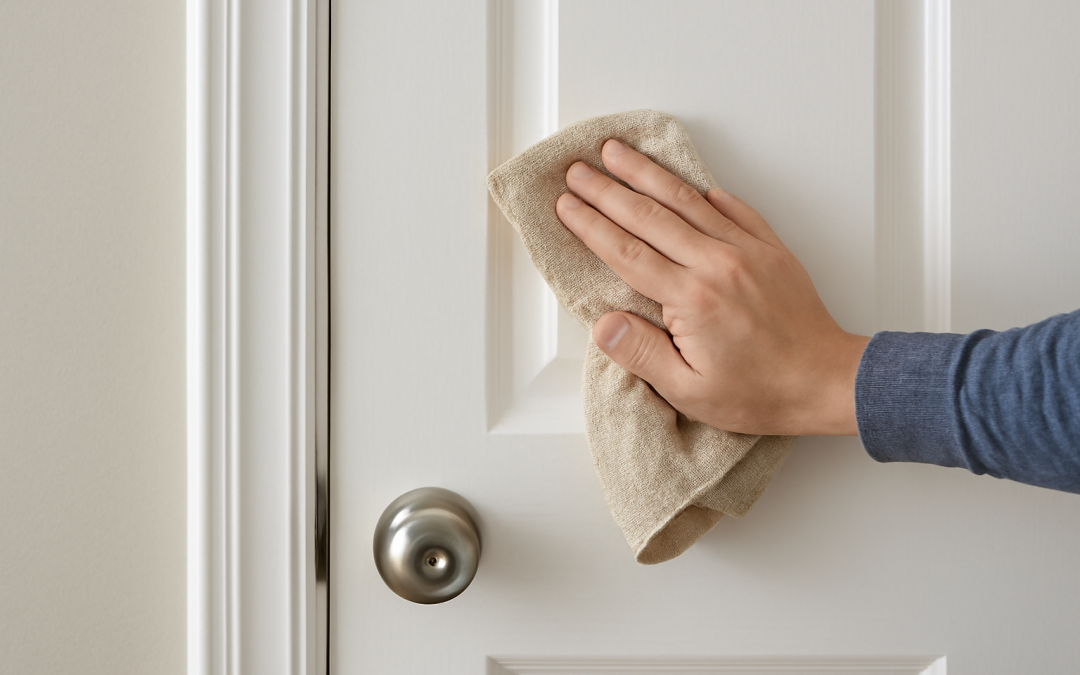
One of the most important aspects of maintaining interior doors and trim is keeping them clean. Dust, dirt, and grime can accumulate over time, dulling finishes and causing buildup in crevices and joints. Regular dusting with a soft cloth or vacuuming with a brush attachment helps remove surface particles without scratching the wood or damaging paint. For deeper cleaning, a mild soap solution can be used to gently remove smudges and stains. Avoid harsh chemicals or abrasive scrubbers that can strip finish or cause discoloration. Through routine cleaning, the original color and texture of the wood or paint are preserved, maintaining the visual appeal of the doors and trim.
In addition to cleanliness, it’s essential to monitor the condition of paint or stain on interior doors and trim. Over time, exposure to sunlight, humidity, and daily wear can cause paint to chip, crack, or fade, and stains to lose their richness. Addressing these issues promptly by touching up paint or reapplying stain can prevent further damage. When repainting or staining, lightly sanding the surface helps new coats adhere properly, while using quality paints or wood finishes ensures durability. Some homeowners may also choose protective topcoats such as polyurethane to shield doors and trim from moisture and scratches, especially in high-traffic areas like kitchens and bathrooms.
Hardware components, such as hinges, knobs, and locks, are another important focus in maintenance routines. These parts bear the brunt of daily use and can become loose, rusty, or misaligned. Regularly tightening screws and lubricating moving parts with appropriate oils keeps doors functioning smoothly and prevents squeaking or sticking. If hardware shows signs of severe rust or damage, replacing it not only restores functionality but can also serve as an opportunity to update the door’s style. Modern hardware comes in a variety of finishes and designs, allowing homeowners to customize their interiors while improving door operation.
Inspecting the structural integrity of doors and trim is crucial for early detection of issues that may compromise performance. Warping, swelling, and cracks can occur due to changes in indoor humidity and temperature fluctuations. Wooden doors are particularly susceptible to absorbing moisture in damp conditions, causing them to expand and become difficult to close. Conversely, extremely dry environments can lead to shrinkage, resulting in gaps or uneven surfaces. Using a dehumidifier or humidifier as needed helps maintain balanced moisture levels, protecting wood components from excessive damage. For significant warping or cracking, professional repair or replacement may be necessary to restore proper function and aesthetics.
Another common problem in interior door maintenance is sticking doors. When doors do not open or close smoothly, it often indicates alignment issues or swelling of the door or frame. Checking the fitting and adjusting hinges can solve many of these problems without the need for major repairs. Sanding down the edges of a swollen door or planing the frame where friction occurs can also improve operation. In some cases, the problem might stem from house settling or foundation shifts, which require more extensive assessment. Regardless, regular checks and prompt adjustments prevent wear on hinges and locks, extending the lifespan of door components.
Beyond the doors themselves, maintaining the trim surrounding them is equally important for a polished and complete look. Trim can accumulate dust and can also suffer from chips, dents, or peeling paint over time. Addressing minor imperfections with wood filler and repainting helps preserve its appearance. Additionally, trim protects the edges of walls and doors from damage, so keeping it in good condition ensures the walls remain intact as well. When replacing or repairing trim, matching the style and finish to existing elements maintains visual harmony in the room. Custom trim designs and profiles can even add elegance and detail to otherwise simple interior spaces.
The environment in which interior doors and trim exist plays a significant role in their maintenance needs. Kitchens and bathrooms, for instance, tend to have higher moisture levels and temperature fluctuations, which can accelerate wear on wood and paint. In these areas, using water-resistant finishes or materials such as engineered wood or MDF can be beneficial. Additionally, ensuring proper ventilation helps reduce moisture buildup and prevents mold or mildew growth around the trim and door edges. Similarly, rooms with heavy foot traffic or frequent use may require more frequent inspection and touch-ups to keep doors and trim looking pristine.
Safety considerations should also be kept in mind when maintaining interior doors. Doors that do not operate correctly can pose a risk, from pinched fingers in sticking doors to compromised security if locks fail. Regularly testing door locks, handles, and hinges ensures that they work properly and meet safety needs. For homes with small children or elderly residents, installing childproof handles or smooth, rounded trim edges can reduce injury risks. Fire-rated doors or trims with fire-retardant finishes may be required in some cases for added protection. Maintenance should therefore not only focus on appearance and function but also on creating a safe indoor environment.
Seasonal maintenance can be especially useful for interior doors and trim. Changes in weather often correspond to shifts in humidity and temperature inside the home, affecting wood stability and finish condition. Conducting a thorough inspection at least twice a year is advisable, looking for signs of wear such as loose hardware, peeling paint, cracked trim, or warping wood. Seasonal cleaning, lubrication, and minor repairs prevent small problems from becoming larger issues. Additionally, periodic reapplication of finishes or protective coatings can be scheduled according to manufacturer recommendations to preserve the integrity and look of doors and trim.
When undertaking repairs or replacement of interior doors and trim, there are choices to be made regarding materials and styles. Solid wood doors and trim are durable and offer classic beauty but may require more maintenance due to their sensitivity to environmental changes. Engineered or composite materials can provide enhanced stability and resistance to moisture, though they sometimes lack the natural appeal of wood. Paint-grade materials are versatile and easier to customize with color but can be prone to chipping. Understanding the advantages and maintenance requirements of various materials helps homeowners make informed decisions tailored to their needs and lifestyle, promoting long-term satisfaction.
Proper installation is another critical factor affecting the longevity and performance of interior doors and trim. Poorly installed doors can lead to persistent issues such as sticking, uneven gaps, or rattling hardware. Trim that is not securely fastened may develop cracks or fall off over time. Ensuring doors are hung plumb, hinges are aligned, and trim is fitted tightly against walls and door frames creates a solid foundation for maintenance efforts. Homeowners who suspect installation faults should consider professional evaluation and correction to avoid frequent repairs and improve door operation and appearance.
Maintaining functionality is also about attention to small details that often go unnoticed. For example, draft stoppers or weatherstripping on interior doors help regulate indoor air flow and temperature, contributing to energy efficiency. These accessories also reduce noise transmission between rooms, enhancing comfort and privacy. Regular inspection of weatherstripping for wear or damage and timely replacement keeps doors performing their intended role in climate control and noise reduction. Similarly, door stops prevent doors from slamming into walls or trim, reducing damage risk and extending maintenance intervals.
It is also worthwhile to remember that the maintenance of interior doors and trim impacts overall home value. When these elements are well cared for, they enhance the perception of quality and attention to detail in a property. Conversely, neglected doors and trim may detract from a home’s aesthetic and suggest deferred maintenance to potential buyers. Investing time and effort in their upkeep pays off by preserving the beauty and function of living spaces, as well as potentially increasing resale value. Even simple acts like repainting trim or polishing door hardware can refresh a room’s look and make it more inviting.
In conclusion, a proactive approach to maintaining interior doors and trim ensures that these essential features retain their aesthetic appeal, functionality, and safety. Routine cleaning, careful inspection, timely repairs, and proper environmental control all contribute to their longevity. Choosing appropriate materials and hardware, along with quality installation, further supports maintenance efforts. By giving these often-overlooked components the care they deserve, homeowners protect an important part of their living environment while enhancing comfort, beauty, and home value. The investment in regular upkeep creates an inviting, polished atmosphere that truly reflects pride in homeownership.