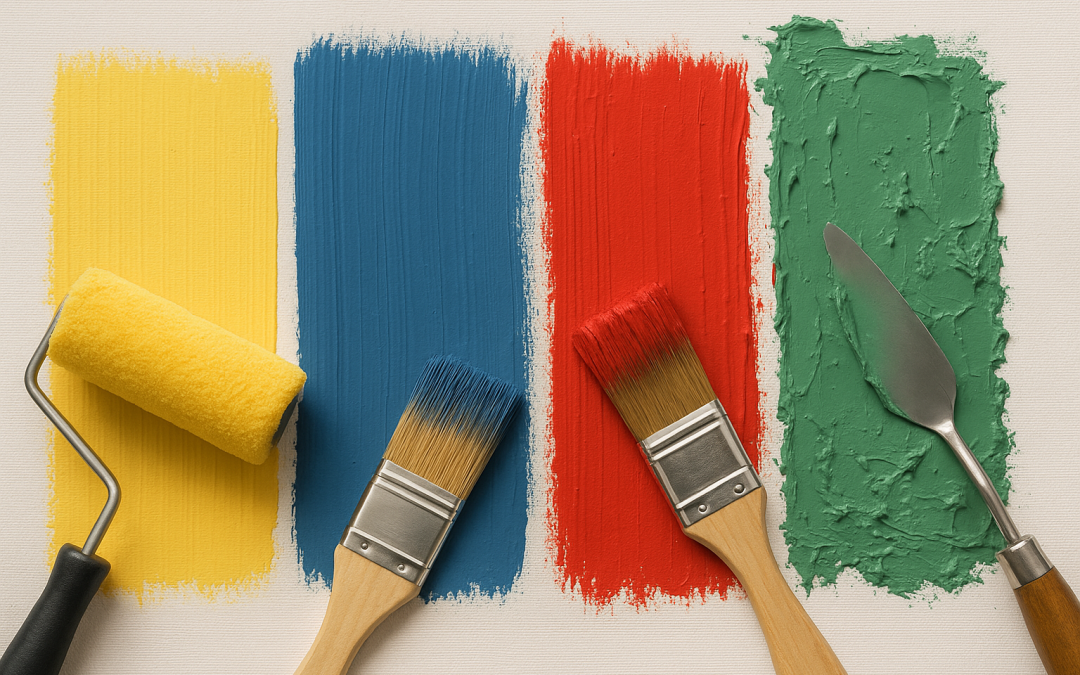
When it comes to transforming a space, whether on walls, furniture, or artistic canvases, the way paint is applied can make all the difference in the final outcome. Paint application styles are not merely about spreading color; they involve techniques that influence texture, depth, durability, and even the emotional impact of a surface. Understanding these techniques allows homeowners, designers, and artists to select the best method for their specific needs, enhancing both aesthetics and functionality.
One of the most common paint application styles is brushing, a traditional technique that has endured for centuries. Brushing offers precision and control, making it ideal for areas requiring fine details or when applying paint to small or irregular surfaces. The brush strokes can be varied to achieve different textures, from smooth finishes to more rustic, pronounced patterns. The variety of brushes available — from flat to angled, bristle to synthetic — further expands the creative possibilities. While brushing may be more time-consuming compared to other techniques, it remains a favorite for its craftsmanship and ability to maintain clear, sharp edges.
Rolling paint is an efficient style widely used for covering large, flat surfaces such as walls and ceilings. The paint roller distributes paint quickly and evenly, helping to reduce application time while delivering consistent coverage. Depending on the type of roller sleeve used, one can achieve different textures and effects. For example, a short-nap roller creates a smooth finish suitable for glossy paints, while a long-nap roller can pick up more paint and produce a rougher texture ideal for uneven walls or textured surfaces. Rollers excel in delivering uniform coats without brush marks, making them popular in both residential and commercial paint jobs.
A less conventional but highly artistic style of paint application is sponging. This method involves dabbing paint onto a surface with a natural or synthetic sponge, creating a soft, mottled effect that adds depth and character. Sponging works well for achieving faux finishes, especially when combined with multiple shades of paint to replicate textures like stone or aged plaster. It can be used either as a base layer or a topcoat to lend a decorative touch that elevates plain walls into dynamic visual features. While often associated with interior design, sponging techniques also find their place in art and crafts, offering a tactile quality that is both functional and aesthetically pleasing.
Spraying paint is a modern application style favored for its speed, efficiency, and ability to reach difficult areas. Using a spray gun, paint is atomized into a fine mist that covers surfaces evenly without leaving brush or roller marks. This technique is especially useful for complex objects, such as furniture with intricate details or exterior surfaces where a smooth, durable finish is essential. Spraying requires careful setup, including masking areas that should remain paint-free, and is often accompanied by specialized equipment and protective gear to ensure safety and precision. Although it demands a higher skill level, the finish achieved through spraying is typically smooth and flawless, making it a go-to choice in automotive painting and professional interior work.
Rag rolling is another decorative technique that adds layers of texture and interest to painted surfaces. In this style, a rag, often twisted or bunched up, is rolled or dabbed over a freshly painted surface to lift some paint and create patterns. It produces a variegated effect similar to sponging but with a more linear and organic feel. Rag rolling is effective in masking imperfections and bringing warmth and softness to a room’s atmosphere. By combining complimentary or contrasting paint colors, this method can enhance depth without overwhelming a space, striking a balance between subtlety and sophistication.
Stippling offers a different kind of tactile experience, achieved by dabbing paint onto a surface using a stiff-bristled brush or specialized stippling brush. This application style creates small dots or speckles of color, generating texture that is perfect for subtle decorative purposes or for hiding surface flaws. Stippling can range from fine, almost delicate textures to heavy, pronounced patterns depending on the pressure and the brush used. It’s frequently seen in faux finishes aiming to replicate the look of plaster or stone, contributing a natural, earthy aesthetic that’s both understated and elegant.
A more avant-garde paint application style is palette knife painting. Typically associated with fine art, this technique uses a flat metal knife to spread thick layers of paint onto a canvas or surface. It allows for bold, expressive strokes and a significant build-up of texture, which catches light in varying ways depending on the angle and thickness. Palette knife painting can also be adapted for decorative wall finishes, where its textural qualities add a three-dimensional element that transforms ordinary walls into works of art. This method requires both a creative vision and technical skill, but the resulting surfaces are striking and richly textured, adding tactile interest to any space.
Dragging is a subtle yet effective method in which a brush or comb-like tool is pulled across a wet painted surface to create linear trails and patterns. This style can evoke the look of wood grain or other natural textures, lending an organic quality to painted surfaces. Often used in faux finishing, dragging adds a unique visual rhythm without introducing much color variation, making it subtle yet impactful. This technique calls for patience and skill, as the tool must move steadily to create continuous lines free from awkward gaps or overlaps.
Dry brushing stands apart for its ability to highlight textures by applying paint sparingly. This technique involves using a dry brush with minimal paint and working it across the surface in quick strokes. The result is a textured, layered appearance where the base color shows through, combined with strokes of a lighter or contrasting color. Dry brushing is especially popular in distressed or shabby chic styles, where it helps simulate wear or weathering by revealing layers beneath. Beyond decorative walls, dry brushing is used in furniture restoration and even model painting, demonstrating its versatility across applications.
Washing is a versatile paint application style where diluted paint is applied in thin, translucent layers across a surface. The wash technique allows underlying textures or details to remain visible, creating depth and subtle tinting rather than solid color. Washes are often used in both interiors and exteriors to soften colors and add complex hues, especially in muted or earth-tone palettes. This technique is commonly combined with other styles, such as sponging or rag rolling, to add dimension. In artistic contexts, washing serves as a foundational layer that provides tonal variation and enhances subsequent paint layers.
Another noteworthy style is stippling with multiple colors simultaneously. This technique involves layering different paint colors using a stippling brush to create a speckled, multi-hued texture that blends when viewed from a distance. This style is effective for recreating the effect of natural stone surfaces, clouds, or even impressionistic artwork. Multiple colors provide movement and visual interest, preventing the monotony of a solid color wall. The complexity appeals to those wanting a unique, decorative statement without overpowering the senses.
When selecting a paint application style, consideration should be given not only to the desired aesthetic result but also to the type of paint and surface involved. For example, latex paints typically work well with rollers and brushes for smooth finishes on drywall, while oil-based paints may suit spraying for a harder, more durable surface coat. Certain textures or finishes, like high gloss or matte, influence how and whether a specific technique is appropriate. Some application styles require that the paint be at a particular consistency or applied within specific conditions to achieve optimal results, underscoring the importance of preparation and understanding the materials involved.
Environmental and practical factors also play a role in the choice of paint application style. High-traffic areas may benefit from styles that create thicker finishes, such as spraying or palette knife applications, which contribute both visual appeal and durability. In contrast, bedrooms or living rooms might lean toward softer, more decorative techniques like sponging or rag rolling that provide warmth and ambiance. Additionally, the skill level required for each technique varies widely. Professional painters may excel with spraying and palette knife methods, while DIY enthusiasts might prefer brushing or rolling for their simplicity and accessibility.
Not all surfaces respond equally to every paint application style. Smooth surfaces lend themselves more readily to brush and roller applications that emphasize uniformity and subtle textures. Rough or porous surfaces, like stucco or brick, might best be treated with sponging or spraying to ensure paint adheres evenly and texture complements the surface naturally. The choice of primer and preparation is equally critical, as some styles require a uniform, sealed base to achieve the desired effect, whereas textured applications might benefit from an uneven or porous underlayer.
Innovations in paint technology are continuously expanding the possibilities of paint application styles. Advances in paint formulas have resulted in fast-drying liquids, improved adhesion, and eco-friendly compositions that work well with various application methods. Modern tools also enhance the precision and speed of application, such as electric sprayers that reduce fatigue or synthetic brushes designed for specific paint types. These innovations empower artists and decorators to experiment with hybrid techniques, combining styles like washing with dry brushing or rolling with sponging for complex, layered finishes.
While the traditional and simpler methods remain relevant today, contemporary design trends push the boundaries of paint application styles. Experimental approaches involve mixing textures and color theory to create bespoke surfaces that tell a story or evoke mood. Texture plays a vital role in tactile experiences within modern interiors, where paint is no longer just a background element but a featured part of the design. Layering multiple paint application styles within a single project can result in a dynamic interplay of light, shadow, and color that transforms ordinary rooms into immersive environments.
The psychological and emotional impact of paint application styles should not be overlooked. Smooth finishes often suggest cleanliness and calm, brightening spaces and creating an open, airy feel. Textured applications tend to add warmth, character, and intimacy, encouraging relaxation and comfort. Bold textural contrasts or thick, bold palette knife strokes can energize and inspire creativity, making them suitable for studios or creative spaces. Ultimately, the choice of style contributes to the atmosphere, telling a visual story that aligns with personal or thematic preferences.
Choosing the right tools to execute a desired paint application style is equally important. High-quality brushes, rollers, sponges, and sprayers ensure smooth application and minimize streaks, spots, or paint wastage. Maintenance of these tools, such as cleaning and proper storage, preserves their effectiveness and extends their lifespan. The wrong equipment can quickly undermine even the best technique, leading to uneven finishes and frustration. Investing time in understanding which tools suit each paint application style directly contributes to superior results.
Training and practice are fundamental to mastering various paint application styles. Many techniques have subtle nuances—like the pressure exerted, the speed of movement, or the angle at which tools are held—that significantly affect outcomes. For individuals committed to DIY projects or artistic ventures, workshops and tutorials can provide invaluable hands-on experience. Professionals in painting trades often accumulate expertise through years of disciplined practice, honing their skills to deliver consistent, high-quality finishes efficiently. Whether novice or seasoned, continuous learning elevates proficiency and encourages creative exploration.
In commercial applications, specific paint application styles are chosen not only for aesthetics but also for compliance with functional requirements such as durability, fire resistance, or environmental safety. Industries such as automotive, aerospace, or industrial manufacturing employ sophisticated spray techniques and custom paint formulations to meet stringent standards. These applications often involve multiple layers, including primers, base coats, and sealants, with specialized equipment ensuring uniformity and performance. Understanding the interplay between paint chemistry and application style is crucial to achieving the right balance of form and function.
Beyond interior and exterior surfaces, various paints are applied to non-traditional materials using particular application styles. For example, textiles, ceramics, and glass may require specific techniques appropriate to flexible, smooth, or non-porous surfaces. Hand painting, stenciling, and spraying are common methods tailored to these materials, each producing distinct visual effects and durability. These applications broaden the scope of paint application styles and demonstrate their adaptability across diverse mediums.
In the realm of restoration and preservation, paint application styles are critical for maintaining historical accuracy and structural integrity. Conservators often use traditional brush techniques combined with specialized washes and glazes to replicate original finishes faithfully. The use of gentle stippling or sponging can help recreate patinas or subtle textures found in antique surfaces. The delicate balance between rejuvenating surfaces and preserving authenticity requires deep knowledge of materials, paint chemistry, and application methods, underscoring the importance of style selection not just for aesthetics but also for heritage.
Ultimately, the art and craft behind paint application styles are a testament to the richness and variety of this seemingly simple medium. From broad, sweeping strokes to delicate patterns created by sponges or rags, each technique brings nuance and character to the surfaces we inhabit or admire. Through thoughtful selection and skillful execution, paint transcends its utilitarian purpose, becoming a versatile tool for creative expression and functional enhancement. The mastery of paint application styles offers endless opportunities to innovate and redefine the spaces and objects around us, proving that how paint is applied is just as vital as the colors chosen.