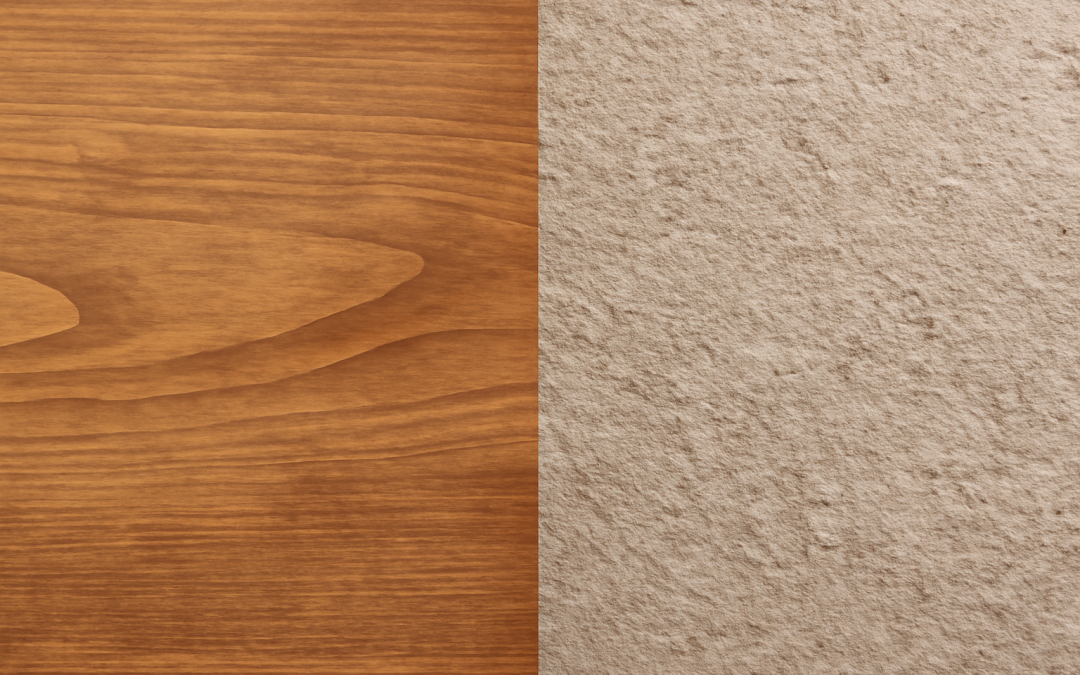
Texture is an essential element in both art and design, playing a critical role in how surfaces are perceived and experienced. When discussing texture, it is important to distinguish between visual texture and physical texture, as each engages the senses and the mind in distinctive ways. Visual texture refers to the appearance of a surface’s texture—how it looks—while physical texture pertains to the actual tactile quality of a surface—how it feels. This distinction shapes not only how a work of art or a design is created but also how it is interpreted by its audience. Understanding these differences provides deeper insights into artistic techniques and enhances the appreciation of creative endeavors across various fields.
Visual texture is primarily a perceptual experience triggered through sight. Artists and designers use imagery, patterns, shading, and color variations to mimic the appearance of different surfaces. For instance, a painting of a worn-out wooden table may employ intricate brushstrokes and tonal changes to suggest the roughness and grain of the wood. Yet, when touched, the canvas remains smooth. This layered reality where one sees texture but does not physically feel it illustrates the power of visual texture to evoke sensory responses and add depth without any tangible alteration of materials.
In environments such as interior design or fashion, visual texture can profoundly affect aesthetics and emotional ambiance. Wallpaper with a printed faux fabric pattern might give a room a cozy feel without the maintenance demands of real textiles. Similarly, a garment designed with printed lace motifs achieves an elegant look while maintaining the comfort and practicality of a simple fabric. The strategic use of visual texture can influence perceptions of warmth, softness, or hardness, guiding emotional reactions without changing physical attributes.
Physical texture, on the other hand, is a tactile experience that engages the sense of touch. It refers to the inherent qualities of a surface that can be physically felt, such as roughness, smoothness, softness, or hardness. Wood, fabric, stone, and metal each offer unique physical textures that inform how they are used in functional and decorative contexts. The physical texture of materials affects usability, comfort, and even safety. For example, the rough texture of a walking path’s surface prevents slipping, while the smooth texture of a marble countertop facilitates cleaning and preparation tasks.
Artists who work with sculpture or mixed media often rely heavily on physical texture to communicate meaning or provoke responses. The texture of an object’s surface invites viewers to imagine the tactile sensation and, at times, physically interact with the piece. This engagement can produce a more intimate and immersive experience. Through techniques like carving, engraving, layering, or applying various materials, artists manipulate physical texture to shape the emotional and conceptual impact of their work, bringing an additional dimension beyond visual sensation.
The interplay of visual and physical texture frequently challenges the viewer’s perception, blurring the boundaries between what is seen and what is felt. Trompe l’oeil, an artistic technique that creates extremely realistic imagery to “trick the eye,” exemplifies this dynamic. Painted textures can be so convincing that viewers momentarily mistake them for real surfaces, generating surprising or disconcerting reactions upon closer inspection or touch. This interaction underscores the cognitive processes involved when the brain reconciles conflicting sensory inputs, emphasizing how texture influences not just aesthetics but also perception and interpretation.
In the digital realm, almost all texture is visual due to the inherent limitation of screens to convey tactile information. Digital artists, video game designers, and virtual reality developers painstakingly craft visual textures to replicate physical ones, aiming to enhance realism and immersion. Techniques such as bump mapping and normal mapping simulate shadows and light interactions on surfaces, giving the illusion of depth and roughness even though the screen remains flat. This reliance on visual texture highlights its capacity to substitute for physical texture in creating convincing sensory experiences in virtual environments.
Despite their differences, visual and physical texture often complement one another, and many designs or artworks harness both to maximize impact. A richly patterned textile, for example, might incorporate both a visually intricate design and a tactile surface with raised embroidery or woven thickness. The dual engagement of sight and touch enriches the perception of the object and can evoke stronger emotional resonance. In furniture design, a polished wooden chair could feature not only a glossy surface that speaks to refinement but also carved details that invite tactile interaction, enhancing the user’s overall connection with the piece.
Material choice often dictates whether an artist or designer emphasizes physical or visual texture. In ceramics, for instance, the natural texture of clay is frequently altered or highlighted through firing and glazing processes. A smooth glaze provides a sleek, reflective surface, while leaving areas unglazed offers rough, matte textural contrasts. The tactility of the clay body itself can be revealed, adding depth beyond mere visual appeal. In contrast, artists working solely with paint on canvas rely primarily on visual texture, albeit sometimes using mediums or layering techniques to add physical texture through thick, impasto strokes.
In architecture, texture contributes not only to aesthetics but also influences human interaction with built environments. Exterior façades can incorporate varied textures through brickwork, stone cladding, or metal panels to articulate the building’s style and convey messages about strength, warmth, or modernity. Interior surfaces, such as walls, floors, and furnishings, may combine visual patterns with tactile finishes to create inviting or stimulating atmospheres. The choice between emphasizing visual or physical texture reflects both design intent and the intended sensory experience for occupants.
Psychological studies on texture perception reveal that both types play significant roles in emotional and cognitive responses. Visual texture can affect moods by association, such as smooth surfaces evoking calmness or rough surfaces suggesting ruggedness and excitement. Physical texture engages the brain’s somatosensory system and can evoke comfort or discomfort, influencing user satisfaction and behavior. For instance, the soft texture of a plush carpet invites relaxation, while a cold, hard surface may emphasize formality or cleanliness. The synergy of these sensory cues is often harnessed thoughtfully to manage environments or create art that resonates deeply.
Historically, the evolution of techniques to portray and enhance texture has mirrored cultural and technological shifts. Early cave paintings relied solely on visual texture, achieved through pigment application and rudimentary markings. As sculptural practices advanced, physical texture became a central expressive tool. The invention of cameras and photographic processes introduced new challenges and possibilities for capturing and reproducing texture, impacting how artists and designers approached their mediums. Today, innovations in digital fabrication, textiles, and mixed media continually expand how texture—both seen and felt—is conceived and employed.
Educationally, teaching the distinction and interplay between visual and physical texture enriches the foundation upon which art and design students build their skills. Exercising observation to differentiate between appearance and feel sharpens sensory awareness and encourages experimentation. Assignments might include replicating the visual texture of natural objects in two-dimensional media or exploring physical texture through collage and three-dimensional constructions. Such practices not only develop technical competencies but also foster conceptual understanding of how texture affects perception and meaning.
In commercial design fields such as product packaging, the balance between visual and physical texture significantly impacts consumer perception and branding. Packaging that visually suggests luxury materials—such as gold foil patterns or velvet-like prints—can elevate a product’s perceived value, even if the surface itself remains smooth. Conversely, physical texture, such as embossing or matte finishes, can enhance grip and tactile pleasure, strengthening brand identity through multisensory engagement. The integration of both textures often aligns with marketing strategies aimed at creating memorable and distinct consumer experiences.
In the realm of fashion design, texture is a multifaceted language that communicates style, seasons, and personality. Fabrics with distinct physical textures—such as velvet, silk, or denim—offer tactile cues that complement visual elements like color and pattern. Designers may also create illusions of texture through print techniques, giving lightweight fabrics the appearance of heavier, textured materials. The strategic combination of visual and physical texture allows fashion to convey complexity and nuance, influencing perception even before the fabric touches the skin.
The relationship between light and texture further enriches both visual and physical experiences. Light interacts differently with various surfaces, revealing or concealing texture details. Visual texture depends largely on contrast, shadow, and highlight to suggest irregularities, while physical texture can modify how light reflects or absorbs surface areas. For example, glossy surfaces emphasize smooth physical texture, producing sharp reflections, whereas matte textured finishes scatter light diffusely, softening visual effects. Mastery of lighting is crucial in photography, cinema, and gallery presentations to showcase texture’s full impact.
In contemporary art, many creators blur the boundaries between visual and physical texture, pushing viewers to question their perceptual assumptions. Mixed-media works combining digital prints with layered papers, fabrics, or found objects invite tactile exploration alongside visual appreciation. Installation pieces may incorporate sound or temperature alongside texture cues, creating multisensory experiences that challenge conventional definitions. These experimental approaches reflect broader trends toward sensory integration and immersive environments in modern creativity.
Understanding the cultural significance of different textures reveals how societal contexts shape interpretations and preferences. Certain textures carry symbolic meanings or historical associations—such as the smoothness of porcelain representing refinement or the ruggedness of burlap alluding to rustic authenticity. These associations influence both visual and physical texture choices, embedding layers of meaning into artistic or design decisions. Exploring texture through a cultural lens enriches the dialogue between creators and audiences, deepening the narrative power of surface qualities.
In environmental design, texture fulfills ecological as well as aesthetic functions. The tactile qualities of landscaping materials, wall claddings, or furniture can enhance user comfort and promote physical wellness by influencing touch and movement. Additionally, textures often have practical roles in sustainability; for instance, rough textures on pathways reduce erosion or water runoff, and textured facades facilitate natural ventilation. Thus, texture operates within complex systems where form, function, and sensory experience intersect to create harmonious and resilient spaces.
The technical challenges involved in replicating texture across mediums also highlight its complexity. Capturing authentic physical texture in two-dimensional representations requires sophisticated skills in shading, line work, and highlight manipulation. Conversely, creating physical texture that accurately corresponds to visual texture demands mastery over materials and processes such as molding, layering, and finishing. In digital production, algorithms and software tools increasingly account for texture simulation, yet the subtleties of human touch and perception remain difficult to fully replicate.
In summary, the interplay between visual and physical texture enriches both the creation and experience of art, design, and everyday objects. Visual texture appeals primarily to sight, crafting illusions that can communicate mood, depth, and form, while physical texture invites tactile engagement with material reality. Together, they form a dynamic dialogue that allows creators to manipulate sensory perception, shape emotional responses, and convey complex meanings. Appreciating this multifaceted relationship leads to a deeper understanding of how texture influences aesthetic value, functionality, and cultural significance, enhancing our interaction with the world around us.