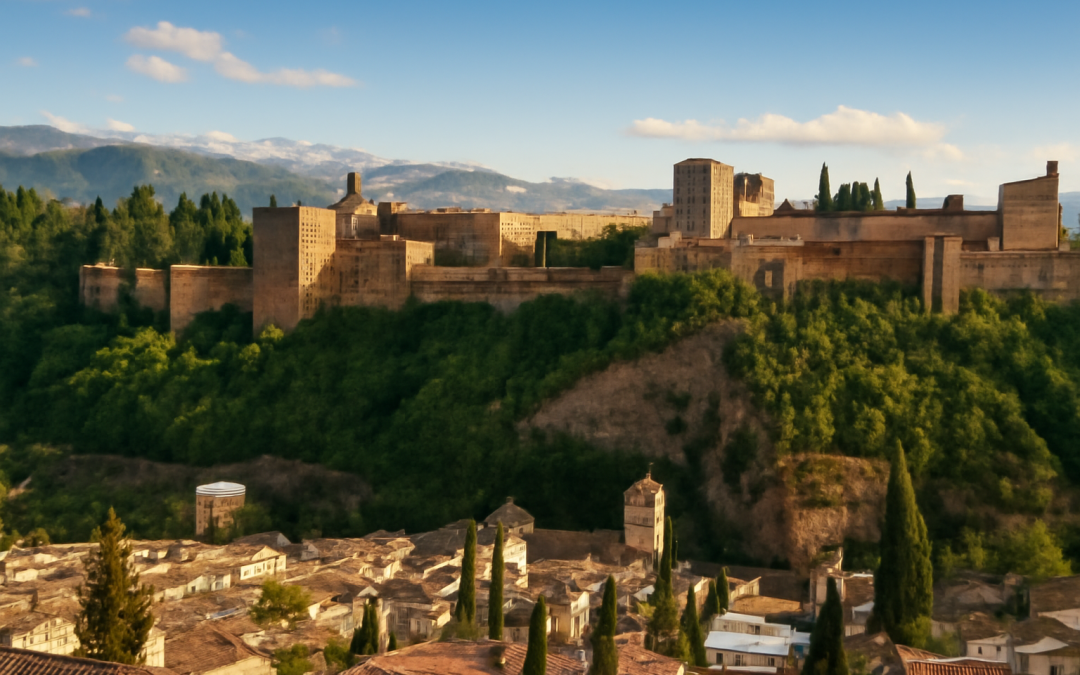
Granada is a city that captivates visitors with its rich history, stunning architecture, and vibrant cultural scene. Nestled in the foothills of the Sierra Nevada mountains in southern Spain, it offers a unique blend of Moorish heritage and Spanish charm. At the heart of the city lies the Alhambra, a majestic fortress-palace complex that has drawn travelers and historians alike for centuries. Alongside the Alhambra, Granada’s Old Town presents narrow cobblestone streets, traditional Flamenco music venues, and bustling markets that reveal the city’s dynamic past and present.
The Alhambra stands as a testament to the ingenuity and artistry of the Nasrid dynasty, the last Muslim rulers on the Iberian Peninsula. This sprawling citadel, perched on a hill overlooking Granada, is a masterpiece of Islamic architecture and garden design. It combines defensive military structures with lavish royal residences, ornamental fountains, and intricate tilework. Visitors entering the Alhambra are met with the exquisite Nasrid Palaces, where delicate stucco work, calligraphic inscriptions, and deeply detailed wood ceilings create a sense of ethereal beauty. The play of light and water throughout the palaces exemplifies the symbolic and functional use of architecture within the Muslim world during that era.
Adjacent to the palaces is the Generalife, a summer palace and gardens that provide a tranquil retreat with panoramic views of the surrounding landscape. The gardens, with their symmetrical layouts, lush greenery, and water channels, embody the Islamic idea of paradise on earth. Walking through the Generalife, visitors can appreciate the harmony between nature and architectural elements, which was central to Nasrid design principles. Beyond its aesthetic appeal, the Alhambra also served as a stronghold and political center, reflecting the strategic significance of Granada during medieval times.
While the Alhambra is undoubtedly the crown jewel of the city, Granada’s Old Town is where everyday life and historical layers unfold in a vibrant tapestry. Centered around the Albaicín neighborhood, this area is characterized by its narrow, winding streets that trace the city’s Moorish past. The Albaicín maintains much of its original urban character, with whitewashed houses, wrought iron balconies, and small plazas that invite leisurely exploration. Here, the echoes of Granada’s Islamic period can still be felt in the architecture and street layout, offering a stark contrast to the grand formality of the Alhambra.
One of the most enriching ways to experience the Old Town is by wandering through its labyrinthine alleys, where centuries-old buildings house modern tapas bars, artisan shops, and flamenco venues. The vibrant street life and local markets allow for immersive encounters with the city’s culinary traditions, from fragrant spices to the savory dishes influenced by Andalusian flavors. This part of Granada also boasts several important religious sites, including the Granada Cathedral and the Royal Chapel, which showcase the melding of Moorish and Christian influences following the Reconquista.
Calle Calderería Nueva, famously known as “the street of tea houses,” is a must-visit in the Old Town for those seeking a taste of Granada’s eclectic atmosphere. This street pulses with energy from morning until night, filled with cafés where mint tea is served alongside traditional pastries and where visitors can linger in an ambiance that recalls Granada’s past as a crossroads of cultures. Islamic patterns and sounds mingle seamlessly with Spanish traditions here, capturing the essence of Granada’s multicultural identity.
Flamenco is another cultural expression deeply embedded in Granada’s Old Town. The Sacromonte neighborhood, located across from the Albaicín, is the historic heart of flamenco art in the city. Known for its cave dwellings, Sacromonte offers intimate venues where passionate performances bring this musical and dance form to life. Experiencing flamenco in its traditional setting gives visitors a deeper appreciation of the art form’s origins and its importance to the identity of Granada and the wider Andalusian region.
For those interested in history beyond the Islamic period, the Old Town also showcases a range of architectural styles resulting from Granada’s varied rulers. Renaissance and Baroque churches, palaces, and fountains fill the streets, reflecting the city’s evolution after the Catholic Monarchs regained control. This blend of styles makes the Old Town a living museum of Granada’s layered history, where each corner tells a story of conquest, coexistence, and cultural flourishing.
Beyond its architectural and cultural treasures, Granada’s Old Town is a hub for local artisans and traditional crafts. Handicrafts such as ceramics, leather goods, and intricate textiles can be found in small workshops and shops. These crafts often draw on centuries-old techniques passed down through generations, maintaining a connection to the city’s Moorish heritage while adapting to contemporary tastes. Visitors who take time to engage with these craftspeople gain insight into the ways tradition and modernity coexist in Granada’s dynamic urban fabric.
The city’s culinary scene further enriches the experience of exploring Granada. Tapas culture, a signature of much of Spain, thrives here with a distinctive local twist. In Granada, ordering a drink at many bars often comes with complimentary tapas, creating an atmosphere that encourages socializing and sharing. The region’s fertile surroundings contribute fresh ingredients, from olives and almonds to fragrant spices and fresh vegetables, which are skillfully combined to create flavorful dishes. Dining in the Old Town allows visitors to savor authentic Andalusian cuisine while soaking in the lively ambiance of the bustling streets.
Another highlight of the Old Town is its numerous miradors, or viewpoints, which provide spectacular vistas of the Alhambra and the city below. Mirador de San Nicolás, in particular, is famous for its breathtaking panorama, drawing both tourists and locals at sunset. From these vantage points, the juxtaposition of Islamic influence, Christian architecture, and natural landscapes becomes evident, conveying a powerful visual summary of Granada’s identity. These spots offer not only excellent photo opportunities but also moments of reflection on the city’s enduring beauty and complex history.
Granada’s combination of historic grandeur and vibrant street life makes it a uniquely appealing destination. The Alhambra, with its unparalleled architectural sophistication, invites visitors to step back in time and immerse themselves in the final flowering of Muslim culture in Spain. Meanwhile, the Old Town’s bustling streets, rich tradition of music, crafts, and cuisine, and its historic neighborhoods like the Albaicín and Sacromonte provide a counterpoint that celebrates the city’s living heritage.
Exploring Granada’s streets reveals a layered narrative shaped by centuries of cultural exchange and conflict. The coexistence of Islamic and Christian elements, the enduring influence of Moorish traditions, and the embrace of contemporary creativity contribute to the city’s distinctive character. This dynamic interplay ensures that Granada remains not only a destination for tourists but also a vibrant home for those who live within its bounds.
As the sun sets behind the Sierra Nevada, casting a golden glow on the Alhambra’s walls and illuminating the labyrinths of the Old Town, one senses the timeless enchantment of Granada. The city invites visitors to explore, learn, and experience a place where history and culture intertwine seamlessly. Whether marveling at the intricate artistry of the Alhambra, navigating the cobbled streets of neighborhoods steeped in tradition, or savoring Andalusian flavors, travelers leave with a profound appreciation for the beauty and complexity that define Granada.
In essence, Granada offers much more than its famed monuments; it is a living mosaic that continues to inspire awe and curiosity. The perfect harmony of the Alhambra’s historical grandeur and the Old Town’s vibrant culture creates an unforgettable journey into one of Spain’s most treasured cities. For those seeking to connect with history while engaging with a thriving contemporary scene, exploring the depths of Granada’s heritage is an experience unlike any other.