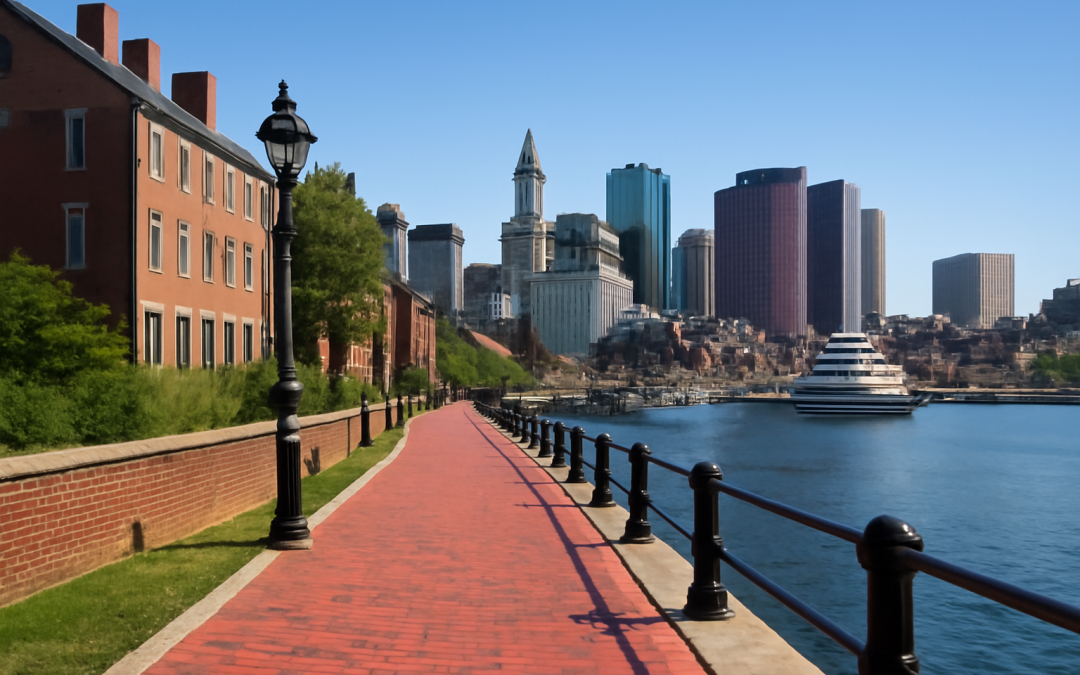
Boston is a city where history and modernity intertwine seamlessly, creating an atmosphere that attracts visitors seeking both immersive cultural experiences and scenic waterfront beauty. From the cobbled streets of its oldest neighborhoods to the sparkling expanse of the harbor, this city offers a unique blend of past and present that tells the story of America’s birthplace while celebrating its vibrant contemporary pulse. Walking through Boston is like stepping into a living museum where every corner reveals tales of revolution, resilience, and renaissance. The historic sites stand as silent witnesses to pivotal moments, while the harbor reminds visitors of the city’s enduring connection to the sea.
The Freedom Trail serves as the perfect starting point for anyone eager to delve into Boston’s rich history. This 2.5-mile walking route passes through 16 significant landmarks, painting a vivid picture of the city’s revolutionary heritage. From Boston Common—the oldest public park in the United States—to Paul Revere’s House and the Old North Church, each stop offers a glimpse into the lives of the figures who shaped the nation’s fight for independence. Strolling the trail allows visitors to engage directly with the past as they tread the same paths that patriots once did, feeling a profound sense of continuity and respect for the city’s enduring legacy.
Beyond the Freedom Trail, Boston’s neighborhoods provide additional layers of historical context. Beacon Hill, with its Federal-style rowhouses and gas-lit lanterns, radiates old-world charm. Its narrow streets and brick sidewalks evoke the early 19th century, when this area was home to influential figures such as statesmen, writers, and abolitionists. This neighborhood’s aesthetic preservation offers a snapshot of Boston’s elite past while serving as a vibrant community hub today. Walking through Beacon Hill gives a glimpse into a formative period marked by intellectual energy and social change.
Venturing toward the waterfront, the city’s maritime heritage comes to life. The Boston Harbor is not only a magnificent natural setting but also an integral part of the city’s commercial and cultural history. Once a buzzing port of trade, immigration, and industry, the harbor now invites visitors to take in panoramic views from its parks, piers, and promenades. The harborfront’s transformation into a recreational space illustrates Boston’s ability to reinvent itself while honoring its roots. Watching the boats glide across the water at sunset, one can almost imagine the clamor of merchant ships and fishermen that once defined the waterfront’s daily rhythm.
The harbor is also home to several attractions that further deepen the connection to Boston’s maritime story. The Boston Tea Party Ships and Museum provides an interactive experience that vividly recounts the defiant act sparking the American Revolution. Visitors can relive that iconic moment through engaging exhibits, reenactments, and multimedia presentations. Nearby, the New England Aquarium offers a modern celebration of marine life, bridging natural history with conservation efforts. Together, these venues emphasize the harbor’s role not only in historical events but also in the ongoing relationship between Bostonians and the water surrounding them.
Alongside its historical and cultural offerings, Boston’s culinary scene adds another dimension to the city’s charm. The waterfront, especially around the Seaport District, hosts a range of restaurants featuring fresh seafood, many of which draw directly on the city’s maritime heritage. Enjoying clam chowder, lobster rolls, or oysters sourced from nearby waters provides a taste of Boston’s coastal identity. This region’s dining establishments blend traditional New England fare with contemporary sophistication, offering visitors memorable meals paired with stunning views of the harbor skyline.
In contrast to the historic core and the harborfront, Boston’s waterfront also reflects the city’s evolution into a hub of innovation and art. The Institute of Contemporary Art, situated on the edge of the harbor, exemplifies this dynamic fusion. Its striking architecture and rotating exhibitions charter a course into the future while engaging with broader conversations about urban development and waterfront revitalization. The ICA’s presence emphasizes that viewing the harbor is not simply a passive activity but a catalyst for creativity and community engagement within the city.
Exploring Boston’s history also means appreciating its role in the cultural and intellectual growth of the nation. Sites such as the Massachusetts State House and the Old State House offer insights into the political formation and governance of the United States. Exhibits and guided tours at these locations shed light on the legislative milestones and civic movements that have roots in Boston’s foundational institutions. These landmarks serve as enduring reminders that history is not a static record but an ongoing dialogue shaped by ideas, laws, and people.
For those interested in literary heritage, Boston boasts a wealth of connections to renowned authors and thinkers. Walking tours often include visits to places associated with figures like Ralph Waldo Emerson, Henry David Thoreau, and Louisa May Alcott. The city’s numerous libraries, especially the Boston Public Library, house collections that reflect New England’s rich literary tradition. This emphasis on literature complements the historical narrative, offering a more nuanced understanding of how Boston engendered innovation not only in politics and commerce but also in culture and thought.
The city’s parks and green spaces provide tranquil respite amidst the historical exploration. The Boston Common and the adjacent Public Garden are perfect examples where natural beauty enhances the urban environment. These areas connect the urban fabric to Boston’s earliest days, with the Common originally serving as a communal pasture. Over time, it has evolved into a cherished place for relaxation, community events, and reflection on the city’s journey through centuries. Wandering through these green spaces allows visitors to experience how Boston balances preservation with modern recreational needs.
Equally compelling on foot is the Charles River Esplanade, which offers scenic walking and biking paths along the riverfront opposite the city skyline. This stretch of parkland invites locals and tourists alike to engage with Boston’s natural surroundings while enjoying views of the water and the cityscape. During warmer months, the Esplanade hosts concerts and festivals, reinforcing Boston’s reputation as a city where history, nature, and culture intersect harmoniously. The river itself has been foundational to the city’s economy and identity, providing another fruitful vantage point for understanding Boston’s development.
Boston’s commitment to preserving its heritage is evident in its many museums and historic houses. The Paul Revere House, for instance, is the oldest building in downtown Boston that remains open to the public. Walking inside, visitors can observe artifacts and period furnishings that capture the life of the famed patriot and his role in the American Revolution. Similarly, the Old South Meeting House, where colonists gathered to plan key resistance activities, allows guests to stand in the very spaces where history unfolded. These immersive experiences deepen appreciation for the sacrifices and courage that shaped Boston and the nation.
Transportation around the city makes it easy to layer history with leisure activities. The historic trolley tours provide narrated journeys that cover major landmarks and offer context that enriches the walking experience. Alternatively, exploring on foot or by bike allows for a more personal engagement with the city’s architecture, street art, and hidden alleys, many of which tell stories not found in guidebooks. Whether visitors choose guided or self-directed methods, Boston reveals its layers gradually but memorably.
Taking a harbor cruise provides yet another opportunity to appreciate the city from a different perspective. As the skyline recedes and the open water stretches ahead, passengers can absorb the scale of Boston’s maritime heritage and modern affluence. These boat tours often include narration highlighting key historical sites along the shore, such as the Charlestown Navy Yard and Fort Independence. Viewing these coastal landmarks from the harbor offers a sense of connection to the defensive strategies, shipbuilding, and naval history that were essential to Boston’s rise as a port city.
Boston’s seasonal rhythms also influence the experience of historical walks and harbor views. In the spring and summer months, the city comes alive with blooming gardens, festivals, and extended daylight, making outdoor exploration particularly inviting. Fall brings crisp air and foliage that highlight the city’s colonial architecture in rich, warm tones. Winter adds a serene quietness, with snow-dusted streets offering a different kind of historical ambiance. At any time of year, Boston’s enduring vitality and scenic beauty provide a compelling backdrop for visitors seeking to immerse themselves in its story.
In addition to its built environment, Boston’s history is reflected in its diverse communities, who have contributed to the city’s character over centuries. Neighborhoods like the North End reveal an Italian immigrant legacy that adds culinary and cultural layers to the city’s fabric. Areas such as Dorchester and South Boston provide insights into Irish and African-American histories, each adding chapters to Boston’s ongoing narrative. Walking through these communities, it becomes clear that the city’s strength lies in its ability to integrate distinct traditions while honoring collective memory.
Education also plays a pivotal role in Boston’s identity, with world-renowned universities scattered throughout the city and nearby areas. Institutions such as Harvard, MIT, and Boston University contribute not only to academic excellence but also to historical preservation and public programming. Many campuses host lectures, exhibitions, and performances that connect academic research with the broader public’s understanding of Boston’s past and future. The intellectual ecosystem enriches the city’s cultural landscape, making it as much a place of ideas as it is of history and natural beauty.
While the city has changed dramatically since its founding, the spirit of Boston remains anchored in its ability to tell stories that resonate deeply with the American experience. The juxtaposition of historic landmarks with panoramic harbor views embodies a dialogue between origins and aspirations. Every brick in the city’s pathways, every wave lapping at the shore, seems to whisper echoes of struggles for freedom, movements for justice, and visions for progress. For those willing to explore its streets and shoreline, Boston offers an unforgettable journey into the heart of America’s past while celebrating its unyielding vitality.
Ultimately, the experience of wandering through Boston’s historic sites and embracing its waterfront vistas is a reminder that history is alive. It is an invitation to engage with a city that honors its roots without remaining bound to them, to enjoy its natural beauty without neglecting its profound significance. In Boston, the past and present coexist in a way that enriches understanding and inspires curiosity, making every walk and every view an opportunity for discovery. This dynamic balance is what makes Boston not just a city to see, but a place to experience deeply and remember long after leaving its shores.