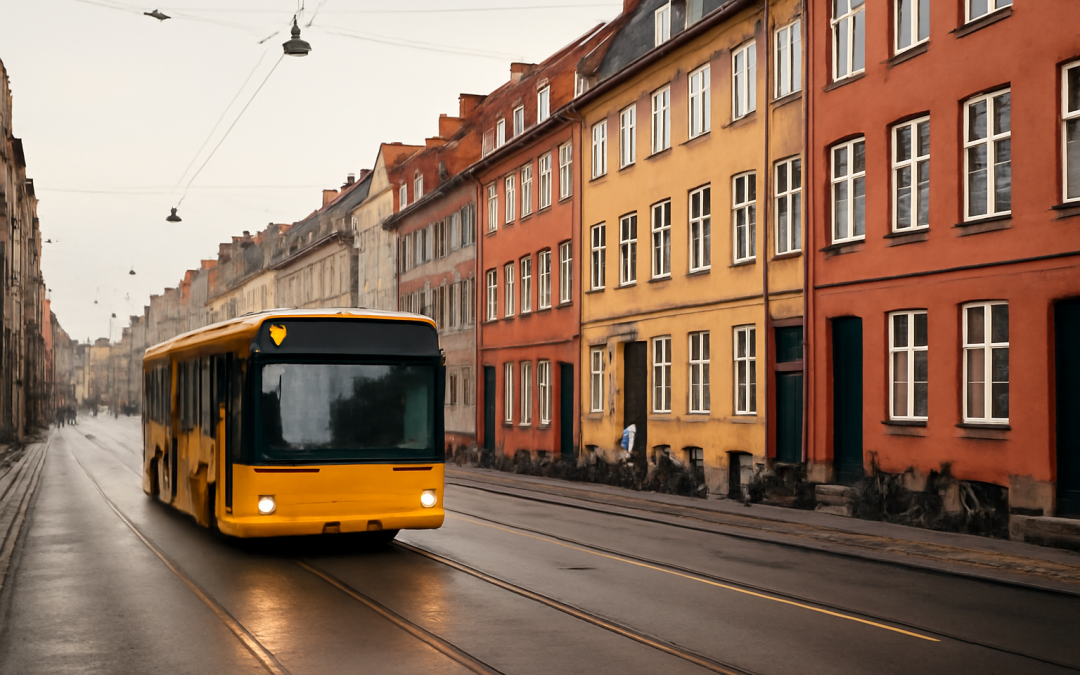
The charm of Copenhagen lies not just in its rich history or cultural landmarks but in the effortless way its residents navigate the city’s streets and avenues. Getting around here feels refreshingly straightforward, blending efficiency with an unmistakable warmth that invites exploration on foot, by bike, or through a reliable public transport system. The city’s layout is a testament to thoughtful urban planning, where accessibility meets a cozy, human-scale ambiance rarely found in larger capitals.
At the heart of Copenhagen’s appeal is its public transit system, which is remarkably user-friendly for both locals and visitors. The interconnected network of buses, trains, and metros runs with commendable punctuality, allowing travelers to move easily from one neighborhood to another without hassle. Unlike many urban centers where transit can feel impersonal or confusing, Copenhagen’s transportation embraces simplicity. Multilingual signage, integrated ticketing, and a mobile app designed for easy navigation all contribute to an experience that minimizes stress and maximizes time spent enjoying the city.
One of the first things that strikes visitors is how seamlessly transit integrates with the city’s unique character. Metro stations are often beautifully designed, sometimes nestled beneath historic buildings or surrounded by quaint squares, and yet they never detract from the city’s graceful streetscapes. Moreover, the widespread use of bicycles complements the public transit system perfectly. Copenhagen is famously bike-friendly, boasting dedicated lanes that make cycling safe and enjoyable for people of all ages and skill levels. This synergy between transit and cycling fosters a sense of community rather than competition for space, a rarity in many modern cities.
The cozy streets winding through neighborhoods like Vesterbro, Nørrebro, and Christianshavn are crafted for slow, deliberate travel. Here, the urban rhythm slows down, and one can appreciate colorful facades, charming cafés, and small artisan shops nestled between bicycle racks and street trees. These areas epitomize Copenhagen’s commitment to livability—streets feel alive but not overwhelming, and there’s a palpable emphasis on fostering connection, whether among neighbors or between visitors and the city itself. Walking along these cobblestone lanes reveals an intimate side of Copenhagen that contrasts beautifully with its efficient transit hubs.
Public spaces and parks are thoughtfully accessible, encouraging transportation modes that prioritize the environment and human well-being. The city’s green initiatives are embedded in its transit planning; electric buses glide through central districts, while many of the metro trains operate autonomously, reducing noise and emissions. This dedication to sustainability extends to the way streets are designed, with wide sidewalks and plenty of benches inviting pedestrians to pause and soak in the atmosphere. It’s a community-oriented approach where transit is not merely a means to an end but a part of everyday life that enhances the urban experience.
Navigating Copenhagen also offers a glimpse into the Danish cultural value of “hygge.” This concept of coziness, contentment, and conviviality is tangible in the city’s urban fabric. After a seamless metro ride or a pleasant bike trip through leafy areas, one can easily find a quiet café or a small bookstore nestled in a tucked-away lane. These cozy escapes invite you to slow down and savor moments, making travel less about rushing and more about enjoying the surroundings. This tradition of warmth within the transit experience permeates the city, cultivating an inviting atmosphere that feels welcoming and inclusive.
The city’s focus on making transit simple and integrated extends to its approach to technology. The Copenhagen Card, a popular option for tourists, grants unlimited access to public transportation alongside entry to museums and attractions. This all-in-one convenience removes typical barriers for visitors unfamiliar with the city, enabling a stress-free adventure. Meanwhile, locals benefit from a seamless ticketing system that supports contactless payments and real-time updates, allowing them to plan their journeys with confidence. The blend of simplicity and sophistication in Copenhagen’s transit ensures that relying on public or active transit is a logical and preferred choice for almost everyone.
Moreover, Copenhagen’s commitment to safety and accessibility can be seen throughout the transit network. Stations and vehicles are designed to accommodate all, including those with mobility challenges, making the city a model for inclusive transit planning. Tactile paving, audio announcements, and elevators create an environment where barriers are minimized, and independence is encouraged. This attention to detail not only enhances the daily commute but also reflects the city’s broader social values centered on equality and respect for its residents and visitors alike.
One cannot ignore the natural integration of water into Copenhagen’s transit landscape. Ferries operate as part of the public transport network, linking various parts of the city and its suburbs while offering scenic routes along the harbor and canals. These waterborne connections are not just functional but add a leisurely and picturesque dimension to travel, reinforcing Copenhagen’s reputation as a city where practicality and pleasure coexist. Taking a ferry across the harbor offers an alternative perspective on urban mobility—one that embraces the city’s maritime heritage and provides a refreshing contrast to land-based travel.
At its core, Copenhagen’s successful transit model is a reflection of its broader urban vision. The city emphasizes a balanced lifestyle that prioritizes well-being, community, and sustainability. Transit is not merely about moving people from point A to point B but about enhancing the quality of urban living. With streets designed to be shared by pedestrians, cyclists, buses, and cars in a harmonious mix, the city fosters a robust sense of place. The congestion often found in other capitals is replaced by spaciousness and a calming rhythm, inviting residents and guests to engage more deeply with their surroundings.
This balance is particularly evident in the way older districts have been preserved and adapted. Historic areas maintain their small-scale charm and pedestrian focus, even as modern amenities and transport options have been introduced. This juxtaposition of the old and the new creates a dynamic environment where cozy streets invite lingering and discovery, and contemporary transit options ensure that nothing feels out of reach. The city’s dedication to preserving its character while embracing innovation sets a standard for urban development worldwide.
In addition to efficiency and comfort, the experience of moving through Copenhagen is about sensory engagement. The sounds of a bustling café spill onto the street where bicycles hum past; the scent of fresh bread wafts from local bakeries lining busy transit routes. The city’s public squares, often adjacent to transit stops, serve as lively meeting points where one can take a breath, watch the world go by, and participate in the quiet energy that defines Copenhagen life. Every journey through the city, therefore, becomes an opportunity not just to get somewhere, but to live fully in the moment.
The ease of Copenhagen’s transit system also encourages spontaneous exploration. A traveler might decide on a whim to hop off a metro line to wander through an unexpected neighborhood or stop by an open-air market halfway through the day. Because transit times are predictable and connections frequent, these detours feel manageable rather than risky. The city rewards such serendipity with hidden gems—secret courtyards, centuries-old churches, or cozy pubs tucked away on quiet streets. This openness to discovery is part of what makes the transit experience here so dynamic and enjoyable.
Finally, the community spirit nurtured by Copenhagen’s integrated transit and intimate streets fosters a strong sense of safety and belonging. People naturally look out for each other along the routes they travel daily, whether by offering directions, sharing a smile across a bicycle lane, or striking up conversation in a tram. The city’s design plays a crucial role in promoting this atmosphere of trust and respect. Narrow streets and human-scale developments encourage interaction, while accessible, simple transit options prevent the isolation often felt in sprawling urban settings.
In this way, Copenhagen offers a vivid example of how cities can blend modern convenience with timeless charm. The seamless transit system, paired with welcoming and cozy streets, creates an urban environment that is as enjoyable as it is practical. The city’s approach encourages a rhythm of life that prioritizes human connection, environmental responsibility, and aesthetic pleasure. The result is a place where moving around becomes an integral and satisfying part of the daily experience, inviting everyone to embrace the city’s unique blend of simplicity and warmth.