Navigating a new city can be both exciting and overwhelming, especially when it comes to figuring out the best modes of transportation. For many, public transportation offers not only an affordable option but also a practical way to immerse themselves in the rhythm of daily urban life. Understanding how to use public transportation in a new city can open doors to endless exploration, providing freedom to move without the stress of driving or traffic. With a bit of preparation and knowledge, it’s possible to confidently maneuver through buses, trains, and trams, turning transit into an opportunity rather than a challenge.
The first step in mastering public transit is to gather information about the transportation system available in the new city. Most metropolitan areas have official transit websites that provide comprehensive details on routes, schedules, fare prices, and special services. Taking time to study these resources will allow you to plan your trips efficiently. Many cities also offer transit apps that show real-time updates on departures and arrivals, disruptions, and even suggest optimal travel routes based on your starting and ending points. Using these tools can save time and reduce uncertainty, especially for those unfamiliar with the geography of a new place.
Understanding the ticketing system is essential when using public transportation. Cities vary widely in the types of fares available and the methods of payment accepted. Some networks rely on smart cards that can be reloaded digitally or at stations, while others may require paper tickets or contactless payment through a mobile device. Many places offer daily or weekly passes, which can be highly cost-effective for regular commuters. Learning where and how to purchase tickets or passes ahead of time avoids delays and confusion at turnstiles or onboard vehicles. In some cases, ticket inspectors do random checks; traveling without a valid ticket may result in hefty fines, so vigilance is important.
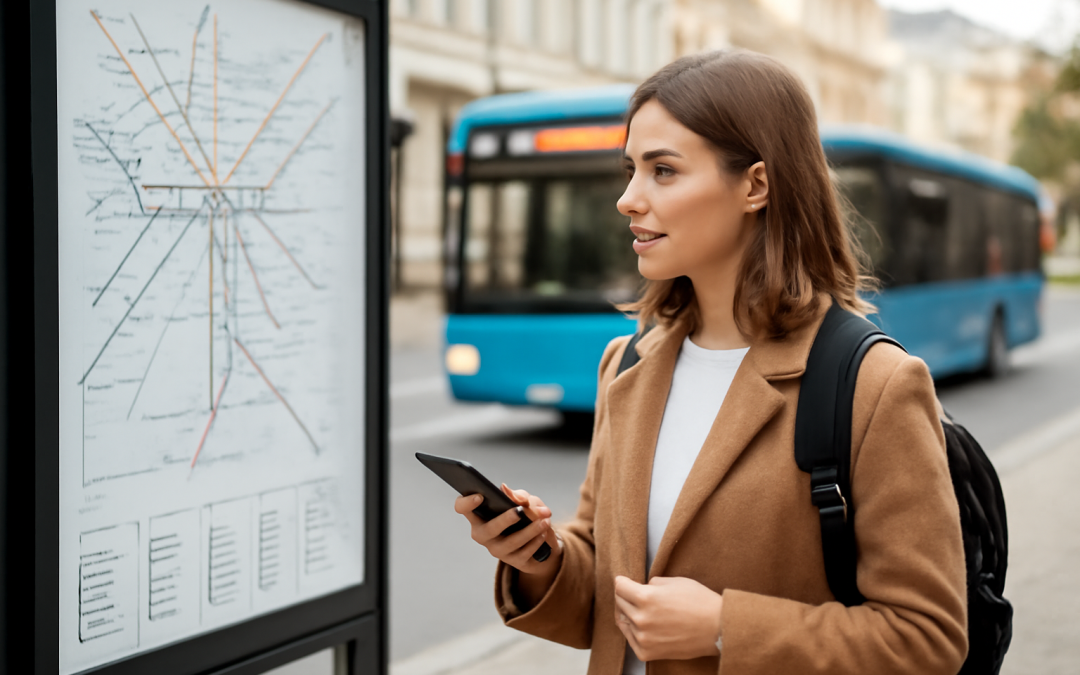
Once the basics of the system and payment are covered, familiarizing yourself with the transit map will help in planning your journeys. Transit maps are designed to show the network of lines and connections, highlighting stops, transfer points, and terminal stations. While they may seem complex at first glance, spending a few moments to identify key stops near your accommodation, work, or popular attractions makes everyday travel more straightforward. Many maps are color-coded by route, which simplifies understanding the flow and direction of services. If you find the map overwhelming, start by mapping one or two regular routes and expand your knowledge gradually.
When it comes to boarding the vehicle, it’s important to know the etiquette and procedures involved. In many cities, passengers wait in designated areas or shelters to board buses or trams. It is customary to form a line and allow disembarking passengers to exit before boarding. On some systems, boarding is only permitted through specific doors, while on others passengers can board anywhere. Sticking to these local customs not only ensures smooth operation but also shows respect for other passengers. Checking schedules for peak and off-peak times can help avoid overcrowded vehicles and provide a more comfortable experience.
Transfers between different routes or modes of public transportation are a common aspect of traveling in a new city. Understanding the transfer policies can save time and money. Some transit systems allow free or discounted transfers when moving between buses or from bus to train within a certain time frame after your initial fare payment. Knowing where transfer stations or hubs are located will also make your trips more efficient. These hubs are often central locations where multiple lines converge, equipped with amenities like restrooms, information desks, and places to grab food or coffee while in transit.
Safety is always a priority when using public transportation. While most city transit systems maintain a high standard of security, being vigilant is still advisable. Keep your belongings close and be wary of crowded conditions where pickpocketing may occur. Riding in well-lit areas, especially during nighttime, and staying near groups of people can increase personal safety. It is also wise to note emergency exits and locate any available staff or security personnel if assistance is needed. Many transit authorities provide safety guidelines online and inside vehicles, which are good to review before navigating unfamiliar routes.
Another practical consideration is accessibility, especially for travelers with mobility challenges or those carrying heavy luggage. Modern public transportation systems often include accommodations such as ramps, low-floor vehicles, elevators, and designated seating zones. However, the degree of accessibility can vary significantly by city and transit mode. Researching in advance whether stations and vehicles on your intended routes support special needs helps avoid potentially stressful situations. Additionally, many transit services offer dedicated programs or assistance for passengers who require extra help, and contacting customer service prior to travel can ensure a smooth journey.
Language barriers can pose another obstacle when using public transit in a new city, particularly in countries where a different language is spoken. Fortunately, most major transit systems make an effort to accommodate international visitors by providing maps, signage, and audio announcements in multiple languages. Even so, it’s helpful to learn a few basic transit-related phrases or download translation apps that can assist when asking for directions or buying tickets. Observing how locals interact with staff and other travelers can also provide valuable clues about how to maneuver unfamiliar procedures. Being polite and patient while seeking assistance often results in helpful and friendly responses.
Public transportation can also offer a unique window into the culture of a city. The interactions, the local customs, and even the daily rhythms seen onboard bus or metro lines reveal much about urban life. For tourists and residents alike, taking public transit offers a chance to mingle with locals, observe everyday commerce and habits, and discover neighborhoods beyond the typical tourist zones. Using public buses or subways often grants a level of authenticity and spontaneity that is difficult to achieve when traveling by taxi or private car.
Despite the advantages, there may be times when public transportation does not cover all destinations conveniently. In such cases, integrating other forms of transit, like bike sharing, walking, or ride-sharing services, can be complementary. Many cities promote multimodal transportation systems that allow seamless transitions between different means of getting around. Planning trips with this flexibility in mind permits a more comprehensive exploration of the city without reliance on a personal vehicle. When needed, combining these options helps reach areas less accessible via public transit, while still benefiting from the affordability and environmental benefits of mass transportation.
Patience and adaptability are important qualities when learning to use public transportation in a new environment. Delays, unexpected route changes, or crowded vehicles are common occurrences in any city. Staying calm and having a backup plan, such as alternative routes or even allowing extra travel time, will ease frustration. Often, transit authorities update schedules seasonally or adjust to city events, so regularly checking for announcements or service alerts is wise. Embracing the occasional hiccup as part of the adventure helps maintain a positive attitude and turn those moments into opportunities for discovery.
Technology has simplified the use of public transport in recent years, and leveraging these innovations will enhance the experience. Many transit apps now feature integrated ticket purchase options, trip planners, real-time tracking, and even augmented reality to help identify stops and routes visually. Contactless payment methods reduce the need to carry cash, speeding up boarding times and minimizing physical contact. Some cities also offer traveler programs or loyalty schemes that reward frequent use with discounts or perks. Staying informed about these technological advancements before and during your stay can increase convenience significantly.
In the course of becoming proficient in a new city’s transit system, interacting with other passengers can increase confidence and provide assistance. Most cities foster a sense of community on public transportation, where regular commuters and locals are often willing to share tips or directions. Approaching people politely, especially when you are clearly identifying as new to the system, tends to receive warm responses. Additionally, following social cues such as quiet hours on certain lines or giving up seats for elderly or disabled passengers reflects an understanding of local customs and garners respect.
Seasonal and weather-related factors also influence how public transportation is used. During colder months, waiting for vehicles outdoors can be less pleasant, so finding sheltered stops or checking wait times closely becomes more important. Extreme weather events may also cause delays or temporary service suspensions, and transit authorities generally communicate these changes promptly. Warm months might see an increase in tourists or special late-night services for events, impacting capacity and schedules. Preparing for these variations by dressing appropriately and maintaining flexibility will result in smoother journeys.
For those who plan to stay in a new city for an extended period, establishing a routine with public transportation can be particularly rewarding. Familiarity breeds efficiency; after several rides, common routes and schedules become second nature. Many find that regular use of transit contributes positively to daily health by incorporating walking to and from stops. Financially, consistent use often justifies the purchase of commuter passes or monthly cards, which reduce per-trip costs. Over time, using public transit develops from an uncertain endeavor into a reliable and sustainable habit that supports mobility without the downsides of car ownership.
Sustainability is an increasingly important consideration in urban commuting. Public transportation is widely recognized as a greener alternative to individual car use, reducing congestion and pollution. By choosing to use buses, trains, or trams, travelers contribute to the collective effort to lower the carbon footprint associated with urban movement. This environmental benefit resonates strongly in cities facing challenges with air quality and traffic jams. Being part of this solution not only benefits the city but also encourages a deeper sense of responsibility and awareness in those new to the environment.
Ultimately, mastering the use of public transportation in a new city enhances both practical mobility and the overall travel experience. It transforms movement from a mere necessity into an opportunity to explore, connect with others, and contribute positively to the urban ecosystem. Patience, preparation, and a curious mindset are the keys to unlocking the advantages that mass transit offers. With these elements in place, the city’s transit system becomes more than a means of travel—it becomes a gateway to discovering the heart and soul of the place you now call home, even if only for a short time.