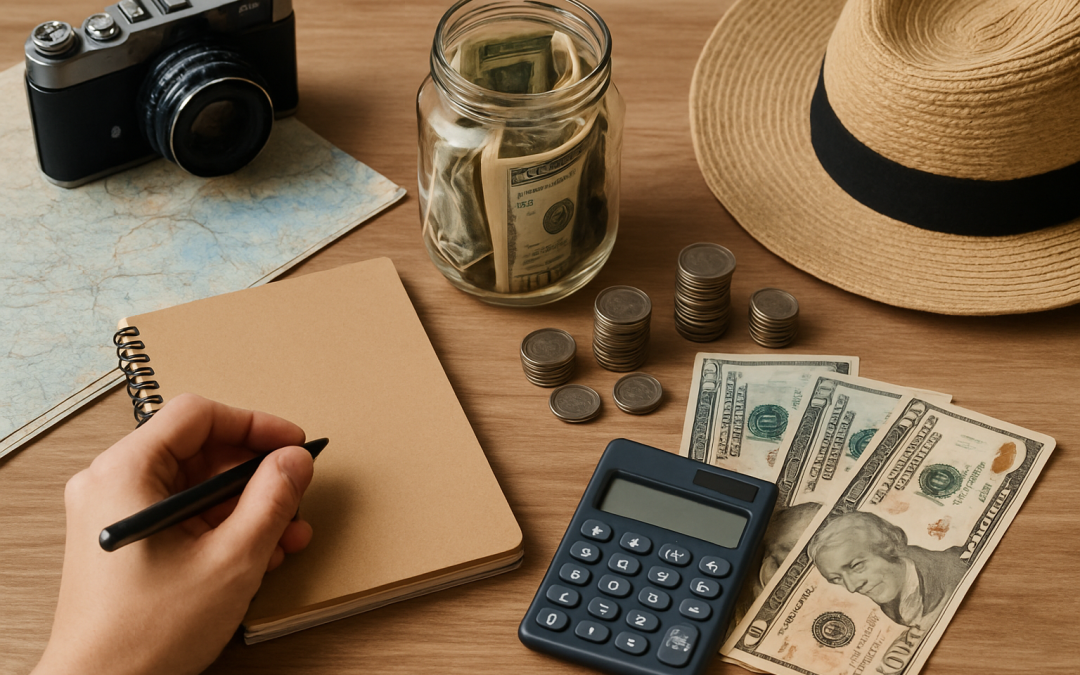
Planning a trip, whether it’s a quick weekend getaway or an extended international vacation, often brings excitement and anticipation. However, without proper financial preparation, this excitement can quickly turn into stress and regret. The ability to set a realistic travel budget is essential for enjoying a trip without worrying about money. It involves understanding your financial limits, researching costs, and making informed decisions about where to allocate your funds to maximize value and minimize unexpected expenses. This guide will provide a comprehensive approach to crafting a travel budget that aligns with your financial situation and travel goals.
The first step in setting a realistic travel budget is getting a clear picture of your current financial status. Before you start looking at destinations or activities, take some time to review your income, savings, and monthly expenses. Knowing exactly how much disposable income you have after covering necessary bills such as rent, utilities, food, and debt payments allows you to identify how much you can reasonably set aside for travel expenses. Creating or revising a budget that includes a dedicated travel fund can prevent overspending and ensure that your trip doesn’t compromise your everyday financial responsibilities.
Once you have a firm understanding of your finances, the next phase is choosing a destination that fits within your budget parameters. Different locations can vary dramatically in terms of costs for accommodation, food, transportation, attractions, and overall daily spending. For instance, traveling to major cities in Europe or North America typically incurs higher costs than exploring destinations in parts of Asia, Latin America, or Eastern Europe. Researching average costs for lodging, meals, and activities in several potential destinations will help you narrow down options based on affordability, ensuring your dream trip is financially feasible.
Transportation is one of the largest travel expenses and should receive detailed attention when estimating your budget. Consider the total cost of getting to your destination, including flights, trains, buses, or car rentals. Airlines sometimes offer discounted fares if you book well in advance or are flexible with travel dates, so taking the time to monitor prices and set fare alerts can lead to significant savings. If your trip involves multiple destinations, factor in the extra costs of transportation between locations. Local transportation within the destination—such as taxis, public transit, or ride-sharing—also adds up, so research options prior to your trip to anticipate costs and avoid surprises.
Accommodation expenses often take up a large part of the travel budget, but there are plenty of ways to keep these costs manageable. Traditional hotels offer comfort and convenience but can be pricey, especially in popular tourist areas or during peak travel seasons. Alternatives such as hostels, vacation rentals, guesthouses, or even home-sharing platforms can provide more economical options while also offering a more authentic local experience. When budgeting for accommodation, consider factors like location, amenities, and cancellation policies. Sometimes opting for a place slightly outside the city center can save a considerable amount without sacrificing access to key attractions.
Daily expenses such as meals, entrance fees, and incidental purchases require careful estimation as well. Food costs vary widely depending on where you choose to eat and how often you dine out versus buying groceries and preparing your own meals. Balance the desire to experience local cuisine with your budget constraints by incorporating a mix of dining styles. Many destinations also offer free or discounted attractions on certain days of the week, which can help lower overall entrance fees. Additionally, set aside an allowance for souvenirs or unexpected purchases, as these small costs often add up and can derail an otherwise well-planned budget.
Travel insurance is an important yet sometimes overlooked part of budgeting for a trip. While it may feel like an extra expense upfront, insurance can save travelers significant money if emergencies arise, including medical issues, trip cancellations, or lost luggage. Research and compare travel insurance policies based on what risks are most relevant to your trip and personal circumstances. Including this cost in your budget protects your investment and provides peace of mind throughout your journey.
To maintain control over spending while traveling, it’s prudent to create a daily budget that allocates a set amount for various categories such as food, transportation, entertainment, and incidentals. Tracking your expenses during the trip—whether through a travel app or a simple notebook—helps you stay within your budget and make timely adjustments. Being mindful of currency exchange rates and potential fees when using debit or credit cards abroad also prevents unexpected expenses. If you notice you’re overspending in one area, you can compensate by cutting back in another to keep your overall financial plan intact.
Saving money for travel often requires discipline and consistency. Automating your savings by setting up a separate account dedicated to travel funds can make it easier to steadily accumulate the necessary amount. Some travelers use creative methods such as rounding up everyday purchases, foregoing small luxuries, or postponing other expenses to prioritize their travel goals. Setting a clear target and timeline for the amount needed can motivate you to save efficiently and avoid last-minute financial stress.
Flexibility is another valuable asset when trying to keep your travel budget realistic. Being open to traveling during off-peak seasons can result in lower accommodation and flight prices as well as fewer crowds. Additionally, adjusting your travel dates by a few days sometimes leads to substantial savings on airfare. Selecting less touristy neighborhoods for lodging or opting for experiences that are less expensive can also stretch your budget without sacrificing enjoyment. A willingness to compromise on certain preferences often opens up opportunities to make a trip more affordable.
Understanding exchange rates and the local economy of your destination is crucial when estimating costs and budgeting accurately. Currency fluctuations can affect how far your money goes, while local tipping customs and tax regulations influence day-to-day spending. Before you leave home, research the typical expenses and financial practices of your destination and consider consulting recent travelers’ reviews and forums for up-to-date advice. This knowledge will help you predict and plan for expenses realistically, rather than basing your budget on assumptions or outdated information.
When setting a travel budget, it’s important to account for emergency funds. Unexpected situations—such as losing valuables, needing last-minute transportation, or medical emergencies—can arise at any time. Having a contingency fund provides a safety net that prevents these occurrences from turning into financial disasters. This buffer should be considered a non-negotiable part of your travel budgeting process to ensure your journey remains as stress-free as possible.
An often-underutilized strategy when aiming for a realistic travel budget is leveraging loyalty programs, credit card rewards, and travel deals. Many credit cards offer points or miles that can be redeemed for flights, hotels, or other travel expenses. Signing up for newsletters from airlines, hotels, and travel deal websites can alert you to sales, discounts, and promotions that significantly reduce costs. While these won’t cover every expense, they can be a valuable supplement to your budget and allow for upgrades or activities you may not have otherwise considered.
It may also be helpful to involve others in the budgeting process if you are traveling with family or friends. Sharing accommodation and transportation costs can reduce per-person expenses, but it requires coordination and agreement on spending priorities. Discussing the budget openly with travel companions ensures that everyone has realistic expectations and contributes fairly. This collaboration helps avoid conflicts mid-trip and keeps financial planning transparent among all parties involved.
In addition to accounting for monetary costs, factor in the value of your time and effort when setting a travel budget. Planning a trip, from researching travel options to booking accommodations and creating an itinerary, demands time and sometimes additional expenses such as attraction pre-booking fees or guided tours. Allocating time for thorough planning helps identify potential cost-saving opportunities and prevents last-minute decisions that can inflate expenses. A well-researched trip results in a smoother, more enjoyable experience, ultimately increasing the value you derive from the money spent.
Beyond just numbers, a realistic travel budget should reflect your personal priorities and travel style. Consider what aspects of the trip matter most to you—whether it’s staying in comfortable accommodations, indulging in local cuisine, participating in unique activities, or simply relaxing and sightseeing at your own pace. By aligning your budget to support these priorities, you avoid spending money on less meaningful expenses while enriching your overall experience. Prioritization also facilitates making informed trade-offs when unexpected costs arise or you wish to extend certain parts of your trip.
When returning from your travels, review your actual expenditures against your original budget to learn from the experience. Understanding where you stayed within your means and where you overspent provides valuable insights for future trips. This post-trip financial reflection allows you to adjust your budgeting approach and improve your money management skills related to travel. Over time, such refinement leads to more accurate budgets and more enjoyable vacations without financial stress.
In conclusion, setting a realistic travel budget is a multi-faceted process that extends beyond simply choosing a dollar amount. It begins with an honest assessment of your finances, involves detailed research, and requires ongoing management before and during the trip. Incorporating flexibility, prioritizing expenses, and planning for emergencies enhance the effectiveness of your budget. With thoughtful preparation and practical strategies, you can create a financial plan that supports an enjoyable and fulfilling travel experience without compromising your overall financial health. This considered approach empowers you to explore the world confidently and responsibly, making every journey a rewarding investment in life’s memories.