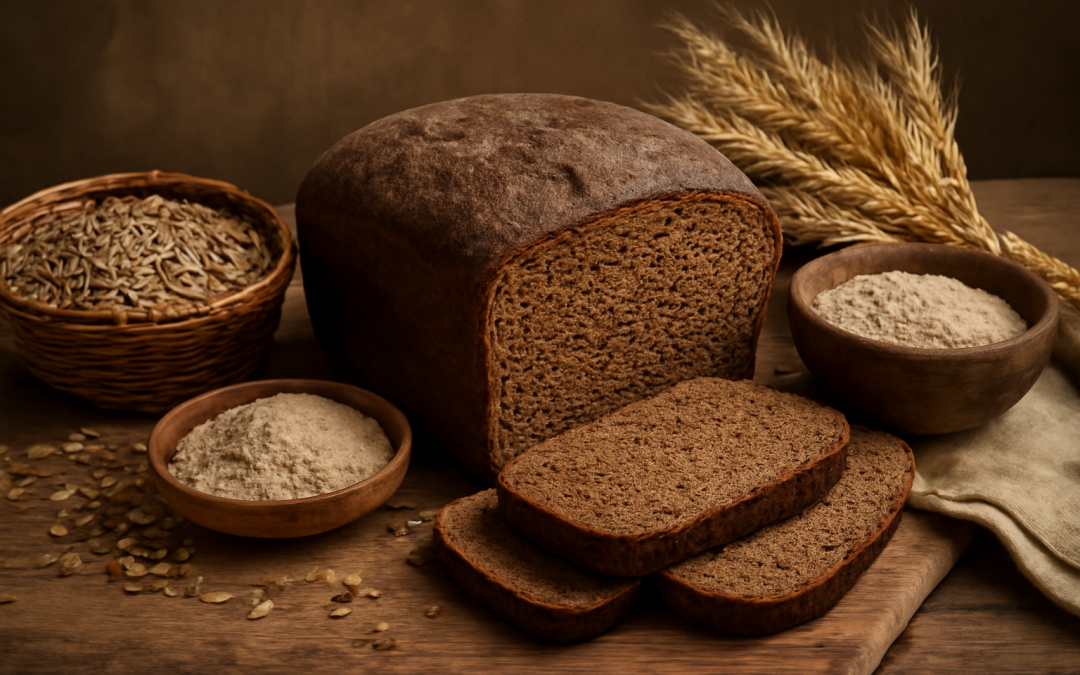
The rich aroma of rye bread wafting through a kitchen is a familiar and comforting scent in many parts of the world, a reminder of both heritage and home. More than just a type of bread, rye bread has long been a culinary symbol embedded deeply in the cultural fabric of numerous communities. Its dense texture, distinctive flavor, and hearty qualities make it a staple across Northern and Eastern Europe, appreciated not only for sustenance but also for the traditions that surround its baking and consumption.
Rye bread traditions stretch back centuries, originating in regions where rye grain thrived better than wheat due to the harsh, cold climates and nutrient-poor soils. In places such as Russia, Scandinavia, Germany, and the Baltic states, rye bread has historically been regarded as a necessity, often synonymous with life and survival during harsh winters. This bread became more than just food; it was a symbol of resilience, fertility, and hospitality, passed down through generations with every loaf baked by hand.
In many cultures, the methods of making rye bread are deeply ritualistic and family-centered. The process often began with the careful preparation of the sourdough starter, a living culture that lent the bread its characteristic tang and helped to naturally leaven the dough in an era before commercial yeast. Starting a batch of rye bread was sometimes seen as an act of patience and care, requiring a watchful eye over rising dough, with the understanding that the bread’s quality was closely linked to the well-being of the entire household.
The shape, size, and ingredients of rye bread vary among traditions, reflecting both regional adaptations and cultural nuances. For example, Scandinavian rye breads are known for being dense and dark, often incorporating whole grains and seeds for texture and flavor. In contrast, Eastern European varieties may include additions like caraway seeds or even a sprinkling of malt for sweetness. In Germany, the dense “pumpernickel” rye bread has a deep history and a unique preparation method, often involving a long, slow baking process that can take up to 24 hours. This slow bake caramelizes the bread’s natural sugars, creating a rich, slightly sweet flavor distinct from lighter wheat or multigrain loaves.
The communal aspect of rye bread baking cannot be overstated. Historically, many families or villages would come together to share wood-fired ovens, a practice that fostered community interaction and mutual support. Making a batch of rye bread was often a collective endeavor that required cooperation from gathering grains, grinding flour, nurturing the sourdough starter, kneading the dough, and tending the fires under the bread oven. These communal ovens served as social hubs, places where stories were exchanged and traditions reinforced over each loaf.
Rye bread also holds significant ceremonial importance in various societies. In some Eastern European cultures, offering bread and salt to guests is a revered gesture of hospitality and goodwill, reflecting not only welcome but also respect and wishes for prosperity. The bread in these ceremonies is often a rye loaf, symbolizing the earth’s bounty and the community’s shared fortune. Weddings, religious celebrations, and harvest festivals frequently feature rye bread in symbolic roles, sometimes decorated or braided to enhance its meaning and visual appeal.
Beyond its ceremonial role, rye bread sustains a nutritional reputation tied to traditional diets. Rich in dietary fiber, vitamins, and minerals, rye grain has always been prized for its ability to keep a population nourished during seasons when fresh produce was scarce. Rye bread’s slow-digesting carbohydrates made it an excellent source of prolonged energy, particularly important for agrarian societies and physically demanding lifestyles. Eating rye bread was more than enjoying a rustic delicacy—it was a matter of health and survival.
Internationally, the legacy of rye bread traditions persists, adapting to modern tastes while preserving their roots. In the United States, for example, rye bread became popular through waves of immigration, particularly among Eastern European and Jewish communities, who brought recipes that included caraway and other seeds now synonymous with rye bread varieties found in Jewish delis. Today, rye breads range from ultra-traditional loaves to innovative artisan creations, blending historical ingredients and modern baking techniques.
The art of rye bread making continues to inspire bakers who see value in slow, deliberate processes and natural ingredients. Artisan rye bread baking often involves hand-kneading, long fermentation periods, and a focus on maintaining the bread’s integrity and flavor. There is a growing appreciation for heritage grains, sourdough starters nurtured for years, and recipes that resist shortcuts. This revival connects contemporary bread lovers not just with higher-quality food but also with the rhythms and rituals of past generations.
The cultural significance of rye bread is also reflected in its role within literature, folklore, and music. Tales of rye bread often accompany celebrations of harvest or survival through famine. Some folk songs lament the scarcity or celebrate the abundance of rye, intertwining fundamentally with stories about identity and place. Rye bread’s humble, unpretentious character elevates it as a symbol of home, family, and groundedness against the backdrop of social and historical upheavals.
Historically, rye cultivation itself inspired unique agricultural customs tied closely to bread traditions. Rye’s hardiness meant that it was often sown in places and at times where other grains could not grow, leading to special planting and harvesting rituals aimed at protecting the seasonal yield. These practices, in turn, affected how communities regarded the bread produced—sometimes transforming it into a sacred or revered food. In many cases, rye bread was more than sustenance; it was a totem carrying the hopes and labors of an entire community.
In regions where rye bread remains a dietary cornerstone, traditional bakeries continue to honor these customs by offering breads made from centuries-old recipes. These establishments often emphasize local sourcing of rye grains and flour, reinforcing a connection between the land and the bread. This approach fosters an appreciation for terroir, where the flavor of the bread tells the story of the soil, climate, and community where it was created.
Even as commercial bread production offers countless alternatives, the endurance of rye bread traditions speaks to a universal human desire for continuity and meaningful food. Rye bread’s texture, taste, and tradition provide a sensory link to the past, a reminder of the cycles of life and the hands that made and shared it. Its simple ingredients—rye flour, water, salt, and natural leaven—come together to form something complex and nurturing, much like the communities that cherish it.
The survival and adaptation of rye bread traditions in the modern culinary landscape illustrate the balance between preserving heritage and embracing innovation. Contemporary chefs and home bakers alike are experimenting with rye blends, incorporating ancient grains, and exploring gluten-free adaptations, yet many still honor the foundational methods passed down through generations. This fusion of old and new enriches the story of rye bread, ensuring that it remains a vital part of cultural and culinary heritage around the world.
At its core, rye bread embodies an enduring bond between people and their environment, tradition, and sustenance. The rituals of baking, the symbolism in social customs, and the nourishing qualities of rye grain itself comprise more than a simple loaf—it represents history kneaded into dough, baked with care, and shared with love. Rye bread traditions offer a profound connection to cultural identity and remind us that food is never just about eating but about carrying forward narratives that define who we are.